×

New Zealand🇳🇿 | townsKerikeriStone Store, citrus country, Rainbow Falls | things to do and best time to go

Explore ThamesExplore Whanganui

Backpacking in Kerikeri
👍 Recommendedtown ranked #11
By Johan Kruseman 🇳🇱 | Updated October 16, 2026

Kerikeri sits in the middle of New Zealand’s citrus and kiwifruit country, so fruit-picking work is a real option here. It lies in the Bay of Islands, in the north of New Zealand, about 20 minutes inland from Paihia. Buses are infrequent and the town is spread out, so backpackers who rely on them lose time; an experienced traveler shares a car or rents one. The sound I link with the place is cicadas ringing through the orchards. Hostels are small and sociable, but nightlife is quiet, so people meet over kitchen dinners, not bars. The town ends where the Kerikeri River tips over Rainbow Falls.

Discover everything you want to know in the 📖 New Zealand Travel Guide.


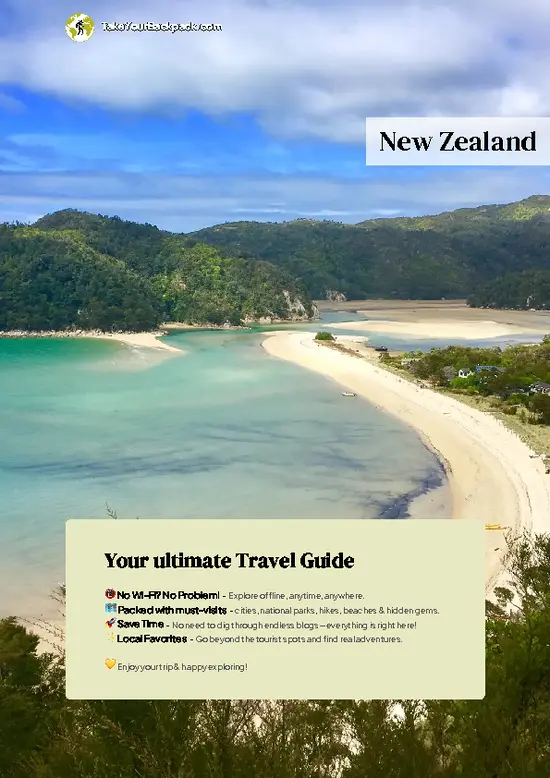
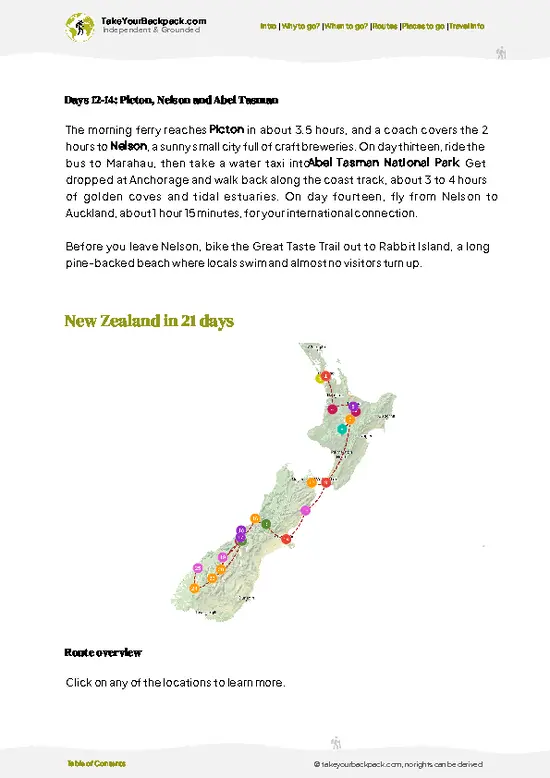
example page 0 from our offline Travel Guide for New Zealand
example page 1 from our offline Travel Guide for New Zealand
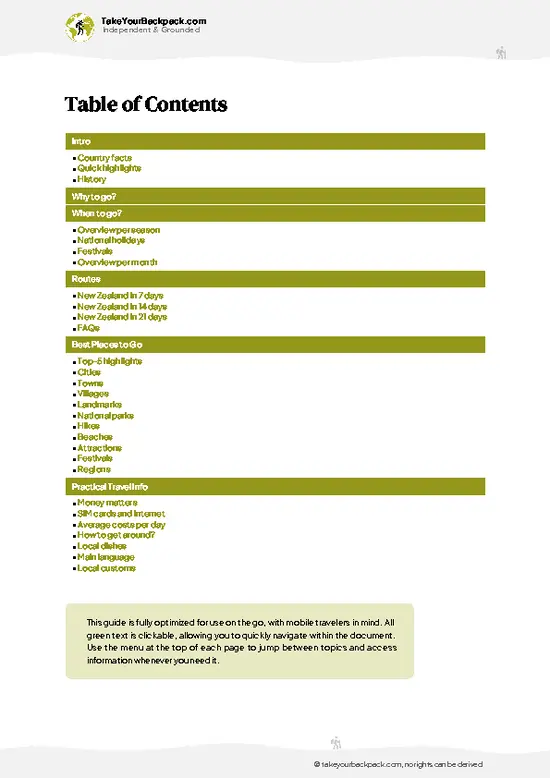
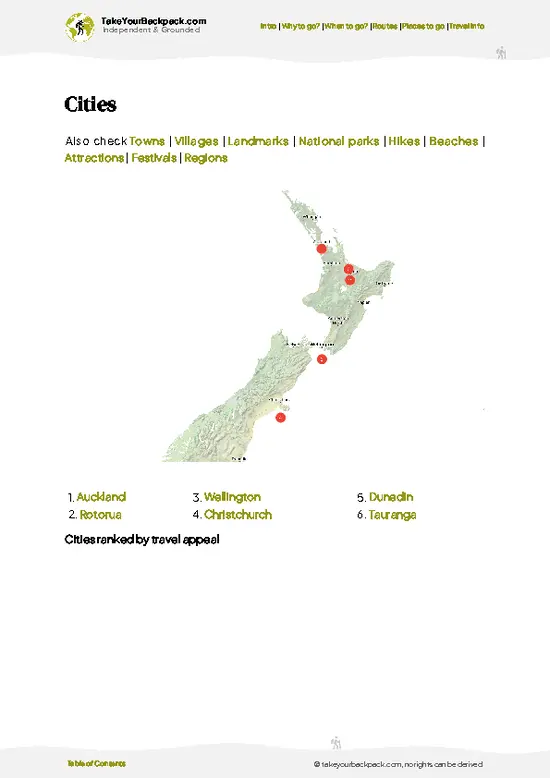
example page 2 from our offline Travel Guide for New Zealand
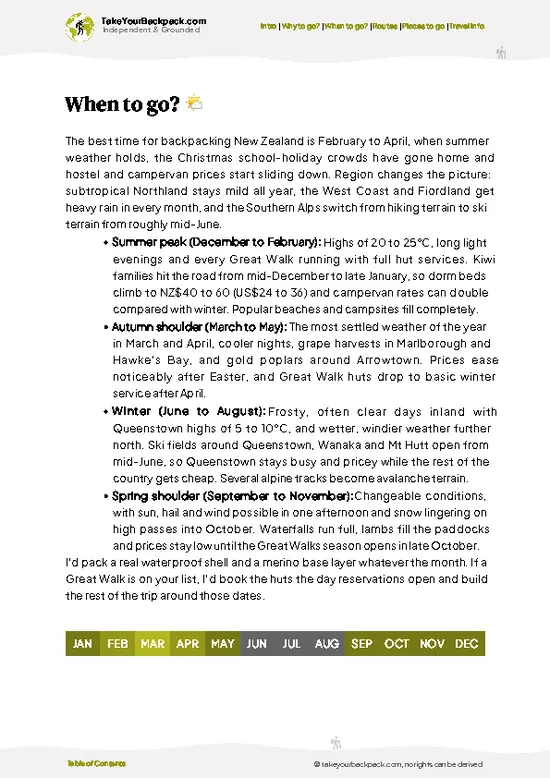
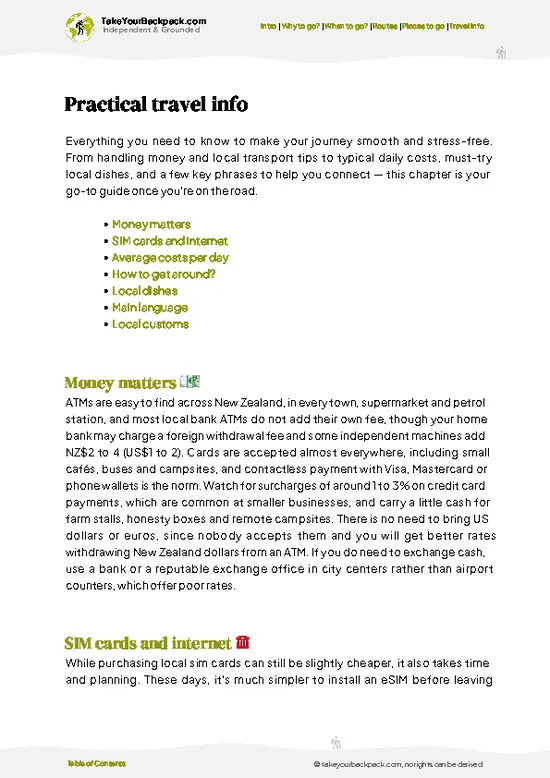
example page 3 from our offline Travel Guide for New Zealand
example page 4 from our offline Travel Guide for New Zealand
example page 5 from our offline Travel Guide for New Zealand
example page 6 from our offline Travel Guide for New Zealand
example page 7 from our offline Travel Guide for New Zealand
Loading the map 🌍
CLICK TO FILTER
cities
towns
villages
landmarks
national parks
hikes
beaches
attractions
festivals
regions
SHOW COUNTRY’S BESTSHOW ALL

✨ Why go?
Ranked #11 town in New Zealand
Reasons people choose to visit here

Kerikeri works as a slower base for the Bay of Islands, with a calmer feel than Paihia and cheaper, quieter beds. The main draw is the concentration of history: the Stone Store and Kemp House sit side by side on the Kerikeri Basin, and the river walk links them to the falls on foot. Orchards, farm stalls and craft studios fill the surrounding roads, so food shopping here is a pleasure. Most travelers stay two or three nights, and the long-stayers are often seasonal fruit pickers working the packhouses. It suits slow travelers, solo travelers who like kitchen conversation, and anyone with a car. It is less suited to people who want nightlife or constant company, since evenings stay low-key and early.

💡 HighlightsEssential experiences to have while visiting Kerikeri

  1. Stone Store and Kemp House: the oldest surviving stone building and the oldest standing European house in New Zealand, built in the early 1800s. Entry to the grounds is free, and guided entry to the house costs about NZ$15 to 20. Allow 1 to 2 hours. Visit in the morning, when the basin is calm.
  2. Rainbow Falls (Waiāniwaniwa): a 27 meter drop reached by a short walk from a car park. Free, 30 minutes. It runs strongest after rain, and mornings are quieter.
  3. Kerikeri River Track: a flat, roughly 4 kilometer path through bush from the falls down to the basin. Free, about 1.5 hours one way. Early morning is best for birdsong.
  4. Kerikeri Basin and Kororipo Pā: the sheltered inlet and the site of the Ngāpuhi chief Hongi Hika’s fortified village, with interpretive panels. Free, about 45 minutes, and lovely
… read more 👉
  1. Stone Store and Kemp House: the oldest surviving stone building and the oldest standing European house in New Zealand, built in the early 1800s. Entry to the grounds is free, and guided entry to the house costs about NZ$15 to 20. Allow 1 to 2 hours. Visit in the morning, when the basin is calm.
  2. Rainbow Falls (Waiāniwaniwa): a 27 meter drop reached by a short walk from a car park. Free, 30 minutes. It runs strongest after rain, and mornings are quieter.
  3. Kerikeri River Track: a flat, roughly 4 kilometer path through bush from the falls down to the basin. Free, about 1.5 hours one way. Early morning is best for birdsong.
  4. Kerikeri Basin and Kororipo Pā: the sheltered inlet and the site of the Ngāpuhi chief Hongi Hika’s fortified village, with interpretive panels. Free, about 45 minutes, and lovely in late afternoon light.
  5. Kerikeri Farmers Market: a Sunday morning market with local fruit, bread, coffee and honey. Entry is free, and snacks cost NZ$5 to 15. Go early, and plan on an hour.
Day trips from town include the Waitangi Treaty Grounds, Paihia, Russell and Cape Brett by boat. If time is short, skip the market and keep the history walk.
Spotted a mistake or missing something? Contact us.

Things to do around Kerikeri

Ratings based on Tripadvisor reviews. When you book through this link, you support our work at no extra cost to you.

🏘️ NeighborhoodsWhere things are and how it's laid out

Kerikeri is compact but spread out, and the areas sit apart for a reason: the town grew around a river basin, then sprawled along orchard roads. Knowing that, you can plan walking days around the basin and use wheels for the rest.
  • Kerikeri Basin and Stone Store: This is where the Kerikeri River widens above a small waterfall, and where Kemp House (1822) and the Stone Store (1832) stand, among New Zealand’s oldest European buildings. Pay for the combined Kemp House and Stone Store ticket only if you want the interiors. The grounds and riverside walk are free, and the café at the Stone Store is pricey, so bring your own snacks.
  • Town Centre (Cobham Road and Kerikeri Road): Supermarkets, banks, a bus stop and a few cafés. It is flat and walkable in 15 minutes, but built for cars, so expect long
… read more 👉
Kerikeri is compact but spread out, and the areas sit apart for a reason: the town grew around a river basin, then sprawled along orchard roads. Knowing that, you can plan walking days around the basin and use wheels for the rest.
  • Kerikeri Basin and Stone Store: This is where the Kerikeri River widens above a small waterfall, and where Kemp House (1822) and the Stone Store (1832) stand, among New Zealand’s oldest European buildings. Pay for the combined Kemp House and Stone Store ticket only if you want the interiors. The grounds and riverside walk are free, and the café at the Stone Store is pricey, so bring your own snacks.
  • Town Centre (Cobham Road and Kerikeri Road): Supermarkets, banks, a bus stop and a few cafés. It is flat and walkable in 15 minutes, but built for cars, so expect long crossings. Stock up here because prices drop sharply compared with basin cafés.
  • Riverview and Rainbow Falls Road: A 4 km riverside track leads from the basin to Rainbow Falls (Waianiwaniwa), a 27 m drop. Walk it rather than drive, since the track beats the road views.
  • Orchard and Farm Roads: Citrus, kiwifruit and avocado country with roadside stalls and a few craft makers. Distances are too long to walk, so cycle or share a car.

⌛️ 1 dayHow to make the most of one day

8:30 AM: Kerikeri Basin. Start here, because the Stone Store and Kemp House grounds are quiet and the light is soft before tour groups arrive. Walk around Kororipo Pā and read the panels.
10:30 AM: Kerikeri River Track. Walk up the river path toward the falls, passing bush and small pools. It is flat and easy, and the sound of water builds as you approach.
12:00 PM: Rainbow Falls. Look from the main viewpoint, then take the short side track for another angle. Return to town by the same path or a short drive.
1:00 PM: Kerikeri town center. Eat at a café or buy fruit, cheese and bread from a stall to take away. It is a relaxed way to refuel.
3:00 PM: Local studios and orchard roads. Away from the usual route, wander the back roads where potters, chocolatiers and orchard shops open their doors. Sample … read more 👉
8:30 AM: Kerikeri Basin. Start here, because the Stone Store and Kemp House grounds are quiet and the light is soft before tour groups arrive. Walk around Kororipo Pā and read the panels.
10:30 AM: Kerikeri River Track. Walk up the river path toward the falls, passing bush and small pools. It is flat and easy, and the sound of water builds as you approach.
12:00 PM: Rainbow Falls. Look from the main viewpoint, then take the short side track for another angle. Return to town by the same path or a short drive.
1:00 PM: Kerikeri town center. Eat at a café or buy fruit, cheese and bread from a stall to take away. It is a relaxed way to refuel.
3:00 PM: Local studios and orchard roads. Away from the usual route, wander the back roads where potters, chocolatiers and orchard shops open their doors. Sample citrus or macadamia products, and pick whatever is in season.
5:30 PM: Back at the basin. Watch the evening light on the water, then finish with dinner at your hostel.

🌤️ When to go?When to go for the best experience

Kerikeri is best from November to April, when days run warm and the river swimming holes are usable.
  • Summer (Dec to Feb): Highs of 24 to 27°C (75 to 81°F), humid, with daylight past 8:30 pm. Beds and campsites fill and cost more, especially around Christmas and January.
  • Autumn (Mar to May): 19 to 24°C (66 to 75°F), settled weather, thinner crowds, and citrus picking starts.
  • Winter (Jun to Aug): 11 to 16°C (52 to 61°F), wet and mild, with dusk near 5 pm. Prices are lowest and the waterfalls flow strongest.
  • Spring (Sep to Nov): 14 to 20°C (57 to 68°F), blossom on the orchards and changeable showers.
Book summer beds weeks ahead, since the town has limited budget rooms.

source: climatestotravel.comJANJanuary: excellent for travelingFEBFebruary: excellent for travelingMARMarch: excellent for travelingAPRApril: highly recommended for travelingMAYMay: good for travelingJUNJune: fair for travelingJULJuly: fair for travelingAUGAugust: fair for travelingSEPSeptember: good for travelingOCTOctober: highly recommended for travelingNOVNovember: excellent for travelingDECDecember: excellent for traveling
when-to-go

✈️ The backpacker research shortcutNew Zealand Travel Guide

An offline-friendly backpacking guide with optimized travel routes, ranked highlights, transport advice, and the best areas to stay.
example page 0 from our offline Travel Guide for New Zealand
example page 1 from our offline Travel Guide for New Zealand
example page 2 from our offline Travel Guide for New Zealand
example page 3 from our offline Travel Guide for New Zealand
example page 4 from our offline Travel Guide for New Zealand
example page 5 from our offline Travel Guide for New Zealand
example page 6 from our offline Travel Guide for New Zealand
example page 7 from our offline Travel Guide for New Zealand
The digital guide (327 pages) contains:
✅ 110 highlights, ranked by travel appeal
✅ Optimized 7, 14 & 21-day travel routes
✅ Cities, national parks, landmarks, beaches
✅ How to get around
✅ Offline-friendly for travel without Wi-Fi
👉 Click to see all 30+ guide features

📅 Plan smarter in minutes, not weeks
✅ Month by month travel advice
✅ Festivals & national holidays
✅ Budget expectations

🗺️ Go to the right places, skip the overrated ones
✅ Honest pros & cons of destinations
✅ Top hikes, parks & viewpoints
✅ Lesser-known places most travelers miss
✅ Clear “worth it vs skip it” guidance

🛏️ Travel smoothly without rookie mistakes
✅ Best areas to stay
✅ Transport systems explained simply
✅ Common scams & safety advice
✅ SIM cards, money & practical tips

🌍 Understand the country, not just visit it
✅ Culture & traditions
✅ Local customs
✅ Festivals worth planning around
✅ Traveler-friendly historical context
✅ Insights that make places more meaningful

📱 Built for real travel conditions
✅ Fully downloadable PDF
✅ Works completely offline
✅ Optimized for phone use
✅ Useful in remote areas & buses
✅ Everything in one place
Stop searching, start planning
Get instant access to your full guide. 30‑day money-back guarantee.
+ Add another guide for just

By proceeding you agree to our terms.
Sent to your inbox immediately after payment • 100% Secure Checkout
Best Backpacking Travel Advisor 2025 tourism awardBest Backpacking
Travel Advisor
2025
What others say about Take Your Backpack Guides:
⭐⭐⭐⭐⭐
Fantastic, amazing amount of information!
⭐⭐⭐⭐⭐
My goodness this is amazing, it's what I've been looking for hats off too you!
⭐⭐⭐⭐⭐
I think this is absolutely BRILLIANT
⭐⭐⭐⭐
Very complete and informative. It's still missing places, but I gotta to commend you
⭐⭐⭐⭐⭐
This is truly amazing, thank you, can't wait to explore it with my kids!
⭐⭐⭐⭐⭐
Awesome resource, thank you!
⭐⭐⭐⭐⭐
This is amazing! Can't wait to explore the ones I haven't seen
⭐⭐⭐⭐
I love this! Well done, great idea.
⭐⭐⭐⭐⭐
Thanks for taking the time to make this gem!
⭐⭐⭐⭐⭐
This might be the best website I've ever seen.
⭐⭐⭐⭐⭐
Congratulations, and thank you so much for your work; it's incredibly valuable.
⭐⭐⭐⭐
In all seriousness I think you did a great job pointing out the important spots
⭐⭐⭐⭐⭐
10/10 very good
⭐⭐⭐⭐⭐
As someone who's only just starting to visit regularly this is awesome, thank you.
⭐⭐⭐⭐
Thank you very much! I'm going to visit my dad, it's going to be very useful!
⭐⭐⭐⭐⭐
This is really cool! We'll be travelling for the first time and this definitely come in handy.
⭐⭐⭐⭐⭐
You are now our minister of culture, congratulations 👨‍💼
⭐⭐⭐⭐⭐
Just wanted to tell you that this is a pearl! Going to follow your recommendations.
⭐⭐⭐⭐⭐
This is so cool. I'll definitely be using the resource for my travels soon.
⭐⭐⭐⭐⭐
This is very impressive! Good work.
⭐⭐⭐⭐⭐
This is an amazing and informative site. Very well done!

🛏️ Where to stay?Where staying makes the most sense

The best budget base is near the town centre, within a short walk of the supermarkets and the bus stop, because beds are scarce and everything else is spread out. Dorm beds and campsites exist, but the number of rooms is small, and in summer they sell out, so reserve ahead. The centre is quiet at night, with little noise beyond a few late cafés and bars, and streets are lit and flat for walking back after dark.

The second option is the riverside area close to the basin, which suits travelers without a car because the walking tracks start nearby. It is very quiet after sunset and some stretches … read more 👉
The best budget base is near the town centre, within a short walk of the supermarkets and the bus stop, because beds are scarce and everything else is spread out. Dorm beds and campsites exist, but the number of rooms is small, and in summer they sell out, so reserve ahead. The centre is quiet at night, with little noise beyond a few late cafés and bars, and streets are lit and flat for walking back after dark.

The second option is the riverside area close to the basin, which suits travelers without a car because the walking tracks start nearby. It is very quiet after sunset and some stretches are dim, so carry a headlamp. Transport links are weaker here, and getting to shops means a 2 to 3 km walk or ride.

If beds are full, Paihia is about 20 minutes away by road and has far more hostels and a livelier scene.

🚌 Getting aroundTransportation options and practical tips

Arriving without a plan for the last stretch costs the most: Kerikeri has no train, and the buses are few, so people pay for long taxi rides from the airport or miss the day’s only coach. Public transport is thin because the town is small and orchard land spreads it out, so most visitors end up needing wheels.
  • Walking: Free and fine for the basin, Stone Store and Rainbow Falls track (about 4 km one way, 1 to 1.5 hours). The town centre is 2 to 3 km from the basin, so wear proper shoes and carry water.
  • InterCity bus: Services link Kerikeri with Paihia and Auckland, roughly NZ$30 to 60 depending on booking, with the Auckland run taking 4.5 to 5 hours. Services are limited to a few a day, so book online early for cheaper fares.
  • Rental car or campervan: The smartest choice for orchards, beaches and
… read more 👉
Arriving without a plan for the last stretch costs the most: Kerikeri has no train, and the buses are few, so people pay for long taxi rides from the airport or miss the day’s only coach. Public transport is thin because the town is small and orchard land spreads it out, so most visitors end up needing wheels.
  • Walking: Free and fine for the basin, Stone Store and Rainbow Falls track (about 4 km one way, 1 to 1.5 hours). The town centre is 2 to 3 km from the basin, so wear proper shoes and carry water.
  • InterCity bus: Services link Kerikeri with Paihia and Auckland, roughly NZ$30 to 60 depending on booking, with the Auckland run taking 4.5 to 5 hours. Services are limited to a few a day, so book online early for cheaper fares.
  • Rental car or campervan: The smartest choice for orchards, beaches and the Far North, at NZ$50 to 100 a day plus fuel. Share it with others because splitting costs makes it cheaper than repeated taxis.
  • Taxi and rideshare: Local taxis are scarce and cost NZ$15 to 30 for in-town hops. Pre-book instead of waiting at the roadside.
  • Bicycle: Roads are hilly but quiet, and a hire bike around NZ$30 to 50 a day lets you reach farm stalls. Avoid State Highway 10 shoulders in rush periods.

👛 Costs (as of 16 October 2026)What things cost and how to budget

Backpacking in Kerikeri costs about US$88 a day with a dorm bed in high season, and New Zealand dollars are what you pay in. Prices run higher than in most of Asia, but self-catering and free walks keep the total manageable.
CategoryBudget RangeLocal Reality
Dorm accommodationUS$25 to 38 (about US$32 in high season)Hostels and holiday parks fill from December to February, so book ahead. Off-season beds drop to roughly US$22 to 30.
MealsUS$22 to 35 (about US$28)Supermarket groceries cover breakfast and dinner. A café lunch or pie costs US$8 to 15, and the farmers market sells fruit and baked goods.
Local transportUS$0 to 12 (about US$8)The town is spread out and public buses are infrequent. Many travelers rely on a car, hitching, or short taxi rides, and fuel is the main cost if you share a rental.
… read more 👉
Backpacking in Kerikeri costs about US$88 a day with a dorm bed in high season, and New Zealand dollars are what you pay in. Prices run higher than in most of Asia, but self-catering and free walks keep the total manageable.
CategoryBudget RangeLocal Reality
Dorm accommodationUS$25 to 38 (about US$32 in high season)Hostels and holiday parks fill from December to February, so book ahead. Off-season beds drop to roughly US$22 to 30.
MealsUS$22 to 35 (about US$28)Supermarket groceries cover breakfast and dinner. A café lunch or pie costs US$8 to 15, and the farmers market sells fruit and baked goods.
Local transportUS$0 to 12 (about US$8)The town is spread out and public buses are infrequent. Many travelers rely on a car, hitching, or short taxi rides, and fuel is the main cost if you share a rental.
Basic activities/entry feesUS$0 to 20 (about US$12)Rainbow Falls and the Kerikeri Basin walks are free. The Stone Store and Kemp House combined ticket costs around US$12 to 15, and Waitangi is a short drive away.
Miscellaneous expensesUS$5 to 12 (about US$8)Laundry, a SIM card, or a craft beer or cider from a local producer.
Total Daily BudgetUS$77 to 117About US$88 a day
Buy fruit directly from roadside stalls and orchard shops, where citrus and kiwifruit cost far less than supermarket prices.


source: northlandnz.com
⚠️ Prices can change and everyone travels differently, so take this as a rough guide. Hope it helps you plan your adventure!

🚌 Day tripsExploring the surroundings

Kerikeri works well as a day-trip base in the Bay of Islands, though most trips need a car or a tour because buses are infrequent.Paihia and Waitangi Treaty Grounds: The Waitangi Treaty Grounds, where the 1840 treaty was signed, lie about 25 minutes from Kerikeri. Entry runs around NZ$75 for foreigners, with guided tours and a cultural show included. Budget NZ$70 to 100 including fuel or bus fare. Arrive early, since tour groups arrive by 10 am, and avoid summer midday heat.
Russell and Old Russell: Russell is a small waterfront town that was once called the Hell-Hole of the Pacific, with a pretty shore walk and a historic church. The trip takes about 1.5 hours including the car ferry from Opua (about NZ$15 to 20 for the car, passengers cheaper). First-timers often miss the last ferry, so check … read more 👉
Kerikeri works well as a day-trip base in the Bay of Islands, though most trips need a car or a tour because buses are infrequent.Paihia and Waitangi Treaty Grounds: The Waitangi Treaty Grounds, where the 1840 treaty was signed, lie about 25 minutes from Kerikeri. Entry runs around NZ$75 for foreigners, with guided tours and a cultural show included. Budget NZ$70 to 100 including fuel or bus fare. Arrive early, since tour groups arrive by 10 am, and avoid summer midday heat.
Russell and Old Russell: Russell is a small waterfront town that was once called the Hell-Hole of the Pacific, with a pretty shore walk and a historic church. The trip takes about 1.5 hours including the car ferry from Opua (about NZ$15 to 20 for the car, passengers cheaper). First-timers often miss the last ferry, so check times. Best in summer.
Cape Reinga: Cape Reinga is a long day, about 2.5 hours each way, where the Tasman Sea meets the Pacific at the lighthouse. Tours from Paihia or Kerikeri cost NZ$150 to 200, while driving costs fuel plus the pleasure of stops. Start at dawn and avoid wet winter days when cloud hides the view.
Matauri Bay: A quiet beach about 35 minutes away with the Rainbow Warrior memorial on the hill. Free entry, so pack lunch. Go in summer or autumn, because swimming is best then.

🛡️ SafetySafety Tips and Common Scams in Kerikeri

Kerikeri is very safe, and the main risks are roads and the weather rather than people. Rural roads are narrow and winding, and visitors who are used to driving on the right often drift, so concentrate after long drives. Never leave bags visible in parked cars at trailheads and beaches, since break-ins happen at tourist car parks. Swim only in calm water and watch river levels after heavy rain, because currents at falls and swimming holes can surge. Walking back after dark is generally fine in town, but unlit rural roads need a headlamp. Solo travelers rarely face trouble. Tourist scams are essentially absent.

FAQCommon questions from travelers

Kerikeri is worth two nights rather than a quick stop if you like history, orchards and walking. The Stone Store and Kemp House date from the 1820s and 1830s, and the 4 km riverside track to Rainbow Falls takes about an hour. It is also a useful base for Waitangi and Russell, though it is quieter than Paihia after dark.
Plan two to three days. One day covers the basin, Stone Store and Rainbow Falls, and another suits a drive to Waitangi (25 minutes) or Russell via the Opua car ferry. A third day lets you reach Matauri Bay or an orchard visit without rushing.
Yes, if you have a car, since Kerikeri is about 3 hours from Auckland by road on a long day, and the bus takes 4.5 to 5 hours each way. From Paihia it is only 20 to 25 minutes by road, so day-tripping from there works well. Without a car the infrequent buses make it tight, so staying one night is more comfortable.
⚠️ Things can change over time, so always validate details locally before you go.

Other New Zealander towns near Kerikeri

Explore more nearby:

  • Kaitaia—Far North supplies, Te Ahu museum, Saturday stalls| 64 km away
  • Whangārei—Harbor basin, kauri boardwalks, Manaia summit| 65 km away
  • Thames—Gold-rush mines, Pollen Street pubs, Firth mudflats| 256 km away

💡 Not sure where to go next?
Create a personalized itinerary for New Zealand including Kerikeri and the places that fit your trip.

Generate my itinerary

👉 Discover all towns

Or checkout all New Zealand has to offer (think cities, towns, villages, national parks, hikes, beaches, festivals)
Country photo of New Zealand

We 💚 feedbackIs it worth it?

Two nights is enough for the history, the river walk and a farm-stall afternoon. Stay three if you want to rest between Bay of Islands trips. Kerikeri is an easy base, not a destination that needs a week. I would pair it with a rental car and skip the long bus schedules.

✈️ When did I visit New Zealand?
All the way back in high school I have been visiting the North Island of New Zealand (1993).

✍️ Help improve this page!
The information on this page is based on my own backpacking experience in New Zealand, supplemented with up-to-date research and feedback from other travelers. Travel details can change, so if you notice anything outdated or incomplete, feel free to let me know.


🙋‍♂️ Give feedback

👋 Meet the founderWho’s Behind Take Your Backpack?

Johan, backpacker and founder of TakeYourBackpackHi, I’m Johan (Netherlands 🇳🇱), the creator of TakeYourBackpack. Over the past 3 decades, I’ve backpacked through 90+ countries across six continents, gaining extensive experience with independent travel, long-term trips, and overland routes.

This site is built on a combination of firsthand travel experience and carefully curated insights from other backpackers. Many guides are based on places I’ve personally visited, while others bring together tips, observations, and practical advice shared by trusted travelers I’ve met along the way.

The goal is to provide realistic, experience-driven guidance — not generic itineraries — so you can explore destinations with better context, clearer expectations, and more confidence.