×

New Zealand🇳🇿 | townsWhanganuiriver paddle steamers, heritage buildings, glass art, riverside cycleway | things to do and best time to go

Explore KerikeriExplore Masterton

Backpacking in Whanganui
👌 Worth visitingtown ranked #17
By Johan Kruseman 🇳🇱 | Updated June 4, 2026

Your paddle blade drips brown river water onto your bare toes while a shag dries its wings on a half-drowned log, and somewhere behind you a chainsaw buzzes faintly through the damp, earthy air. This is Whanganui, on the lower west coast of New Zealand’s North Island, where the river matters more than the skyline. The town itself is low-key: a compact, walkable center with heritage buildings, a few solid cafés, and a riverside that feels more like a front porch than a tourist strip. For backpackers, it works best as a pause between Wellington and Taranaki or the Central Plateau, and as a launchpad for the Whanganui River Journey or short bush walks rather than a destination for big-city nightlife. Buses connect it easily, you can cross most of town on foot, and you’ll find a couple of sociable hostels where conversations lean toward tramping plans, not bar crawls. It’s cheaper and calmer than Wellington, less dramatic than New Plymouth, and feels safe in that small-town, lights-out-early way that suits anyone who wants river mist at dawn more than craft beer at midnight.

Discover everything you want to know in the 📖 New Zealand Travel Guide.
Loading the map 🌍
CLICK TO FILTER
cities
towns
villages
landmarks
national parks
hikes
beaches
attractions
festivals
regions
SHOW COUNTRY’S BESTSHOW ALL

✨ Why go?
Ranked #17 town in New Zealand
The unique appeal for travelers

Backpackers flock to Whanganui for its convenience as a base for nearby hikes and cultural sites. The town’s walkable streets invite exploration, with cozy hostels and guesthouses that foster a friendly atmosphere. You’ll find local food experiences that reflect the region’s character, from riverside cafés to bustling markets. Most travelers stay a few days, soaking in the laid-back vibe, perfect for slow travelers and solo adventurers. It’s not a party hub, but the sense of community here makes it easy to connect with fellow backpackers. Whanganui is a rewarding stop, blending nature and culture seamlessly.
Want to include Whanganui in your New Zealand route?
Create a personalized New Zealand itinerary that includes Whanganui and the places that fit your trip — based on your travel style, budget, and available time. Get your route in seconds.

Generate my trip

💡 HighlightsThe experiences that define the visit

  1. Whanganui Riverfront / The Quay — The river is the town’s heartbeat: wide riverside walks, old timber sheds, riverside cafes and the wharf where river trips and local waka depart. It’s the easiest place to feel the town’s history and Māori connection to Te Awa Tupua (the river).
  2. Durie Hill Elevator & War Memorial Tower — A quirky, working elevator that runs through a hand-carved tunnel up to a hilltop memorial tower with sweeping views over the river, city and surrounding hills. Fun, short and very local — great at sunrise or sunset.
  3. Sarjeant Gallery (Te Whare o Rehua / Sarjeant on the Quay) — Whanganui’s signature art institution: the domed Sarjeant building is an iconic landmark on the riverbank and the gallery runs strong local and national shows (the temporary/quay spaces are also
read more 👉
  1. Whanganui Riverfront / The Quay — The river is the town’s heartbeat: wide riverside walks, old timber sheds, riverside cafes and the wharf where river trips and local waka depart. It’s the easiest place to feel the town’s history and Māori connection to Te Awa Tupua (the river).
  2. Durie Hill Elevator & War Memorial Tower — A quirky, working elevator that runs through a hand-carved tunnel up to a hilltop memorial tower with sweeping views over the river, city and surrounding hills. Fun, short and very local — great at sunrise or sunset.
  3. Sarjeant Gallery (Te Whare o Rehua / Sarjeant on the Quay) — Whanganui’s signature art institution: the domed Sarjeant building is an iconic landmark on the riverbank and the gallery runs strong local and national shows (the temporary/quay spaces are also worth checking for current exhibitions).
  4. Whanganui Regional Museum — Compact but rich: Māori taonga, colonial artefacts and local natural history exhibits that tell the layered story of Whanganui and the river. Good for a couple of hours and for understanding local context.
  5. Kemp House (Mission House) — One of NZ’s oldest surviving European timber houses, set in the Putiki area. The small historic site gives a tangible sense of early missionary life and early-contact history on the river.
  6. Royal Whanganui Opera House — A rare Victorian-era theatre that still stages events; the exterior and restored interiors are beautiful and wandering through feels like stepping back into the town’s cultural heyday.
  7. Moutoa Gardens & Moutoa Monument — The central riverside green with commemorative statues and plaques marking key events, including the 1864 clashes. It’s a quiet spot to read local history in situ and watch the river life go by.
  8. Bason Botanic Gardens — A surprisingly lush, well-kept set of gardens and lawns with walking paths, themed plantings and a great playground. Perfect for a picnic, casual stroll, or to see plants suited to the local climate.
  9. Castlecliff Beach & Pier — The town’s wild west-coast beach: long sandy stretches, a pier, surfer and fishing spots, plus a relaxed seaside community vibe. Good for a walk, sunset and a change of scene from the river.
  10. Cooks Gardens — Historic sports grounds on the river edge with rowing and canoe clubs, a velodrome and large open spaces. It’s often alive with local sport and events and is a handy gateway for riverside walks or launching a paddle.
A few great day trips nearby: river journeys into Whanganui National Park (including trips upriver toward the Bridge to Nowhere), the Rangitīkei Gorge for canyon and river adventure, and Mount Taranaki / Egmont National Park for classic hikes — all easily started from Whanganui.
Spotted a mistake or missing something? Contact us.

Things to do near Whanganui

Ratings based on Tripadvisor reviews. When you book through this link, you support our work at no extra cost to you.

🏘️ NeighborhoodsHow different areas shape the experience

Whanganui offers a rich blend of history and nature, perfect for backpackers seeking both adventure and culture.

Central Whanganui: This is the heart of the town. You’ll find cafes, galleries, and the iconic Whanganui River. It’s walkable, making it easy to explore on foot. Prices are moderate, and the nightlife is lively but not overwhelming. Ideal for short stays.

Castlecliff: A coastal neighborhood with a laid-back vibe. The beach is right there, perfect for sunset strolls. It’s quieter, catering to those who want a break from the hustle. Transport options are limited, so a bike is handy. Great for longer stays if you crave tranquility.

Durie Hill: Known for its hilltop views and historic elevator. It’s a bit of a trek, but the panoramic sights are worth it. This area feels more residential, … read more 👉
Whanganui offers a rich blend of history and nature, perfect for backpackers seeking both adventure and culture.

Central Whanganui: This is the heart of the town. You’ll find cafes, galleries, and the iconic Whanganui River. It’s walkable, making it easy to explore on foot. Prices are moderate, and the nightlife is lively but not overwhelming. Ideal for short stays.

Castlecliff: A coastal neighborhood with a laid-back vibe. The beach is right there, perfect for sunset strolls. It’s quieter, catering to those who want a break from the hustle. Transport options are limited, so a bike is handy. Great for longer stays if you crave tranquility.

Durie Hill: Known for its hilltop views and historic elevator. It’s a bit of a trek, but the panoramic sights are worth it. This area feels more residential, offering a peaceful atmosphere. Suitable for longer stays, especially if you enjoy hiking.

⌛️ 1 dayA smart one-day plan

Whanganui, with its rich history and vibrant arts scene, feels like a well-kept secret in New Zealand. Start your day at the Whanganui River, where the morning mist dances above the water. Grab a coffee at a local café, like the cozy “The Yellow House,” where the aroma of freshly baked pastries fills the air.

After fueling up, stroll along the riverbank. The path is lined with lush trees and quirky sculptures, leading you to the iconic Sarjeant Gallery. Spend some time soaking in the local art, then wander through the historic streets of the Victoria Avenue neighborhood, where Victorian architecture whispers stories of the past.

In the afternoon, head to the lesser-known Virginia Lake. It’s a peaceful spot, perfect for a picnic or just to unwind. The vibrant birdlife and the scent of blooming … read more 👉
Whanganui, with its rich history and vibrant arts scene, feels like a well-kept secret in New Zealand. Start your day at the Whanganui River, where the morning mist dances above the water. Grab a coffee at a local café, like the cozy “The Yellow House,” where the aroma of freshly baked pastries fills the air.

After fueling up, stroll along the riverbank. The path is lined with lush trees and quirky sculptures, leading you to the iconic Sarjeant Gallery. Spend some time soaking in the local art, then wander through the historic streets of the Victoria Avenue neighborhood, where Victorian architecture whispers stories of the past.

In the afternoon, head to the lesser-known Virginia Lake. It’s a peaceful spot, perfect for a picnic or just to unwind. The vibrant birdlife and the scent of blooming flowers create a serene atmosphere.

As evening approaches, make your way to the Whanganui River Markets. The lively energy here is infectious, with local vendors offering everything from handmade crafts to delicious street food. End your day with a sunset walk along the river, where the sky transforms into a canvas of colors, reminding you that this town is more than just a stop—it’s an experience worth savoring.
Turn your Whanganui visit into an New Zealand adventure
Build a complete New Zealand route with Whanganui, hidden gems, must-see destinations, and realistic travel times included.

Generate my trip

🌤️ When to go?When to go for the best experience


  • Weather: Whanganui’s summers (December to February) are warm and dry, averaging 20-25°C (68-77°F), perfect for river activities and hiking. Winters (June to August) dip to 7-12°C (45-54°F) with more rain, making trails slippery and less inviting.

  • Daylight Hours: Long summer days stretch up to 15 hours, giving you more time to explore the Whanganui River and nearby forests. Winter days shrink to about 9 hours, which limits daylight for outdoor adventures.

  • Crowds: Summer draws local holidaymakers and tourists, so expect busier campsites and trails. Shoulder seasons (spring and autumn) offer quieter, more intimate experiences without sacrificing decent weather.

  • Seasonal Activities: Summer is prime for kayaking, swimming, and river trips. Autumn brings vibrant foliage along the riverbanks,
read more 👉

  • Weather: Whanganui’s summers (December to February) are warm and dry, averaging 20-25°C (68-77°F), perfect for river activities and hiking. Winters (June to August) dip to 7-12°C (45-54°F) with more rain, making trails slippery and less inviting.

  • Daylight Hours: Long summer days stretch up to 15 hours, giving you more time to explore the Whanganui River and nearby forests. Winter days shrink to about 9 hours, which limits daylight for outdoor adventures.

  • Crowds: Summer draws local holidaymakers and tourists, so expect busier campsites and trails. Shoulder seasons (spring and autumn) offer quieter, more intimate experiences without sacrificing decent weather.

  • Seasonal Activities: Summer is prime for kayaking, swimming, and river trips. Autumn brings vibrant foliage along the riverbanks, ideal for photography and peaceful hikes. Winter’s chill encourages cozy stays and cultural visits.

  • Price Fluctuations: Accommodation and tours peak in summer, with prices rising accordingly. Booking in shoulder seasons often nets better deals and more availability, especially for budget travelers.


Pro-tip: Aim for late spring or early autumn to catch mild weather, fewer crowds, and wallet-friendly prices—Whanganui’s charm feels more personal when the town isn’t buzzing.


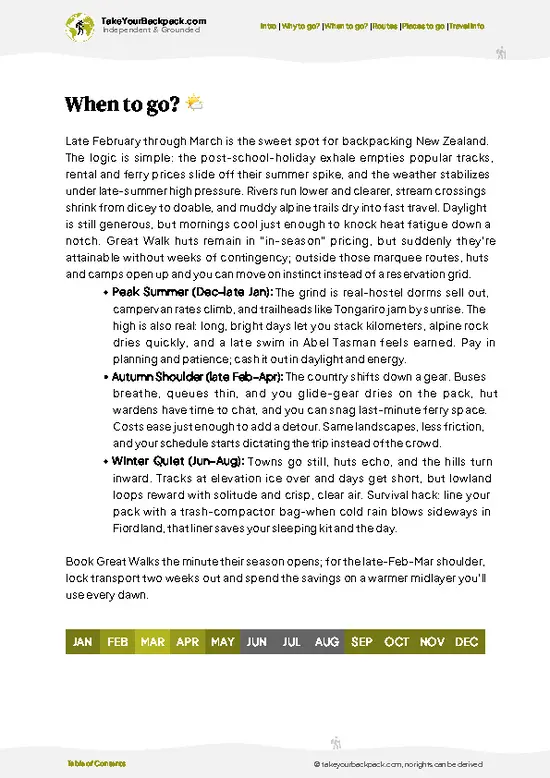
source: climatestotravel.comJANJanuary: highly recommended for travelingFEBFebruary: highly recommended for travelingMARMarch: excellent for travelingAPRApril: excellent for travelingMAYMay: highly recommended for travelingJUNJune: fair for travelingJULJuly: fair for travelingAUGAugust: fair for travelingSEPSeptember: highly recommended for travelingOCTOctober: excellent for travelingNOVNovember: highly recommended for travelingDECDecember: highly recommended for traveling
when-to-go

✈️ The backpacker research shortcutNew Zealand Travel Guide

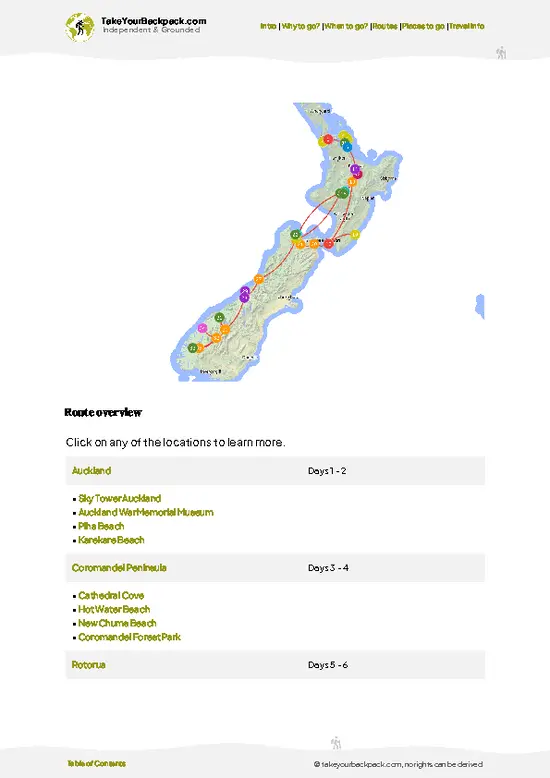
An offline-friendly backpacking guide with optimized travel routes, ranked highlights, transport advice, and the best areas to stay.
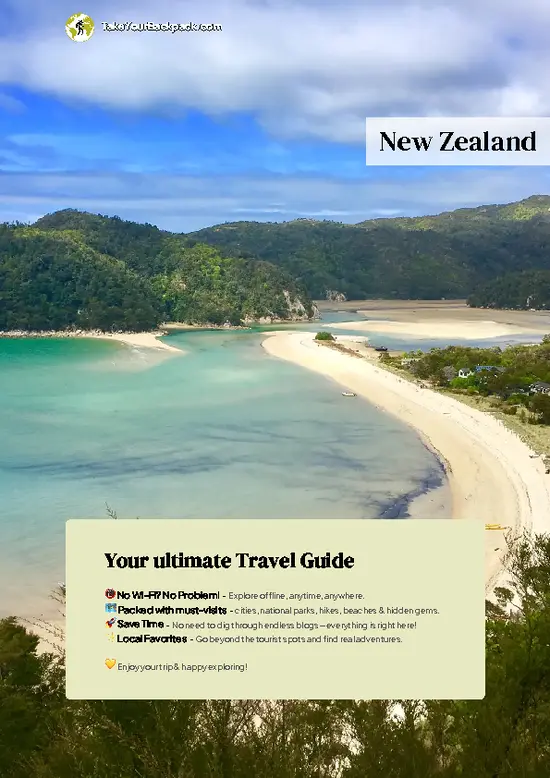
example page 0 from our offline Travel Guide for New Zealand
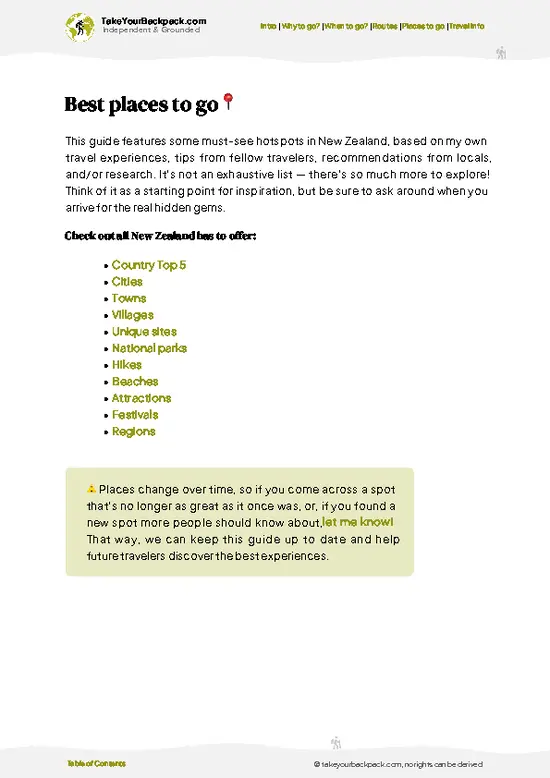
example page 1 from our offline Travel Guide for New Zealand
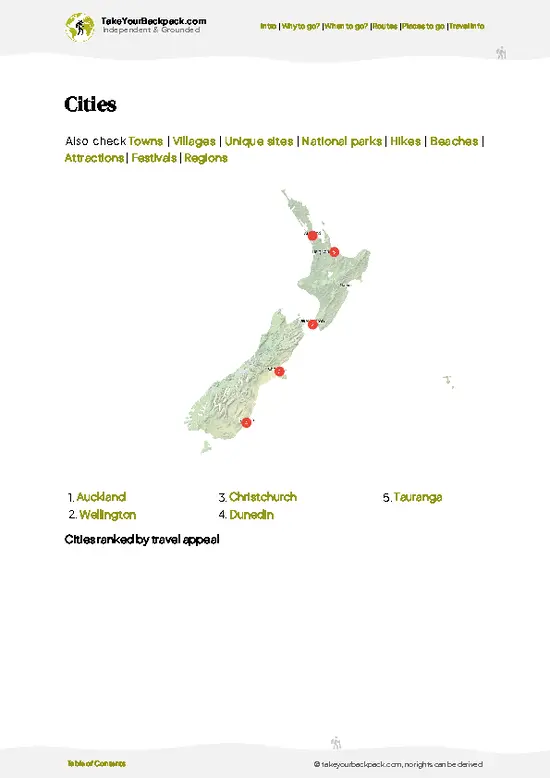
example page 2 from our offline Travel Guide for New Zealand
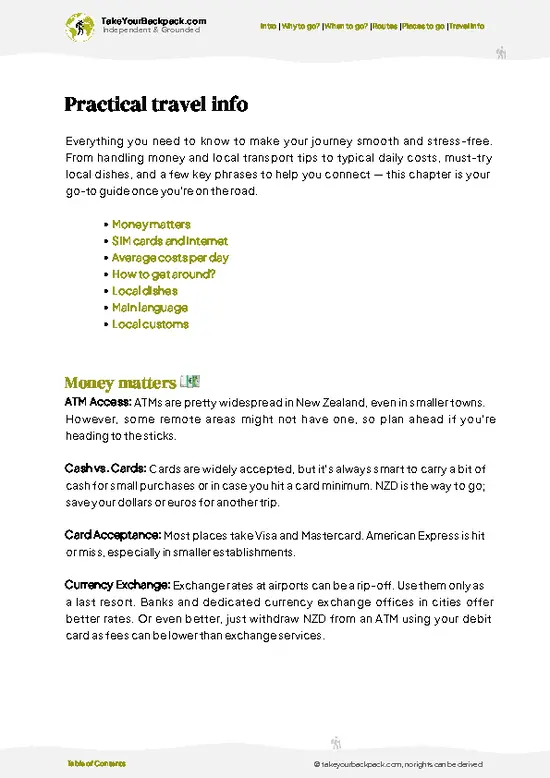
example page 3 from our offline Travel Guide for New Zealand
example page 4 from our offline Travel Guide for New Zealand
example page 5 from our offline Travel Guide for New Zealand
example page 6 from our offline Travel Guide for New Zealand
example page 7 from our offline Travel Guide for New Zealand
The digital guide (412 pages) contains:
113 highlights, ranked by travel appeal
Optimized 7, 14 & 21-day travel routes
Cities, national parks, landmarks, beaches
How to get around
Offline-friendly for travel without Wi-Fi
👉 Click to see all 30+ guide features

📅 Plan smarter in minutes, not weeks
Month by month travel advice
Festivals & national holidays
Budget expectations

🗺️ Go to the right places, skip the overrated ones
Honest pros & cons of destinations
Top hikes, parks & viewpoints
Lesser-known places most travelers miss
Clear “worth it vs skip it” guidance

🛏️ Travel smoothly without rookie mistakes
Best areas to stay
Transport systems explained simply
Common scams & safety advice
SIM cards, money & practical tips

🌍 Understand the country, not just visit it
Culture & traditions
Local customs
Festivals worth planning around
Traveler-friendly historical context
Insights that make places more meaningful

📱 Built for real travel conditions
Fully downloadable PDF
Works completely offline
Optimized for phone use
Useful in remote areas & buses
Everything in one place
Save weeks of stressful planning
Get instant access to your full guide. 30‑day money-back guarantee.


By proceeding you agree to our terms.
Sent to your inbox immediately after payment • 100% Secure Checkout
Best Backpacking Travel Advisor 2025 tourism awardBest Backpacking
Travel Advisor
2025
What others say about Take Your Backpack Guides:
⭐⭐⭐⭐⭐
Fantastic, amazing amount of information!
⭐⭐⭐⭐⭐
My goodness this is amazing, it's what I've been looking for hats off too you!
⭐⭐⭐⭐⭐
I think this is absolutely BRILLIANT
⭐⭐⭐⭐
Very complete and informative. It's still missing places, but I gotta to commend you
⭐⭐⭐⭐⭐
This is truly amazing, thank you, can't wait to explore it with my kids!
⭐⭐⭐⭐⭐
Awesome resource, thank you!
⭐⭐⭐⭐⭐
This is amazing! Can't wait to explore the ones I haven't seen
⭐⭐⭐⭐
I love this! Well done, great idea.
⭐⭐⭐⭐⭐
Thanks for taking the time to make this gem!
⭐⭐⭐⭐⭐
This might be the best website I've ever seen.
⭐⭐⭐⭐⭐
Congratulations, and thank you so much for your work; it's incredibly valuable.
⭐⭐⭐⭐
In all seriousness I think you did a great job pointing out the important spots
⭐⭐⭐⭐⭐
10/10 very good
⭐⭐⭐⭐⭐
As someone who's only just starting to visit regularly this is awesome, thank you.
⭐⭐⭐⭐
Thank you very much! I'm going to visit my dad, it's going to be very useful!
⭐⭐⭐⭐⭐
This is really cool! We'll be travelling for the first time and this definitely come in handy.
⭐⭐⭐⭐⭐
You are now our minister of culture, congratulations 👨‍💼
⭐⭐⭐⭐⭐
Just wanted to tell you that this is a pearl! Going to follow your recommendations.
⭐⭐⭐⭐⭐
This is so cool. I'll definitely be using the resource for my travels soon.
⭐⭐⭐⭐⭐
This is very impressive! Good work.
⭐⭐⭐⭐⭐
This is an amazing and informative site. Very well done!

🛏️ Where to stay?Where staying makes the most sense

Whanganui’s heart for backpackers beats strongest around the central city and the riverfront precinct. Staying close to the Whanganui River means waking up to the soft murmur of water and the scent of damp earth, a natural soundtrack that’s both grounding and energizing. This area is compact, safe, and buzzing with a mix of locals and travelers, making it easy to strike up conversations over a coffee or a craft beer. Hostels here tend to cluster near the main streets, offering budget-friendly beds without sacrificing access to cafes, markets, and bike rentals. Compared to the quieter suburbs, … read more 👉
Whanganui’s heart for backpackers beats strongest around the central city and the riverfront precinct. Staying close to the Whanganui River means waking up to the soft murmur of water and the scent of damp earth, a natural soundtrack that’s both grounding and energizing. This area is compact, safe, and buzzing with a mix of locals and travelers, making it easy to strike up conversations over a coffee or a craft beer. Hostels here tend to cluster near the main streets, offering budget-friendly beds without sacrificing access to cafes, markets, and bike rentals. Compared to the quieter suburbs, this zone pulses with social energy and practical convenience—perfect for solo travelers who want to plug into the town’s rhythm without losing their sense of ease.

🚌 Getting aroundHow to get around Whanganui

Whanganui moves at its own pace—less a strict timetable, more a gentle rhythm shaped by the river’s flow and the town’s laid-back vibe. The air carries a faint mix of fresh rain on leaves and the earthy scent of the nearby bush, grounding you in a place where time loosens its grip. Here, schedules exist but bend to local intuition; buses might not always arrive on the dot, and the best way to feel the town’s pulse is by stepping into its streets and letting your feet lead. This isn’t a place to rush but to sync with the subtle shifts of light and shadow on the historic buildings and riverbanks.


  • Walking: Whanganui’s compact center invites exploration on foot. The flat terrain and wide sidewalks make wandering between cafes, galleries, and the riverfront effortless, free, and the best way
read more 👉
Whanganui moves at its own pace—less a strict timetable, more a gentle rhythm shaped by the river’s flow and the town’s laid-back vibe. The air carries a faint mix of fresh rain on leaves and the earthy scent of the nearby bush, grounding you in a place where time loosens its grip. Here, schedules exist but bend to local intuition; buses might not always arrive on the dot, and the best way to feel the town’s pulse is by stepping into its streets and letting your feet lead. This isn’t a place to rush but to sync with the subtle shifts of light and shadow on the historic buildings and riverbanks.


  • Walking: Whanganui’s compact center invites exploration on foot. The flat terrain and wide sidewalks make wandering between cafes, galleries, and the riverfront effortless, free, and the best way to soak in the town’s character.

  • Local Bus Service: Operates roughly from 7:00 AM to 6:00 PM, with fares around NZD 2-3 per trip. It’s a slow but reliable option connecting key neighborhoods and attractions—perfect if you want to stretch your legs but avoid long walks.

  • Bike Rentals: Available at several spots downtown, costing about NZD 15-25 per day. Cycling lets you cover more ground quickly while still feeling the breeze and spotting hidden corners that cars miss.

  • Taxi Services: Readily available but pricier, expect fares starting around NZD 10 for short hops. Best reserved for late nights or when you’re hauling gear and time is tight.

  • Car Rentals: Ideal for venturing beyond Whanganui’s core to nearby natural sites. Prices start around NZD 50 per day, giving you freedom but requiring a bit more planning and budget.

👛 Costs (as of 22 February 2025)Typical daily expenses

Backpacking in Whanganui, New Zealand, offers a blend of small-town charm and access to natural beauty, but knowing the daily costs helps you plan without surprises.
  • Dorm Accommodation: Expect to pay around $25 to $40 USD per night for a bed in a hostel dorm. Whanganui’s hostels are modest but clean, often with a communal kitchen that saves you money on food.
  • Meals: Groceries for simple meals will run about $10 to $15 USD daily if you cook. Eating out at casual cafes or takeaway spots costs roughly $12 to $20 USD per meal. The town has a few solid bakeries and fish-and-chip shops where you can grab filling, budget-friendly bites.
  • Local Transport: Whanganui is compact enough to explore mostly on foot or by bike, which you can rent for about $15 to $25 USD per day. If you need a bus, single
read more 👉
Backpacking in Whanganui, New Zealand, offers a blend of small-town charm and access to natural beauty, but knowing the daily costs helps you plan without surprises.
  • Dorm Accommodation: Expect to pay around $25 to $40 USD per night for a bed in a hostel dorm. Whanganui’s hostels are modest but clean, often with a communal kitchen that saves you money on food.
  • Meals: Groceries for simple meals will run about $10 to $15 USD daily if you cook. Eating out at casual cafes or takeaway spots costs roughly $12 to $20 USD per meal. The town has a few solid bakeries and fish-and-chip shops where you can grab filling, budget-friendly bites.
  • Local Transport: Whanganui is compact enough to explore mostly on foot or by bike, which you can rent for about $15 to $25 USD per day. If you need a bus, single fares hover around $2 to $4 USD, but services are infrequent, so timing matters.
  • Basic Activities/Entry Fees: Many natural attractions like the Whanganui River and local parks are free or ask for a small donation ($0 to $5 USD). Museums and galleries typically charge $5 to $10 USD. Guided tours or river trips start around $50 USD but are optional splurges.
  • Miscellaneous Expenses: Budget $5 to $10 USD for essentials like bottled water, snacks, or occasional laundry. Wi-Fi is usually free at hostels and cafes, so no extra cost there.

All told, you’re looking at roughly $50 to $90 USD per day to cover the essentials without cutting corners. Whanganui’s slower pace means you won’t feel pressured to spend constantly, and the natural sights reward patience and simple pleasures. Walking along the riverbank at dawn, with the crisp air and soft light, costs nothing but stays with you.
⚠️ Prices can change and everyone travels differently, so take this as a rough guide. Hope it helps you plan your adventure!

🚌 Day tripsEasy escapes and nearby places

Whanganui is a fantastic launchpad for day trips that blend adventure with local culture. Here are some standout options that will make your backpacking experience truly memorable.

River Road Scenic Drive
This drive is a feast for the senses. As you wind along the Whanganui River, the lush greenery and dramatic cliffs create a stunning backdrop. It takes about 30 minutes to reach the start of the drive, and you can easily spend a few hours exploring the viewpoints. Pack a picnic; the riverside spots are perfect for a leisurely lunch. A budget traveler can do this for under $20, especially if you bring your own food. Spring and autumn offer the best weather, but summer’s warmth is inviting too. Many first-timers rush through without stopping—don’t make that mistake. Take your time to soak … read more 👉
Whanganui is a fantastic launchpad for day trips that blend adventure with local culture. Here are some standout options that will make your backpacking experience truly memorable.

River Road Scenic Drive
This drive is a feast for the senses. As you wind along the Whanganui River, the lush greenery and dramatic cliffs create a stunning backdrop. It takes about 30 minutes to reach the start of the drive, and you can easily spend a few hours exploring the viewpoints. Pack a picnic; the riverside spots are perfect for a leisurely lunch. A budget traveler can do this for under $20, especially if you bring your own food. Spring and autumn offer the best weather, but summer’s warmth is inviting too. Many first-timers rush through without stopping—don’t make that mistake. Take your time to soak it all in.


Kowhai Park
Just a short walk from the town center, Kowhai Park is a hidden treasure. This riverside park is filled with native trees and playful sculptures. It’s a great spot for a morning stroll or a lazy afternoon. You can easily spend a couple of hours here, and it’s free! Bring a book and enjoy the sounds of nature. The best time to visit is during the warmer months when the flowers bloom. A common mistake is to overlook this gem in favor of more touristy spots.


Mount Taranaki
A bit further afield, about an hour and a half drive, Mount Taranaki is worth every minute. The mountain’s symmetrical cone is breathtaking, and the surrounding park offers numerous hiking trails. Plan for a full day, as you’ll want to explore the lush landscapes and maybe even catch a glimpse of the local wildlife. Budget around $30 for gas and snacks. Late spring or early autumn is ideal for hiking, avoiding the winter chill. Many backpackers underestimate the weather—come prepared for sudden changes.
👉 Explore Mount Taranaki
Want to know what more New Zealand offers?
The New Zealand Travel Guide describes 113 highlights, from cities to national parks, from beaches to hikes

Get the Travel Guide -

🛡️ SafetyTraveler Safety Guide

Whanganui is generally safe, but a few simple habits can enhance your experience. Stay aware in crowded areas like the riverfront, where distractions can lead to minor annoyances. If you’re solo, stick to well-lit streets at night; the town has a friendly vibe, but it’s wise to trust your instincts. Keep your belongings close, especially in cafes or markets. Scams are rare, but be cautious of overly friendly strangers offering unsolicited help. A confident stride and a genuine smile go a long way in this welcoming community.

Other New Zealander towns near Whanganui

Explore more nearby:

  • Masterton—Wairarapa hub, family parks, sheep farming, annual balloon festival| 125 km away
  • New Plymouth—coastal walkway, surf beaches, Mount Taranaki views, public art| 127 km away
  • Taupo—lakefront, geothermal parks, trout fishing, adventure sports| 165 km away

💡 Not sure where to go next?
Create a personalized itinerary for New Zealand including Whanganui and the places that fit your trip.

Generate my itinerary

👉 Discover all towns

Or checkout all New Zealand has to offer (think cities, towns, villages, national parks, hikes, beaches, festivals)
Country photo of New Zealand

We 💚 feedbackSumming up the experience

Whanganui’s riverside charm is magnetic. The way the light dances on the water at sunset is pure magic. But be ready for the rain; it can be relentless. Pack a solid rain jacket, and you’ll be set to embrace the wild beauty that unfolds.

✈️ When did I visit New Zealand?
All the way back in high school I have been visiting the Northern Island of New Zealand (1993).

✍️ Help improve this page!
The information on this page is based on my own backpacking experience in New Zealand, supplemented with up-to-date research and feedback from other travelers. Travel details can change, so if you notice anything outdated or incomplete, feel free to let me know.


🙋‍♂️ Give feedback

👋 Meet the founderWho’s Behind Take Your Backpack?

Johan, backpacker and founder of TakeYourBackpackHi, I’m Johan (Netherlands 🇳🇱), the creator of TakeYourBackpack. Over the past decade, I’ve backpacked through 80+ countries across six continents, gaining extensive experience with independent travel, long-term trips, and overland routes.

This site is built on a combination of firsthand travel experience and carefully curated insights from other backpackers. Many guides are based on places I’ve personally visited, while others bring together tips, observations, and practical advice shared by trusted travelers I’ve met along the way.

The goal is to provide realistic, experience-driven guidance — not generic itineraries — so you can explore destinations with better context, clearer expectations, and more confidence.

Get full country guide •
Instant download • 113 highlights • Full Offline guide