×

Backpacking in Otago Museum
👀 For curious travelersattraction ranked #12
By Johan Kruseman 🇳🇱 | Updated May 31, 2026

A child’s shriek ricochets off the glass of a colossal moa skeleton, echoing through the Victorian halls as the scent of polished wood and old paper mixes with the faint tang of café coffee. You’re in Dunedin, deep in New Zealand’s South Island, standing inside Otago Museum—where the Instagram crowd expects a sleepy provincial display, but the reality is a kinetic, slightly chaotic celebration of science, Māori heritage, and the odd taxidermied kiwi. Here’s the truth: Otago Museum is not the Louvre, and it doesn’t try to be. It’s affordable (often free for main galleries), central, and packed with locals—school groups, university students, and the occasional backpacker dodging a rainstorm. Yes, it can get noisy, especially near the butterfly house, and the interactive science zone is a magnet for sticky hands. But if you want to actually touch, tinker, and get a sense of the region’s wild history—rather than just snap a filtered photo—this place delivers. It’s not adrenaline, it’s curiosity, and that’s a rare thrill in a country obsessed with bungee jumps.

Discover everything you want to know in the 📖 New Zealand Travel Guide.
Loading the map 🌍
CLICK TO FILTER
cities
towns
villages
landmarks
national parks
hikes
beaches
attractions
festivals
regions
SHOW COUNTRY’S BESTSHOW ALL

✨ Why go?
Ranked #12 attraction in New Zealand
What makes it a must-see attraction

Backpackers often breeze past the Otago Museum, assuming it’s just another dusty relic in New Zealand’s South Island lineup. Here’s the blunt truth: it’s not a flashy adrenaline rush or a wild party spot. But if you’re after something that punches way above its weight in cultural and historical value, this place is a must-stop. The Otago Museum isn’t just a building full of old stuff—it’s a deep dive into the region’s identity, from Maori heritage to natural history, all curated with a sharp eye for storytelling that doesn’t talk down to you.

Sure, it’s not the cheapest ticket in town, and yeah, the crowds can swell during peak season, but the payoff is real. You get to see artifacts and exhibits that connect you to New Zealand’s roots in a way that hiking a mountain or snapping a beach … read more 👉
Backpackers often breeze past the Otago Museum, assuming it’s just another dusty relic in New Zealand’s South Island lineup. Here’s the blunt truth: it’s not a flashy adrenaline rush or a wild party spot. But if you’re after something that punches way above its weight in cultural and historical value, this place is a must-stop. The Otago Museum isn’t just a building full of old stuff—it’s a deep dive into the region’s identity, from Maori heritage to natural history, all curated with a sharp eye for storytelling that doesn’t talk down to you.

Sure, it’s not the cheapest ticket in town, and yeah, the crowds can swell during peak season, but the payoff is real. You get to see artifacts and exhibits that connect you to New Zealand’s roots in a way that hiking a mountain or snapping a beach selfie can’t touch. It’s a milestone on the classic South Island route because it grounds you—reminds you why you’re here beyond the postcard views. If you want to understand the soul of Otago and why this part of the world feels so alive, the museum is where the story starts. No fluff, just the real deal.
Want to include Otago Museum in your New Zealand route?
Create a personalized New Zealand itinerary that includes Otago Museum and the places that fit your trip — based on your travel style, budget, and available time. Get your route in seconds.

Generate my trip

💡 HighlightsTop highlights of Otago Museum

Tūhura Science Centre
Forget the “kids’ zone” label—this is a hands-on science playground that’ll hook anyone with a pulse. The three-story slide is a rite of passage (yes, adults fit), but the real magic is in the interactive exhibits. You’ll find yourself racing your own shadow, playing with sound waves, and getting schooled by a tornado you can summon with your own hands. It’s not just for families; it’s for anyone who likes to poke, prod, and learn by doing. If you only have an hour, spend it here. This is my personal favorite—pure, unfiltered fun with a side of brain food.


Southern Land, Southern People Gallery
This isn’t your average “stuffed animal in a glass box” natural history display. The gallery is a deep dive into Otago’s wild landscapes and the people who’ve shaped them. You’ll … read more 👉
Tūhura Science Centre
Forget the “kids’ zone” label—this is a hands-on science playground that’ll hook anyone with a pulse. The three-story slide is a rite of passage (yes, adults fit), but the real magic is in the interactive exhibits. You’ll find yourself racing your own shadow, playing with sound waves, and getting schooled by a tornado you can summon with your own hands. It’s not just for families; it’s for anyone who likes to poke, prod, and learn by doing. If you only have an hour, spend it here. This is my personal favorite—pure, unfiltered fun with a side of brain food.


Southern Land, Southern People Gallery
This isn’t your average “stuffed animal in a glass box” natural history display. The gallery is a deep dive into Otago’s wild landscapes and the people who’ve shaped them. You’ll see moa bones, Māori artifacts, and a taxidermy albatross with a wingspan that’ll make you step back. The storytelling is sharp—no sugarcoating the hard edges of colonial history or the environmental challenges. It’s a crash course in what makes Otago tick, with enough local grit to keep it real.


Discovery World Tropical Forest
Step into a glasshouse that feels like a slice of the Amazon dropped into Dunedin. Hundreds of butterflies flit around you, landing on your hat, your arm, or your camera lens if you’re lucky. It’s humid, lush, and a little surreal—especially when you spot a butterfly emerging from its chrysalis. The staff are walking encyclopedias and will hand you a magnifying glass if you want to get up close with a stick insect. It’s not just pretty; it’s immersive, and you’ll walk out with a grin.


Pacific Cultures Gallery
This is where the museum ditches the “colonial trophy case” vibe and actually honors the depth of Pacific heritage. The collection is massive—canoes, ceremonial clubs, intricate tapa cloths—each with context that goes beyond a dusty label. You’ll get a sense of the journeys, the artistry, and the living cultures that connect New Zealand to the wider Pacific. It’s a rare museum space that feels alive, not just archived.


Animal Attic
It’s Victorian taxidermy at its weirdest and most wonderful. Think rows of glass cases packed with creatures that look like they escaped from a steampunk novel. Some are a little faded, some are downright bizarre (the two-headed sheep is a crowd-pleaser), and the whole attic creaks with old-school curiosity. It’s a time capsule that’s equal parts charming and creepy, and it’s a reminder that museums used to be about wonder, not just information.


Perpetual Guardian Planetarium
If you’re even slightly interested in space, this is a must. The shows are punchy, the visuals are crisp, and the staff know how to make black holes and supernovas feel like front-row entertainment. It’s not the biggest planetarium in the world, but it punches above its weight—especially on a rainy Dunedin afternoon when you need a break from reality.
Spotted a mistake or missing something? Contact us.

Things to do around Otago Museum

Ratings based on Tripadvisor reviews. When you book through this link, you support our work at no extra cost to you.

🌤️ When to go?Weather, crowds, and seasonal trade-offs


  • Weather: Otago Museum is in Dunedin, where the weather swings from chilly winters to mild summers. From June to August, expect temperatures around 5°C to 12°C (41°F to 54°F), often damp and grey. The best weather hits between November and March, with highs of 18°C to 22°C (64°F to 72°F), making it easier to explore both inside and out.

  • Temperature: If you’re sensitive to cold, avoid the winter months (June-August). Spring (September-November) and autumn (March-May) offer a sweet spot—cool but not freezing, perfect for wandering the museum and nearby outdoor spots without sweating or shivering.

  • Daylight Hours: Summer months (December-February) bring long days, with up to 15 hours of daylight. This means more time to combine your museum visit with other Dunedin adventures. Winter days
read more 👉

  • Weather: Otago Museum is in Dunedin, where the weather swings from chilly winters to mild summers. From June to August, expect temperatures around 5°C to 12°C (41°F to 54°F), often damp and grey. The best weather hits between November and March, with highs of 18°C to 22°C (64°F to 72°F), making it easier to explore both inside and out.

  • Temperature: If you’re sensitive to cold, avoid the winter months (June-August). Spring (September-November) and autumn (March-May) offer a sweet spot—cool but not freezing, perfect for wandering the museum and nearby outdoor spots without sweating or shivering.

  • Daylight Hours: Summer months (December-February) bring long days, with up to 15 hours of daylight. This means more time to combine your museum visit with other Dunedin adventures. Winter days shrink to about 8 hours, which can cramp your sightseeing plans.

  • Crowds: The museum is a local favorite, so weekends and school holidays (July and December-January) get busy. If you want to dodge the family groups and school trips, aim for weekdays in shoulder seasons like April or October.

  • Seasonal Activities: The museum hosts special exhibitions and events, often timed with school holidays or local festivals. Check their calendar if you want to catch something unique, but be ready for higher visitor numbers during these times.

  • Price Fluctuations: Entry is generally affordable and stable year-round, but some special exhibitions may have extra fees. Visiting off-peak can sometimes mean discounted or combo tickets, so keep an eye out if budget is tight.


Pro-tip: Visit in late spring or early autumn on a weekday morning—cool enough to enjoy indoor exhibits, light crowds, and enough daylight to explore Dunedin’s other charms without the tourist crush.


source: climatestotravel.comJANJanuary: highly recommended for travelingFEBFebruary: highly recommended for travelingMARMarch: highly recommended for travelingAPRApril: highly recommended for travelingMAYMay: highly recommended for travelingJUNJune: fair for travelingJULJuly: fair for travelingAUGAugust: fair for travelingSEPSeptember: highly recommended for travelingOCTOctober: highly recommended for travelingNOVNovember: highly recommended for travelingDECDecember: good for traveling
when-to-go

✈️ The backpacker research shortcutNew Zealand Travel Guide

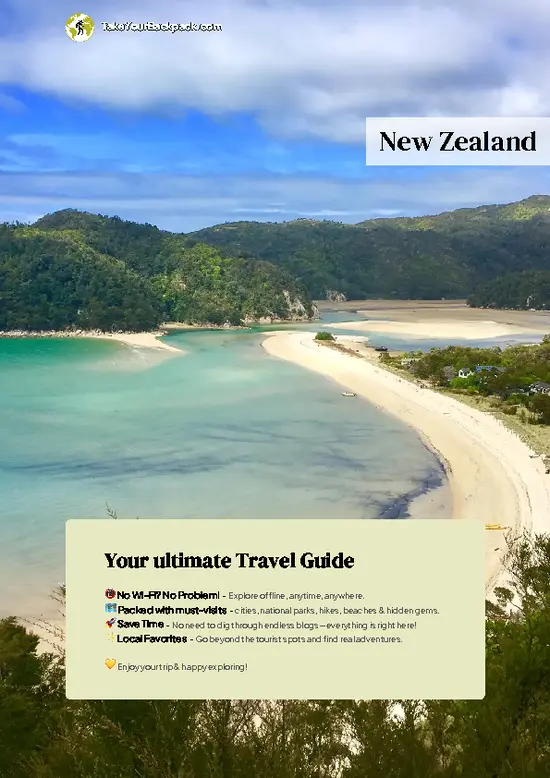
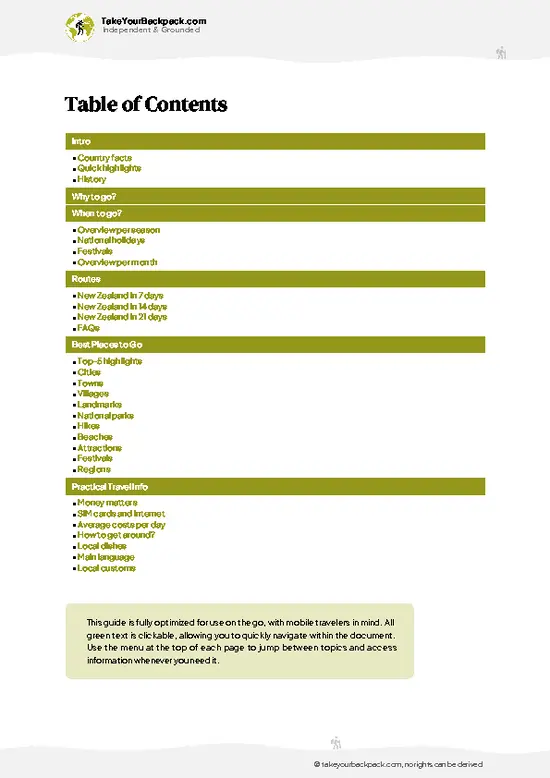
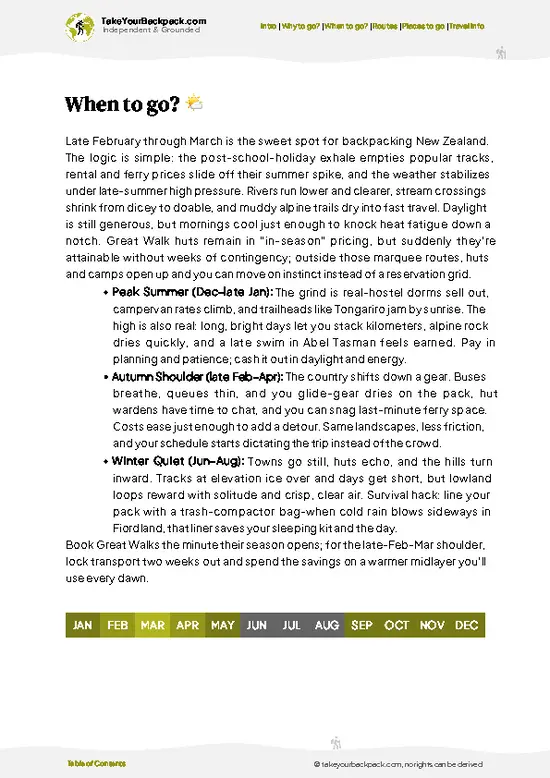
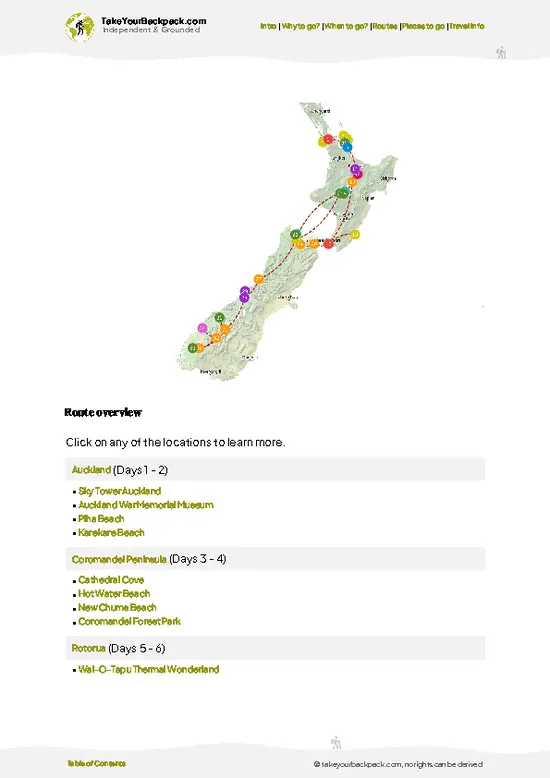
An offline-friendly backpacking guide with optimized travel routes, ranked highlights, transport advice, and the best areas to stay.
example page 0 from our offline Travel Guide for New Zealand
example page 1 from our offline Travel Guide for New Zealand
example page 2 from our offline Travel Guide for New Zealand
example page 3 from our offline Travel Guide for New Zealand
example page 4 from our offline Travel Guide for New Zealand
example page 5 from our offline Travel Guide for New Zealand
example page 6 from our offline Travel Guide for New Zealand
example page 7 from our offline Travel Guide for New Zealand
The digital guide (412 pages) contains:
113 highlights, ranked by travel appeal
Optimized 7, 14 & 21-day travel routes
Cities, national parks, landmarks, beaches
How to get around
Offline-friendly for travel without Wi-Fi
👉 Click to see all 30+ guide features

📅 Plan smarter in minutes, not weeks
Month by month travel advice
Festivals & national holidays
Budget expectations

🗺️ Go to the right places, skip the overrated ones
Honest pros & cons of destinations
Top hikes, parks & viewpoints
Lesser-known places most travelers miss
Clear “worth it vs skip it” guidance

🛏️ Travel smoothly without rookie mistakes
Best areas to stay
Transport systems explained simply
Common scams & safety advice
SIM cards, money & practical tips

🌍 Understand the country, not just visit it
Culture & traditions
Local customs
Festivals worth planning around
Traveler-friendly historical context
Insights that make places more meaningful

📱 Built for real travel conditions
Fully downloadable PDF
Works completely offline
Optimized for phone use
Useful in remote areas & buses
Everything in one place
Save weeks of stressful planning
Get instant access to your full guide. 30‑day money-back guarantee.


By proceeding you agree to our terms.
Sent to your inbox immediately after payment • 100% Secure Checkout
Best Backpacking Travel Advisor 2025 tourism awardBest Backpacking
Travel Advisor
2025
What others say about Take Your Backpack Guides:
⭐⭐⭐⭐⭐
Fantastic, amazing amount of information!
⭐⭐⭐⭐⭐
My goodness this is amazing, it's what I've been looking for hats off too you!
⭐⭐⭐⭐⭐
I think this is absolutely BRILLIANT
⭐⭐⭐⭐
Very complete and informative. It's still missing places, but I gotta to commend you
⭐⭐⭐⭐⭐
This is truly amazing, thank you, can't wait to explore it with my kids!
⭐⭐⭐⭐⭐
Awesome resource, thank you!
⭐⭐⭐⭐⭐
This is amazing! Can't wait to explore the ones I haven't seen
⭐⭐⭐⭐
I love this! Well done, great idea.
⭐⭐⭐⭐⭐
Thanks for taking the time to make this gem!
⭐⭐⭐⭐⭐
This might be the best website I've ever seen.
⭐⭐⭐⭐⭐
Congratulations, and thank you so much for your work; it's incredibly valuable.
⭐⭐⭐⭐
In all seriousness I think you did a great job pointing out the important spots
⭐⭐⭐⭐⭐
10/10 very good
⭐⭐⭐⭐⭐
As someone who's only just starting to visit regularly this is awesome, thank you.
⭐⭐⭐⭐
Thank you very much! I'm going to visit my dad, it's going to be very useful!
⭐⭐⭐⭐⭐
This is really cool! We'll be travelling for the first time and this definitely come in handy.
⭐⭐⭐⭐⭐
You are now our minister of culture, congratulations 👨‍💼
⭐⭐⭐⭐⭐
Just wanted to tell you that this is a pearl! Going to follow your recommendations.
⭐⭐⭐⭐⭐
This is so cool. I'll definitely be using the resource for my travels soon.
⭐⭐⭐⭐⭐
This is very impressive! Good work.
⭐⭐⭐⭐⭐
This is an amazing and informative site. Very well done!

🛏️ Where to stay?Choosing the right base

Staying near the ’Otago Museum’ means you’re in the heart of Dunedin’s cultural pulse, but don’t expect a quiet retreat. The area buzzes with university students and locals, which means it’s lively and safe, but also a bit noisy at times. For backpackers, the best spots are just a short walk away in the city center and the nearby student-heavy neighborhoods. These areas are where you’ll find the real social scene—cafes, bars, and communal spaces where solo travelers naturally connect. It’s not about polished luxury; it’s about gritty charm and authentic Kiwi vibes. You’ll pay a bit more than in … read more 👉
Staying near the ’Otago Museum’ means you’re in the heart of Dunedin’s cultural pulse, but don’t expect a quiet retreat. The area buzzes with university students and locals, which means it’s lively and safe, but also a bit noisy at times. For backpackers, the best spots are just a short walk away in the city center and the nearby student-heavy neighborhoods. These areas are where you’ll find the real social scene—cafes, bars, and communal spaces where solo travelers naturally connect. It’s not about polished luxury; it’s about gritty charm and authentic Kiwi vibes. You’ll pay a bit more than in the outskirts, but the trade-off is worth it: you’re close to the museum, the botanical gardens, and the pulse of Dunedin’s nightlife. Skip the tourist traps and dive into the local rhythm here—this is where you’ll meet people who make your trip memorable, not just your Instagram feed.

👛 Costs (as of 19 February 2025)Typical daily expenses

As of the most recent estimates, entry to the Tūhura Otago Community Trust Science Centre and the Perpetual Guardian Planetarium is NZD20 for adults, NZD13 for under 18s, and NZD35 for the All Access Pass, which includes all galleries and experiences. Additional experiences, such as the Hidden Tūhura Otago Museum Experience, are available for NZD15 per person.

source: otagomuseum.nz
⚠️ Prices can change and everyone travels differently, so take this as a rough guide. Hope it helps you plan your adventure!

Other New Zealander attractions near Otago Museum

Explore more nearby:


💡 Not sure where to go next?
Create a personalized itinerary for New Zealand including Otago Museum and the places that fit your trip.

Generate my itinerary

👉 Discover all attractions

Or checkout all New Zealand has to offer (think cities, towns, villages, national parks, hikes, beaches, festivals)
Country photo of New Zealand

We 💚 feedbackIs it worth it?

The Otago Museum isn’t some flashy tourist magnet, and that’s exactly why it’s worth your time. It’s a deep dive into New Zealand’s natural and cultural layers without the usual crowds elbowing you out of the way. But heads up: the exhibits can feel a bit dated, and if you’re expecting high-tech wow-factor, you’ll be underwhelmed. Still, if you want a genuine, thoughtful look at the region’s story, this place quietly delivers.

✈️ When did I visit New Zealand?
All the way back in high school I have been visiting the Northern Island of New Zealand (1993).

✍️ Help improve this page!
The information on this page is based on my own backpacking experience in New Zealand, supplemented with up-to-date research and feedback from other travelers. Travel details can change, so if you notice anything outdated or incomplete, feel free to let me know.


🙋‍♂️ Give feedback

👋 Meet the founderWho’s Behind Take Your Backpack?

Johan, backpacker and founder of TakeYourBackpackHi, I’m Johan (Netherlands 🇳🇱), the creator of TakeYourBackpack. Over the past decade, I’ve backpacked through 80+ countries across six continents, gaining extensive experience with independent travel, long-term trips, and overland routes.

This site is built on a combination of firsthand travel experience and carefully curated insights from other backpackers. Many guides are based on places I’ve personally visited, while others bring together tips, observations, and practical advice shared by trusted travelers I’ve met along the way.

The goal is to provide realistic, experience-driven guidance — not generic itineraries — so you can explore destinations with better context, clearer expectations, and more confidence.

Get full country guide •
Instant download • 113 highlights • Full Offline guide