



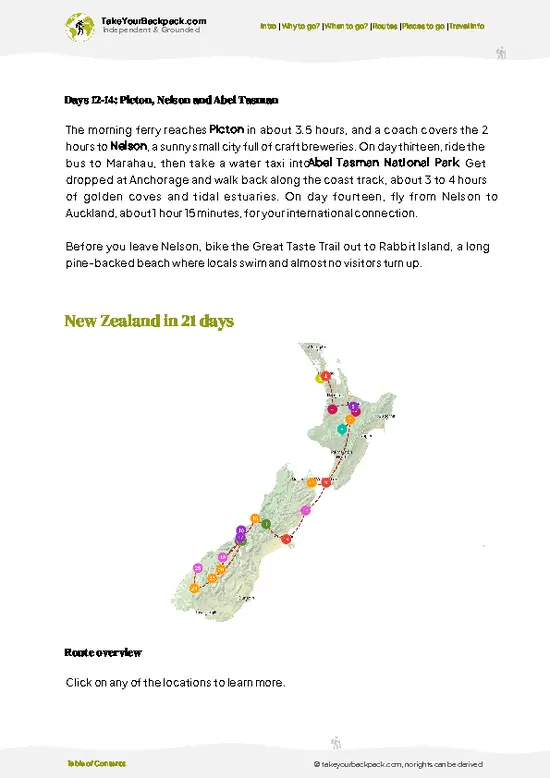

The Victorian Gothic Architecture
Let’s get real: most people snap a photo of the Canterbury Museum’s ornate stonework and move on, but the building itself is a living artifact. This isn’t some sterile, modern box—it’s a 19th-century Gothic Revival fortress that looks like it should be haunted by a scholarly ghost or two. The details are sharp, the atmosphere is moody, and the sense of history is thick enough to taste. If you’re the type who gets goosebumps from old stone and creaking floors, linger here. The bones of the place are as compelling as anything inside.
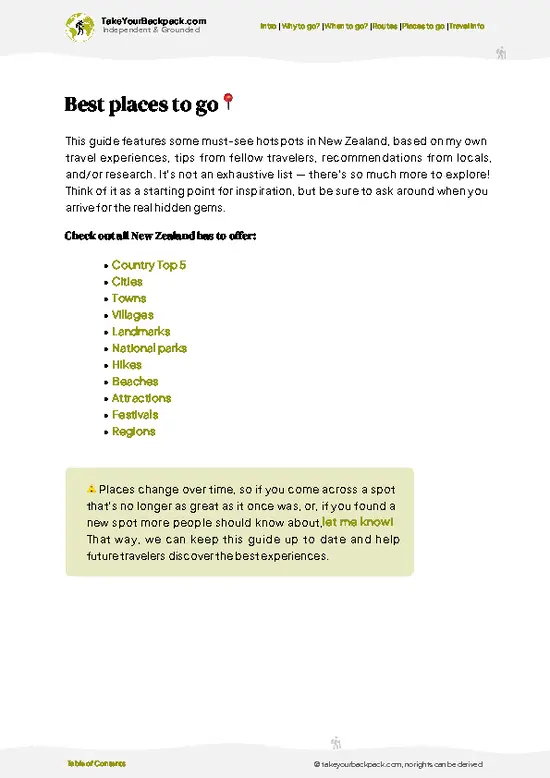
The Paua Shell House
Forget the polished Instagram shots of endless paua (abalone) shells—this is kitsch at its most glorious. The museum painstakingly recreated the living room of Fred and Myrtle Flutey, a couple who spent decades … read more 👉
Let’s get real: most people snap a photo of the Canterbury Museum’s ornate stonework and move on, but the building itself is a living artifact. This isn’t some sterile, modern box—it’s a 19th-century Gothic Revival fortress that looks like it should be haunted by a scholarly ghost or two. The details are sharp, the atmosphere is moody, and the sense of history is thick enough to taste. If you’re the type who gets goosebumps from old stone and creaking floors, linger here. The bones of the place are as compelling as anything inside.
The Paua Shell House
Forget the polished Instagram shots of endless paua (abalone) shells—this is kitsch at its most glorious. The museum painstakingly recreated the living room of Fred and Myrtle Flutey, a couple who spent decades … read more 👉
The Victorian Gothic Architecture
Let’s get real: most people snap a photo of the Canterbury Museum’s ornate stonework and move on, but the building itself is a living artifact. This isn’t some sterile, modern box—it’s a 19th-century Gothic Revival fortress that looks like it should be haunted by a scholarly ghost or two. The details are sharp, the atmosphere is moody, and the sense of history is thick enough to taste. If you’re the type who gets goosebumps from old stone and creaking floors, linger here. The bones of the place are as compelling as anything inside.
The Paua Shell House
Forget the polished Instagram shots of endless paua (abalone) shells—this is kitsch at its most glorious. The museum painstakingly recreated the living room of Fred and Myrtle Flutey, a couple who spent decades gluing thousands of iridescent shells to every surface of their Bluff home. It’s not elegant, it’s not subtle, and that’s exactly the point. This is New Zealand eccentricity in its purest form, a shrine to obsession and hospitality. You’ll leave grinning, and maybe a little inspired to start your own questionable home décor project.
The Antarctic Gallery
Here’s where the museum earns its stripes. Christchurch is the gateway to Antarctica, and this gallery doesn’t just show you a few penguin photos. You get battered sledges, frostbitten gear, and the kind of first-person expedition stories that make your toes curl. The Scott and Shackleton era comes alive in a way that’s raw and immediate—no filter, no sugarcoating. If you want to feel the bite of polar wind without losing a finger, this is your spot. (Personal favorite—nothing beats the real grit of Antarctic survival.)
The Māori Galleries
Skip the generic “cultural corner” you find in lesser museums. Canterbury Museum’s Māori collections are dense, detailed, and respectfully curated. You’ll see intricately carved waka (canoes), taonga (treasures), and everyday objects that tell the story of Aotearoa before and after colonization. The displays don’t shy away from hard truths, and the craftsmanship on show is world-class. If you want to understand the real roots of New Zealand, this is your crash course—no sugarcoating, no tourist gloss.
The Christchurch Street
This isn’t your average diorama. The museum’s recreation of a 19th-century Christchurch street is immersive, right down to the cobblestones and shopfronts. It’s not about nostalgia—it’s about stepping into the shoes of early settlers and seeing how the city grew from muddy paddocks to a bustling hub. Kids love it, adults get a kick out of the details, and everyone leaves with a sharper sense of place. It’s history you can walk through, not just read about.
Let’s get real: most people snap a photo of the Canterbury Museum’s ornate stonework and move on, but the building itself is a living artifact. This isn’t some sterile, modern box—it’s a 19th-century Gothic Revival fortress that looks like it should be haunted by a scholarly ghost or two. The details are sharp, the atmosphere is moody, and the sense of history is thick enough to taste. If you’re the type who gets goosebumps from old stone and creaking floors, linger here. The bones of the place are as compelling as anything inside.
The Paua Shell House
Forget the polished Instagram shots of endless paua (abalone) shells—this is kitsch at its most glorious. The museum painstakingly recreated the living room of Fred and Myrtle Flutey, a couple who spent decades gluing thousands of iridescent shells to every surface of their Bluff home. It’s not elegant, it’s not subtle, and that’s exactly the point. This is New Zealand eccentricity in its purest form, a shrine to obsession and hospitality. You’ll leave grinning, and maybe a little inspired to start your own questionable home décor project.
The Antarctic Gallery
Here’s where the museum earns its stripes. Christchurch is the gateway to Antarctica, and this gallery doesn’t just show you a few penguin photos. You get battered sledges, frostbitten gear, and the kind of first-person expedition stories that make your toes curl. The Scott and Shackleton era comes alive in a way that’s raw and immediate—no filter, no sugarcoating. If you want to feel the bite of polar wind without losing a finger, this is your spot. (Personal favorite—nothing beats the real grit of Antarctic survival.)
The Māori Galleries
Skip the generic “cultural corner” you find in lesser museums. Canterbury Museum’s Māori collections are dense, detailed, and respectfully curated. You’ll see intricately carved waka (canoes), taonga (treasures), and everyday objects that tell the story of Aotearoa before and after colonization. The displays don’t shy away from hard truths, and the craftsmanship on show is world-class. If you want to understand the real roots of New Zealand, this is your crash course—no sugarcoating, no tourist gloss.
The Christchurch Street
This isn’t your average diorama. The museum’s recreation of a 19th-century Christchurch street is immersive, right down to the cobblestones and shopfronts. It’s not about nostalgia—it’s about stepping into the shoes of early settlers and seeing how the city grew from muddy paddocks to a bustling hub. Kids love it, adults get a kick out of the details, and everyone leaves with a sharper sense of place. It’s history you can walk through, not just read about.
Spotted a mistake or missing something? Contact us.
v2.webp)


Best Backpacking
Hi, I’m Johan (Netherlands 🇳🇱), the creator of TakeYourBackpack. Over the past decade, I’ve backpacked through 80+ countries across six continents, gaining extensive experience with independent travel, long-term trips, and overland routes.