×

New Zealand🇳🇿 | best attractionsExplore the 10 Best attractions in New Zealand

New Zealand’s best attractions are defined by a unique interplay of geography, climate, and cultural heritage that shapes every backpacker’s journey. The country’s split between the North and South Islands creates distinct travel ecosystems: the North offers geothermal wonders and vibrant Maori culture, while the South delivers alpine adventures and fjord landscapes. Understanding this regional divide is crucial for independent travelers aiming to optimize their itinerary based on seasonality—summer favors hiking and coastal exploration, whereas winter unlocks ski fields and quieter trails. Budget and safety also hinge on location; urban centers like Auckland provide reliable infrastructure but come with higher costs, while remote areas demand more planning but reward with solitude and authentic encounters. Choosing the right attraction in New Zealand isn’t just about ticking off landmarks; it’s about aligning your travel style with local rhythms, ensuring smoother logistics, richer cultural immersion, and a vibe that matches your pace—whether you’re chasing adrenaline or seeking reflective calm.

By Johan Kruseman 🇳🇱 | Updated June 5, 2026
Explore the best festivals in New Zealand

Why go?Why Travelers Love These Spots

New Zealand’s attractions stand apart because they are deeply intertwined with its distinctive geography and cultural heritage, creating a travel experience that demands both strategic planning and an appreciation for trade-offs. The country’s compact size belies the vast diversity packed into its landscapes—from fjords carved by glaciers to geothermal fields shaped by volcanic activity. This means travelers face a constant balancing act between travel time and depth of exploration. Unlike sprawling countries where long distances dilute the intensity of each stop, New Zealand’s relatively short travel legs allow for immersive experiences, but only if one accepts the reality of winding roads and variable weather that can slow progress.

The cultural fabric here is another defining factor. The … read more 👉
New Zealand’s attractions stand apart because they are deeply intertwined with its distinctive geography and cultural heritage, creating a travel experience that demands both strategic planning and an appreciation for trade-offs. The country’s compact size belies the vast diversity packed into its landscapes—from fjords carved by glaciers to geothermal fields shaped by volcanic activity. This means travelers face a constant balancing act between travel time and depth of exploration. Unlike sprawling countries where long distances dilute the intensity of each stop, New Zealand’s relatively short travel legs allow for immersive experiences, but only if one accepts the reality of winding roads and variable weather that can slow progress.

The cultural fabric here is another defining factor. The strong presence of Māori heritage is not just a backdrop but a living, evolving narrative that colors many attractions. This cultural integration demands a respectful approach and often involves guided experiences that add layers of meaning but require time and sometimes advance booking. The payoff is a richer understanding, but it’s a trade-off against spontaneous, unstructured travel.

Climatically, New Zealand’s position in the Southern Hemisphere means seasons are reversed from much of the Northern Hemisphere, and the weather can shift rapidly, especially in mountainous regions. This variability influences when and how certain attractions can be accessed safely and enjoyably. Infrastructure is generally well-developed but tailored to the country’s rugged terrain, so while major routes are reliable, venturing off the beaten path often means slower travel and fewer amenities. This creates a tension between accessibility and immersive wilderness experiences.

Ultimately, New Zealand’s attractions matter because they offer a tightly woven system where geography, culture, and infrastructure interact dynamically. Understanding these connections allows travelers to optimize their itinerary, choosing when to prioritize convenience and when to embrace the slower rhythms of exploration that reveal the country’s true character.
Our Approach to Ranking
The list of best attractions in New Zealand is created based on cultural significance or entertainment value. If you feel a attraction is missing in this list, please let us know.

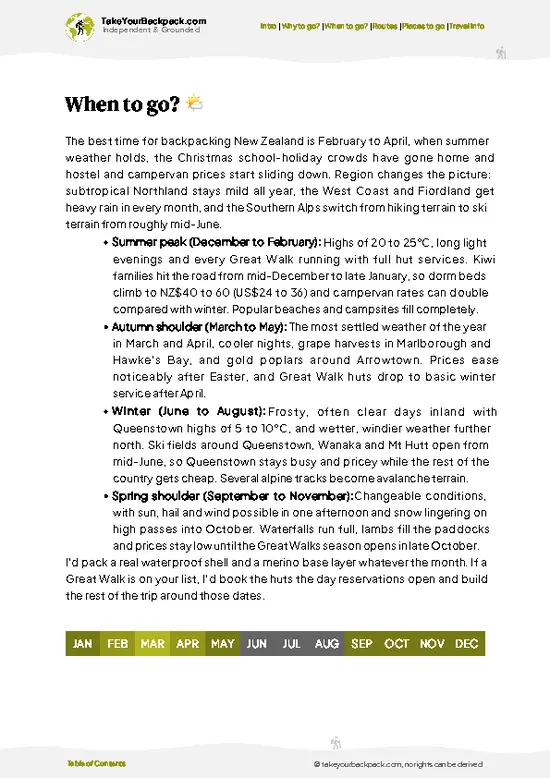
When to go?Best Time to Visit New Zealand for attractions

Understanding New Zealand’s Seasonal Rhythm for Attractions


New Zealand’s appeal hinges on its distinct seasonal shifts, each shaping the accessibility and experience of its attractions. The country’s temperate maritime climate means summers are warm and dry, while winters bring cooler temperatures and increased rainfall, especially in the west. This pattern dictates when certain activities and sights are at their best or most challenging.

Summer months offer the most reliable weather for outdoor pursuits—think long daylight hours and minimal rain. This is when hiking trails, wildlife encounters, and water-based activities operate at full throttle. However, this peak season also means higher visitor numbers and inflated prices. The trade-off is clear: you gain optimal conditions but lose … read more 👉

Understanding New Zealand’s Seasonal Rhythm for Attractions


New Zealand’s appeal hinges on its distinct seasonal shifts, each shaping the accessibility and experience of its attractions. The country’s temperate maritime climate means summers are warm and dry, while winters bring cooler temperatures and increased rainfall, especially in the west. This pattern dictates when certain activities and sights are at their best or most challenging.

Summer months offer the most reliable weather for outdoor pursuits—think long daylight hours and minimal rain. This is when hiking trails, wildlife encounters, and water-based activities operate at full throttle. However, this peak season also means higher visitor numbers and inflated prices. The trade-off is clear: you gain optimal conditions but lose some solitude and budget flexibility.

Shoulder seasons—spring and autumn—present a strategic alternative. These periods often deliver mild weather with fewer crowds and more reasonable costs. Yet, the weather can be less predictable, with occasional rain and cooler days, which might limit some outdoor plans. Still, the shoulder seasons reward travelers who adapt with a quieter, more intimate experience of the landscape.

Winter introduces a different dynamic. While many outdoor attractions slow down or close due to snow and cold, this season unlocks unique opportunities like alpine sports and thermal hot springs. The reduced tourist flow means better deals and less competition for accommodations, but the colder, wetter conditions require careful planning and flexibility.

Understanding these seasonal patterns transforms trip planning from guesswork into a tactical game. Aligning your visit with the right season for your preferred activities maximizes enjoyment and minimizes frustration. Whether chasing sunlit trails or winter serenity, the key is balancing weather, crowd levels, and costs to suit your priorities.

attraction hoppingTips for Visiting Multiple Destinations

Understanding New Zealand’s Geographic Flow

New Zealand’s attractions naturally cluster into two main islands, each with distinct landscapes and experiences. The key to combining them efficiently is to respect this division and plan your route to minimize backtracking. Start by focusing on one island at a time—either the North or South—before crossing over. This approach reduces wasted travel time and lets you dive deeper into each region’s character. The ferry between islands is not just a connector but a natural breakpoint for resetting your itinerary.

Regional Clusters and Logical Sequencing

Within each island, attractions group into logical clusters—coastal towns, mountain ranges, geothermal zones, and wine regions. Tackling these clusters sequentially, moving from one to the next in … read more 👉

Understanding New Zealand’s Geographic Flow

New Zealand’s attractions naturally cluster into two main islands, each with distinct landscapes and experiences. The key to combining them efficiently is to respect this division and plan your route to minimize backtracking. Start by focusing on one island at a time—either the North or South—before crossing over. This approach reduces wasted travel time and lets you dive deeper into each region’s character. The ferry between islands is not just a connector but a natural breakpoint for resetting your itinerary.

Regional Clusters and Logical Sequencing

Within each island, attractions group into logical clusters—coastal towns, mountain ranges, geothermal zones, and wine regions. Tackling these clusters sequentially, moving from one to the next in a roughly circular or linear path, keeps travel efficient. For example, moving clockwise or counterclockwise around a region prevents zigzagging across the map. This sequencing also helps maintain momentum, allowing you to build from easier, accessible stops to more remote or physically demanding ones.

Balancing Time and Experience Depth

A common mistake is underestimating the time needed per stop. Iconic sights often require more than a quick photo; factor in hiking, local tours, or cultural experiences. Allocate at least a half-day for major attractions and a full day for immersive activities like glacier walks or multi-hour boat cruises. Rushing through too many stops dilutes the experience and adds travel fatigue. Prioritize quality over quantity by grouping fewer attractions with enough time to savor them.

Trade-offs: Speed, Budget, and Comfort

Faster travel means less time on the ground but higher transport costs and less flexibility. Slower pacing allows for spontaneous detours and rest but demands more days and potentially higher accommodation expenses. Budget travelers might sacrifice comfort for longer bus rides or shared transport, while those valuing comfort should plan fewer stops with reliable car rentals or flights. Recognize your priorities early to tailor the itinerary’s rhythm accordingly.

Flexibility and Contingency Planning

New Zealand’s weather can shift rapidly, impacting outdoor plans. Build buffer days or flexible segments into your route to accommodate changes without scrambling. Avoid rigid, packed schedules that leave no room for delays or unexpected discoveries. Strategic planning means knowing when to push forward and when to pause, turning logistical constraints into opportunities for richer experiences.

The ListMust-Visit attractions in New Zealand

1 Hobbiton Movie Set

film set, hobbit holes, rural Matamata hills

Step into a meticulously preserved film location where movie architecture and lush farmland transport visitors to Middle-earth.

new-zealand-attraction-hobbiton-movie-set
© Google |

2 Waitomo Glowworm Caves Visitor Experience

limestone caverns, glowworm ceilings, underground boat ride

Glide beneath bioluminescent displays in subterranean chambers carved by water over millennia, guided by local experts.

new-zealand-attraction-waitomo-glowworm-caves-visitor-experience v1
© Google |

3 Wai-O-Tapu Thermal Wonderland

geothermal pools, colorful terraces, erupting geysers

Walk boardwalks past steaming vents, mineral-rich lakes, and active geothermal features shaped by volcanic forces.

new-zealand-attraction-wai-o-tapu-thermal-wonderland
© Google |

4 Aoraki Mackenzie International Dark Sky Reserve Stargazing Exper

alpine night skies, Milky Way views, telescope sessions

Witness constellations and celestial phenomena in a remote alpine setting where minimal light pollution reveals the southern hemisphere’s astronomical features.

new-zealand-attraction-aoraki-mackenzie-international-dark-sky-reserve-stargazing-exper v1
© Google |

5 Museum of New Zealand Te Papa Tongarewa

interactive displays, Māori treasures, waterfront location

Engage with national stories, innovative installations, and cultural artifacts in a museum designed for exploration and learning.

New Zealand - Museum of New Zealand Te Papa Tongarewa

6 Zealandia Te Māra a Tāne

urban eco-sanctuary, native birdlife, predator-proof fence

Walk forested trails in a protected valley where rare species thrive, offering a glimpse of pre-human New Zealand ecosystems.

new-zealand-attraction-zealandia-te-mara-a-tane
© Google |

7 Sky Tower Auckland

observation decks, city panoramas, glass floors

Ascend to elevated viewing platforms for sweeping urban and coastal vistas, with options for dining or adventure activities.

new-zealand-attraction-sky-tower-auckland
© Google |

8 Auckland War Memorial Museum

natural history, Pacific collections, war memorial

Discover New Zealand’s geological origins, cultural heritage, and military history through immersive displays and significant taonga.

new-zealand-attraction-auckland-war-memorial-museum
© Google |

9 International Antarctic Centre

ice encounters, penguin habitat, Antarctic vehicles

Experience simulated polar conditions, interact with rescued wildlife, and learn about Antarctic expeditions through hands-on exhibits.

new-zealand-attraction-international-antarctic-centre v1
© Google |

11 Canterbury Museum

Victorian halls, Antarctic relics, regional stories

Encounter artifacts from early exploration, local wildlife, and Christchurch’s evolving identity in a historic museum setting.

12 Otago Museum

science centre, Pacific cultures, natural history

Investigate hands-on science, regional biodiversity, and global connections in a museum that highlights Otago’s unique environment.

13 Rainbow’s End Theme Park

roller coasters, family rides, amusement zones

Ride a variety of attractions suited to all ages, from high-adrenaline coasters to interactive play areas and themed zones.

Think you know New Zealand?

Prove you’re a true local — uncover 3 lesser-known attractions in New Zealand that locals tend to keep to themselves.
Loading the map 🌍

Expert viewWhat You Should Know

Balancing Ambition and Reality in Attraction Selection

New Zealand’s compact size invites the temptation to cram every attraction into a single trip. Resist this urge. The country’s charm lies in its diversity—coastal vistas, alpine peaks, geothermal wonders, and cultural experiences spread unevenly across regions. Trying to cover too many attractions dilutes the experience and inflates costs. A practical approach is to target a handful of key attractions—three to five is a sweet spot for most trips. This range allows you to immerse yourself without feeling rushed or financially stretched. Each attraction demands a different investment of time and energy; some require half a day, others a full day or more, especially if travel time is factored in. Prioritize based on your interests but also … read more 👉

Balancing Ambition and Reality in Attraction Selection

New Zealand’s compact size invites the temptation to cram every attraction into a single trip. Resist this urge. The country’s charm lies in its diversity—coastal vistas, alpine peaks, geothermal wonders, and cultural experiences spread unevenly across regions. Trying to cover too many attractions dilutes the experience and inflates costs. A practical approach is to target a handful of key attractions—three to five is a sweet spot for most trips. This range allows you to immerse yourself without feeling rushed or financially stretched. Each attraction demands a different investment of time and energy; some require half a day, others a full day or more, especially if travel time is factored in. Prioritize based on your interests but also on the logistical flow between sites. The smartest travelers sequence their visits to minimize backtracking, turning travel time into a smooth transition rather than a drain on enthusiasm.

Understanding Regional Variation and Travel Infrastructure

New Zealand’s infrastructure is robust but not uniform. The North Island’s road network is generally more developed, making it easier to hop between attractions with less planning stress. The South Island, while offering jaw-dropping landscapes, demands more respect for distances and road conditions. Gravel roads, winding mountain passes, and weather variability can turn a short drive into a half-day affair. This impacts how many attractions you can realistically visit in a day and influences accommodation choices. Planning with a buffer for unexpected delays is not just wise—it’s essential. Public transport options are limited outside urban centers, so renting a vehicle or joining guided tours becomes a practical necessity. This trade-off between independence and convenience shapes your itinerary’s rhythm and budget. The more you rely on private transport, the more flexible your schedule but also the higher your costs and responsibility for safety.

Time and Budget: The Invisible Constraints

Time and money are the twin governors of your New Zealand adventure. Attractions vary widely in their cost structure—some are free or low-cost natural sites, while others, especially those involving guided experiences or entry fees, can be pricey. Factor in ancillary expenses like fuel, meals, and gear rental. The country’s popularity means that peak seasons push prices up and require early bookings. Off-peak travel can save money and reduce crowds but may limit access to certain attractions or services. Time-wise, realistic pacing means accepting that you won’t see everything. The temptation to pack days with multiple attractions often leads to fatigue and missed moments of genuine connection. Instead, allocate time based on the depth of experience you want. For example, a single iconic attraction might warrant a full day, including hiking or boat tours, while others can be appreciated in a few hours. This mindset transforms your trip from a checklist into a series of meaningful encounters.

Safety and Cultural Sensitivity as Planning Pillars

New Zealand’s outdoor attractions come with inherent risks—rapid weather changes, rugged terrain, and wildlife encounters require preparation and respect. Understanding local safety advisories and seasonal conditions is non-negotiable. This means packing appropriate gear, checking weather forecasts, and knowing your limits. The country’s culture, especially its indigenous Māori heritage, is deeply intertwined with many attractions. Approaching these sites with respect and curiosity enriches your experience and supports local communities. This might mean following specific guidelines, engaging with local guides, or simply observing protocols around sacred places. Ignoring these nuances not only risks offending but also diminishes the authenticity of your visit. The payoff for thoughtful travelers is a deeper connection and a more rewarding journey.

Planning with Flexibility and Local Insight

The best-laid plans in New Zealand often require adjustment. Weather can shift rapidly, and local events or conservation efforts might temporarily restrict access to certain attractions. Building flexibility into your itinerary is a strategic advantage. This doesn’t mean vague plans but rather having a prioritized list of attractions and alternative options within the same region. Engaging with locals or seasoned guides can reveal timing windows or lesser-known access points that turn a standard visit into a standout experience. For example, arriving early or late in the day can avoid crowds and reveal different light and wildlife activity. This approach transforms the logistics puzzle into a dynamic game where adaptability is your winning move.

Unlocking the System: The Pro’s Playbook

Mastering New Zealand’s attraction landscape is about seeing the trip as a system of interconnected variables—distance, time, cost, cultural context, and personal energy. Each decision influences the next. The savvy traveler doesn’t just pick attractions but designs a flow that respects these constraints while maximizing reward. This means accepting trade-offs: fewer attractions but richer experiences, higher upfront costs for convenience and safety, or off-peak travel for solitude at the expense of some accessibility. The payoff is a trip that feels less like ticking boxes and more like a series of deliberate, rewarding choices. When you understand the system, you stop chasing every highlight and start curating moments that resonate long after the trip ends.

✈️ The backpacker research shortcutNew Zealand Travel Guide

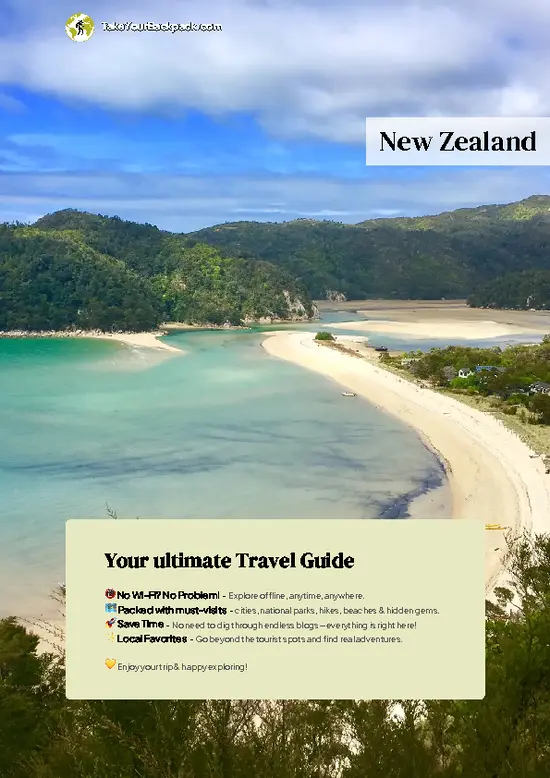
An offline-friendly backpacking guide with optimized travel routes, ranked highlights, transport advice, and the best areas to stay.
example page 0 from our offline Travel Guide for New Zealand
example page 1 from our offline Travel Guide for New Zealand
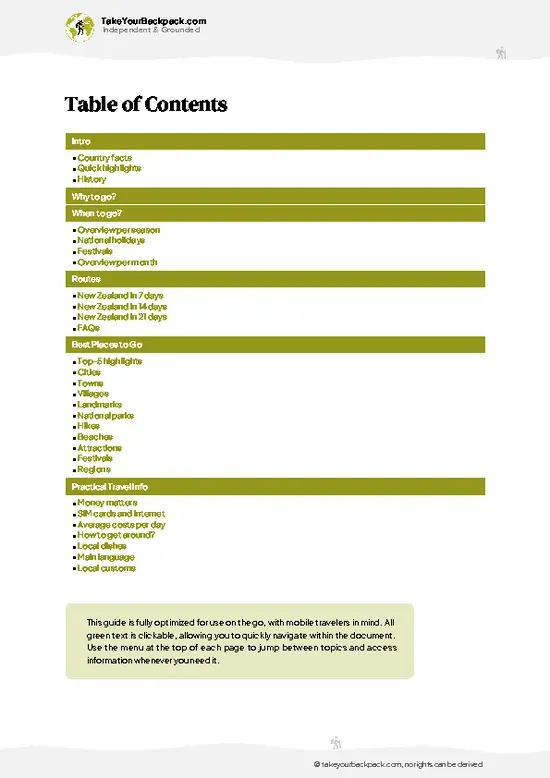
example page 2 from our offline Travel Guide for New Zealand
example page 3 from our offline Travel Guide for New Zealand
example page 4 from our offline Travel Guide for New Zealand
example page 5 from our offline Travel Guide for New Zealand
example page 6 from our offline Travel Guide for New Zealand
example page 7 from our offline Travel Guide for New Zealand
The digital guide (412 pages) contains:
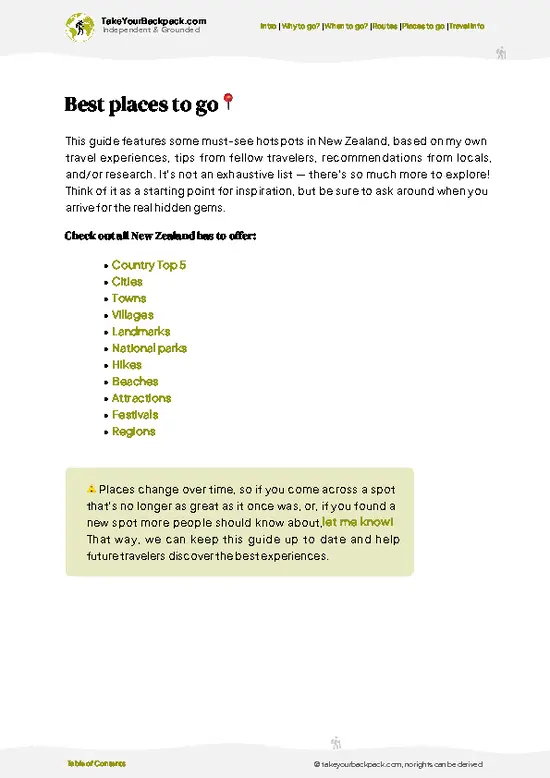
113 highlights, ranked by travel appeal
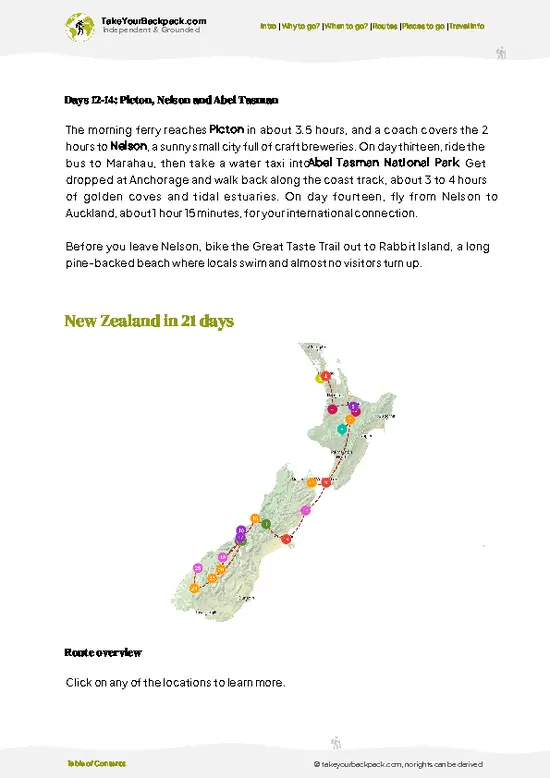
Optimized 7, 14 & 21-day travel routes
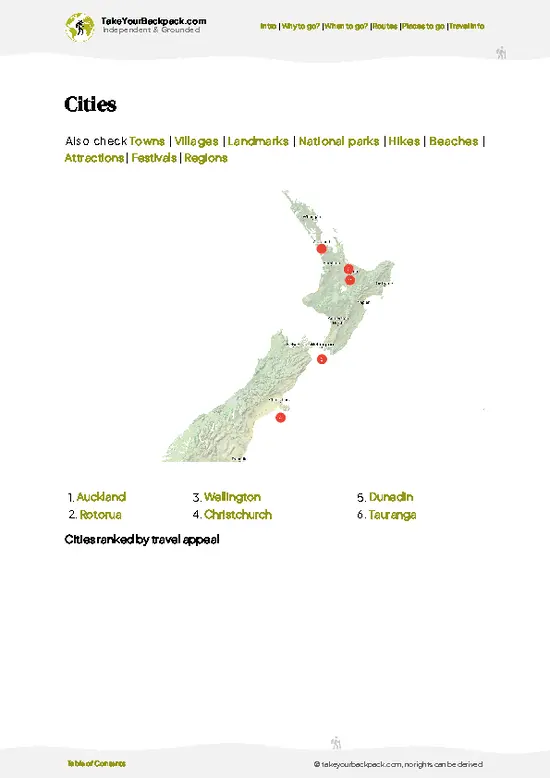
Cities, national parks, landmarks, beaches
How to get around
Offline-friendly for travel without Wi-Fi
👉 Click to see all 30+ guide features

📅 Plan smarter in minutes, not weeks
Month by month travel advice
Festivals & national holidays
Budget expectations

🗺️ Go to the right places, skip the overrated ones
Honest pros & cons of destinations
Top hikes, parks & viewpoints
Lesser-known places most travelers miss
Clear “worth it vs skip it” guidance

🛏️ Travel smoothly without rookie mistakes
Best areas to stay
Transport systems explained simply
Common scams & safety advice
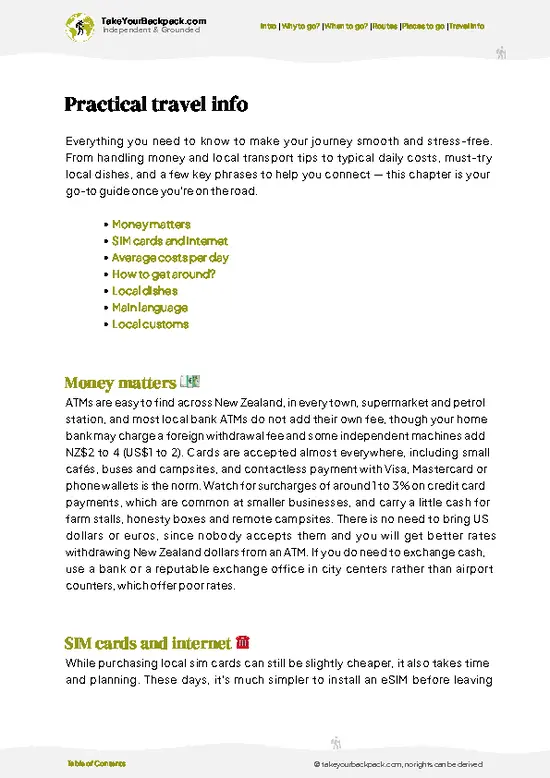
SIM cards, money & practical tips

🌍 Understand the country, not just visit it
Culture & traditions
Local customs
Festivals worth planning around
Traveler-friendly historical context
Insights that make places more meaningful

📱 Built for real travel conditions
Fully downloadable PDF
Works completely offline
Optimized for phone use
Useful in remote areas & buses
Everything in one place
Save weeks of stressful planning
Get instant access to your full guide. 30‑day money-back guarantee.


By proceeding you agree to our terms.
Sent to your inbox immediately after payment • 100% Secure Checkout
Best Backpacking Travel Advisor 2025 tourism awardBest Backpacking
Travel Advisor
2025
What others say about Take Your Backpack Guides:
⭐⭐⭐⭐⭐
Fantastic, amazing amount of information!
⭐⭐⭐⭐⭐
My goodness this is amazing, it's what I've been looking for hats off too you!
⭐⭐⭐⭐⭐
I think this is absolutely BRILLIANT
⭐⭐⭐⭐
Very complete and informative. It's still missing places, but I gotta to commend you
⭐⭐⭐⭐⭐
This is truly amazing, thank you, can't wait to explore it with my kids!
⭐⭐⭐⭐⭐
Awesome resource, thank you!
⭐⭐⭐⭐⭐
This is amazing! Can't wait to explore the ones I haven't seen
⭐⭐⭐⭐
I love this! Well done, great idea.
⭐⭐⭐⭐⭐
Thanks for taking the time to make this gem!
⭐⭐⭐⭐⭐
This might be the best website I've ever seen.
⭐⭐⭐⭐⭐
Congratulations, and thank you so much for your work; it's incredibly valuable.
⭐⭐⭐⭐
In all seriousness I think you did a great job pointing out the important spots
⭐⭐⭐⭐⭐
10/10 very good
⭐⭐⭐⭐⭐
As someone who's only just starting to visit regularly this is awesome, thank you.
⭐⭐⭐⭐
Thank you very much! I'm going to visit my dad, it's going to be very useful!
⭐⭐⭐⭐⭐
This is really cool! We'll be travelling for the first time and this definitely come in handy.
⭐⭐⭐⭐⭐
You are now our minister of culture, congratulations 👨‍💼
⭐⭐⭐⭐⭐
Just wanted to tell you that this is a pearl! Going to follow your recommendations.
⭐⭐⭐⭐⭐
This is so cool. I'll definitely be using the resource for my travels soon.
⭐⭐⭐⭐⭐
This is very impressive! Good work.
⭐⭐⭐⭐⭐
This is an amazing and informative site. Very well done!

🛏️ Where to stay?Top Areas to Stay

Yes — reliable hostels and budget accommodation are widely available across New Zealand, concentrated in Auckland CBD and Ponsonby, Wellington CBD and Cuba Street, Christchurch central and Riccarton, Queenstown and Wanaka, plus Dunedin CBD and Te Anau.
Auckland and Wellington offer best transport links and nightlife but are busier and often pricier; Christchurch and Riccarton are budget-friendly, quieter and well connected by buses; Queenstown and Wanaka are ideal for adventure and social hostels but fill fast and cost more; Dunedin and Te Anau are quieter, cheaper and excellent for nature access but have fewer late‑night options.

If you enjoy meeting fellow travelers, consider choosing hostelsread more 👉
Yes — reliable hostels and budget accommodation are widely available across New Zealand, concentrated in Auckland CBD and Ponsonby, Wellington CBD and Cuba Street, Christchurch central and Riccarton, Queenstown and Wanaka, plus Dunedin CBD and Te Anau.
Auckland and Wellington offer best transport links and nightlife but are busier and often pricier; Christchurch and Riccarton are budget-friendly, quieter and well connected by buses; Queenstown and Wanaka are ideal for adventure and social hostels but fill fast and cost more; Dunedin and Te Anau are quieter, cheaper and excellent for nature access but have fewer late‑night options.

If you enjoy meeting fellow travelers, consider choosing hostels with high ratings for atmosphere. On the other hand, if you prefer having your own space, a hotel might be a better option.

New ZealandDiscover the Country

👋 Meet the founderWho’s Behind Take Your Backpack?

Johan, backpacker and founder of TakeYourBackpackHi, I’m Johan (Netherlands 🇳🇱), the creator of TakeYourBackpack. Over the past decade, I’ve backpacked through 80+ countries across six continents, gaining extensive experience with independent travel, long-term trips, and overland routes.

This site is built on a combination of firsthand travel experience and carefully curated insights from other backpackers. Many guides are based on places I’ve personally visited, while others bring together tips, observations, and practical advice shared by trusted travelers I’ve met along the way.

The goal is to provide realistic, experience-driven guidance — not generic itineraries — so you can explore destinations with better context, clearer expectations, and more confidence.

Get full country guide •
Instant download • 113 highlights • Full Offline guide