×

New Zealand🇳🇿 | townsWhakatāneRiver mouth statue, Kōhi Point, Ōhope sand | things to do and best time to go

Explore Te AnauExplore Thames

Backpacking in Whakatāne
👍 Recommendedtown ranked #10
By Johan Kruseman 🇳🇱 | Updated October 16, 2026

Whakatāne is best known as the gateway to Whakaari/White Island, the offshore volcano whose steam plume you can see from the town’s waterfront, though tours to the island itself have not operated since the 2019 eruption. The town sits on the Bay of Plenty coast in the north of New Zealand, and its real value is as a base for the coast, the river and the Ōhope side, not for the town center, which you can cover in an hour. Dolphin and seal boat trips and the Whakatāne River walks are worth your time. The shops are not. It is a quiet, small-scale place, so meeting other travelers happens at the hostels and cafés, not at night. I would spend NZ$6 on a flat white and a pie at a bakery on The Strand and plan from there. Buses reach town from Tauranga, but they are infrequent, so check the timetable before you leave.

Discover everything you want to know in the 📖 New Zealand Travel Guide.


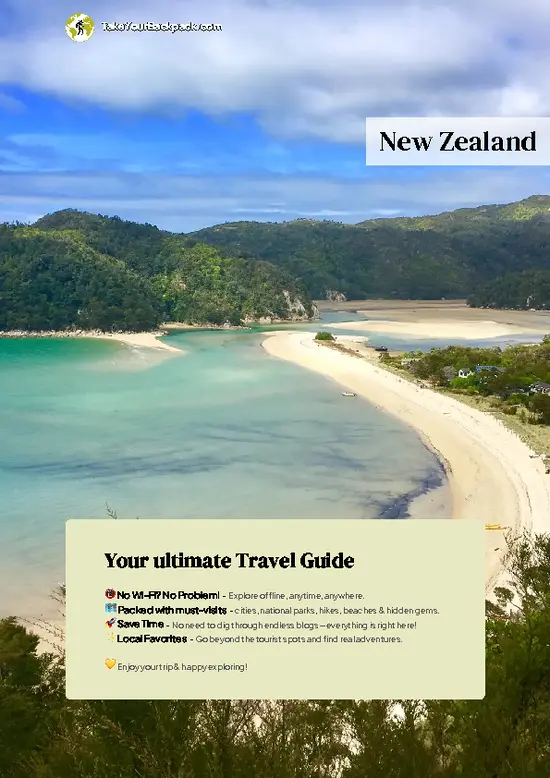
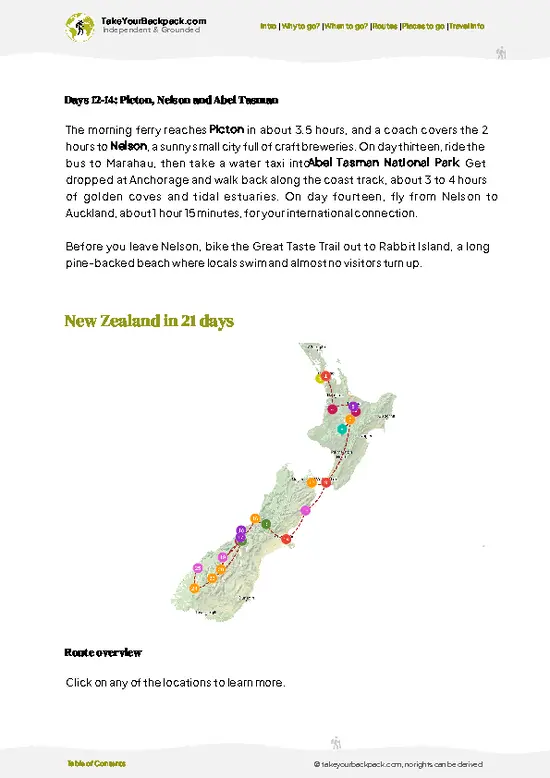
example page 0 from our offline Travel Guide for New Zealand
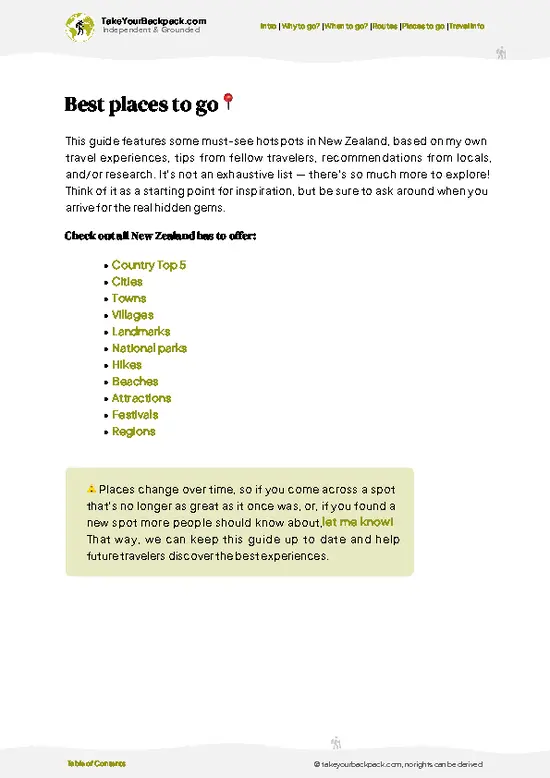
example page 1 from our offline Travel Guide for New Zealand
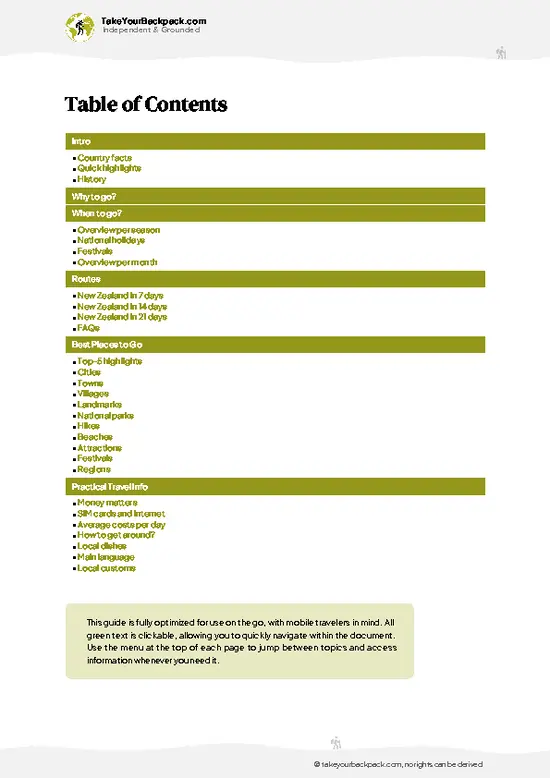
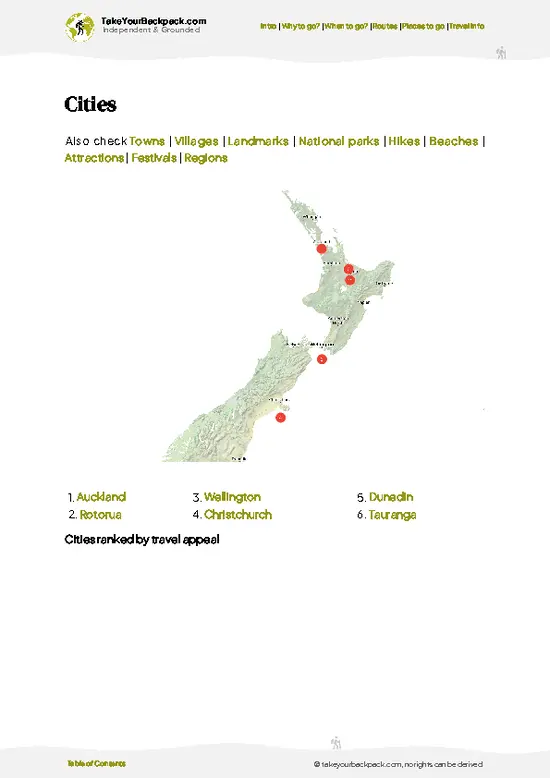
example page 2 from our offline Travel Guide for New Zealand
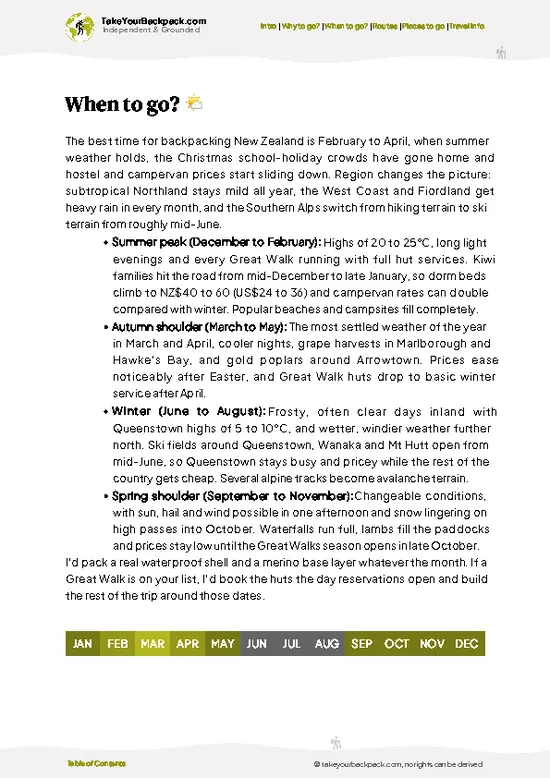
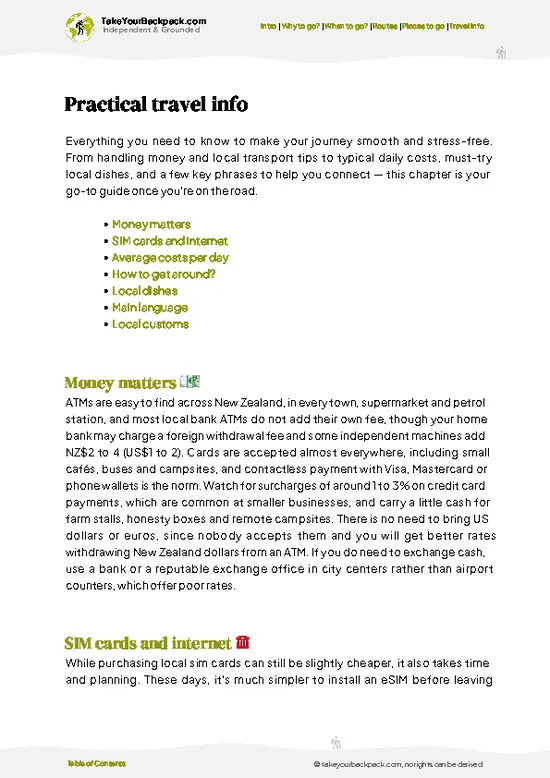
example page 3 from our offline Travel Guide for New Zealand
example page 4 from our offline Travel Guide for New Zealand
example page 5 from our offline Travel Guide for New Zealand
example page 6 from our offline Travel Guide for New Zealand
example page 7 from our offline Travel Guide for New Zealand
Loading the map 🌍
CLICK TO FILTER
cities
towns
villages
landmarks
national parks
hikes
beaches
attractions
festivals
regions
SHOW COUNTRY’S BESTSHOW ALL

✨ Why go?
Ranked #10 town in New Zealand
The unique appeal for travelers

Whakatāne suits slow travelers who want sunshine, surf and Māori history without Rotorua’s tour-bus tempo. The town is flat and small, so you can walk from the river to the cafés in minutes, and the beach at Ōhope is a short hop east. Most people stay two or three nights, long enough to hike the Kōhi Point lookout, kayak or swim, and take in the story of the Mataatua waka, whose ancestors came ashore here. Evenings are quiet, with a few pubs and a handful of restaurants, so this is not a party stop. Solo travelers will find locals easy to chat with, while those wanting a hostel crowd should look elsewhere. Anyone with a rental car or bike gets the most from it, since the coast and forest tracks spread out around town.

💡 HighlightsEssential experiences to have while visiting Whakatāne

  1. Whakatāne River mouth and Wairaka statue: The bronze Wairaka sits on a rock at the river mouth, honoring the woman who, by Māori tradition, saved the Mataatua canoe. Free, 20 to 30 minutes, best at sunset.
  2. Kōhi Point and Pā Site: A short walk up to a headland with views over the bay and the smoking Whakaari/White Island on a clear day. Free, about 45 minutes, best in the morning.
  3. Te Whakatāne Waka Replica and Mataatua Carvings: A modest riverside site where carved waka and pou tell the arrival story. Free, 20 minutes, ideal in late afternoon light.
  4. Ōhope Beach: Eleven kilometers of sand east of town for swimming, surfing and long walks. Free, 2 to 3 hours, best on a calm summer morning.
  5. Whakatāne Museum and Gallery: Local history, Māori taonga and the story of the 1987 earthquake. Entry roughly
… read more 👉
  1. Whakatāne River mouth and Wairaka statue: The bronze Wairaka sits on a rock at the river mouth, honoring the woman who, by Māori tradition, saved the Mataatua canoe. Free, 20 to 30 minutes, best at sunset.
  2. Kōhi Point and Pā Site: A short walk up to a headland with views over the bay and the smoking Whakaari/White Island on a clear day. Free, about 45 minutes, best in the morning.
  3. Te Whakatāne Waka Replica and Mataatua Carvings: A modest riverside site where carved waka and pou tell the arrival story. Free, 20 minutes, ideal in late afternoon light.
  4. Ōhope Beach: Eleven kilometers of sand east of town for swimming, surfing and long walks. Free, 2 to 3 hours, best on a calm summer morning.
  5. Whakatāne Museum and Gallery: Local history, Māori taonga and the story of the 1987 earthquake. Entry roughly NZ$5 to 10 (US$3 to 6), 45 to 60 minutes, good on rainy days.
Day trips from town reach Whakaari/White Island viewpoints by boat or air, the Ōhiwa Harbour, Kāingaroa forests and the Te Urewera tracks. If time is short, skip the museum and stay outdoors.
Spotted a mistake or missing something? Contact us.

Things to do near Whakatāne

Ratings based on Tripadvisor reviews. When you book through this link, you support our work at no extra cost to you.

🏘️ NeighborhoodsNeighborhood guide to Whakatāne

Whakatāne is compact, and nearly everything worth your time sits within a 25-minute walk of the river mouth. The areas differ mostly by how they face the water.
  • Town Centre: Streets around The Strand and Commerce Street hold the cafes, supermarkets, i-SITE and the bus stop. It works as a practical base and a lunch stop, not a sightseeing draw. Evenings are quiet, with a few pubs and little else.
  • Riverfront and Wharf: Fishing boats and tour operators cluster here, and this is where dolphin trips depart. It is flat, walkable and worth an unhurried hour, especially for fish and chips eaten on the waterfront.
  • Kohi Point and Pohaturoa: A short walk east, Pohaturoa rock and the Kohi Point Walkway climb through coastal forest to lookouts over the bay. This is the best use of a free morning, because
… read more 👉
Whakatāne is compact, and nearly everything worth your time sits within a 25-minute walk of the river mouth. The areas differ mostly by how they face the water.
  • Town Centre: Streets around The Strand and Commerce Street hold the cafes, supermarkets, i-SITE and the bus stop. It works as a practical base and a lunch stop, not a sightseeing draw. Evenings are quiet, with a few pubs and little else.
  • Riverfront and Wharf: Fishing boats and tour operators cluster here, and this is where dolphin trips depart. It is flat, walkable and worth an unhurried hour, especially for fish and chips eaten on the waterfront.
  • Kohi Point and Pohaturoa: A short walk east, Pohaturoa rock and the Kohi Point Walkway climb through coastal forest to lookouts over the bay. This is the best use of a free morning, because the views explain why Maori settled here so early.
  • Ohope Beach: Eight kilometers east, this long surf beach is far better for swimming than anything in town. It is spread out and sleepy, so a bike or bus makes sense.
  • Coastlands and the suburbs: A mall and chain stores. Skip it unless you need supplies.

⌛️ 1 dayA smart one-day plan

A sun-and-coast day suits Whakatāne best, with mostly free stops on foot.
8:00 AM: Café breakfast on The Strand. Start with coffee and eggs near the river, then stroll along the water toward the statue.
9:30 AM: Wairaka statue and river mouth. Photograph the bronze figure and watch boats slide in and out. Walk a few minutes to the waka replica.
10:30 AM: Kōhi Point. Climb the track to the lookout and read the pā information boards. Take your time on the way down.
12:30 PM: Lunch at the Whakatāne Museum area. Grab a pie or fish, then spend an hour inside learning local history.
2:30 PM: Ōhope Beach. Drive or ride east and swim, then walk the sand toward the western end.
5:00 PM: Ōhope Scenic Reserve walk. Few visitors bother with this forest path, which climbs into native bush above the beach for … read more 👉
A sun-and-coast day suits Whakatāne best, with mostly free stops on foot.
8:00 AM: Café breakfast on The Strand. Start with coffee and eggs near the river, then stroll along the water toward the statue.
9:30 AM: Wairaka statue and river mouth. Photograph the bronze figure and watch boats slide in and out. Walk a few minutes to the waka replica.
10:30 AM: Kōhi Point. Climb the track to the lookout and read the pā information boards. Take your time on the way down.
12:30 PM: Lunch at the Whakatāne Museum area. Grab a pie or fish, then spend an hour inside learning local history.
2:30 PM: Ōhope Beach. Drive or ride east and swim, then walk the sand toward the western end.
5:00 PM: Ōhope Scenic Reserve walk. Few visitors bother with this forest path, which climbs into native bush above the beach for sunset views.
7:00 PM: Dinner in town. Head back and finish with local seafood or a casual pub meal.

🌤️ When to go?Choosing the right time of year

Summer, December to February, is the easiest season for the water, with highs of 22 to 25°C (72 to 77°F), and Whakatāne is one of New Zealand’s sunniest towns.
  • Summer: Daylight lasts until about 9 pm, beaches are busy, and beds cost the most, especially around New Year.
  • Autumn: March and April stay warm at 18 to 22°C (64 to 72°F) with calmer seas and thinner crowds.
  • Winter: June to August brings 11 to 15°C (52 to 59°F), rain, and daylight from roughly 7:30 am to 5 pm. Prices drop, but boat trips are cancelled more often.
  • Spring: September to November is changeable at 15 to 19°C (59 to 66°F), with whale and dolphin sightings still possible.
Book boat tours with a spare day in your plan, since swell cancellations are common.

source: climatestotravel.comJANJanuary: highly recommended for travelingFEBFebruary: highly recommended for travelingMARMarch: highly recommended for travelingAPRApril: highly recommended for travelingMAYMay: good for travelingJUNJune: fair for travelingJULJuly: fair for travelingAUGAugust: fair for travelingSEPSeptember: good for travelingOCTOctober: excellent for travelingNOVNovember: excellent for travelingDECDecember: highly recommended for traveling
when-to-go

✈️ The backpacker research shortcutNew Zealand Travel Guide

An offline-friendly backpacking guide with optimized travel routes, ranked highlights, transport advice, and the best areas to stay.
example page 0 from our offline Travel Guide for New Zealand
example page 1 from our offline Travel Guide for New Zealand
example page 2 from our offline Travel Guide for New Zealand
example page 3 from our offline Travel Guide for New Zealand
example page 4 from our offline Travel Guide for New Zealand
example page 5 from our offline Travel Guide for New Zealand
example page 6 from our offline Travel Guide for New Zealand
example page 7 from our offline Travel Guide for New Zealand
The digital guide (327 pages) contains:
✅ 110 highlights, ranked by travel appeal
✅ Optimized 7, 14 & 21-day travel routes
✅ Cities, national parks, landmarks, beaches
✅ How to get around
✅ Offline-friendly for travel without Wi-Fi
👉 Click to see all 30+ guide features

📅 Plan smarter in minutes, not weeks
✅ Month by month travel advice
✅ Festivals & national holidays
✅ Budget expectations

🗺️ Go to the right places, skip the overrated ones
✅ Honest pros & cons of destinations
✅ Top hikes, parks & viewpoints
✅ Lesser-known places most travelers miss
✅ Clear “worth it vs skip it” guidance

🛏️ Travel smoothly without rookie mistakes
✅ Best areas to stay
✅ Transport systems explained simply
✅ Common scams & safety advice
✅ SIM cards, money & practical tips

🌍 Understand the country, not just visit it
✅ Culture & traditions
✅ Local customs
✅ Festivals worth planning around
✅ Traveler-friendly historical context
✅ Insights that make places more meaningful

📱 Built for real travel conditions
✅ Fully downloadable PDF
✅ Works completely offline
✅ Optimized for phone use
✅ Useful in remote areas & buses
✅ Everything in one place
Stop searching, start planning
Get instant access to your full guide. 30‑day money-back guarantee.
+ Add another guide for just

By proceeding you agree to our terms.
Sent to your inbox immediately after payment • 100% Secure Checkout
Best Backpacking Travel Advisor 2025 tourism awardBest Backpacking
Travel Advisor
2025
What others say about Take Your Backpack Guides:
⭐⭐⭐⭐⭐
Fantastic, amazing amount of information!
⭐⭐⭐⭐⭐
My goodness this is amazing, it's what I've been looking for hats off too you!
⭐⭐⭐⭐⭐
I think this is absolutely BRILLIANT
⭐⭐⭐⭐
Very complete and informative. It's still missing places, but I gotta to commend you
⭐⭐⭐⭐⭐
This is truly amazing, thank you, can't wait to explore it with my kids!
⭐⭐⭐⭐⭐
Awesome resource, thank you!
⭐⭐⭐⭐⭐
This is amazing! Can't wait to explore the ones I haven't seen
⭐⭐⭐⭐
I love this! Well done, great idea.
⭐⭐⭐⭐⭐
Thanks for taking the time to make this gem!
⭐⭐⭐⭐⭐
This might be the best website I've ever seen.
⭐⭐⭐⭐⭐
Congratulations, and thank you so much for your work; it's incredibly valuable.
⭐⭐⭐⭐
In all seriousness I think you did a great job pointing out the important spots
⭐⭐⭐⭐⭐
10/10 very good
⭐⭐⭐⭐⭐
As someone who's only just starting to visit regularly this is awesome, thank you.
⭐⭐⭐⭐
Thank you very much! I'm going to visit my dad, it's going to be very useful!
⭐⭐⭐⭐⭐
This is really cool! We'll be travelling for the first time and this definitely come in handy.
⭐⭐⭐⭐⭐
You are now our minister of culture, congratulations 👨‍💼
⭐⭐⭐⭐⭐
Just wanted to tell you that this is a pearl! Going to follow your recommendations.
⭐⭐⭐⭐⭐
This is so cool. I'll definitely be using the resource for my travels soon.
⭐⭐⭐⭐⭐
This is very impressive! Good work.
⭐⭐⭐⭐⭐
This is an amazing and informative site. Very well done!

🛏️ Where to stay?Best areas and accommodation options

The town centre is the best area for a budget bed, with the walkable streets between The Strand and the river holding most of the hostels, motels and backpacker-style rooms.
Dorm beds run roughly NZ$35 to 50 (US$21 to 30), and you are within a few minutes of supermarkets, the bus stop and tour departures. It is quiet after dark, which suits sleep more than socializing. Walking home at night feels easy and low risk.
Ohope Beach is the second option, better if you want a beach on the doorstep and plan to surf or swim daily. Choices are fewer, mostly holiday parks with cabins and a few small guesthouses, … read more 👉
The town centre is the best area for a budget bed, with the walkable streets between The Strand and the river holding most of the hostels, motels and backpacker-style rooms.
Dorm beds run roughly NZ$35 to 50 (US$21 to 30), and you are within a few minutes of supermarkets, the bus stop and tour departures. It is quiet after dark, which suits sleep more than socializing. Walking home at night feels easy and low risk.
Ohope Beach is the second option, better if you want a beach on the doorstep and plan to surf or swim daily. Choices are fewer, mostly holiday parks with cabins and a few small guesthouses, and the bus link to town is limited in the evening. Summer fills early, so book ahead from December to February.
For most travelers I would choose the center, since boat trips leave early and you can walk to the wharf without worrying about transport.

🚌 Getting aroundMoving around without the hassle

Renting a car for a stay that is mostly in town is the costliest error, because the center, wharf and Kohi Point are all walkable and parking adds up. Whakatāne is small and flat, traffic is light, and the local bus network is thin, so decide by what you want beyond town.
  • Walking: Free and the best choice for the center, riverfront and Kohi Point Walkway, which takes about 1.5 to 2 hours return with lookouts.
  • Cycling: Hire costs roughly NZ$30 to 50 a day (US$18 to 30) and suits the flat route to Ohope Beach. The road is shared with traffic, so go early.
  • Local bus: Bayhopper services run to Ohope and nearby towns, with single fares around NZ$2 to 4 (US$1.20 to 2.50). Services thin out in the evening and on Sundays, so check the timetable before you rely on them.
  • InterCity bus: Connects to Rotorua
… read more 👉
Renting a car for a stay that is mostly in town is the costliest error, because the center, wharf and Kohi Point are all walkable and parking adds up. Whakatāne is small and flat, traffic is light, and the local bus network is thin, so decide by what you want beyond town.
  • Walking: Free and the best choice for the center, riverfront and Kohi Point Walkway, which takes about 1.5 to 2 hours return with lookouts.
  • Cycling: Hire costs roughly NZ$30 to 50 a day (US$18 to 30) and suits the flat route to Ohope Beach. The road is shared with traffic, so go early.
  • Local bus: Bayhopper services run to Ohope and nearby towns, with single fares around NZ$2 to 4 (US$1.20 to 2.50). Services thin out in the evening and on Sundays, so check the timetable before you rely on them.
  • InterCity bus: Connects to Rotorua (about 1.5 hours) and Tauranga (about 1.5 hours), with fares from around NZ$15 to 40 (US$9 to 25) if booked ahead. This is the cheapest way in and out without a car.
  • Rental car: Roughly NZ$50 to 90 a day (US$30 to 55). Worth it only if you plan to chain together East Cape or Ohiwa Harbour stops, where buses barely exist.
Taxis exist but are pricey for anything beyond a few kilometers, so I would skip them except late at night.

👛 Costs (as of 16 October 2026)How expensive it really is

Backpacking in Whakatāne costs about US$95 a day when you sleep in a dorm in high season and cook some of your own meals. Prices are in New Zealand dollars at the till, converted here to US dollars.
CategoryBudget RangeLocal Reality
Dorm accommodationUS$24 to 34 (high season), US$18 to 26 (low season)Beds are limited in town, so summer weekends and school holidays book out. Holiday parks with basic cabins or tent sites run a similar price. Counted here at US$30.
MealsUS$22 to 38Supermarket groceries for breakfast and dinner, plus a café lunch or fish and chips at about US$9 to 14. A pub or restaurant main is US$17 to 28. Counted here at US$28.
Local transportUS$0 to 12The center is flat and walkable. Local buses are infrequent and a short ride costs roughly US$2 to 4. A bike or the occasional
… read more 👉
Backpacking in Whakatāne costs about US$95 a day when you sleep in a dorm in high season and cook some of your own meals. Prices are in New Zealand dollars at the till, converted here to US dollars.
CategoryBudget RangeLocal Reality
Dorm accommodationUS$24 to 34 (high season), US$18 to 26 (low season)Beds are limited in town, so summer weekends and school holidays book out. Holiday parks with basic cabins or tent sites run a similar price. Counted here at US$30.
MealsUS$22 to 38Supermarket groceries for breakfast and dinner, plus a café lunch or fish and chips at about US$9 to 14. A pub or restaurant main is US$17 to 28. Counted here at US$28.
Local transportUS$0 to 12The center is flat and walkable. Local buses are infrequent and a short ride costs roughly US$2 to 4. A bike or the occasional taxi covers longer hops. Counted here at US$6.
Basic activities/entry feesUS$0 to 30Beaches, the Ohope walkways and Kohi Point Lookout are free. Guided trips such as the White Island (Whakaari) area dolphin and wildlife cruises cost far more, so budget separately. Counted here at US$15.
Miscellaneous expensesUS$6 to 18Laundry, a coffee at US$3 to 4, sunscreen and snacks add up. Counted here at US$10.
Total Daily BudgetUS$89 to 95 (typical)Per person, per day, in high season.
Buy groceries at the supermarket in town and cook at your hostel kitchen, which saves roughly US$10 to 15 a day compared with eating out.
⚠️ Prices can change and everyone travels differently, so take this as a rough guide. Hope it helps you plan your adventure!

🚌 Day tripsBest day trips from Whakatāne

Whakatāne is one of the easier bases on the Bay of Plenty, with most trips running as a day out by boat or by bus and car.Whakaari / White Island Waters: The volcano itself has been closed to landings since the 2019 eruption.
Ohope Beach: A 15-minute drive or bus ride east, this long beach offers swimming, surf and the Ohiwa Harbour shoreline. Budget NZ$5 to 10 (US$3 to 6) for the bus, plus a packed lunch. Go on a weekday in summer to avoid crowds.
Rotorua: Geothermal parks, Maori cultural evenings and mountain biking lie about 1.5 hours inland. Buses cost NZ$15 to 40 each way (US$9 to 25), and entry to thermal parks is often NZ$40 to 60 (US$24 to 36). Free sights like Kuirau Park keep costs down. Many travelers try to squeeze in too much, so pick one or two sights.
👉 Explore RotoruaKohi Point … read more 👉
Whakatāne is one of the easier bases on the Bay of Plenty, with most trips running as a day out by boat or by bus and car.Whakaari / White Island Waters: The volcano itself has been closed to landings since the 2019 eruption.
Ohope Beach: A 15-minute drive or bus ride east, this long beach offers swimming, surf and the Ohiwa Harbour shoreline. Budget NZ$5 to 10 (US$3 to 6) for the bus, plus a packed lunch. Go on a weekday in summer to avoid crowds.
Rotorua: Geothermal parks, Maori cultural evenings and mountain biking lie about 1.5 hours inland. Buses cost NZ$15 to 40 each way (US$9 to 25), and entry to thermal parks is often NZ$40 to 60 (US$24 to 36). Free sights like Kuirau Park keep costs down. Many travelers try to squeeze in too much, so pick one or two sights.
👉 Explore RotoruaKohi Point and Ohiwa Harbour: Short walks and a harbor with oyster beds suit a half day without paying much. Costs are a lunch and water.

🛡️ SafetySafety Tips and Common Scams in Whakatāne

Whakatāne is very safe, and the usual problems are petty. Cars parked at trailheads and beach lots, including Kohi Point and Ohope, get broken into, so take valuables with you and leave nothing visible. Solo travelers will find the center quiet and easy to walk at night, though a few streets around pubs get rowdy late on Fridays and Saturdays. Rips at Ohope and Whakatāne Heads can be strong, so swim between flags when patrolled. The sun is strong, so cover up even on cloudy days. Scams are rare, and the main annoyances are sandflies and the weather canceling boat trips.

FAQTraveler FAQ

Whakatāne is worth a stay of a couple of nights rather than a quick stopover, thanks to its sunny climate and access to the water. The Kohi Point Walkway and Ohope Beach are both close by. Many travelers pass through on the way to the East Cape, but the town gives you more than a rest stop.
Two to three days covers Whakatāne well. One day suits the town, Kohi Point Walkway and wharf, another can go to a boat tour, and a third to Ohope Beach or a trip to Rotorua, about 1.5 hours away.
A day trip is possible from Tauranga or Rotorua, each about 1.5 hours by road, but the schedule is tight. InterCity buses cost roughly NZ$15 to 40 each way, and a boat tour plus walk would fill the day. Staying one night gives you far more relaxed time.
⚠️ Things can change over time, so always validate details locally before you go.

Other New Zealander towns near Whakatāne

Explore more nearby:

  • Ngongotahā—Lake Rotorua shore, trout springs, farm shows| 69 km away
  • Taupō—Huka Falls, thermal stream, lake promenade| 113 km away
  • Thames—Gold-rush mines, Pollen Street pubs, Firth mudflats| 156 km away

💡 Not sure where to go next?
Create a personalized itinerary for New Zealand including Whakatāne and the places that fit your trip.

Generate my itinerary

👉 Discover all towns

Or checkout all New Zealand has to offer (think cities, towns, villages, national parks, hikes, beaches, festivals)
Country photo of New Zealand

We 💚 feedbackFinal thoughts on visiting Whakatāne

Whakatāne suits outdoorsy travelers and history-minded slow movers who like a small town with good coffee and a beach on the doorstep. Party seekers will be bored. I would rent a bike or car, stay at least two nights, and spend your mornings on Kōhi Point and Ōhope.

✈️ When did I visit New Zealand?
All the way back in high school I have been visiting the North Island of New Zealand (1993).

✍️ Help improve this page!
The information on this page is based on my own backpacking experience in New Zealand, supplemented with up-to-date research and feedback from other travelers. Travel details can change, so if you notice anything outdated or incomplete, feel free to let me know.


🙋‍♂️ Give feedback

👋 Meet the founderWho’s Behind Take Your Backpack?

Johan, backpacker and founder of TakeYourBackpackHi, I’m Johan (Netherlands 🇳🇱), the creator of TakeYourBackpack. Over the past 3 decades, I’ve backpacked through 90+ countries across six continents, gaining extensive experience with independent travel, long-term trips, and overland routes.

This site is built on a combination of firsthand travel experience and carefully curated insights from other backpackers. Many guides are based on places I’ve personally visited, while others bring together tips, observations, and practical advice shared by trusted travelers I’ve met along the way.

The goal is to provide realistic, experience-driven guidance — not generic itineraries — so you can explore destinations with better context, clearer expectations, and more confidence.