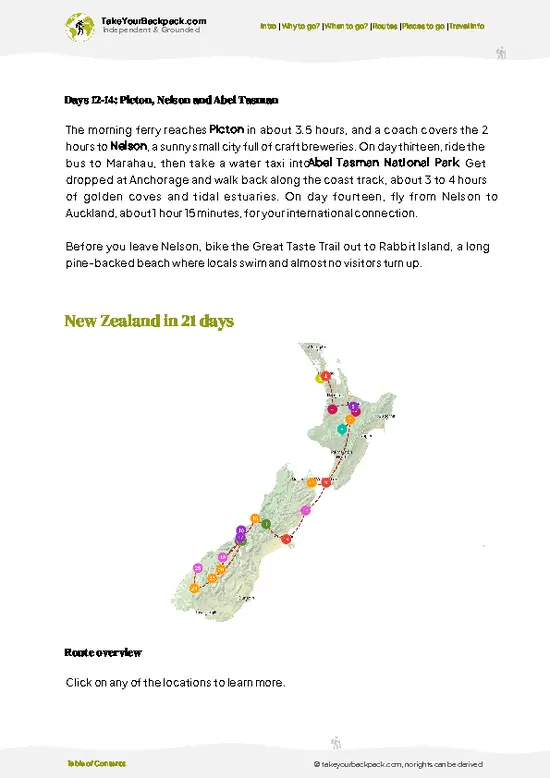
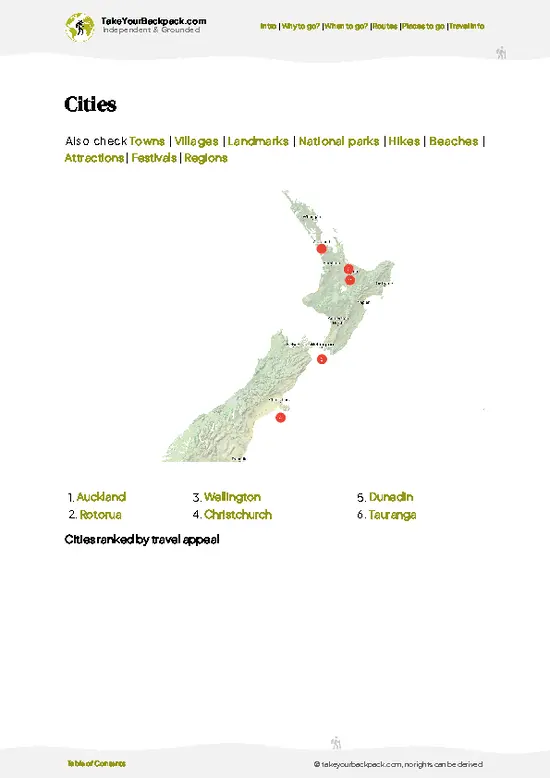
×

New Zealand🇳🇿 | landmarksRotoruageothermal pools, sulphur springs, Māori culture, mud vents | things to do and best time to go

Explore Okarito LagoonExplore Whangamumu

Backpacking in Rotorua
🏆 Top pickunique site ranked #2
By Johan Kruseman 🇳🇱 | Updated June 8, 2026

Everyone shows up to Rotorua for the geysers and the “it smells like rotten eggs lol” geothermal jokes, but that’s not actually the part that sticks with you. What matters more is how this place forces you to slow down and sit with living Māori culture, steaming earth, and a lake that feels like a giant exhale. Rotorua sits in the central North Island, a few hours south of Auckland, right on the volcanic belt, so it’s an easy pivot point on any backpacking loop. As a destination, it’s equal parts awe and theme park: surreal mud pools and hissing vents, but also tour buses, package tours, and prices that jump the second someone says “cultural experience.” The wow-factor is real, especially at sunrise over the lake or in a quiet forest of redwoods, but you have to work around the crowds and selfie-tripods. It’s accessible, photogenic, occasionally tacky, and still absolutely worth a couple of days if you chase the quieter corners instead of the brochure shots.

Discover everything you want to know in the 📖 New Zealand Travel Guide.
Loading the map 🌍
CLICK TO FILTER
cities
towns
villages
landmarks
national parks
hikes
beaches
attractions
festivals
regions
SHOW COUNTRY’S BESTSHOW ALL

✨ Why go?
Ranked #2 unique site in New Zealand
What makes this unique site worth visiting

Rotorua is a must-stop for backpackers in New Zealand, and here’s why. First off, the crowds can be overwhelming, especially at the famous geysers and hot springs. But don’t let that deter you. The real magic lies in the lesser-known spots. Head to the Redwoods Treewalk for a breathtaking view of towering trees and a chance to escape the throngs.

Costs? Sure, some attractions can hit your wallet hard, but many geothermal parks offer affordable entry. You can soak in natural hot pools without breaking the bank. Plus, the cultural experiences here are rich and authentic. Engage with the Māori community through a traditional hangi feast or a cultural performance. It’s not just a photo op; it’s a deep dive into a living culture.

Rotorua fits seamlessly into your route, especially if you’re … read more 👉
Rotorua is a must-stop for backpackers in New Zealand, and here’s why. First off, the crowds can be overwhelming, especially at the famous geysers and hot springs. But don’t let that deter you. The real magic lies in the lesser-known spots. Head to the Redwoods Treewalk for a breathtaking view of towering trees and a chance to escape the throngs.

Costs? Sure, some attractions can hit your wallet hard, but many geothermal parks offer affordable entry. You can soak in natural hot pools without breaking the bank. Plus, the cultural experiences here are rich and authentic. Engage with the Māori community through a traditional hangi feast or a cultural performance. It’s not just a photo op; it’s a deep dive into a living culture.

Rotorua fits seamlessly into your route, especially if you’re traveling between Auckland and Queenstown. It’s a natural pit stop that adds layers to your journey. The effort-to-reward ratio is solid. You’ll leave with stories and experiences that Instagram can’t capture. So, embrace the chaos, seek out the hidden gems, and make Rotorua a part of your adventure.
Want to include Rotorua in your New Zealand route?
Create a personalized New Zealand itinerary that includes Rotorua and the places that fit your trip — based on your travel style, budget, and available time. Get your route in seconds.

Generate my trip

💡 HighlightsWhat this place is best known for

  • Te Puia (Pohutu Geyser & Māori Arts Centre) — Home to Pohutu, the most reliable big geyser in New Zealand, plus live Māori carving and weaving demonstrations, a kiwi house, and nightly cultural performances. It’s where geothermal spectacle meets living cultural craftwork.
  • Whakarewarewa — The Living Māori Village — A real, continuously inhabited geothermal village where locals still cook with steam and perform traditional ceremonies; you get an authentic glimpse into iwi (tribal) life and stories tied to the land.
  • Wai-O-Tapu Thermal Wonderland — Alien-colour pools like the Champagne Pool and Artist’s Palette, sculpted terraces and bubbling mud—this is the most cartoonishly colourful geothermal park in the region, and very walkable.
  • Waimangu Volcanic Valley — The world’s youngest geothermal
read more 👉
  • Te Puia (Pohutu Geyser & Māori Arts Centre) — Home to Pohutu, the most reliable big geyser in New Zealand, plus live Māori carving and weaving demonstrations, a kiwi house, and nightly cultural performances. It’s where geothermal spectacle meets living cultural craftwork.
  • Whakarewarewa — The Living Māori Village — A real, continuously inhabited geothermal village where locals still cook with steam and perform traditional ceremonies; you get an authentic glimpse into iwi (tribal) life and stories tied to the land.
  • Wai-O-Tapu Thermal Wonderland — Alien-colour pools like the Champagne Pool and Artist’s Palette, sculpted terraces and bubbling mud—this is the most cartoonishly colourful geothermal park in the region, and very walkable.
  • Waimangu Volcanic Valley — The world’s youngest geothermal system formed after the 1886 Tarawera eruption. Big crater lakes, steam vents and quieter, longer hikes make it feel more wild and exploratory than the busier parks.
  • Whakarewarewa Forest / Redwoods — Towering Californian redwoods threaded with walking and mountain-bike trails plus the treetop Treewalk lit at night. A surreal, tranquil contrast to the sulphur-smelling geothermal sites nearby.
  • Polynesian Spa — Lakeside mineral hot pools with sweeping views over Lake Rotorua; options range from public thermal pools to private soaking pools. Perfect for sore-trail muscles and classic Rotorua pampering.
  • Skyline Rotorua & Luge — A fun, high-view experience: gondola up for panoramic lake and crater views, grab a luge cart for downhill runs, or try ziplines. It’s touristy but genuinely fun and great if you want adrenaline with the scenery.
Spotted a mistake or missing something? Contact us.

Things to do around Rotorua

Ratings based on Tripadvisor reviews. When you book through this link, you support our work at no extra cost to you.

🌤️ When to go?Seasonal considerations and timing


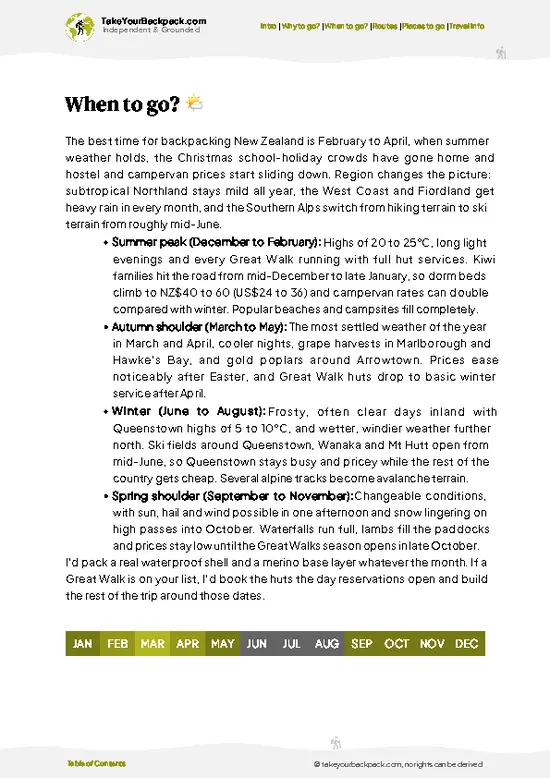
  • Weather: Rotorua’s geothermal activity means steam and sulfur scents year-round, but the weather swings. Summers (December to February) hit 20-25°C (68-77°F), perfect for outdoor soaking and hiking. Winters (June to August) drop to 5-12°C (41-54°F), damp and chilly but fewer tourists.

  • Daylight Hours: Long summer days stretch to 14-15 hours, giving you more time to explore mud pools and forests. Winter days shrink to about 9 hours, so plan your adventures tightly.

  • Crowds: Peak season is summer and school holidays—expect throngs at the main geothermal parks and cultural shows. Shoulder seasons (spring and autumn) offer a quieter vibe without sacrificing much on weather.

  • Seasonal Activities: Summer brings lake swimming, mountain biking, and outdoor festivals. Winter’s cooler temps are
read more 👉

  • Weather: Rotorua’s geothermal activity means steam and sulfur scents year-round, but the weather swings. Summers (December to February) hit 20-25°C (68-77°F), perfect for outdoor soaking and hiking. Winters (June to August) drop to 5-12°C (41-54°F), damp and chilly but fewer tourists.

  • Daylight Hours: Long summer days stretch to 14-15 hours, giving you more time to explore mud pools and forests. Winter days shrink to about 9 hours, so plan your adventures tightly.

  • Crowds: Peak season is summer and school holidays—expect throngs at the main geothermal parks and cultural shows. Shoulder seasons (spring and autumn) offer a quieter vibe without sacrificing much on weather.

  • Seasonal Activities: Summer brings lake swimming, mountain biking, and outdoor festivals. Winter’s cooler temps are ideal for steamy hot springs and cozy Maori cultural experiences indoors.

  • Price Fluctuations: Accommodation and tours spike in summer and around Christmas. Book early or aim for shoulder seasons to snag better deals and avoid the tourist crush.


Pro-tip: Visit in late spring or early autumn—Rotorua’s magic is still in full swing, but you dodge the crowds and get better prices without freezing your toes off.


source: climatestotravel.comJANJanuary: highly recommended for travelingFEBFebruary: highly recommended for travelingMARMarch: highly recommended for travelingAPRApril: excellent for travelingMAYMay: excellent for travelingJUNJune: good for travelingJULJuly: good for travelingAUGAugust: good for travelingSEPSeptember: excellent for travelingOCTOctober: excellent for travelingNOVNovember: highly recommended for travelingDECDecember: highly recommended for traveling
new-zealand-unique-site-rotorua
© Google | Angelo Pompeo

✈️ The backpacker research shortcutNew Zealand Travel Guide

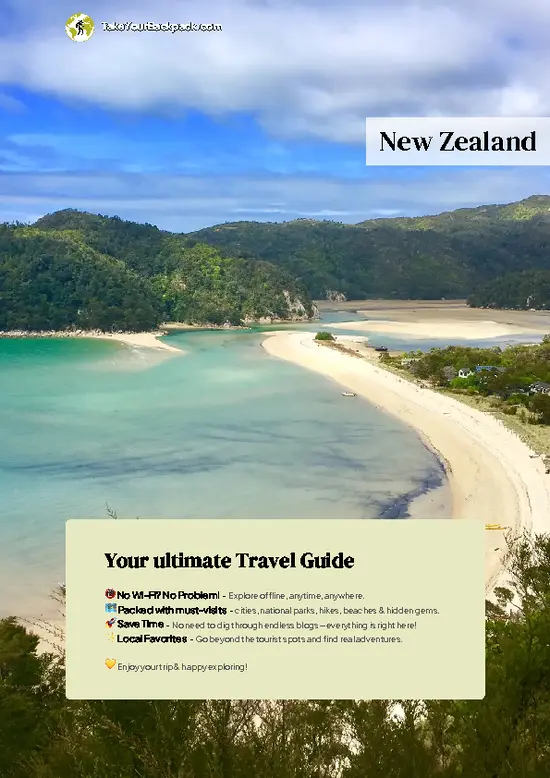
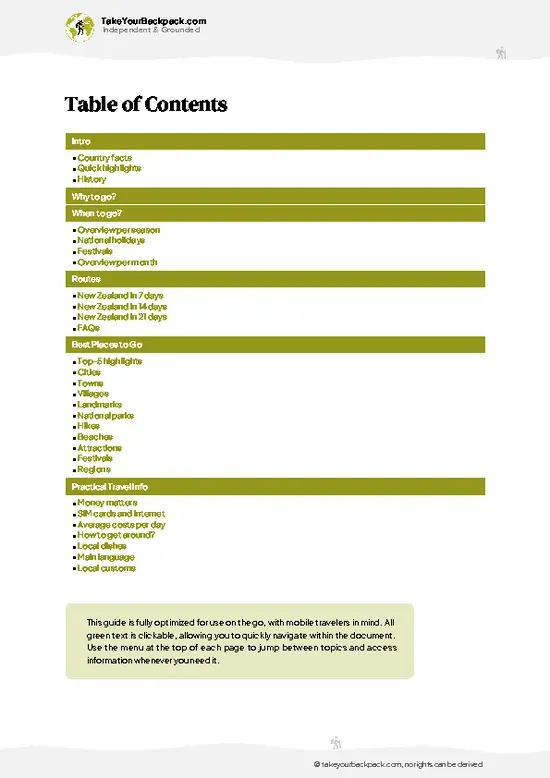
An offline-friendly backpacking guide with optimized travel routes, ranked highlights, transport advice, and the best areas to stay.
example page 0 from our offline Travel Guide for New Zealand
example page 1 from our offline Travel Guide for New Zealand
example page 2 from our offline Travel Guide for New Zealand
example page 3 from our offline Travel Guide for New Zealand
example page 4 from our offline Travel Guide for New Zealand
example page 5 from our offline Travel Guide for New Zealand
example page 6 from our offline Travel Guide for New Zealand
example page 7 from our offline Travel Guide for New Zealand
The digital guide (412 pages) contains:
113 highlights, ranked by travel appeal
Optimized 7, 14 & 21-day travel routes
Cities, national parks, landmarks, beaches
How to get around
Offline-friendly for travel without Wi-Fi
👉 Click to see all 30+ guide features

📅 Plan smarter in minutes, not weeks
Month by month travel advice
Festivals & national holidays
Budget expectations

🗺️ Go to the right places, skip the overrated ones
Honest pros & cons of destinations
Top hikes, parks & viewpoints
Lesser-known places most travelers miss
Clear “worth it vs skip it” guidance

🛏️ Travel smoothly without rookie mistakes
Best areas to stay
Transport systems explained simply
Common scams & safety advice
SIM cards, money & practical tips

🌍 Understand the country, not just visit it
Culture & traditions
Local customs
Festivals worth planning around
Traveler-friendly historical context
Insights that make places more meaningful

📱 Built for real travel conditions
Fully downloadable PDF
Works completely offline
Optimized for phone use
Useful in remote areas & buses
Everything in one place
Save weeks of stressful planning
Get instant access to your full guide. 30‑day money-back guarantee.


By proceeding you agree to our terms.
Sent to your inbox immediately after payment • 100% Secure Checkout
Best Backpacking Travel Advisor 2025 tourism awardBest Backpacking
Travel Advisor
2025
What others say about Take Your Backpack Guides:
⭐⭐⭐⭐⭐
Fantastic, amazing amount of information!
⭐⭐⭐⭐⭐
My goodness this is amazing, it's what I've been looking for hats off too you!
⭐⭐⭐⭐⭐
I think this is absolutely BRILLIANT
⭐⭐⭐⭐
Very complete and informative. It's still missing places, but I gotta to commend you
⭐⭐⭐⭐⭐
This is truly amazing, thank you, can't wait to explore it with my kids!
⭐⭐⭐⭐⭐
Awesome resource, thank you!
⭐⭐⭐⭐⭐
This is amazing! Can't wait to explore the ones I haven't seen
⭐⭐⭐⭐
I love this! Well done, great idea.
⭐⭐⭐⭐⭐
Thanks for taking the time to make this gem!
⭐⭐⭐⭐⭐
This might be the best website I've ever seen.
⭐⭐⭐⭐⭐
Congratulations, and thank you so much for your work; it's incredibly valuable.
⭐⭐⭐⭐
In all seriousness I think you did a great job pointing out the important spots
⭐⭐⭐⭐⭐
10/10 very good
⭐⭐⭐⭐⭐
As someone who's only just starting to visit regularly this is awesome, thank you.
⭐⭐⭐⭐
Thank you very much! I'm going to visit my dad, it's going to be very useful!
⭐⭐⭐⭐⭐
This is really cool! We'll be travelling for the first time and this definitely come in handy.
⭐⭐⭐⭐⭐
You are now our minister of culture, congratulations 👨‍💼
⭐⭐⭐⭐⭐
Just wanted to tell you that this is a pearl! Going to follow your recommendations.
⭐⭐⭐⭐⭐
This is so cool. I'll definitely be using the resource for my travels soon.
⭐⭐⭐⭐⭐
This is very impressive! Good work.
⭐⭐⭐⭐⭐
This is an amazing and informative site. Very well done!

🛏️ Where to stay?How to pick the right area

Rotorua is a hotbed of geothermal wonders and Maori culture, but let’s cut through the Instagram gloss. Yes, it can get crowded, especially around the main attractions like Te Puia and Wai-O-Tapu. But don’t let that deter you; there’s a way to experience the real magic without breaking the bank.

Start in the city center. It’s buzzing with backpackers, making it easy to meet fellow travelers. You’ll find a mix of cafes, shops, and the iconic Polynesian Spa nearby. The vibe is social, and you can swap stories over a coffee or a cold beer. Just be prepared for the occasional whiff of sulfur—it’s … read more 👉
Rotorua is a hotbed of geothermal wonders and Maori culture, but let’s cut through the Instagram gloss. Yes, it can get crowded, especially around the main attractions like Te Puia and Wai-O-Tapu. But don’t let that deter you; there’s a way to experience the real magic without breaking the bank.

Start in the city center. It’s buzzing with backpackers, making it easy to meet fellow travelers. You’ll find a mix of cafes, shops, and the iconic Polynesian Spa nearby. The vibe is social, and you can swap stories over a coffee or a cold beer. Just be prepared for the occasional whiff of sulfur—it’s part of the charm.

If you want a quieter experience, head to the outskirts, like the area around Lake Rotorua. It’s a bit more laid-back, with stunning views and easy access to walking trails. Plus, you can find cozy spots that are less touristy, where you can soak in the natural beauty without the crowds.

For those looking to dive deeper into Maori culture, consider staying near the Whakarewarewa Village. You’ll have the chance to engage with the locals and experience traditional performances. It’s a more authentic slice of Rotorua that many overlook.

In short, whether you’re in the heart of the action or a bit off the beaten path, Rotorua offers a range of options that cater to budget travelers and solo adventurers alike.

👛 Costs (as of 24 February 2025)Money, prices, and spending tips

Rotorua, New Zealand, is a unique destination, but it comes with its own set of costs that can catch you off guard if you’re not prepared.
  • Accommodation: Expect to pay between $80 to $250 USD per night. Budget options like hostels start around $80, while mid-range hotels can go up to $150. If you’re looking for something more upscale, prepare to shell out $250 or more. The closer you are to the geothermal attractions, the pricier it gets.
  • Food: Dining out can range from $10 to $50 USD per meal. Grab a burger or fish and chips at a casual spot for around $10 to $20. If you want to sit down at a nice restaurant, expect to pay $30 to $50 for a decent meal. Grocery stores are a good option for saving money, with basic supplies costing around $50 for a week.
  • Activities: Many geothermal parks charge
read more 👉
Rotorua, New Zealand, is a unique destination, but it comes with its own set of costs that can catch you off guard if you’re not prepared.
  • Accommodation: Expect to pay between $80 to $250 USD per night. Budget options like hostels start around $80, while mid-range hotels can go up to $150. If you’re looking for something more upscale, prepare to shell out $250 or more. The closer you are to the geothermal attractions, the pricier it gets.
  • Food: Dining out can range from $10 to $50 USD per meal. Grab a burger or fish and chips at a casual spot for around $10 to $20. If you want to sit down at a nice restaurant, expect to pay $30 to $50 for a decent meal. Grocery stores are a good option for saving money, with basic supplies costing around $50 for a week.
  • Activities: Many geothermal parks charge entry fees between $20 to $60 USD. For example, Te Puia and Wai-O-Tapu are popular but can be pricey. If you’re into adventure sports or guided tours, those can run from $100 to $200 USD, depending on the experience. Some free options include hiking trails and lakes, which are worth exploring.
  • Transportation: Renting a car is a smart move, costing about $30 to $70 USD per day. Public transport is limited, so if you’re relying on buses, budget around $5 to $10 per trip. Taxis and rideshares can add up quickly, especially if you’re hopping between attractions.
  • Miscellaneous: Don’t forget about souvenirs and other small expenses. Budget around $20 to $50 USD for this. Local crafts and Maori art can be tempting, but they can also be pricey. Keep an eye on your spending here.

Rotorua can be a wallet-drainer if you’re not careful, but the geothermal wonders and rich Maori culture make it a worthwhile stop. Just know what to expect, and you’ll find the real magic beyond the crowds.
⚠️ Prices can change and everyone travels differently, so take this as a rough guide. Hope it helps you plan your adventure!

Other New Zealander landmarks near Rotorua

Explore more nearby:

  • Mount Taranaki—volcanic cone, alpine forest, symmetrical peak, ring road| 228 km away
  • Whangamumu—historic whaling station, sheltered bay, forested headlands, remote access| 366 km away
  • Okarito Lagoon—wetland sanctuary, rare birdlife, tidal waterways, kayak routes| 755 km away

💡 Not sure where to go next?
Create a personalized itinerary for New Zealand including Rotorua and the places that fit your trip.

Generate my itinerary

👉 Discover all landmarks

Or checkout all New Zealand has to offer (think cities, towns, villages, national parks, hikes, beaches, festivals)
Country photo of New Zealand

We 💚 feedbackSumming up the experience

Rotorua is a wild mix of geothermal wonders and Maori culture that’s genuinely captivating. You’ll feel the earth rumble beneath your feet and smell that unmistakable sulfur scent. But let’s be real: the crowds can be overwhelming, especially at the hot springs and geysers. If you can navigate the busy spots and seek out the quieter experiences, you’ll find the real magic here. Just be prepared for the occasional tourist selfie interrupting your view.

✈️ When did I visit New Zealand?
All the way back in high school I have been visiting the Northern Island of New Zealand (1993).

✍️ Help improve this page!
The information on this page is based on my own backpacking experience in New Zealand, supplemented with up-to-date research and feedback from other travelers. Travel details can change, so if you notice anything outdated or incomplete, feel free to let me know.


🙋‍♂️ Give feedback

👋 Meet the founderWho’s Behind Take Your Backpack?

Johan, backpacker and founder of TakeYourBackpackHi, I’m Johan (Netherlands 🇳🇱), the creator of TakeYourBackpack. Over the past decade, I’ve backpacked through 80+ countries across six continents, gaining extensive experience with independent travel, long-term trips, and overland routes.

This site is built on a combination of firsthand travel experience and carefully curated insights from other backpackers. Many guides are based on places I’ve personally visited, while others bring together tips, observations, and practical advice shared by trusted travelers I’ve met along the way.

The goal is to provide realistic, experience-driven guidance — not generic itineraries — so you can explore destinations with better context, clearer expectations, and more confidence.

Get full country guide •
Instant download • 113 highlights • Full Offline guide