×

Nigeria🇳🇬 | citiesBidabrasswork, Nupe traditions, river proximity | things to do and best time to go

Explore OkeneExplore Gboko

Backpacking in Bida
👀 For curious travelerscity ranked #35
By Johan Kruseman 🇳🇱 | Updated June 6, 2026

Forget the idea that Bida is just a dusty stopover on the way to somewhere else—this city in central Nigeria’s Niger State has a pulse all its own. Bida’s royal palace and the bustling Etsu Yahaya market offer a window into Nupe culture you won’t find in Abuja or Minna. It’s affordable, safe by Nigerian standards, and refreshingly free of backpacker crowds, but don’t expect nightlife or slick infrastructure. The vibe? Warm, communal, and unhurried—if you’re game for real local flavor.

Discover everything you want to know in the 📖 Nigeria Travel Guide.
Safety warning

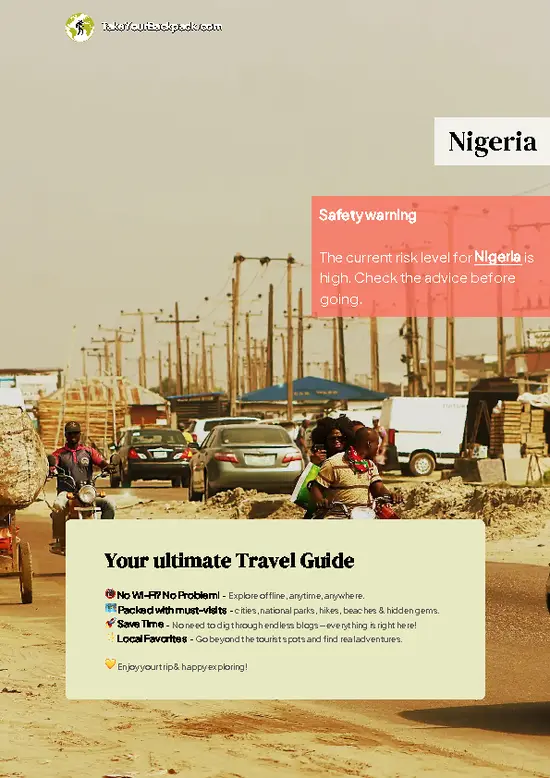
The current risk level for Nigeria is high. Check the advice before going.


Get your Nigeria guide
89 ranked highlights, routes & tips, works offline (332 pages)
Loading the map 🌍
CLICK TO FILTER
cities
towns
landmarks
national parks
hikes
beaches
attractions
festivals
regions
SHOW COUNTRY’S BESTSHOW ALL

✨ Why go?
Ranked #35 city in Nigeria
Why visitors keep coming back

Bida is a strategic stop for backpackers navigating Nigeria. It offers a solid basecamp for day trips, allowing you to explore nearby wonders without the hassle of constant packing. The hostels here are budget-friendly and foster a communal vibe, perfect for meeting fellow travelers. When it comes to food, local joints serve up authentic dishes that won’t break the bank. The city is walkable, making it easy to soak in the atmosphere. As for nightlife, you’ll find a mix of chill spots and lively hangouts. Plus, it’s a convenient jump-off point for onward travel, making it a smart choice for your route.
Want to include Bida in your Nigeria route?
Create a personalized Nigeria itinerary that includes Bida and the places that fit your trip — based on your travel style, budget, and available time. Get your route in seconds.

Generate my trip

💡 HighlightsKey sights and experiences for travelers

  • Etsu Nupe Palace (Bida Emir’s Palace) — The political and cultural heart of Bida; you can see traditional Nupe architecture, palace compounds, and sometimes ceremonies. Respectful visits often require asking at the gate, but it’s the single best place to feel the town’s history and hierarchy up close.
  • Bida Central Market — Loud, colorful, and full of life. This is where brassware, beads, pottery, fabrics, and street food are actually traded. Great for people-watching, bargain hunting, and spotting local specialties that don’t leave the town very often.
  • Brass-casting and metalwork quarter — Bida’s brasswork is famous across Nigeria. Walk around the workshops behind the market to watch artisans pour, hammer, and chisel traditional pieces — a real hands-on craft scene rather than a polished
read more 👉
  • Etsu Nupe Palace (Bida Emir’s Palace) — The political and cultural heart of Bida; you can see traditional Nupe architecture, palace compounds, and sometimes ceremonies. Respectful visits often require asking at the gate, but it’s the single best place to feel the town’s history and hierarchy up close.
  • Bida Central Market — Loud, colorful, and full of life. This is where brassware, beads, pottery, fabrics, and street food are actually traded. Great for people-watching, bargain hunting, and spotting local specialties that don’t leave the town very often.
  • Brass-casting and metalwork quarter — Bida’s brasswork is famous across Nigeria. Walk around the workshops behind the market to watch artisans pour, hammer, and chisel traditional pieces — a real hands-on craft scene rather than a polished tourist attraction.
  • Traditional pottery workshops — Nupe potters still shape and fire terracotta the old way. Visiting the pottery clusters near the market or old quarters lets you see the process from coil to finished pot and buy directly from makers.
  • Beadmakers and jewellery workshops — Nupe beadwork is integral to local dress and ceremonies. Small backyard workshops and stalls sell handmade beads, coral-style necklaces, and repair services — excellent for unique souvenirs and watching slow, meticulous craftwork.
  • Bida Grand Mosque (Central Friday Mosque) — An important spiritual and communal focal point. The mosque’s architecture and the energy during Friday prayers give a clear window into everyday life and local Islamic traditions.
  • Federal Polytechnic Bida (campus walk) — The campus is a lively slice of modern Bida: students, hostels, small eateries, and occasional public lectures or events. Good place to get a sense of contemporary youth culture and grab cheap local food.
  • Bida Town Stadium (local sports ground) — Catch a local football match or community event to see how the town gathers and socializes. Matches are loud, friendly, and a memorable way to connect with locals.
  • Old administrative and Emirate-era buildings — Around the palace and market you’ll find colonial-era offices, old municipal buildings, and stately compounds. They’re modest, not museum-level, but they map how Bida evolved politically and socially.
  • Nupe cultural evenings & seasonal festivals — Not a single building, but the real reason many visit: celebrations, music, dance, and masquerades that surface for weddings, coronations, and annual commemorations. Timing your visit for one of these gives the deepest cultural payoff.
For short day trips from Bida, consider nearby Zungeru (historic colonial town), Kainji Lake/Kainji National Park, and Gurara Falls — all real, visitable spots within a few hours’ drive that pair well with a Bida base.
Spotted a mistake or missing something? Contact us.

🏘️ NeighborhoodsKey areas and districts to know

Bida, Nigeria, offers a rich tapestry of experiences for backpackers, each neighborhood presenting unique advantages and trade-offs.

Central Bida: The heart of the city, bustling with local markets and street food. It’s affordable and walkable, perfect for short stays. Nightlife is lively but not overwhelming, making it easy to explore by foot.

Gwari Area: A quieter, residential vibe. It’s great for longer stays if you want to immerse yourself in local life. Transport options are decent, but you might need to rely on taxis for late-night outings.

Minna Road: This area is a hub for transport connections, ideal for those planning to venture beyond Bida. It’s more commercial, so expect higher prices. The nightlife is minimal, but the convenience makes it a solid choice for short trips.

⌛️ 1 dayWhat you can realistically do in a day

Bida, Nigeria, is a vibrant tapestry of culture and history, known for its rich traditions in pottery and weaving. Start your day in the bustling market of Bida, where the air is filled with the scent of spices and the sounds of lively bargaining. Grab a local breakfast of *akara* (bean cakes) and *pap* (fermented corn pudding) from a street vendor.

In the afternoon, head to the Bida Pottery Village. Here, artisans craft beautiful pottery using techniques passed down through generations. Engage with the potters; they love sharing their craft. This isn’t on the typical tourist path, but it’s a genuine slice of local life.

As the sun sets, stroll through the serene banks of the Niger River. The golden hues reflecting off the water create a perfect backdrop for reflection. Wrap up your day … read more 👉
Bida, Nigeria, is a vibrant tapestry of culture and history, known for its rich traditions in pottery and weaving. Start your day in the bustling market of Bida, where the air is filled with the scent of spices and the sounds of lively bargaining. Grab a local breakfast of *akara* (bean cakes) and *pap* (fermented corn pudding) from a street vendor.

In the afternoon, head to the Bida Pottery Village. Here, artisans craft beautiful pottery using techniques passed down through generations. Engage with the potters; they love sharing their craft. This isn’t on the typical tourist path, but it’s a genuine slice of local life.

As the sun sets, stroll through the serene banks of the Niger River. The golden hues reflecting off the water create a perfect backdrop for reflection. Wrap up your day with dinner at a local eatery, savoring dishes like *jollof rice* and grilled fish. Each moment in Bida is a chance to connect with its heart and soul.
Turn your Bida visit into an Nigeria adventure
Build a complete Nigeria route with Bida, hidden gems, must-see destinations, and realistic travel times included.

Generate my trip

🌤️ When to go?Best time to visit Bida


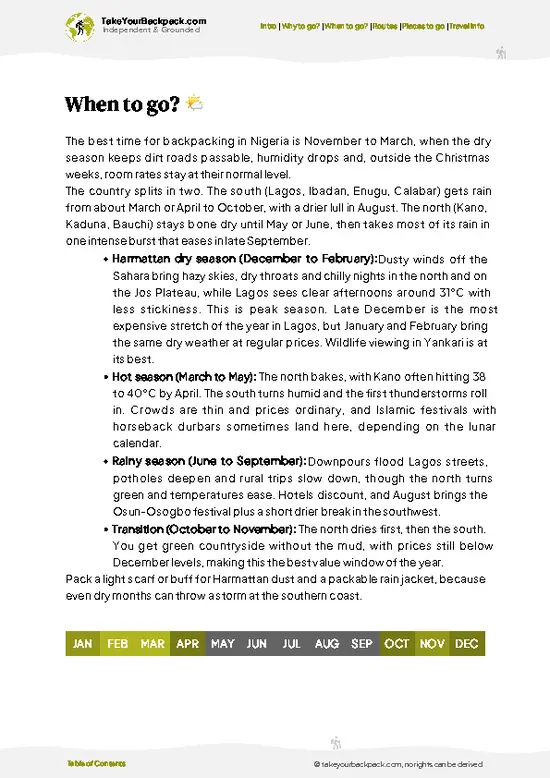
  • Weather: Bida’s climate swings between a wet season (April to October) and dry season (November to March). The dry season offers clearer skies and less humidity, making trekking and city exploration more comfortable.

  • Temperature: Expect highs around 32–35°C (90–95°F) in the dry months, dropping to a cooler 22–25°C (72–77°F) at night. The wet season can feel hotter due to humidity despite slightly lower daytime temps.

  • Daylight Hours: Bida enjoys roughly 12 hours of daylight year-round, so timing won’t affect how much you can explore daily.

  • Crowds: Tourist presence is minimal year-round, but local festivals in the dry season can swell crowds, adding cultural richness but also higher prices.

  • Seasonal Activities: The dry season hosts traditional festivals and markets, offering authentic
read more 👉

  • Weather: Bida’s climate swings between a wet season (April to October) and dry season (November to March). The dry season offers clearer skies and less humidity, making trekking and city exploration more comfortable.

  • Temperature: Expect highs around 32–35°C (90–95°F) in the dry months, dropping to a cooler 22–25°C (72–77°F) at night. The wet season can feel hotter due to humidity despite slightly lower daytime temps.

  • Daylight Hours: Bida enjoys roughly 12 hours of daylight year-round, so timing won’t affect how much you can explore daily.

  • Crowds: Tourist presence is minimal year-round, but local festivals in the dry season can swell crowds, adding cultural richness but also higher prices.

  • Seasonal Activities: The dry season hosts traditional festivals and markets, offering authentic experiences. The wet season limits outdoor activities but brings lush landscapes if you’re into nature photography.

  • Price Fluctuations: Accommodation and transport costs dip during the wet season due to lower demand, but expect to pay a premium during festivals and the dry season’s peak months.


Pro-tip: Aim for the early dry season—November to January—for a sweet spot of manageable heat, cultural events, and better prices before the peak rush.


source: climatestotravel.comJANJanuary: excellent for travelingFEBFebruary: highly recommended for travelingMARMarch: highly recommended for travelingAPRApril: good for travelingMAYMay: fair for travelingJUNJune: fair for travelingJULJuly: fair for travelingAUGAugust: fair for travelingSEPSeptember: good for travelingOCTOctober: good for travelingNOVNovember: excellent for travelingDECDecember: excellent for traveling
when-to-go

✈️ The backpacker research shortcutNigeria Travel Guide

An offline-friendly backpacking guide with optimized travel routes, ranked highlights, transport advice, and the best areas to stay.
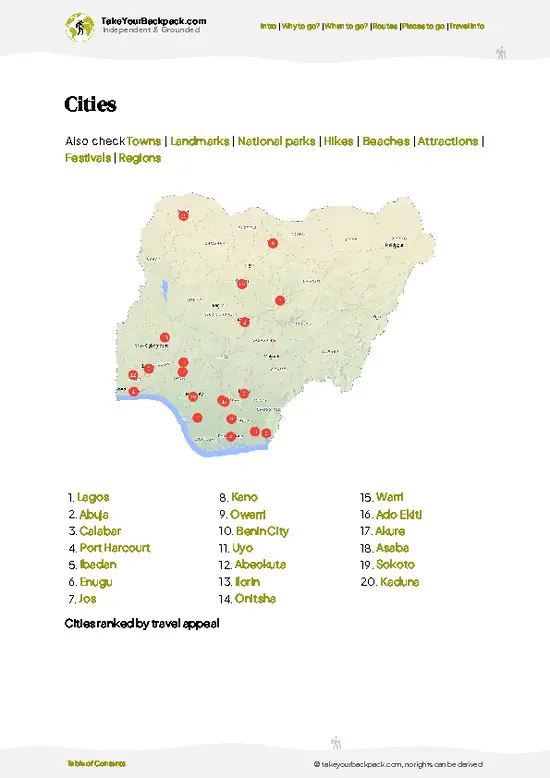
example page 0 from our offline Travel Guide for Nigeriaexample page 1 from our offline Travel Guide for Nigeriaexample page 2 from our offline Travel Guide for Nigeriaexample page 3 from our offline Travel Guide for Nigeriaexample page 4 from our offline Travel Guide for Nigeriaexample page 5 from our offline Travel Guide for Nigeriaexample page 6 from our offline Travel Guide for Nigeriaexample page 7 from our offline Travel Guide for Nigeria
The digital guide (332 pages) contains:
89 highlights, ranked by travel appeal
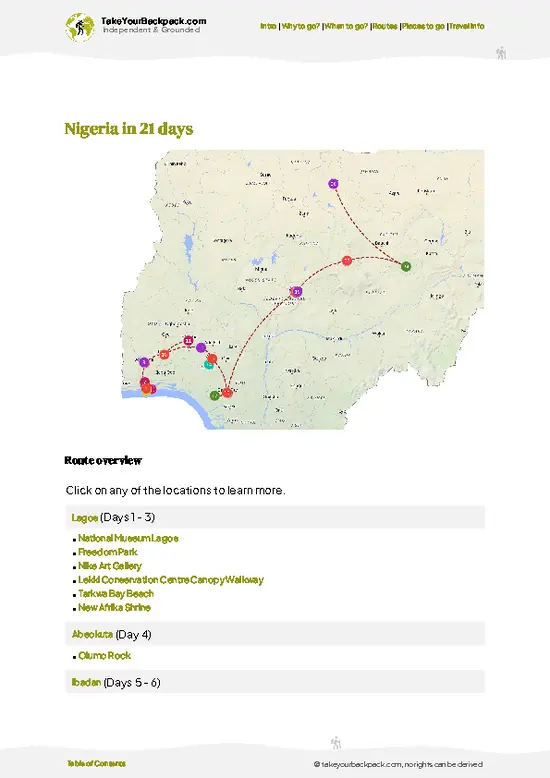
Optimized 7, 14 & 21-day travel routes
Cities, national parks, landmarks, beaches
How to get around
Offline-friendly for travel without Wi-Fi
👉 Click to see all 30+ guide features

📅 Plan smarter in minutes, not weeks
Month by month travel advice
Festivals & national holidays
Budget expectations

🗺️ Go to the right places, skip the overrated ones
Honest pros & cons of destinations
Top hikes, parks & viewpoints
Lesser-known places most travelers miss
Clear “worth it vs skip it” guidance

🛏️ Travel smoothly without rookie mistakes
Best areas to stay
Transport systems explained simply
Common scams & safety advice
SIM cards, money & practical tips

🌍 Understand the country, not just visit it
Culture & traditions
52 Essential phrases & customs
Festivals worth planning around
Traveler-friendly historical context
Insights that make places more meaningful

📱 Built for real travel conditions
Fully downloadable PDF
Works completely offline
Optimized for phone use
Useful in remote areas & buses
Everything in one place
Save weeks of stressful planning
Get instant access to your full guide. 30‑day money-back guarantee.


Sent to your inbox immediately after payment • 100% Secure Checkout
Best Backpacking Travel Advisor 2025 tourism awardBest Backpacking
Travel Advisor
2025
What others say about Take Your Backpack Guides:
⭐⭐⭐⭐⭐
Fantastic, amazing amount of information!
⭐⭐⭐⭐⭐
My goodness this is amazing, it's what I've been looking for hats off too you!
⭐⭐⭐⭐⭐
I think this is absolutely BRILLIANT
⭐⭐⭐⭐
Very complete and informative. It's still missing places, but I gotta to commend you
⭐⭐⭐⭐⭐
This is truly amazing, thank you, can't wait to explore it with my kids!
⭐⭐⭐⭐⭐
Awesome resource, thank you!
⭐⭐⭐⭐⭐
This is amazing! Can't wait to explore the ones I haven't seen
⭐⭐⭐⭐
I love this! Well done, great idea.
⭐⭐⭐⭐⭐
Thanks for taking the time to make this gem!
⭐⭐⭐⭐⭐
This might be the best website I've ever seen.
⭐⭐⭐⭐⭐
Congratulations, and thank you so much for your work; it's incredibly valuable.
⭐⭐⭐⭐
In all seriousness I think you did a great job pointing out the important spots
⭐⭐⭐⭐⭐
10/10 very good
⭐⭐⭐⭐⭐
As someone who's only just starting to visit regularly this is awesome, thank you.
⭐⭐⭐⭐
Thank you very much! I'm going to visit my dad, it's going to be very useful!
⭐⭐⭐⭐⭐
This is really cool! We'll be travelling for the first time and this definitely come in handy.
⭐⭐⭐⭐⭐
You are now our minister of culture, congratulations 👨‍💼
⭐⭐⭐⭐⭐
Just wanted to tell you that this is a pearl! Going to follow your recommendations.
⭐⭐⭐⭐⭐
This is so cool. I'll definitely be using the resource for my travels soon.
⭐⭐⭐⭐⭐
This is very impressive! Good work.
⭐⭐⭐⭐⭐
This is an amazing and informative site. Very well done!

🛏️ Where to stay?Best areas to stay in Nigeria

In Bida, the sweet spot for backpackers is the city center and its immediate surroundings. This area balances safety with social energy, making it a magnet for solo travelers and budget adventurers. You’ll find a handful of hostels and guesthouses here, which means easy access to communal spaces where connections happen naturally. Compared to the outskirts, the center offers better infrastructure—think reliable transport and local eateries that won’t drain your wallet. Neighborhoods farther out tend to be quieter but less convenient and sometimes sketchier after dark. Staying central means you … read more 👉
In Bida, the sweet spot for backpackers is the city center and its immediate surroundings. This area balances safety with social energy, making it a magnet for solo travelers and budget adventurers. You’ll find a handful of hostels and guesthouses here, which means easy access to communal spaces where connections happen naturally. Compared to the outskirts, the center offers better infrastructure—think reliable transport and local eateries that won’t drain your wallet. Neighborhoods farther out tend to be quieter but less convenient and sometimes sketchier after dark. Staying central means you trade a bit of peace for a richer, more interactive experience, which is exactly what you want when you’re backpacking smart.

🚌 Getting aroundTransportation options and practical tips

Bida moves at its own rhythm—neither a frantic rush nor a slow crawl. It’s a city where schedules exist but bend to the flow of daily life, where you’ll find a mix of punctual buses and informal shared rides that leave when full, not by the clock. Understanding this balance is your secret weapon. You’re not just getting from A to B; you’re playing the city’s game, choosing when to save time, when to save money, and when to grab a bit of comfort. The trade-offs here aren’t just about dollars or minutes—they’re about how much you want to lean into the local pulse versus sticking to a predictable plan.


  • Walking: The ultimate budget option—free, flexible, and immersive. Ideal for short distances in the city center, but prepare for uneven sidewalks and occasional street vendors blocking your
read more 👉
Bida moves at its own rhythm—neither a frantic rush nor a slow crawl. It’s a city where schedules exist but bend to the flow of daily life, where you’ll find a mix of punctual buses and informal shared rides that leave when full, not by the clock. Understanding this balance is your secret weapon. You’re not just getting from A to B; you’re playing the city’s game, choosing when to save time, when to save money, and when to grab a bit of comfort. The trade-offs here aren’t just about dollars or minutes—they’re about how much you want to lean into the local pulse versus sticking to a predictable plan.


  • Walking: The ultimate budget option—free, flexible, and immersive. Ideal for short distances in the city center, but prepare for uneven sidewalks and occasional street vendors blocking your path.

  • Local Minibuses: Runs roughly from 6 AM to 8 PM, costing a fraction of a taxi. They’re slow and crowded but unbeatable for budget travelers who want to stretch their naira and soak in local life.

  • Shared Taxis: Depart when full, usually between 7 AM and 9 PM. Faster than minibuses but pricier. Comfort varies—expect tight quarters but a quicker route to key neighborhoods.

  • Motorcycle Taxis (Okadas): Available 24/7, these are your go-to for speed and access to narrow streets. They’re cheap but less comfortable and riskier, especially after dark.

  • Private Taxis: The most comfortable and fastest option, but also the most expensive. Best reserved for early mornings or late nights when other options dwindle.

👛 Costs (as of 2 March 2026)Money, prices, and spending tips

Backpacking in Bida, Nigeria, demands a clear-eyed view of where your money goes, so you can decide what to prioritize—time, comfort, or savings.
  • Dorm Accommodation (High Season): Expect to pay around $10-$15 per night. Options are limited but functional, often basic guesthouses or hostels with shared facilities. High season can push prices up slightly due to demand.
  • Dorm Accommodation (Off-Season): Prices drop to about $6-$10 per night. Fewer travelers mean more negotiating power, but expect the same no-frills setup.
  • Meals: Street food and local eateries dominate. Budget $3-$6 per day if you stick to staples like suya, beans, or rice dishes. Western-style or restaurant meals can double that, but they’re rare and pricier.
  • Local Transport: Minibuses and motorcycle taxis (okadas) are the
read more 👉
Backpacking in Bida, Nigeria, demands a clear-eyed view of where your money goes, so you can decide what to prioritize—time, comfort, or savings.
  • Dorm Accommodation (High Season): Expect to pay around $10-$15 per night. Options are limited but functional, often basic guesthouses or hostels with shared facilities. High season can push prices up slightly due to demand.
  • Dorm Accommodation (Off-Season): Prices drop to about $6-$10 per night. Fewer travelers mean more negotiating power, but expect the same no-frills setup.
  • Meals: Street food and local eateries dominate. Budget $3-$6 per day if you stick to staples like suya, beans, or rice dishes. Western-style or restaurant meals can double that, but they’re rare and pricier.
  • Local Transport: Minibuses and motorcycle taxis (okadas) are the norm. A typical short ride costs $0.30-$0.70. Budget around $1.50-$3 daily if you move around moderately.
  • City Transport Pass: No formal city transport pass exists. You’ll rely on cash fares for each trip, so factor that into your daily transport budget.
  • Basic Activities/Entry Fees: Cultural sites and markets usually have minimal or no entry fees. Allocate $1-$3 daily for occasional visits or guided tours if you want a deeper dive.
  • Miscellaneous Expenses: This covers bottled water, snacks, phone credit, and small tips. Around $2-$4 daily keeps you covered without surprises.

Add it all up, and you’re looking at roughly $13 to $31 per day. The lower end means tight budgeting with basic comfort and local flavor; the higher end buys a bit more convenience and flexibility. Knowing these trade-offs lets you control your experience rather than letting costs control you.
⚠️ Prices can change and everyone travels differently, so take this as a rough guide. Hope it helps you plan your adventure!

🚌 Day tripsShort trips worth adding

Bida, Nigeria, is a strategic launchpad for day trips that pack a punch without draining your wallet or time.

Kainji National Park
Just a two-hour drive from Bida, Kainji National Park offers a chance to see wildlife in their natural habitat. You can spot elephants, antelopes, and a variety of birds. The park’s entrance fee is budget-friendly, usually around 1,000 Naira. The best time to visit is during the dry season, from November to April, when animals are easier to spot. A common mistake is underestimating the park’s size; plan to spend a full day exploring.


Suleja Market
Only an hour away, Suleja Market is a sensory overload of colors and sounds. It’s a fantastic place to experience local culture and grab some street food. Expect to spend around 500 Naira on food and maybe a … read more 👉
Bida, Nigeria, is a strategic launchpad for day trips that pack a punch without draining your wallet or time.

Kainji National Park
Just a two-hour drive from Bida, Kainji National Park offers a chance to see wildlife in their natural habitat. You can spot elephants, antelopes, and a variety of birds. The park’s entrance fee is budget-friendly, usually around 1,000 Naira. The best time to visit is during the dry season, from November to April, when animals are easier to spot. A common mistake is underestimating the park’s size; plan to spend a full day exploring.


Suleja Market
Only an hour away, Suleja Market is a sensory overload of colors and sounds. It’s a fantastic place to experience local culture and grab some street food. Expect to spend around 500 Naira on food and maybe a bit more if you indulge in souvenirs. Weekends are bustling, so aim for a weekday visit to avoid crowds. First-timers often miss the best deals by not haggling—don’t be shy!


Zungeru
About 30 minutes from Bida, Zungeru is rich in history, featuring the remnants of the old British colonial administration. You can explore the historic sites and enjoy a local meal for around 1,500 Naira. The dry season is ideal for this trip, as the weather is pleasant. Many overlook the significance of the area, so take a moment to soak in the stories.
Want to know what more Nigeria offers?
The Nigeria Travel Guide describes 89 highlights, from cities to national parks, from beaches to hikes

Get the Travel Guide -

🍲 FoodWhat to Eat & Drink

In Bida, local cuisine is a vibrant tapestry of flavors. Dive into tuwo, a soft, dough-like dish made from rice or millet, often paired with spicy pepper soup or rich stews. Don’t miss kilishi, a spicy, dried meat snack that’s perfect for on-the-go munching.

Street food stalls buzz with life, offering everything from suya (spicy meat skewers) to fura, a refreshing millet drink. The market scene is a sensory overload, with vendors calling out, spices wafting through the air, and locals sharing stories over meals.

When dining, expect a communal vibe; sharing is common, and it’s polite to greet before digging in. Embrace the informality—this is where the heart of Bida beats.

🛡️ SafetyStaying Safe: What Travelers Should Know

Bida, Nigeria, is generally safe for travelers, but a few smart practices can enhance your experience. Stay alert in crowded markets, where pickpockets might lurk. If you’re solo, avoid wandering too far after dark; stick to well-lit areas and travel with a local if possible.

Common scams include overcharging for taxi rides; always negotiate fares upfront. Annoyances like persistent street vendors can be managed with a polite but firm “no.” Carry yourself confidently, and you’ll navigate the city with ease.

Other Nigerian cities near Bida

Explore more nearby:

  • Minna—rail junction, Niger River views, colonial-era buildings| 81 km away
  • Kontagora—Emirate seat, river valleys, agricultural trade| 159 km away
  • Lokoja—confluence of rivers, colonial relics, mountaintop views| 163 km away

💡 Not sure where to go next?
Create a personalized itinerary for Nigeria including Bida and the places that fit your trip.

Generate my itinerary

👉 Discover all cities

Or checkout all Nigeria has to offer (think cities, towns, villages, national parks, hikes, beaches, festivals)
Country photo of Nigeria

We 💚 feedbackKey takeaways before you go

Bida has a raw, vibrant energy that pulls you in. Don’t miss the local pottery market; it’s a delightful surprise. Just be ready for the heat—stay hydrated and pace yourself. Embrace the chaos; it’s part of the charm.

✍️ Help improve this page!
The information on this page is based on in-depth research, insights shared by experienced travelers, and feedback from the local travel community in Nigeria. While every effort is made to keep the information accurate and current, conditions can change — so if you spot anything incorrect or outdated, please get in touch.


🙋‍♂️ Give feedback

👋 Meet the founderWho’s Behind Take Your Backpack?

Johan, backpacker and founder of TakeYourBackpackHi, I’m Johan (Netherlands 🇳🇱), the creator of TakeYourBackpack. Over the past decade, I’ve backpacked through 80+ countries across six continents, gaining extensive experience with independent travel, long-term trips, and overland routes.

This site is built on a combination of firsthand travel experience and carefully curated insights from other backpackers. Many guides are based on places I’ve personally visited, while others bring together tips, observations, and practical advice shared by trusted travelers I’ve met along the way.

The goal is to provide realistic, experience-driven guidance — not generic itineraries — so you can explore destinations with better context, clearer expectations, and more confidence.

Get full Nigeria guide •
Instant download • 89 highlights • Full Offline guide