×

Nigeria🇳🇬 | citiesLokojaconfluence of rivers, colonial relics, mountaintop views | things to do and best time to go

Explore Ado EkitiExplore Gombe

Backpacking in Lokoja
👍 Recommendedcity ranked #20
By Johan Kruseman 🇳🇱 | Updated June 6, 2026

Most travelers only realize after leaving Lokoja that it’s one of the few Nigerian cities where you can watch the Niger and Benue rivers collide from a breezy riverside bar—no crowds, no hassle. Lokoja sits at the confluence of these two rivers, about halfway between Abuja and the southern coast. For backpackers, it’s a city of faded colonial relics, lively markets, and slow evenings. It’s cheaper and less chaotic than Abuja, but less cosmopolitan. You’ll meet locals, not many tourists. Safety is decent by Nigerian standards, but nightlife is low-key and transport can be slow. The vibe? Unhurried, a little rough around the edges, but real.

Discover everything you want to know in the 📖 Nigeria Travel Guide.
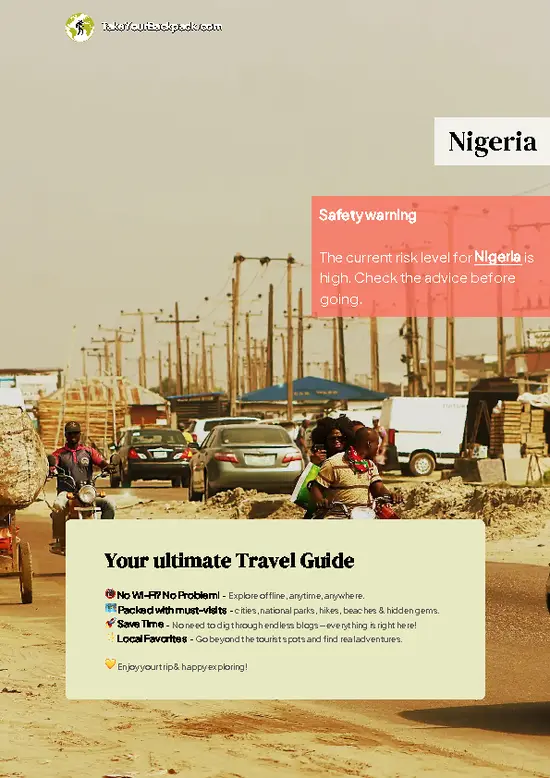
Safety warning

The current risk level for Nigeria is high. Check the advice before going.


Get your Nigeria guide
89 ranked highlights, routes & tips, works offline (332 pages)
Loading the map 🌍
CLICK TO FILTER
cities
towns
landmarks
national parks
hikes
beaches
attractions
festivals
regions
SHOW COUNTRY’S BESTSHOW ALL

✨ Why go?
Ranked #20 city in Nigeria
What makes this city worth visiting

Backpackers flock to Lokoja for its unique blend of affordability and convenience. The city serves as a solid basecamp for day trips, making it easy to explore nearby attractions without breaking the bank. Accommodations are budget-friendly, with a few decent hostels that foster a communal vibe. The food scene is a delightful mix of local flavors, perfect for those seeking authentic experiences. Plus, Lokoja’s walkability allows you to soak in the local culture without the hassle of transport. With a lively nightlife and straightforward onward travel options, it’s an ideal stop for those looking to balance adventure with comfort.
Want to include Lokoja in your Nigeria route?
Create a personalized Nigeria itinerary that includes Lokoja and the places that fit your trip — based on your travel style, budget, and available time. Get your route in seconds.

Generate my trip

💡 HighlightsEssential experiences to have while visiting Lokoja

  • Mount Patti — The defining landmark: a steep, walkable hill that gives the best panoramic view of Lokoja, the river bend and the Niger-Benue meeting point. Great for sunrise/sunset, a sweaty climb, and spotting the city layout from above.
  • Point of Confluence (Niger-Benue) — The actual river meeting (and the viewpoints around it). You can see two very different rivers mingle, take small boat trips, and watch local fishing and ferry activity — a simple but powerful natural spectacle.
  • Lugard’s Old Residency / Colonial House — The old British administrative building associated with Frederick Lugard. It’s a slice of colonial history (architecture, plaques, stories) and sits where you can picture the early days of modern Nigerian governance.
  • Colonial Cemetery / Military Graves on Mount Patti
read more 👉
  • Mount Patti — The defining landmark: a steep, walkable hill that gives the best panoramic view of Lokoja, the river bend and the Niger-Benue meeting point. Great for sunrise/sunset, a sweaty climb, and spotting the city layout from above.
  • Point of Confluence (Niger-Benue) — The actual river meeting (and the viewpoints around it). You can see two very different rivers mingle, take small boat trips, and watch local fishing and ferry activity — a simple but powerful natural spectacle.
  • Lugard’s Old Residency / Colonial House — The old British administrative building associated with Frederick Lugard. It’s a slice of colonial history (architecture, plaques, stories) and sits where you can picture the early days of modern Nigerian governance.
  • Colonial Cemetery / Military Graves on Mount Patti — A compact, atmospheric spot with old headstones and plaques that tell the human side of the colonial era; quiet and oddly moving if you like history in situ rather than in books.
  • Lokoja Central Market — The real-life heart of the city: hectic stalls, local produce, spices, fabrics and street food. Good for practicing bargaining, tasting local snacks and watching daily life up close.
  • Lokoja Riverfront / Jetty (Niger-side promenade) — Where river transport happens: jetties, canoes, ferries and evening gatherings. It’s a social place for watching the river traffic, taking short boat rides and photographing sunsets.
  • Old Lokoja Railway Terminus / Station area — Remnants of the colonial railway era and surrounding structures; not a polished museum but valuable for anyone into industrial/transport history and how the town grew around the river and rails.
  • St. John’s Anglican Church (historic church) — One of the longstanding Christian mission churches in the town with colonial-era architecture and local religious life on display. Worth a quick visit for architecture and history buffs.
  • Local Craft & Food Streets (around Broad Street / Main Market lanes) — Not a single building but a compact experience zone where woodwork, metalwork, local tailors and street-cooks show the city’s everyday creativity. Great for small souvenirs and real street eats.
  • Government House / Old Secretariat precinct — The cluster of official colonial-era buildings and public squares that mark Lokoja’s historical role as an administrative centre. You can’t always go inside every office, but the compound and exterior architecture are historically significant and fotografable.
A few nearby day-trip highlights: the Ajaokuta Steel Complex, Idah (the Attah Igala palace and riverside town) and Jebba/Jebba Dam are all visitable from Lokoja and make good excursions.
Spotted a mistake or missing something? Contact us.

🏘️ NeighborhoodsKey areas and districts to know

Lokoja offers a unique blend of history and local culture, making it a fascinating stop for backpackers. Here’s how the neighborhoods stack up:

Central Lokoja: This area buzzes with local markets and eateries. It’s affordable and walkable, perfect for short stays. Nightlife is low-key, with a few bars to unwind after a day of exploration.

Ganaja Village: A quieter vibe with a more residential feel. It’s great for longer stays, offering budget accommodations and easy access to nature. Transport options are decent, but you might need to rely on taxis for late-night outings.

Lokoja Waterfront: Stunning views and a relaxed atmosphere. Ideal for leisurely strolls and picnics. While it’s not the liveliest spot at night, it’s perfect for those seeking tranquility after a day of adventure.

⌛️ 1 day1-day itinerary for Lokoja

Lokoja, Nigeria, is a city where history and culture intertwine, sitting at the confluence of the Niger and Benue Rivers. Start your morning at the bustling Lokoja Market in the heart of town. Here, the vibrant energy is palpable as vendors sell everything from fresh produce to handmade crafts. Grab a local breakfast of akara (bean cakes) and pap (fermented corn pudding) from a street vendor; it’s a delicious way to fuel your day.

In the afternoon, head to the historic Confluence of Rivers Park. Take a leisurely stroll along the riverbanks, soaking in the views and the gentle breeze. This spot is often overlooked by tourists, but it offers a serene escape and a chance to reflect on the city’s rich heritage.

As evening approaches, make your way to the nearby Jebba Road area for dinner. Try … read more 👉
Lokoja, Nigeria, is a city where history and culture intertwine, sitting at the confluence of the Niger and Benue Rivers. Start your morning at the bustling Lokoja Market in the heart of town. Here, the vibrant energy is palpable as vendors sell everything from fresh produce to handmade crafts. Grab a local breakfast of akara (bean cakes) and pap (fermented corn pudding) from a street vendor; it’s a delicious way to fuel your day.

In the afternoon, head to the historic Confluence of Rivers Park. Take a leisurely stroll along the riverbanks, soaking in the views and the gentle breeze. This spot is often overlooked by tourists, but it offers a serene escape and a chance to reflect on the city’s rich heritage.

As evening approaches, make your way to the nearby Jebba Road area for dinner. Try a local eatery serving jollof rice and grilled fish. The flavors are bold and authentic, a true taste of Nigerian cuisine. Wrap up your day by watching the sunset over the rivers, a perfect end to your Lokoja adventure.
Turn your Lokoja visit into an Nigeria adventure
Build a complete Nigeria route with Lokoja, hidden gems, must-see destinations, and realistic travel times included.

Generate my trip

🌤️ When to go?Seasonal considerations and timing


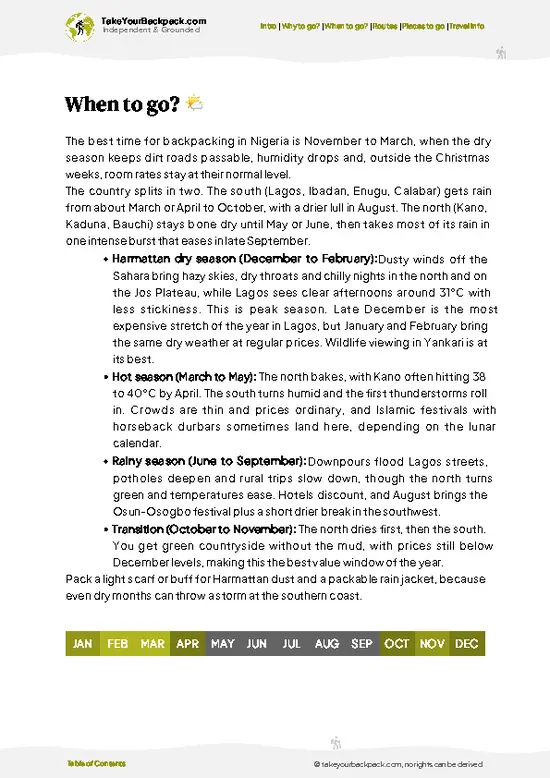
  • Topic: Weather – Lokoja’s climate swings between a hot, humid wet season (April to October) and a dry, dusty harmattan period (November to March). The wet season can bog down travel plans with heavy rains, while harmattan brings cooler, drier air but sometimes hazy skies.

  • Topic: Temperature – Expect highs around 32–35°C (90–95°F) year-round. Harmattan months drop nighttime temps to a comfortable 18–20°C (64–68°F), offering relief from the usual tropical heat.

  • Topic: Daylight Hours – Daylight remains steady near 12 hours daily, so no need to juggle early sunsets or dawns when planning hikes or city strolls.

  • Topic: Crowds – Peak local travel aligns with dry season holidays (December to January), so expect more bustle and higher prices then. The wet season sees fewer visitors, meaning
read more 👉

  • Topic: Weather – Lokoja’s climate swings between a hot, humid wet season (April to October) and a dry, dusty harmattan period (November to March). The wet season can bog down travel plans with heavy rains, while harmattan brings cooler, drier air but sometimes hazy skies.

  • Topic: Temperature – Expect highs around 32–35°C (90–95°F) year-round. Harmattan months drop nighttime temps to a comfortable 18–20°C (64–68°F), offering relief from the usual tropical heat.

  • Topic: Daylight Hours – Daylight remains steady near 12 hours daily, so no need to juggle early sunsets or dawns when planning hikes or city strolls.

  • Topic: Crowds – Peak local travel aligns with dry season holidays (December to January), so expect more bustle and higher prices then. The wet season sees fewer visitors, meaning quieter streets and better deals.

  • Topic: Seasonal Activities – Dry season hosts cultural festivals and river activities on the Niger, enhancing your experience. Wet season limits outdoor options but paints the landscape lush and green.

  • Topic: Price Fluctuations – Accommodation and transport costs spike during dry season holidays. Booking off-peak in the wet months can save you a solid chunk of cash, but factor in potential rain delays.


Pro-tip: Aim for late harmattan (February to March) to balance cooler temps, manageable crowds, and lively local events—your sweet spot for smart, comfortable backpacking in Lokoja.


source: climatestotravel.comJANJanuary: good for travelingFEBFebruary: excellent for travelingMARMarch: excellent for travelingAPRApril: fair for travelingMAYMay: fair for travelingJUNJune: fair for travelingJULJuly: fair for travelingAUGAugust: fair for travelingSEPSeptember: fair for travelingOCTOctober: fair for travelingNOVNovember: good for travelingDECDecember: good for traveling
when-to-go

✈️ The backpacker research shortcutNigeria Travel Guide

An offline-friendly backpacking guide with optimized travel routes, ranked highlights, transport advice, and the best areas to stay.
example page 0 from our offline Travel Guide for Nigeriaexample page 1 from our offline Travel Guide for Nigeriaexample page 2 from our offline Travel Guide for Nigeriaexample page 3 from our offline Travel Guide for Nigeriaexample page 4 from our offline Travel Guide for Nigeriaexample page 5 from our offline Travel Guide for Nigeriaexample page 6 from our offline Travel Guide for Nigeriaexample page 7 from our offline Travel Guide for Nigeria
The digital guide (332 pages) contains:
89 highlights, ranked by travel appeal
Optimized 7, 14 & 21-day travel routes
Cities, national parks, landmarks, beaches
How to get around
Offline-friendly for travel without Wi-Fi
👉 Click to see all 30+ guide features

📅 Plan smarter in minutes, not weeks
Month by month travel advice
Festivals & national holidays
Budget expectations

🗺️ Go to the right places, skip the overrated ones
Honest pros & cons of destinations
Top hikes, parks & viewpoints
Lesser-known places most travelers miss
Clear “worth it vs skip it” guidance

🛏️ Travel smoothly without rookie mistakes
Best areas to stay
Transport systems explained simply
Common scams & safety advice
SIM cards, money & practical tips

🌍 Understand the country, not just visit it
Culture & traditions
52 Essential phrases & customs
Festivals worth planning around
Traveler-friendly historical context
Insights that make places more meaningful

📱 Built for real travel conditions
Fully downloadable PDF
Works completely offline
Optimized for phone use
Useful in remote areas & buses
Everything in one place
Save weeks of stressful planning
Get instant access to your full guide. 30‑day money-back guarantee.


By proceeding you agree to our terms.
Sent to your inbox immediately after payment • 100% Secure Checkout
Best Backpacking Travel Advisor 2025 tourism awardBest Backpacking
Travel Advisor
2025
What others say about Take Your Backpack Guides:
⭐⭐⭐⭐⭐
Fantastic, amazing amount of information!
⭐⭐⭐⭐⭐
My goodness this is amazing, it's what I've been looking for hats off too you!
⭐⭐⭐⭐⭐
I think this is absolutely BRILLIANT
⭐⭐⭐⭐
Very complete and informative. It's still missing places, but I gotta to commend you
⭐⭐⭐⭐⭐
This is truly amazing, thank you, can't wait to explore it with my kids!
⭐⭐⭐⭐⭐
Awesome resource, thank you!
⭐⭐⭐⭐⭐
This is amazing! Can't wait to explore the ones I haven't seen
⭐⭐⭐⭐
I love this! Well done, great idea.
⭐⭐⭐⭐⭐
Thanks for taking the time to make this gem!
⭐⭐⭐⭐⭐
This might be the best website I've ever seen.
⭐⭐⭐⭐⭐
Congratulations, and thank you so much for your work; it's incredibly valuable.
⭐⭐⭐⭐
In all seriousness I think you did a great job pointing out the important spots
⭐⭐⭐⭐⭐
10/10 very good
⭐⭐⭐⭐⭐
As someone who's only just starting to visit regularly this is awesome, thank you.
⭐⭐⭐⭐
Thank you very much! I'm going to visit my dad, it's going to be very useful!
⭐⭐⭐⭐⭐
This is really cool! We'll be travelling for the first time and this definitely come in handy.
⭐⭐⭐⭐⭐
You are now our minister of culture, congratulations 👨‍💼
⭐⭐⭐⭐⭐
Just wanted to tell you that this is a pearl! Going to follow your recommendations.
⭐⭐⭐⭐⭐
This is so cool. I'll definitely be using the resource for my travels soon.
⭐⭐⭐⭐⭐
This is very impressive! Good work.
⭐⭐⭐⭐⭐
This is an amazing and informative site. Very well done!

🛏️ Where to stay?How to pick the right area

Lokoja’s best backpacker zones cluster around the city center and the riverside neighborhoods. These areas strike a smart balance: they’re safe enough to wander after dark, lively enough to meet fellow travelers, and affordable without feeling rundown. The city center hums with local markets and street food stalls, offering a social pulse that’s hard to beat. Riverside spots bring a calmer vibe, perfect for recharging while still close to essential services. Hostels are sparse but tend to pop up here, catering to solo adventurers who prize connection over luxury. Avoid the outskirts—transport … read more 👉
Lokoja’s best backpacker zones cluster around the city center and the riverside neighborhoods. These areas strike a smart balance: they’re safe enough to wander after dark, lively enough to meet fellow travelers, and affordable without feeling rundown. The city center hums with local markets and street food stalls, offering a social pulse that’s hard to beat. Riverside spots bring a calmer vibe, perfect for recharging while still close to essential services. Hostels are sparse but tend to pop up here, catering to solo adventurers who prize connection over luxury. Avoid the outskirts—transport costs and safety concerns spike, turning your budget and comfort into a losing game.

🚌 Getting aroundTransportation options and practical tips

Lokoja moves at its own rhythm—neither a frantic rush nor a slow crawl, but a blend of structured hustle and laid-back negotiation. The city’s pulse is set by a mix of formal timetables and the streetwise flexibility of its people. You’ll find that timing here is less about strict schedules and more about reading the flow: buses might leave when full, motorbikes dart unpredictably, and walking lets you soak in the city’s texture at your own pace. Understanding these trade-offs between time, money, and comfort is your key to mastering Lokoja’s transit game.


  • Walking: Free, obviously, and the best way to catch the city’s details up close. Perfect for short hops or when you want to avoid the unpredictability of vehicles, but it’s slow and can be tiring under the sun.

  • Okada (Motorcycle Taxi):
read more 👉
Lokoja moves at its own rhythm—neither a frantic rush nor a slow crawl, but a blend of structured hustle and laid-back negotiation. The city’s pulse is set by a mix of formal timetables and the streetwise flexibility of its people. You’ll find that timing here is less about strict schedules and more about reading the flow: buses might leave when full, motorbikes dart unpredictably, and walking lets you soak in the city’s texture at your own pace. Understanding these trade-offs between time, money, and comfort is your key to mastering Lokoja’s transit game.


  • Walking: Free, obviously, and the best way to catch the city’s details up close. Perfect for short hops or when you want to avoid the unpredictability of vehicles, but it’s slow and can be tiring under the sun.

  • Okada (Motorcycle Taxi): Fast and nimble, these dart through traffic with ease. Expect to pay around 200-500 NGN per ride. No fixed schedule—just flag one down when you need it. Comfort is minimal, but speed is high.

  • Danfo Bus: The cheapest motorized option, fares hover around 100-200 NGN. They run frequently but only leave when full, so timing is flexible but unpredictable. Expect crowding and basic comfort.

  • Shared Minibuses: Slightly more expensive (300-600 NGN), these offer a middle ground—faster than danfos, more space, and a semi-regular schedule. They’re a solid choice if you want to balance cost and comfort.

  • Private Taxi: The priciest option, often 1500 NGN and up, but you get door-to-door service and control over timing. Best for when you’re pressed for time or carrying heavy gear.

👛 Costs (as of 28 February 2026)How expensive it really is

Backpacking in Lokoja, Nigeria, offers a clear trade-off map between time, money, and comfort, with costs that reflect the city’s developing infrastructure and local economy.
  • Dorm Accommodation (High Season): Expect to pay around $10 to $15 per night. Options are limited but functional, often with basic amenities and shared bathrooms. High season can push prices slightly higher due to demand.
  • Dorm Accommodation (Off-Season): Prices drop to about $6 to $10 per night. Fewer travelers mean better bargaining power, but expect less availability and possibly reduced services.
  • Meals: Street food and local eateries dominate. A filling meal costs between $1.50 and $3.50. Western-style restaurants or more upscale places can push this to $7 or $8, but they’re rare and usually not essential for a genuine
read more 👉
Backpacking in Lokoja, Nigeria, offers a clear trade-off map between time, money, and comfort, with costs that reflect the city’s developing infrastructure and local economy.
  • Dorm Accommodation (High Season): Expect to pay around $10 to $15 per night. Options are limited but functional, often with basic amenities and shared bathrooms. High season can push prices slightly higher due to demand.
  • Dorm Accommodation (Off-Season): Prices drop to about $6 to $10 per night. Fewer travelers mean better bargaining power, but expect less availability and possibly reduced services.
  • Meals: Street food and local eateries dominate. A filling meal costs between $1.50 and $3.50. Western-style restaurants or more upscale places can push this to $7 or $8, but they’re rare and usually not essential for a genuine experience.
  • Local Transport: Motorbike taxis (okadas) and shared minibuses are the norm. Single rides typically cost $0.30 to $0.70 depending on distance and negotiation skills. Frequent use adds up but remains affordable.
  • City Transport Pass: Lokoja doesn’t have a formal city transport pass system. Budget travelers rely on cash payments for each trip, which means no upfront savings but flexibility in routes and timing.
  • Basic Activities/Entry Fees: Attractions like the Confluence Point or local markets usually have no entry fee or a nominal charge under $1. Organized tours or special cultural events can cost $5 to $10, but these are optional and infrequent.
  • Miscellaneous Expenses: This includes bottled water, snacks, occasional SIM cards, or small tips. Budget around $1 to $3 daily to cover these small but necessary extras.

In total, a backpacker in Lokoja can expect to spend roughly $10 to $25 per day, depending on season and personal comfort choices. This range balances basic needs with enough flexibility to enjoy the city without overspending or sacrificing essential comfort.


source: nigeriatravelguide.com
⚠️ Prices can change and everyone travels differently, so take this as a rough guide. Hope it helps you plan your adventure!

🚌 Day tripsEasy escapes and nearby places

Lokoja serves as a fantastic base for exploring Nigeria’s rich landscapes and cultures. Here are some day trips that pack a punch without draining your wallet or time.

Confluence of Rivers
Just a short 15-minute ride from Lokoja, the meeting point of the Niger and Benue Rivers is a sight to behold. You can enjoy a leisurely walk along the banks, take in the local fishing culture, and snap some stunning photos. It’s a perfect spot for a picnic, and you can do it all for under $5. The best time to visit is during the dry season, when the rivers are at their most picturesque. First-timers often overlook this gem, thinking it’s just a river junction. It’s much more.


Awhum Waterfall
About an hour’s drive from Lokoja, Awhum Waterfall is a refreshing escape. The cascading water tumbles over … read more 👉
Lokoja serves as a fantastic base for exploring Nigeria’s rich landscapes and cultures. Here are some day trips that pack a punch without draining your wallet or time.

Confluence of Rivers
Just a short 15-minute ride from Lokoja, the meeting point of the Niger and Benue Rivers is a sight to behold. You can enjoy a leisurely walk along the banks, take in the local fishing culture, and snap some stunning photos. It’s a perfect spot for a picnic, and you can do it all for under $5. The best time to visit is during the dry season, when the rivers are at their most picturesque. First-timers often overlook this gem, thinking it’s just a river junction. It’s much more.


Awhum Waterfall
About an hour’s drive from Lokoja, Awhum Waterfall is a refreshing escape. The cascading water tumbles over rocks, creating a serene atmosphere perfect for a day of relaxation. The entrance fee is minimal, around $2, making it budget-friendly. Visit during the rainy season for a more robust flow, but be cautious of slippery paths. Many backpackers miss out on the hike to the top for panoramic views—don’t be one of them!
👉 Explore Awhum Waterfall

Kogi State Cultural Festival
If your timing is right, catch the Kogi State Cultural Festival, usually held in the dry season. It’s a vibrant showcase of local music, dance, and food, all for free! You’ll need to plan your trip around the festival dates, but it’s worth it for the authentic experience. Many travelers underestimate the cultural richness here, thinking they’ll find only nature.
Want to know what more Nigeria offers?
The Nigeria Travel Guide describes 89 highlights, from cities to national parks, from beaches to hikes

Get the Travel Guide -

🍲 FoodLocal Flavors for Backpackers

In Lokoja, food is a vibrant tapestry of flavors. Dive into jollof rice, a spicy, tomato-infused dish that’s a staple at every gathering. Pair it with suya, skewered meat grilled to perfection, bursting with spices that dance on your palate.

Street food stalls are your best bet for authentic bites. The local markets hum with energy, offering everything from puff-puff (sweet fried dough) to akara (bean cakes).

When it comes to drinks, don’t miss out on zobo, a refreshing hibiscus drink that cools you down. Remember, sharing food is a sign of friendship here; so, don’t hesitate to join in the communal spirit. Enjoy the flavors and the connections!

🛡️ SafetyScams, Hazards, and Annoyances

Lokoja is generally safe, but like any city, it has its quirks. Stay alert in crowded markets; pickpockets can be a nuisance. If you’re solo, avoid wandering too far after dark. The riverfront can be quiet at night, so stick to well-lit areas.

Watch for common scams, like inflated taxi fares or overly friendly locals offering unsolicited help. A firm but polite “no, thank you” usually does the trick. Carry yourself confidently, and you’ll navigate Lokoja like a pro.

Other Nigerian cities near Lokoja

Explore more nearby:

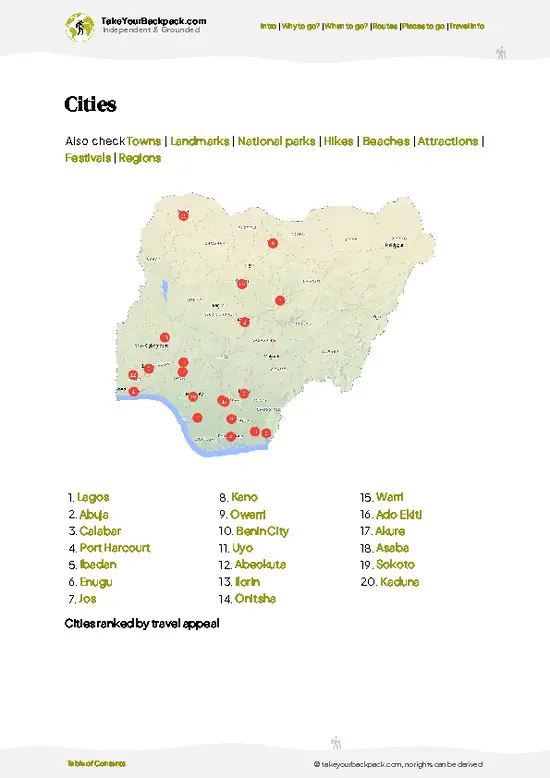
  • Okene—Ebira culture, weaving centers, rocky hills| 60 km away
  • Bida—brasswork, Nupe traditions, river proximity| 163 km away
  • Ado Ekiti—rolling hills, university campus, local festivals| 166 km away

💡 Not sure where to go next?
Create a personalized itinerary for Nigeria including Lokoja and the places that fit your trip.

Generate my itinerary

👉 Discover all cities

Or checkout all Nigeria has to offer (think cities, towns, villages, national parks, hikes, beaches, festivals)
Country photo of Nigeria

We 💚 feedbackFinal thoughts on visiting Lokoja

Lokoja has a raw, unfiltered vibe that’s hard to find elsewhere. The best surprise? The confluence of the Niger and Benue rivers—watching the sunset there is magic. Just a heads-up: the heat can be relentless, so stay hydrated and pace yourself.

✍️ Help improve this page!
The information on this page is based on in-depth research, insights shared by experienced travelers, and feedback from the local travel community in Nigeria. While every effort is made to keep the information accurate and current, conditions can change — so if you spot anything incorrect or outdated, please get in touch.


🙋‍♂️ Give feedback

👋 Meet the founderWho’s Behind Take Your Backpack?

Johan, backpacker and founder of TakeYourBackpackHi, I’m Johan (Netherlands 🇳🇱), the creator of TakeYourBackpack. Over the past decade, I’ve backpacked through 80+ countries across six continents, gaining extensive experience with independent travel, long-term trips, and overland routes.

This site is built on a combination of firsthand travel experience and carefully curated insights from other backpackers. Many guides are based on places I’ve personally visited, while others bring together tips, observations, and practical advice shared by trusted travelers I’ve met along the way.

The goal is to provide realistic, experience-driven guidance — not generic itineraries — so you can explore destinations with better context, clearer expectations, and more confidence.

Get full Nigeria guide •
Instant download • 89 highlights • Full Offline guide