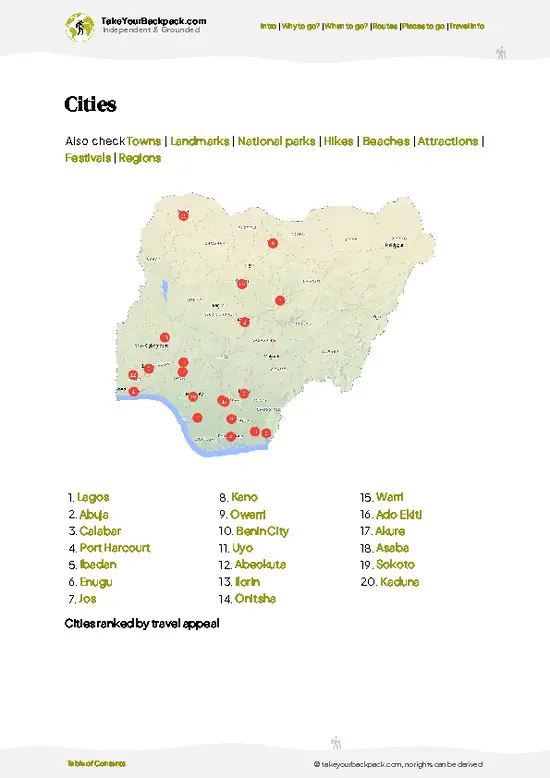
How many cities to visit: Visit two or three cities on a trip of two weeks, and two on a shorter one. That number holds because transfers eat whole days, power cuts and traffic cut into plans, and each place needs a few days to start making sense. Seeing five cities in ten days means seeing five bus stations.
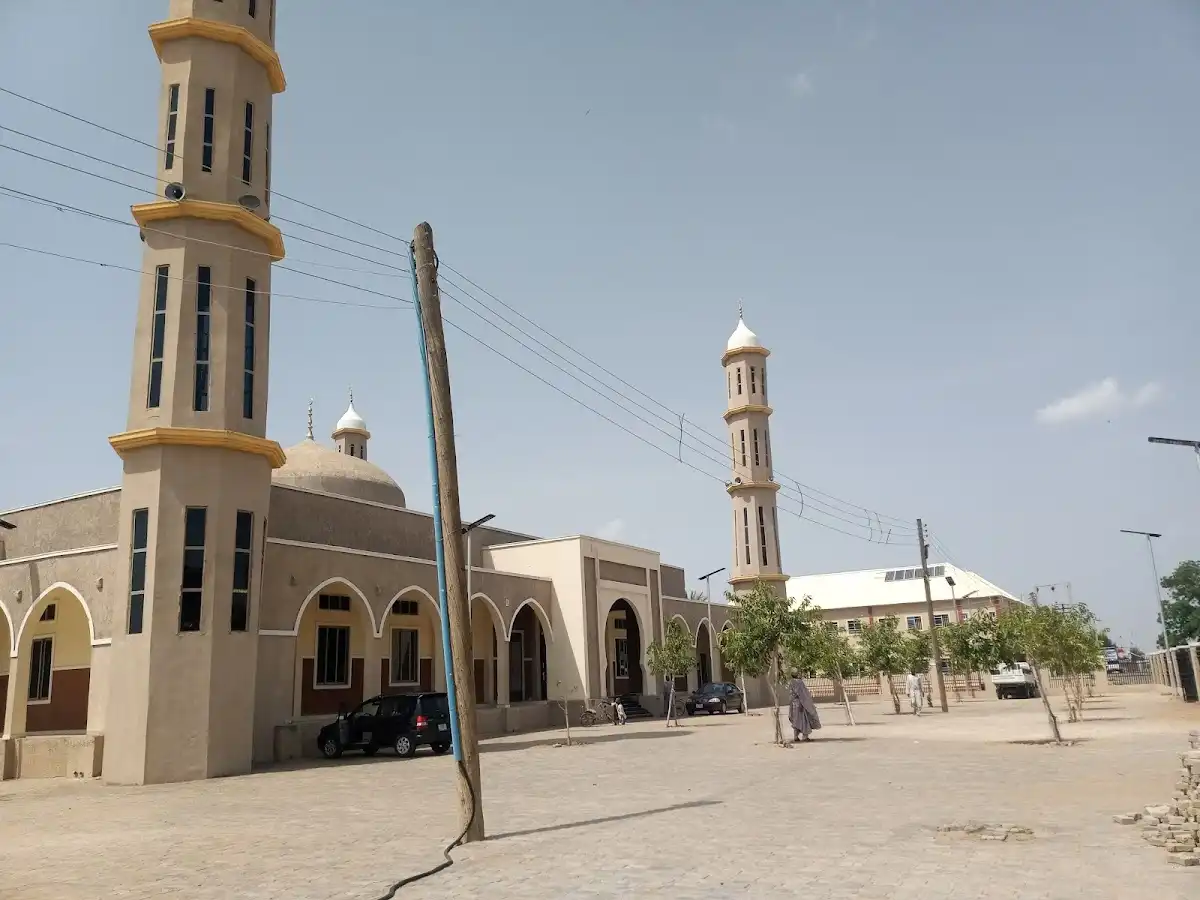
Choosing between kinds of cities: Pick a big southern port or commercial hub if you want music, nightlife, food and art. It is the most intense option and the most expensive. Choose a planned inland capital if you want calm streets, easy taxis and a base for logistics, though it has less street culture. Choose an older northern or middle-belt city for traditional architecture, dye pits, markets and a slower rhythm, but only after checking current security advice for that state. A solo …
read more 👉 How many cities to visit: Visit two or three cities on a trip of two weeks, and two on a shorter one. That number holds because transfers eat whole days, power cuts and traffic cut into plans, and each place needs a few days to start making sense. Seeing five cities in ten days means seeing five bus stations.
Choosing between kinds of cities: Pick a big southern port or commercial hub if you want music, nightlife, food and art. It is the most intense option and the most expensive. Choose a planned inland capital if you want calm streets, easy taxis and a base for logistics, though it has less street culture. Choose an older northern or middle-belt city for traditional architecture, dye pits, markets and a slower rhythm, but only after checking current security advice for that state. A solo first-timer should start in the south, where English is widely spoken and ride-hailing apps work.
What it costs: A budget traveler should plan on US$30 to 55 a day outside peak season, and US$60 to 100 a day for comfort. Guesthouses and basic hotels run about US$15 to 40 a night, and bigger southern cities cost more. A street meal costs US$1 to 3, a restaurant meal US$5 to 12. Ride-hailing within a city runs US$2 to 8 a trip, but fares surge in rain and traffic. Museum and gallery entry is usually under US$5 to 10, and a private guide or driver for a day costs US$30 to 70, including fuel. A realistic budget for each city visit of three days is US$120 to 250, including transport.
Costs and mistakes that catch travelers out: Exchange rates move fast, and airport and informal rates can differ widely, so check the current rate before changing cash and use ATMs inside banks. Carry small notes, because change is often unavailable. Hotels without a generator leave you in the dark and the heat, so confirm backup power and air conditioning when booking. Taxi fares agreed after the ride tend to rise, so settle the price first or use an app. Police and informal roadblocks may ask for “dash,” a small payment. Stay calm, be polite, and carry photocopies of your passport and visa instead of originals.
Safety and cultural considerations: Check current government advisories before choosing any northern or northeastern city, as some states carry the highest warning levels. In all cities, avoid walking at night, keep phones out of sight near roads and avoid displaying valuables. Use registered taxis or ride-hailing, and have your hotel arrange airport pickups, especially in the largest southern hubs. Dress modestly in the north, where Sharia law applies in many states, alcohol may be restricted and public displays of affection draw disapproval. Ask before photographing people, markets and any government or military building, as that can lead to detention. Greetings matter: a handshake and a proper hello before any question go a long way, and use your right hand for eating and passing things.
What is not worth the time: Skip trying to see everything in one go. Skip the crowded peak December weeks unless you want the party. Skip unlicensed tour touts who approach you at transport stations, and book through your accommodation instead. Carry cash, a power bank and patience, and your trip will go much better.
v2.webp)


 Best Backpacking
.jpg) Hi, I’m Johan (Netherlands 🇳🇱), the creator of TakeYourBackpack. Over the past 3 decades, I’ve backpacked through 90+ countries across six continents, gaining extensive experience with independent travel, long-term trips, and overland routes.
Hi, I’m Johan (Netherlands 🇳🇱), the creator of TakeYourBackpack. Over the past 3 decades, I’ve backpacked through 90+ countries across six continents, gaining extensive experience with independent travel, long-term trips, and overland routes.