×

Nigeria🇳🇬 | citiesIfeancient sculptures, university campus, spiritual shrines | things to do and best time to go

Explore IlesaExplore Iwo

Backpacking in Ife
🏆 Top pickcity ranked #1
By Johan Kruseman 🇳🇱 | Updated June 9, 2026

If you crave neon nightlife, international chain cafés, or a city that runs on tourist autopilot, Ife will frustrate you. But for backpackers who want to feel the pulse of southwestern Nigeria—dust on your boots, history in the air, and the scent of roasting corn drifting through the market—this town rewards patience. Ife sits inland, about four hours north of Lagos, and is the spiritual heart of the Yoruba people. The town itself is no postcard: traffic can snarl, and the infrastructure is basic. But step into the ancient palace grounds or the National Museum, and you’ll sense centuries of stories pressing in. Ife works best as a cultural anchor, not a party base—think slow evenings, street food, and the occasional university crowd at a local bar. It’s not a hostel hotspot, but you’ll find guesthouses and a few budget hotels. Getting here means a bumpy bus ride; getting around is mostly by shared taxi or on foot. Compared to the bustle of Ibadan or the tourist gloss of Osogbo, Ife feels more lived-in, less curated, and—if you let it—more rewarding. Costs are low, safety is manageable with street smarts, and the real payoff is the sense of being somewhere that matters, even if it doesn’t always try to impress you.

Discover everything you want to know in the 📖 Nigeria Travel Guide.
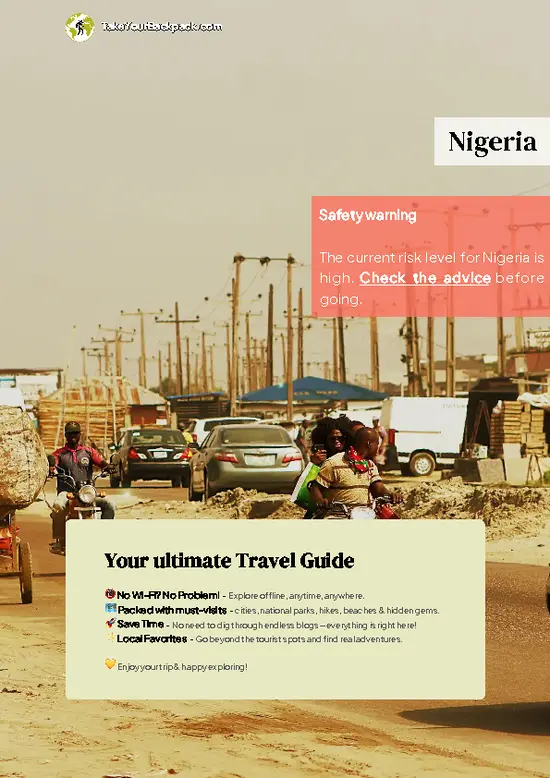
Safety warning

The current risk level for Nigeria is high. Check the advice before going.


Get your Nigeria guide
89 ranked highlights, routes & tips, works offline (332 pages)
Loading the map 🌍
CLICK TO FILTER
cities
towns
landmarks
national parks
hikes
beaches
attractions
festivals
regions
SHOW COUNTRY’S BESTSHOW ALL

✨ Why go?
Ranked #1 city in Nigeria
What sets this place apart

Backpackers flock to Ife for its strategic location—a gateway to nearby hikes and cultural sites. The town’s walkable streets invite exploration, where you can stumble upon local food stalls serving spicy jollof rice that fills the air with mouthwatering aromas. Small-scale hostels and guesthouses offer a cozy atmosphere, perfect for solo travelers or those in small groups looking to connect. Most visitors stay a few days, soaking in the friendly vibe and engaging with locals. It’s not a party hub, but rather a place for slow travelers who appreciate the journey as much as the destination. If you’re seeking a blend of culture and nature, Ife is your launchpad.
Want to include Ife in your Nigeria route?
Create a personalized Nigeria itinerary that includes Ife and the places that fit your trip — based on your travel style, budget, and available time. Get your route in seconds.

Generate my trip

💡 HighlightsDon't-miss highlights and experiences

  1. Ooni’s Palace (Arole Oodua) — The living seat of the Ooni of Ife, central to Yoruba identity. The compound, carved wood, and palace courtyards are where history and contemporary royalty meet; try to time a visit during court hours or one of the open cultural events and be prepared to ask permission from palace officials.
  2. Ife National Museum (Ile-Ife Museum of Antiquities) — Home to the famous Ife terracotta and bronze heads and other pre-modern Yoruba pieces. Seeing the originals in person gives a real sense of the city’s importance in West African art history.
  3. Opa Oranmiyan (Oranmiyan’s Obelisk) — A tall monolith associated with the legendary founder Oranmiyan; a compact, visible landmark that ties story, kingship and place together — great for photos and quick local history lessons from
read more 👉
  1. Ooni’s Palace (Arole Oodua) — The living seat of the Ooni of Ife, central to Yoruba identity. The compound, carved wood, and palace courtyards are where history and contemporary royalty meet; try to time a visit during court hours or one of the open cultural events and be prepared to ask permission from palace officials.
  2. Ife National Museum (Ile-Ife Museum of Antiquities) — Home to the famous Ife terracotta and bronze heads and other pre-modern Yoruba pieces. Seeing the originals in person gives a real sense of the city’s importance in West African art history.
  3. Opa Oranmiyan (Oranmiyan’s Obelisk) — A tall monolith associated with the legendary founder Oranmiyan; a compact, visible landmark that ties story, kingship and place together — great for photos and quick local history lessons from guides nearby.
  4. Olojo Festival (annual) — If you can time it, this is the single most intense living expression of Ife’s past: processions, chiefs in full regalia and rituals that squarely link the modern town to its origin myths. It’s an experiential must, not just a photo op.
  5. Obafemi Awolowo University (OAU) campus — The campus is worth a stroll for its mature trees, distinctive mid-century architecture, student energy and small campus museums/galleries. It’s a relaxed place to see academic life in Ife and discover on-campus displays of local art and archaeology.
  6. Ife Central Market (main market / craft quarter) — A lively, authentic market where traders sell cloth, beads, brassware and everyday goods. The craft stalls are the best way to see (and buy) local beadwork, adire textiles and small bronzes without the museum glass.
  7. Artisan workshops: brass/bronze casters and beadmakers — Scattered around town are small foundries and bead studios where you can watch traditional metal-casting and bead production. It’s hands-on cultural craft — ask locally for a reputable place to visit.
  8. Royal compounds and shrines around the palace — Several smaller palace courtyards, shrines and memorial spots tied to past rulers (Obalufon and other important figures) are visitable with local guidance; they’re compact, ritual-rich sites that explain royal continuity in Ife.
  9. Ife archaeological spots and open-air find sites — There are marked locations in and around town where famous heads and objects were excavated; visiting gives context to the museum pieces and lets you stand where history was literally dug up.
  10. Adire and textile studios — Ife has active batik/tie-dye (adire) practitioners; visiting a studio shows the dyeing process, lets you try resist techniques, and is a good way to buy authentic textile souvenirs made locally.
A few solid day-trip options just outside Ife: the UNESCO Osun-Osogbo Sacred Grove in nearby Osogbo, the market and craft towns around Ede, and the historic market town of Ilesa — all reachable in a couple of hours and easy to combine with an Ife stay.
Spotted a mistake or missing something? Contact us.
🏘️ NeighborhoodsUnderstanding the local layout

Ife is a vibrant hub of culture and history, perfect for backpackers seeking authenticity.

Ife Central: This is the heartbeat of the town. Bustling markets and street vendors fill the air with the aroma of spicy jollof rice. It’s walkable, with plenty of budget-friendly accommodations. Nightlife here is lively but not overwhelming, making it ideal for short stays.

Ife University Area: Home to students and academics, this area buzzes with youthful energy. Cafés serve strong coffee, and the vibe is relaxed. Public transport is accessible, and you’ll find affordable guesthouses. Perfect for longer stays if you want to soak in the local culture.

Ife Old Town: A quieter, more historical section. Cobblestone streets and traditional architecture create a serene atmosphere. It’s less touristy, … read more 👉
Ife is a vibrant hub of culture and history, perfect for backpackers seeking authenticity.

Ife Central: This is the heartbeat of the town. Bustling markets and street vendors fill the air with the aroma of spicy jollof rice. It’s walkable, with plenty of budget-friendly accommodations. Nightlife here is lively but not overwhelming, making it ideal for short stays.

Ife University Area: Home to students and academics, this area buzzes with youthful energy. Cafés serve strong coffee, and the vibe is relaxed. Public transport is accessible, and you’ll find affordable guesthouses. Perfect for longer stays if you want to soak in the local culture.

Ife Old Town: A quieter, more historical section. Cobblestone streets and traditional architecture create a serene atmosphere. It’s less touristy, offering a genuine feel of local life. Walkability is good, but transport options are limited. Ideal for those wanting a peaceful retreat.

Ife Cultural District: Rich in museums and art galleries, this area is a treasure trove for culture enthusiasts. The vibe is contemplative, with plenty of spots to reflect. While accommodations can be pricier, the experience is worth it for longer visits.

⌛️ 1 daySeeing the highlights in 24 hours

Ife, Nigeria, is a town steeped in history and culture, known as the cradle of Yoruba civilization. The air is thick with the scent of jollof rice from street vendors, and the vibrant colors of traditional attire paint the streets. Start your morning at the Ife Museum, where the ancient terracotta sculptures whisper stories of a rich past. The museum opens early, allowing you to soak in the artifacts before the crowds arrive.

As the sun climbs higher, wander through the nearby Enuwa Market. The lively chatter and the aroma of spices create an intoxicating atmosphere. Grab a few local snacks—perhaps some puff-puff or chin chin—to fuel your exploration.

In the afternoon, head to the sacred Ooni’s Palace. While it’s a well-known spot, take a detour to the less-visited Aafin Ooni, where you … read more 👉
Ife, Nigeria, is a town steeped in history and culture, known as the cradle of Yoruba civilization. The air is thick with the scent of jollof rice from street vendors, and the vibrant colors of traditional attire paint the streets. Start your morning at the Ife Museum, where the ancient terracotta sculptures whisper stories of a rich past. The museum opens early, allowing you to soak in the artifacts before the crowds arrive.

As the sun climbs higher, wander through the nearby Enuwa Market. The lively chatter and the aroma of spices create an intoxicating atmosphere. Grab a few local snacks—perhaps some puff-puff or chin chin—to fuel your exploration.

In the afternoon, head to the sacred Ooni’s Palace. While it’s a well-known spot, take a detour to the less-visited Aafin Ooni, where you can witness the daily life of the palace grounds. The intricate carvings and lush gardens offer a serene contrast to the bustling market.

As evening approaches, stroll through the quiet streets of the Oke-Are neighborhood. The fading light casts a warm glow on the mud-brick houses, and you might catch a glimpse of locals gathering for evening prayers. End your day at a local eatery, savoring a bowl of efo riro while listening to the rhythmic sounds of the town winding down. Each moment in Ife is a thread in the rich tapestry of its history, making every step feel like a meaningful journey.
Turn your Ife visit into an Nigeria adventure
Build a complete Nigeria route with Ife, hidden gems, must-see destinations, and realistic travel times included.

Generate my trip

🌤️ When to go?Best time to visit Ife


  • Topic: Weather – Ife’s climate swings between a wet season (April to October) and a dry season (November to March). The dry months bring clearer skies and less humidity, making hiking and exploring the ancient sites more comfortable. Rain during the wet season can turn trails muddy and unpredictable.

  • Topic: Temperature – Expect daytime highs around 30–33°C (86–91°F) in the dry season, with nights cooling to 20–23°C (68–73°F). The wet season feels hotter and stickier, often pushing 34°C (93°F) with heavy humidity that can sap your energy fast.

  • Topic: Daylight Hours – Daylight stays steady year-round, roughly 12 hours, but the dry season’s clearer skies mean you get more usable daylight for trekking and photography without the threat of sudden downpours.

  • Topic: Crowds – Ife isn’t a
read more 👉

  • Topic: Weather – Ife’s climate swings between a wet season (April to October) and a dry season (November to March). The dry months bring clearer skies and less humidity, making hiking and exploring the ancient sites more comfortable. Rain during the wet season can turn trails muddy and unpredictable.

  • Topic: Temperature – Expect daytime highs around 30–33°C (86–91°F) in the dry season, with nights cooling to 20–23°C (68–73°F). The wet season feels hotter and stickier, often pushing 34°C (93°F) with heavy humidity that can sap your energy fast.

  • Topic: Daylight Hours – Daylight stays steady year-round, roughly 12 hours, but the dry season’s clearer skies mean you get more usable daylight for trekking and photography without the threat of sudden downpours.

  • Topic: Crowds – Ife isn’t a tourist hotspot, but local festivals like the Olojo Festival in October draw crowds. Visiting just before or after these events means quieter streets and more authentic interactions.

  • Topic: Seasonal Activities – The dry season is prime for outdoor cultural tours and visiting sacred groves. The wet season, while lush, limits these options and can disrupt transport due to flooded roads.

  • Topic: Price Fluctuations – Accommodation and transport costs dip during the wet season due to fewer visitors, but the trade-off is less reliable weather. The dry season commands slightly higher prices but rewards with smoother logistics and better conditions.


Pro-tip: Aim for late November to February—dry, cooler, and calm—so you can savor Ife’s history and landscapes without battling mud or crowds.


source: climatestotravel.comJANJanuary: excellent for travelingFEBFebruary: excellent for travelingMARMarch: highly recommended for travelingAPRApril: fair for travelingMAYMay: fair for travelingJUNJune: fair for travelingJULJuly: fair for travelingAUGAugust: fair for travelingSEPSeptember: fair for travelingOCTOctober: good for travelingNOVNovember: highly recommended for travelingDECDecember: excellent for traveling
when-to-go

✈️ The backpacker research shortcutNigeria Travel Guide

An offline-friendly backpacking guide with optimized travel routes, ranked highlights, transport advice, and the best areas to stay.
example page 0 from our offline Travel Guide for Nigeriaexample page 1 from our offline Travel Guide for Nigeriaexample page 2 from our offline Travel Guide for Nigeriaexample page 3 from our offline Travel Guide for Nigeriaexample page 4 from our offline Travel Guide for Nigeriaexample page 5 from our offline Travel Guide for Nigeriaexample page 6 from our offline Travel Guide for Nigeriaexample page 7 from our offline Travel Guide for Nigeria
The digital guide (332 pages) contains:
89 highlights, ranked by travel appeal
Optimized 7, 14 & 21-day travel routes
Cities, national parks, landmarks, beaches
How to get around
Offline-friendly for travel without Wi-Fi
👉 Click to see all 30+ guide features

📅 Plan smarter in minutes, not weeks
Month by month travel advice
Festivals & national holidays
Budget expectations

🗺️ Go to the right places, skip the overrated ones
Honest pros & cons of destinations
Top hikes, parks & viewpoints
Lesser-known places most travelers miss
Clear “worth it vs skip it” guidance

🛏️ Travel smoothly without rookie mistakes
Best areas to stay
Transport systems explained simply
Common scams & safety advice
SIM cards, money & practical tips

🌍 Understand the country, not just visit it
Culture & traditions
52 Essential phrases & customs
Festivals worth planning around
Traveler-friendly historical context
Insights that make places more meaningful

📱 Built for real travel conditions
Fully downloadable PDF
Works completely offline
Optimized for phone use
Useful in remote areas & buses
Everything in one place
Save weeks of stressful planning
Get instant access to your full guide. 30‑day money-back guarantee.


By proceeding you agree to our terms.
Sent to your inbox immediately after payment • 100% Secure Checkout
Best Backpacking Travel Advisor 2025 tourism awardBest Backpacking
Travel Advisor
2025
What others say about Take Your Backpack Guides:
⭐⭐⭐⭐⭐
Fantastic, amazing amount of information!
⭐⭐⭐⭐⭐
My goodness this is amazing, it's what I've been looking for hats off too you!
⭐⭐⭐⭐⭐
I think this is absolutely BRILLIANT
⭐⭐⭐⭐
Very complete and informative. It's still missing places, but I gotta to commend you
⭐⭐⭐⭐⭐
This is truly amazing, thank you, can't wait to explore it with my kids!
⭐⭐⭐⭐⭐
Awesome resource, thank you!
⭐⭐⭐⭐⭐
This is amazing! Can't wait to explore the ones I haven't seen
⭐⭐⭐⭐
I love this! Well done, great idea.
⭐⭐⭐⭐⭐
Thanks for taking the time to make this gem!
⭐⭐⭐⭐⭐
This might be the best website I've ever seen.
⭐⭐⭐⭐⭐
Congratulations, and thank you so much for your work; it's incredibly valuable.
⭐⭐⭐⭐
In all seriousness I think you did a great job pointing out the important spots
⭐⭐⭐⭐⭐
10/10 very good
⭐⭐⭐⭐⭐
As someone who's only just starting to visit regularly this is awesome, thank you.
⭐⭐⭐⭐
Thank you very much! I'm going to visit my dad, it's going to be very useful!
⭐⭐⭐⭐⭐
This is really cool! We'll be travelling for the first time and this definitely come in handy.
⭐⭐⭐⭐⭐
You are now our minister of culture, congratulations 👨‍💼
⭐⭐⭐⭐⭐
Just wanted to tell you that this is a pearl! Going to follow your recommendations.
⭐⭐⭐⭐⭐
This is so cool. I'll definitely be using the resource for my travels soon.
⭐⭐⭐⭐⭐
This is very impressive! Good work.
⭐⭐⭐⭐⭐
This is an amazing and informative site. Very well done!

🛏️ Where to stay?Choosing the right base

In Ife, the heartbeat for backpackers pulses strongest around the city center and the Obafemi Awolowo University (OAU) campus area. This zone isn’t just a place to crash; it’s where the city’s youthful energy and cultural pulse converge. The streets here hum with the chatter of students, street vendors, and local artisans, creating a lively backdrop that’s both safe and social. You’ll find budget accommodations and hostels clustered around these spots, designed to welcome solo travelers and groups alike without the stiff formality of pricier hotels.

Why stick here? Because safety in Ife is often … read more 👉
In Ife, the heartbeat for backpackers pulses strongest around the city center and the Obafemi Awolowo University (OAU) campus area. This zone isn’t just a place to crash; it’s where the city’s youthful energy and cultural pulse converge. The streets here hum with the chatter of students, street vendors, and local artisans, creating a lively backdrop that’s both safe and social. You’ll find budget accommodations and hostels clustered around these spots, designed to welcome solo travelers and groups alike without the stiff formality of pricier hotels.

Why stick here? Because safety in Ife is often about blending in with the local rhythm. The university area offers a natural shield—well-lit streets, regular foot traffic, and a community vibe that discourages trouble. It’s also where you’ll catch the scent of fresh akara frying on street corners and hear the occasional beat of traditional drums spilling from nearby bars or cultural centers. This isn’t just a place to sleep; it’s a place to soak in the city’s character.

Compared to the quieter, more residential outskirts, the city center and university district keep you connected—to people, to culture, and to the pulse of Ife itself. It’s the kind of neighborhood where you can step out at dusk and feel the city’s warmth, not its shadows.

🚌 Getting aroundMoving around without the hassle

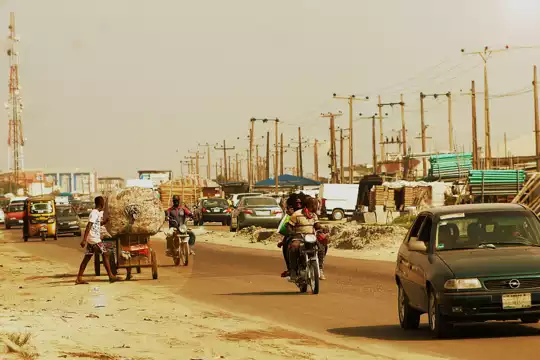
Ife moves at its own rhythm, a blend of deliberate tradition and bursts of spontaneous energy. The sun casts long shadows over dusty streets where the scent of earth and wood smoke lingers, and the chatter of market vendors spills into the air like a steady pulse. Time here isn’t dictated by clocks but by the flow of daily life—people arrive when they can, buses leave when they fill, and the town’s heartbeat is measured in moments, not minutes. This isn’t a place for rigid schedules; it’s a place where patience unlocks the real experience, and understanding the local flow turns transit from a hassle into a part of the adventure.


  • Walking: The most straightforward way to get around Ife’s compact center. Streets are a mix of packed earth and worn pavement, with plenty of shade from mango
read more 👉
Ife moves at its own rhythm, a blend of deliberate tradition and bursts of spontaneous energy. The sun casts long shadows over dusty streets where the scent of earth and wood smoke lingers, and the chatter of market vendors spills into the air like a steady pulse. Time here isn’t dictated by clocks but by the flow of daily life—people arrive when they can, buses leave when they fill, and the town’s heartbeat is measured in moments, not minutes. This isn’t a place for rigid schedules; it’s a place where patience unlocks the real experience, and understanding the local flow turns transit from a hassle into a part of the adventure.


  • Walking: The most straightforward way to get around Ife’s compact center. Streets are a mix of packed earth and worn pavement, with plenty of shade from mango and iroko trees. Walking lets you soak in the smells of fresh produce and hear the rhythm of local life up close. It’s free, naturally, and perfect for short hops between markets, shrines, and eateries.


  • Okada (Motorcycle Taxi): These buzzing two-wheelers dart through traffic with a speed and agility that cars can only envy. Fares are negotiable but generally cheap—expect to pay around 100 to 200 Naira for short rides. They run from dawn until late evening, but be ready for a bumpy, open-air ride that’s as much about the thrill as the destination. Helmets aren’t always standard, so hold on tight.


  • Danfo (Minibus): The backbone of Ife’s public transit, these minibuses follow semi-fixed routes but leave only when full. They’re slow and crowded, but dirt-cheap at about 50 to 100 Naira per trip. Danfos run roughly from 6 a.m. to 8 p.m., weaving through the town’s main arteries. Riding one is a lesson in local patience and negotiation, but it’s the best way to travel longer distances without breaking the bank.


  • Shared Taxis: These sedans or small cars operate on popular routes and offer a slightly faster, more comfortable ride than danfos. Prices hover around 200 to 300 Naira. They don’t run on a strict timetable but tend to fill up quickly during peak hours. If you’re carrying luggage or want a break from the chaos, this is a solid middle ground.


  • Bicycle Rentals: Less common but growing in popularity, renting a bicycle gives you freedom to explore at your own pace without the sweat of walking. Rentals cost around 500 Naira per day. The terrain is mostly flat with occasional hills, and the early morning or late afternoon light makes for a pleasant ride. Just watch for potholes and the occasional stray goat.

👛 Costs (as of 3 March 2026)Money, prices, and spending tips

Backpacking in Ife, Nigeria, offers a raw, authentic experience where your budget stretches further than in many other West African towns, but knowing the local cost landscape sharpens your edge.
  • Dorm Accommodation: Expect to pay around $5 to $10 per night for a basic dorm bed. Options are limited and often simple, with fan rooms rather than air conditioning. The vibe is communal and straightforward, perfect if you want to connect with other travelers or locals.
  • Meals: Street food and local eateries dominate here. A filling meal of traditional dishes like amala or pounded yam with soup will cost between $1.50 and $3.50. If you opt for a small restaurant, prices might rise slightly but rarely exceed $5 per meal. Fresh fruit and snacks from markets are even cheaper and add a sensory layer
read more 👉
Backpacking in Ife, Nigeria, offers a raw, authentic experience where your budget stretches further than in many other West African towns, but knowing the local cost landscape sharpens your edge.
  • Dorm Accommodation: Expect to pay around $5 to $10 per night for a basic dorm bed. Options are limited and often simple, with fan rooms rather than air conditioning. The vibe is communal and straightforward, perfect if you want to connect with other travelers or locals.
  • Meals: Street food and local eateries dominate here. A filling meal of traditional dishes like amala or pounded yam with soup will cost between $1.50 and $3.50. If you opt for a small restaurant, prices might rise slightly but rarely exceed $5 per meal. Fresh fruit and snacks from markets are even cheaper and add a sensory layer of local flavor.
  • Local Transport: Transport is mostly by shared minibuses or motorcycle taxis (okadas). A typical short ride costs about $0.30 to $0.70. For longer trips within town, budget up to $1.50. The streets buzz with activity, and the transport system is chaotic but efficient once you get the rhythm.
  • Basic Activities/Entry Fees: Ife’s main draws are cultural and historical sites, many of which have low or no entry fees. Expect to pay around $1 to $3 for museum or shrine visits. Guided tours are rare and usually arranged informally, so fees vary but stay modest.
  • Miscellaneous Expenses: This covers essentials like bottled water, snacks, phone credit, or small souvenirs. Plan for about $1 to $3 daily. Water quality demands bottled or filtered water, which is a small but necessary expense.

In total, a realistic daily budget for backpacking in Ife ranges from about $10 to $20. This keeps you comfortably covered without cutting corners, letting you soak in the town’s atmosphere without the stress of overspending.
⚠️ Prices can change and everyone travels differently, so take this as a rough guide. Hope it helps you plan your adventure!

🚌 Day tripsShort trips worth adding

Ife, Nigeria, is a vibrant hub for backpackers, offering easy access to rich cultural experiences and stunning landscapes. Here are some day trips that make the most of your time in this historic town.

Olumo Rock
Just a couple of hours from Ife, Olumo Rock is a must-see for its breathtaking views and historical significance. The climb is invigorating, with carved steps and a few steep sections that reward you with panoramic vistas of Abeokuta. The scent of fresh earth and the sound of local vendors selling snacks add to the experience. Aim for early morning to beat the heat and crowds. Expect to spend around 1,500 NGN for entry and transport. A common mistake? Underestimating the climb—bring water and wear sturdy shoes.
👉 Explore Olumo Rock

Idanre Hills
About an hour and a half away, … read more 👉
Ife, Nigeria, is a vibrant hub for backpackers, offering easy access to rich cultural experiences and stunning landscapes. Here are some day trips that make the most of your time in this historic town.

Olumo Rock
Just a couple of hours from Ife, Olumo Rock is a must-see for its breathtaking views and historical significance. The climb is invigorating, with carved steps and a few steep sections that reward you with panoramic vistas of Abeokuta. The scent of fresh earth and the sound of local vendors selling snacks add to the experience. Aim for early morning to beat the heat and crowds. Expect to spend around 1,500 NGN for entry and transport. A common mistake? Underestimating the climb—bring water and wear sturdy shoes.
👉 Explore Olumo Rock

Idanre Hills
About an hour and a half away, Idanre Hills offers a blend of natural beauty and cultural heritage. The hike up the 600 steps is challenging but worth every drop of sweat. The air is crisp, and the views of the surrounding valleys are stunning. You can explore ancient shrines and learn about the local history. Budget around 2,000 NGN for transport and entry. The best time to visit is during the dry season; rainy days can make the trail slippery. Don’t forget your camera!
👉 Explore Idanre Hills

Erin Ijesha Waterfalls
A little over an hour from Ife, Erin Ijesha is a series of cascading waterfalls that invite you to take a dip. The sound of rushing water and the lush greenery create a serene atmosphere. The hike to the top can be slippery, so wear appropriate footwear. Expect to spend about 1,500 NGN for transport and entry. The dry season is ideal for visiting; during the rainy season, the water can be too strong for swimming. A common rookie mistake is not checking the weather beforehand.
Want to know what more Nigeria offers?
The Nigeria Travel Guide describes 89 highlights, from cities to national parks, from beaches to hikes

Get the Travel Guide -

🍲 FoodLocal Flavors for Backpackers

In Ife, food is a lively conversation between tradition and everyday hustle. The city’s signature dishes are a must for any backpacker ready to dive into Yoruba flavors. Think Amala—a dense, stretchy yam flour dough—paired with Gbegiri (a smooth bean soup) and Ewedu (a slippery jute leaf stew). These dishes aren’t just meals; they’re a tactile experience, eaten with your fingers, inviting you to slow down and savor each bite.

Backpackers will find themselves drawn to the bustling markets and street corners where food vendors serve up steaming bowls and skewers. These spots pulse with energy—smoke from grilled meat mingling with the sharp tang of palm wine or chilled zobo (hibiscus drink). Casual eateries here don’t fuss with menus; you point, you taste, you join the rhythm of local life. … read more 👉
In Ife, food is a lively conversation between tradition and everyday hustle. The city’s signature dishes are a must for any backpacker ready to dive into Yoruba flavors. Think Amala—a dense, stretchy yam flour dough—paired with Gbegiri (a smooth bean soup) and Ewedu (a slippery jute leaf stew). These dishes aren’t just meals; they’re a tactile experience, eaten with your fingers, inviting you to slow down and savor each bite.

Backpackers will find themselves drawn to the bustling markets and street corners where food vendors serve up steaming bowls and skewers. These spots pulse with energy—smoke from grilled meat mingling with the sharp tang of palm wine or chilled zobo (hibiscus drink). Casual eateries here don’t fuss with menus; you point, you taste, you join the rhythm of local life.

Drinking culture in Ife leans toward communal and unpretentious. Sharing a calabash of palm wine or a bottle of chilled malt is common, often accompanied by lively chatter and laughter. Respect the local custom of accepting a drink with your right hand, and if you’re offered food or drink, it’s polite to at least try a bit—even if you’re not sure what’s in it. This is less about formality and more about joining a social dance that’s as old as the city itself.

🛡️ SafetySafety Tips and Common Scams in Ife

Ife is generally safe, but a few areas require extra awareness. Stick to well-lit streets after dark, especially around the university. Solo travelers should blend in; avoid drawing attention with flashy gear.

Scams are rare, but be cautious with overly friendly locals who might offer unsolicited tours. Politely decline and keep moving. Everyday annoyances include aggressive street vendors; a firm “no, thank you” usually does the trick.

Carry yourself confidently, and trust your instincts. If something feels off, it probably is. Enjoy the vibrant culture and rich history, but stay grounded in your surroundings.

Other Nigerian cities near Ife

Explore more nearby:

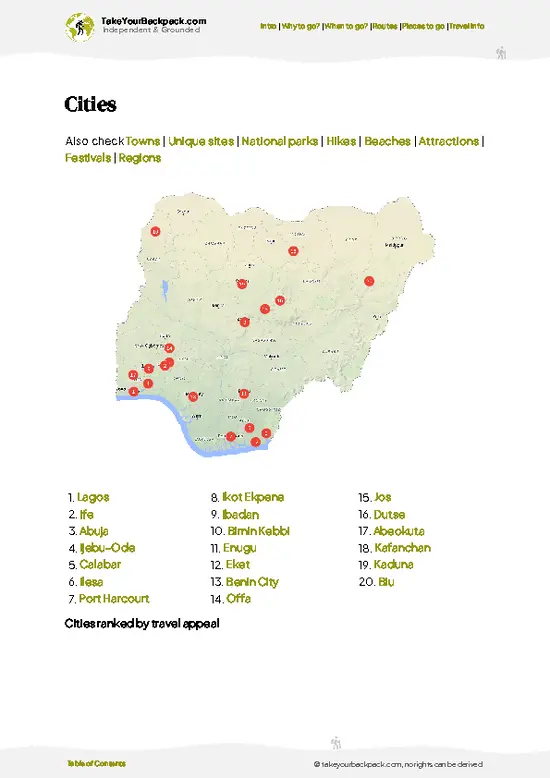
  • Ilesa—gold mining, cocoa farms, Ijesha festivals| 22 km away
  • Iwo—mosques, cocoa farming, local artisans| 45 km away
  • Ibadan—brown-roof skyline, university campus, bustling markets| 68 km away

💡 Not sure where to go next?
Create a personalized itinerary for Nigeria including Ife and the places that fit your trip.

Generate my itinerary

👉 Discover all cities

Or checkout all Nigeria has to offer (think cities, towns, villages, national parks, hikes, beaches, festivals)
Country photo of Nigeria

We 💚 feedbackSumming up the experience

Ife pulses with a rich history that seeps into every corner. The air is thick with the scent of earth after rain, and the warmth of the locals makes you feel at home. Don’t miss the Ooni’s palace; it’s a treasure trove of culture. Just be ready for the heat—it’s relentless but worth every drop of sweat.

✍️ Help improve this page!
The information on this page is based on in-depth research, insights shared by experienced travelers, and feedback from the local travel community in Nigeria. While every effort is made to keep the information accurate and current, conditions can change — so if you spot anything incorrect or outdated, please get in touch.


🙋‍♂️ Give feedback

👋 Meet the founderWho’s Behind Take Your Backpack?

Johan, backpacker and founder of TakeYourBackpackHi, I’m Johan (Netherlands 🇳🇱), the creator of TakeYourBackpack. Over the past decade, I’ve backpacked through 80+ countries across six continents, gaining extensive experience with independent travel, long-term trips, and overland routes.

This site is built on a combination of firsthand travel experience and carefully curated insights from other backpackers. Many guides are based on places I’ve personally visited, while others bring together tips, observations, and practical advice shared by trusted travelers I’ve met along the way.

The goal is to provide realistic, experience-driven guidance — not generic itineraries — so you can explore destinations with better context, clearer expectations, and more confidence.

Get full Nigeria guide •
Instant download • 89 highlights • Full Offline guide