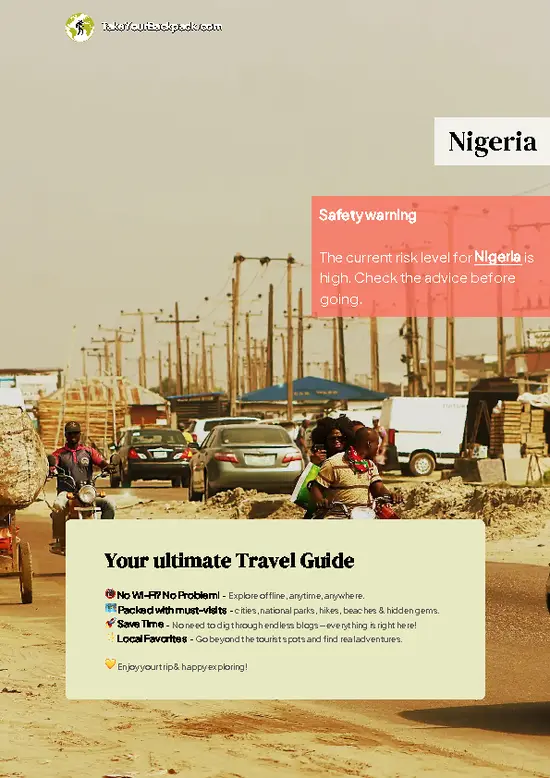
Ilesa moves with a rhythm that’s part old-school order, part spontaneous hustle. The sun hits the red earth streets with a fierce clarity by mid-morning, and by then, the town’s pulse is unmistakable: a mix of traders shouting prices, motorbikes weaving through narrow lanes, and the occasional lull when the heat forces everyone into shade. It’s not a place where you’ll find neat timetables posted on every corner. Instead, you learn the flow by watching the locals—when a bus fills up, it leaves; when a motorbike taxi driver spots a fare, he’s off. This blend of predictability and improvisation means your best bet is to stay flexible but informed. Knowing the main transit options and their quirks will save you time, money, and frustration.
Walking: Ilesa’s compact center is best explored on …
read more 👉Ilesa moves with a rhythm that’s part old-school order, part spontaneous hustle. The sun hits the red earth streets with a fierce clarity by mid-morning, and by then, the town’s pulse is unmistakable: a mix of traders shouting prices, motorbikes weaving through narrow lanes, and the occasional lull when the heat forces everyone into shade. It’s not a place where you’ll find neat timetables posted on every corner. Instead, you learn the flow by watching the locals—when a bus fills up, it leaves; when a motorbike taxi driver spots a fare, he’s off. This blend of predictability and improvisation means your best bet is to stay flexible but informed. Knowing the main transit options and their quirks will save you time, money, and frustration.
Walking: Ilesa’s compact center is best explored on foot. The streets are dusty but lined with small shops, food stalls, and the occasional burst of greenery from roadside trees. Walking lets you soak in the smells of frying plantains and fresh kola nuts, and catch the chatter of market haggling. It’s free, obviously, and often faster than waiting for a crowded bus or motorbike in the busiest parts of town.
Danfo (Minibus): These shared minibuses are the backbone of local transit. They don’t run on a strict schedule but start filling up around 7 AM and keep going until about 7 PM. Fares are dirt cheap—usually just a few hundred naira—but expect tight quarters and frequent stops. Danfos follow main routes connecting Ilesa to nearby towns and key neighborhoods, making them a budget traveler’s lifeline if you’re patient and ready to squeeze in.
Okada (Motorbike Taxi): When time is tight or you’re heading somewhere off the beaten path, okadas are your go-to. They dart through traffic like mosquitoes, cutting travel time in half compared to danfos. Prices vary but are negotiable—always agree before you hop on. Helmets aren’t guaranteed, so if you’re not comfortable with the speed and exposure, stick to other options. Okadas run from dawn until late evening, but avoid night rides unless you know the driver.
Shared Taxis: These are larger cars or SUVs that run fixed routes but only leave when full. They’re more comfortable than danfos and faster on longer stretches, especially if you’re heading out of town. Fares are higher but still reasonable for travelers. Shared taxis usually operate from early morning until dusk, and you’ll find them at designated stands near the bus station or market areas.
Private Taxi: For those moments when you want control over your schedule or are traveling with a group, private taxis offer door-to-door convenience. They’re the priciest option but can be worth it if you’re carrying heavy gear or heading to remote spots. Always negotiate the fare upfront and confirm the route to avoid surprises. Private taxis are available 24/7 but expect higher rates after dark.
Mastering Ilesa’s transit means embracing its blend of order and chaos. Walk when you can to catch the town’s heartbeat. Use danfos for budget-friendly, if sometimes slow, travel. Okadas inject speed and adrenaline but come with trade-offs. Shared and private taxis fill in the gaps with comfort and flexibility. Nail this flow, and you’ll move through Ilesa like a local, not a lost tourist.
v2.webp)

 Best Backpacking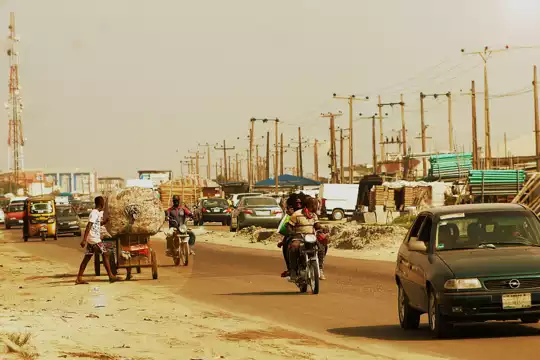
.jpg) Hi, I’m Johan (Netherlands 🇳🇱), the creator of TakeYourBackpack. Over the past 3 decades, I’ve backpacked through 90+ countries across six continents, gaining extensive experience with independent travel, long-term trips, and overland routes.
Hi, I’m Johan (Netherlands 🇳🇱), the creator of TakeYourBackpack. Over the past 3 decades, I’ve backpacked through 90+ countries across six continents, gaining extensive experience with independent travel, long-term trips, and overland routes.