v2.webp)
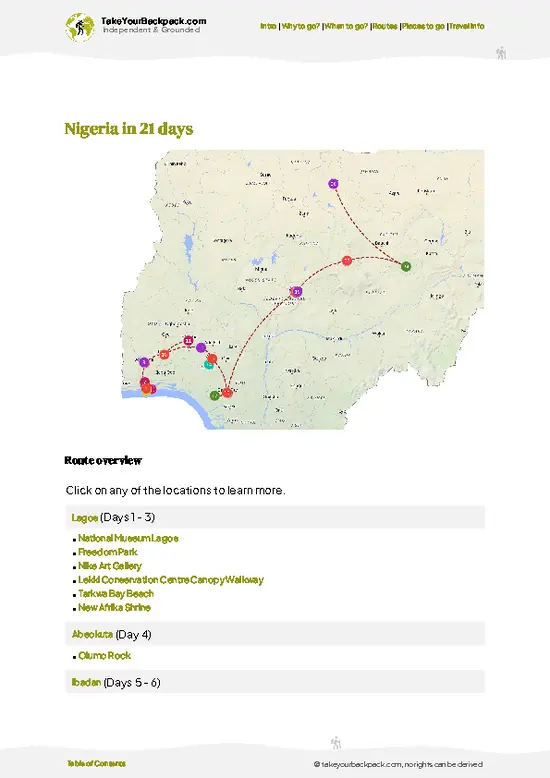
- Adire workshops & indigo dye pits — The real reason most people come to Iseyin: families of dyers still tie, stitch and vat-dye indigo cloth the old way. You can watch the resist techniques up close, buy raw cloth straight from the maker, and sometimes join a short hands-on demo if you ask politely.
- Iseyin Adire Market (Central Market) — A busy, colorful market where finished adire, offcuts and raw indigo are traded alongside everyday goods. Great for bargaining, seeing how textiles fit into daily life, and sampling street food between stalls.
- Iseyin Royal Palace (the traditional ruler’s compound) — The palace is the town’s cultural anchor: ceremonial architecture, royal regalia on display at times, and community events. Visit with respect (ask locally about visiting hours) to get a sense
- Adire workshops & indigo dye pits — The real reason most people come to Iseyin: families of dyers still tie, stitch and vat-dye indigo cloth the old way. You can watch the resist techniques up close, buy raw cloth straight from the maker, and sometimes join a short hands-on demo if you ask politely.
- Iseyin Adire Market (Central Market) — A busy, colorful market where finished adire, offcuts and raw indigo are traded alongside everyday goods. Great for bargaining, seeing how textiles fit into daily life, and sampling street food between stalls.
- Iseyin Royal Palace (the traditional ruler’s compound) — The palace is the town’s cultural anchor: ceremonial architecture, royal regalia on display at times, and community events. Visit with respect (ask locally about visiting hours) to get a sense of local history and oral traditions.
- Family adire compounds (smaller dyers’ quarters) — Walkable clusters of small, family-run dye houses away from the main market. These are quieter, more intimate places to see older patterns and chat with craftspeople who’ve passed techniques down generations.
- Iseyin Central Mosque — More than architecture: a social hub where you can observe Friday prayers and community life (non-worship visits should be respectful; ask before taking photos). It gives a good window into the town’s daily rhythms.
- Historic mission churches and mission compounds — Scattered old Anglican and Catholic churches and their compounds that reflect the missionary-era footprint in the region; they’re useful stops for history buffs and offer calm, shaded spots in town.
- Main Market food stalls & local cuisine route — Follow the food: grills, pounded yam/amala spots, and little bakeries that serve the local take on Yoruba staples. Eating here is both cheap and a direct way to connect with locals.
- Tailors, textile merchants & custom-stitch workshops — Tailors here know how to turn adire into wearable pieces. It’s common to have a cloth made into a shirt or dress in a day or two—perfect for travelers who want a custom souvenir without a fancy price tag.
- Town walks: old streets and market-side neighborhoods — The best way to understand Iseyin is on foot: narrow lanes, compound gates, neighborhood dyeing smells, impromptu sari/cloth displays. Bring comfortable shoes and a local guide or just be friendly—people will happily point you to interesting corners.
- Local festivals and ceremonial events (timed visits) — Iseyin’s cultural calendar (adire-themed shows, chieftaincy events, seasonal festivals) is when craftspeople, drummers and dancers are most visible. Dates shift, so check with locals or the palace/town hall before planning a trip.
Spotted a mistake or missing something? Contact us.

 Best Backpacking
.jpg) Hi, I’m Johan (Netherlands 🇳🇱), the creator of TakeYourBackpack. Over the past 3 decades, I’ve backpacked through 90+ countries across six continents, gaining extensive experience with independent travel, long-term trips, and overland routes.
Hi, I’m Johan (Netherlands 🇳🇱), the creator of TakeYourBackpack. Over the past 3 decades, I’ve backpacked through 90+ countries across six continents, gaining extensive experience with independent travel, long-term trips, and overland routes.