×

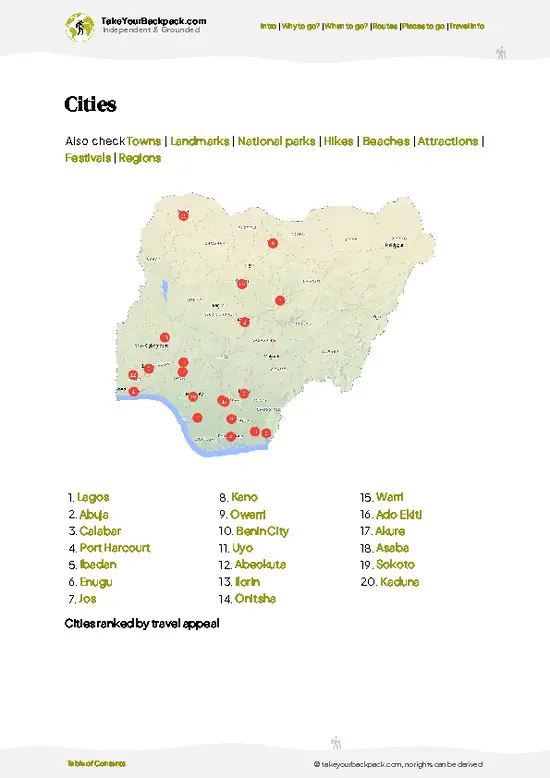
Nigeria🇳🇬 | citiesSapeletimber industry, riverine setting, colonial-era quarters | things to do and best time to go

Explore EketExplore Iseyin

Backpacking in Sapele
👌 Worth visitingcity ranked #30
By Johan Kruseman 🇳🇱 | Updated June 4, 2026

Here’s what most travelers only realize on the way out: Sapele’s riverfront taxis and ferries can save you hours compared to Nigeria’s clogged highways—if you know to use them. Sapele sits in Delta State, southern Nigeria, where the Ethiope River carves through old colonial timber yards and lively markets. It’s not a backpacker magnet like Calabar or Lagos, but that’s the draw: low costs, friendly locals, and a gritty, working-town energy. Expect basic comforts, few tourists, and a nightlife that’s more beer parlor than nightclub. Safety is decent by regional standards, but you’ll want street smarts after dark.

Discover everything you want to know in the 📖 Nigeria Travel Guide.
Safety warning

The current risk level for Nigeria is high. Check the advice before going.


Get your Nigeria guide
89 ranked highlights, routes & tips, works offline (332 pages)
Loading the map 🌍
CLICK TO FILTER
cities
towns
landmarks
national parks
hikes
beaches
attractions
festivals
regions
SHOW COUNTRY’S BESTSHOW ALL

✨ Why go?
Ranked #30 city in Nigeria
What sets this place apart

Sapele is a strategic stop for backpackers weaving through Nigeria. It offers a solid basecamp for day trips, making it easy to explore nearby attractions without the hassle of constant packing. The hostels here are budget-friendly and often buzzing with fellow travelers, creating a sense of community. You’ll find affordable food options that let you savor local flavors without breaking the bank. The city is walkable, allowing you to soak in the atmosphere at your own pace. Plus, the nightlife is lively enough to keep you entertained, while easy onward travel options ensure you can keep moving when you’re ready.
Want to include Sapele in your Nigeria route?
Create a personalized Nigeria itinerary that includes Sapele and the places that fit your trip — based on your travel style, budget, and available time. Get your route in seconds.

Generate my trip

💡 HighlightsMust-see experiences and standout moments

  • Sapele Timber Market (the timber yard) — The town’s reason for being: massive stacks of logs, busy sawmills and traders. Walking the yards you’ll see raw sapele wood (the timber that even bears the town’s name), meet carpenters, and get a real sense of the local economy in motion. Great for photos and watching craftsmen at work.
  • Sapele Riverfront / Benin River Jetty — Where river transport still matters. The jetty is a lively place to watch boats, loading and unloading, meet fishermen, and catch sunsets over the water. It’s also the jumping-off point for short creek trips into the mangroves.
  • Sapele Main Market (Central Market) — A proper Nigerian market: loud, colorful, and full of fresh produce, palm oil, smoked fish and street food. Spend an hour wandering alleys, bargaining, and trying
read more 👉
  • Sapele Timber Market (the timber yard) — The town’s reason for being: massive stacks of logs, busy sawmills and traders. Walking the yards you’ll see raw sapele wood (the timber that even bears the town’s name), meet carpenters, and get a real sense of the local economy in motion. Great for photos and watching craftsmen at work.
  • Sapele Riverfront / Benin River Jetty — Where river transport still matters. The jetty is a lively place to watch boats, loading and unloading, meet fishermen, and catch sunsets over the water. It’s also the jumping-off point for short creek trips into the mangroves.
  • Sapele Main Market (Central Market) — A proper Nigerian market: loud, colorful, and full of fresh produce, palm oil, smoked fish and street food. Spend an hour wandering alleys, bargaining, and trying local snacks — it’s the best way to feel the town’s pulse.
  • Sapele Railway Station (historic station area) — The old railway infrastructure that helped export timber is still visible; the station and adjacent buildings carry colonial-era vibes and industrial history. It’s a compact, walkable spot for anyone interested in how Sapele plugged into Nigeria’s trade networks.
  • Sapele Township Stadium — Catch a local football match or community event here. The atmosphere is raw and communal: drumming, chanting, and friendly rivalry. If you like people-watching and grassroots sport, this is where locals show up in force.
  • Sapele Power Station (viewpoints around the plant) — An industrial landmark that shaped the town’s modern economy. You can’t wander the plant, but the surrounding vantage points give a good look at the scale of local industry and are useful for conversations with locals about work and development.
  • Carpentry and Timber Workshops (workshop quarters) — Walk into the neighborhoods of artisans and you’ll find furniture makers shaping sapele into cabinets, boats and instruments. Meeting a carpenter and watching a piece get planed and joined is a tangible craft experience you won’t get in a museum.
  • Colonial-era Commercial Street (market road stretch) — A short stroll along the older commercial streets reveals architecture and building fronts from the town’s boom years. Small shops, old signage and barbershops give a nice window into Sapele’s layered past without requiring formal entry.
  • Street Food Corridors and Local Eateries — Not a single building but a series of reliable spots where locals eat: pepper soup joints, suya stalls, and fish vendors near the market or waterfront. Food here is culture — cheap, filling, and a great way to meet people and learn what the town tastes like.
  • Mangrove and Creek Boat Trips from Local Jetties — Short, accessible boat rides into nearby creeks let you see mangrove ecology, fishing settlements and birdlife. These half-day launches are low-cost and offer a peaceful contrast to the town’s busier hubs.

If you’ve got extra time, good day trips from Sapele include Benin City (the Oba’s palace and museums), nearby Warri for its bustling waterfront and markets, and Abraka for the Ethiope River and relaxed river-resort vibe.
Spotted a mistake or missing something? Contact us.

🏘️ NeighborhoodsKey areas and districts to know

Sapele offers a mix of vibrant culture and local charm, perfect for backpackers seeking authentic experiences.

GRAHAM ROAD: This area buzzes with energy. Affordable guesthouses line the streets, making it ideal for budget travelers. Walkability is high, with local markets and eateries just a stroll away. Nightlife is lively but not overwhelming, perfect for socializing without the chaos.

OKPE ROAD: A quieter option, this neighborhood is great for longer stays. It’s less touristy, giving you a genuine feel of local life. Transport access is decent, with options to reach other parts of the city.

EKE MARKET: A must-visit for food lovers. The market is bustling, offering local delicacies at low prices. While it’s not the best for nightlife, the daytime vibe is electric, making it perfect for short visits.

⌛️ 1 dayA smart one-day plan

Sapele, Nigeria, is a vibrant hub of culture and commerce, where the pulse of daily life is as rich as the lush landscapes surrounding it. Start your day in the bustling Sapele Market, where the aroma of spices mingles with the chatter of vendors. Grab a local breakfast of akara (bean cakes) and pap, fueling up for the adventures ahead.

In the afternoon, head to the scenic banks of the River Ethiope. Take a leisurely stroll along the waterfront, soaking in the sights and sounds of the river life. If you’re feeling adventurous, consider a boat ride to explore the lush mangroves—a hidden treasure that many overlook.

As evening approaches, make your way to the lively neighborhood of Okpe, where you can enjoy a meal at a local eatery. Try the jollof rice paired with grilled fish, a true taste … read more 👉
Sapele, Nigeria, is a vibrant hub of culture and commerce, where the pulse of daily life is as rich as the lush landscapes surrounding it. Start your day in the bustling Sapele Market, where the aroma of spices mingles with the chatter of vendors. Grab a local breakfast of akara (bean cakes) and pap, fueling up for the adventures ahead.

In the afternoon, head to the scenic banks of the River Ethiope. Take a leisurely stroll along the waterfront, soaking in the sights and sounds of the river life. If you’re feeling adventurous, consider a boat ride to explore the lush mangroves—a hidden treasure that many overlook.

As evening approaches, make your way to the lively neighborhood of Okpe, where you can enjoy a meal at a local eatery. Try the jollof rice paired with grilled fish, a true taste of the region. Wrap up your day at a nearby bar, where live music often fills the air, offering a perfect blend of relaxation and local flavor.
Turn your Sapele visit into an Nigeria adventure
Build a complete Nigeria route with Sapele, hidden gems, must-see destinations, and realistic travel times included.

Generate my trip

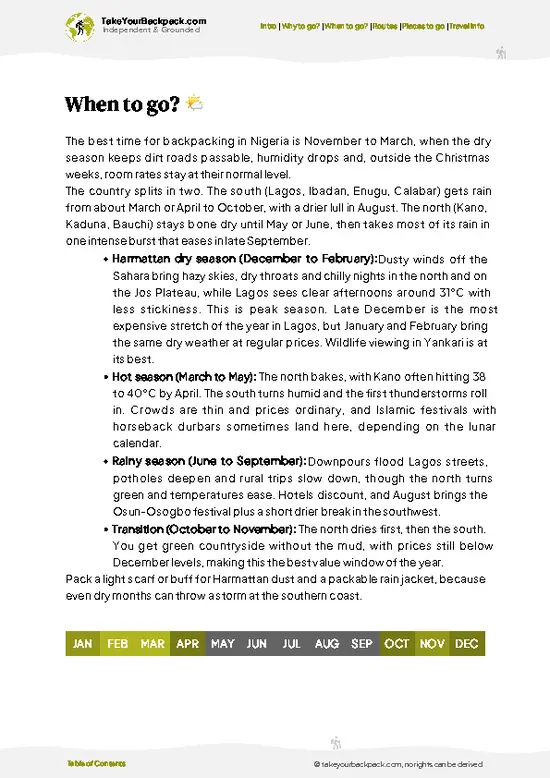
🌤️ When to go?Best time to visit Sapele


  • Topic: Weather – Sapele’s tropical climate means heavy rains from April to October, making trails muddy and travel slower. Dry season from November to March offers clearer skies and easier trekking.

  • Topic: Temperature – Expect highs around 31°C (88°F) year-round, with nights cooling to about 23°C (73°F). The dry season feels more comfortable without the humidity spike.

  • Topic: Daylight Hours – Roughly 12 hours of daylight year-round, so timing won’t affect how much you can explore each day.

  • Topic: Crowds – Tourist traffic is low year-round, but the dry season sees a slight uptick as visitors avoid the rains.

  • Topic: Seasonal Activities – Dry months align with local festivals and river excursions, adding cultural depth to your trip.

  • Topic: Price Fluctuations – Accommodation and transport
read more 👉

  • Topic: Weather – Sapele’s tropical climate means heavy rains from April to October, making trails muddy and travel slower. Dry season from November to March offers clearer skies and easier trekking.

  • Topic: Temperature – Expect highs around 31°C (88°F) year-round, with nights cooling to about 23°C (73°F). The dry season feels more comfortable without the humidity spike.

  • Topic: Daylight Hours – Roughly 12 hours of daylight year-round, so timing won’t affect how much you can explore each day.

  • Topic: Crowds – Tourist traffic is low year-round, but the dry season sees a slight uptick as visitors avoid the rains.

  • Topic: Seasonal Activities – Dry months align with local festivals and river excursions, adding cultural depth to your trip.

  • Topic: Price Fluctuations – Accommodation and transport costs dip during the rainy season due to fewer travelers, but you trade off comfort and accessibility.


Pro-tip: Aim for the shoulder months of November or March to balance fewer crowds, manageable weather, and decent prices—maximizing your backpacking value in Sapele.


source: climatestotravel.comJANJanuary: excellent for travelingFEBFebruary: excellent for travelingMARMarch: highly recommended for travelingAPRApril: fair for travelingMAYMay: fair for travelingJUNJune: fair for travelingJULJuly: fair for travelingAUGAugust: fair for travelingSEPSeptember: fair for travelingOCTOctober: fair for travelingNOVNovember: highly recommended for travelingDECDecember: excellent for traveling
when-to-go

✈️ The backpacker research shortcutNigeria Travel Guide

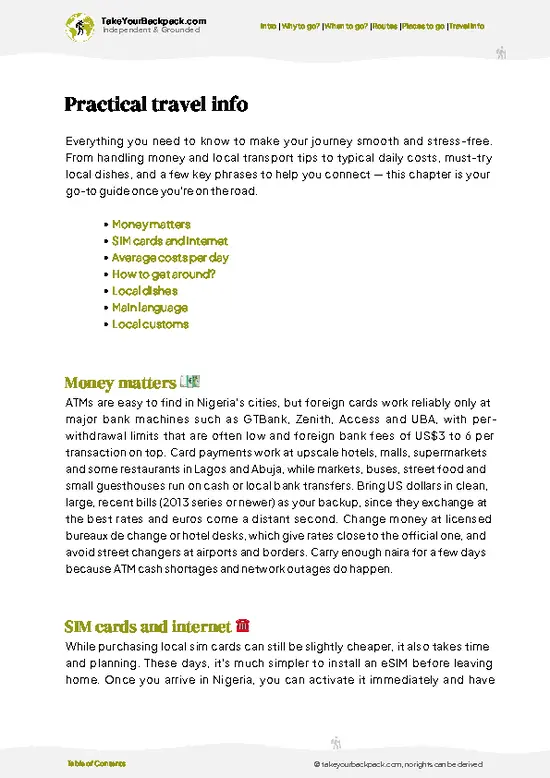
An offline-friendly backpacking guide with optimized travel routes, ranked highlights, transport advice, and the best areas to stay.
example page 0 from our offline Travel Guide for Nigeriaexample page 1 from our offline Travel Guide for Nigeriaexample page 2 from our offline Travel Guide for Nigeriaexample page 3 from our offline Travel Guide for Nigeriaexample page 4 from our offline Travel Guide for Nigeriaexample page 5 from our offline Travel Guide for Nigeriaexample page 6 from our offline Travel Guide for Nigeriaexample page 7 from our offline Travel Guide for Nigeria
The digital guide (332 pages) contains:
89 highlights, ranked by travel appeal
Optimized 7, 14 & 21-day travel routes
Cities, national parks, landmarks, beaches
How to get around
Offline-friendly for travel without Wi-Fi
👉 Click to see all 30+ guide features

📅 Plan smarter in minutes, not weeks
Month by month travel advice
Festivals & national holidays
Budget expectations

🗺️ Go to the right places, skip the overrated ones
Honest pros & cons of destinations
Top hikes, parks & viewpoints
Lesser-known places most travelers miss
Clear “worth it vs skip it” guidance

🛏️ Travel smoothly without rookie mistakes
Best areas to stay
Transport systems explained simply
Common scams & safety advice
SIM cards, money & practical tips

🌍 Understand the country, not just visit it
Culture & traditions
52 Essential phrases & customs
Festivals worth planning around
Traveler-friendly historical context
Insights that make places more meaningful

📱 Built for real travel conditions
Fully downloadable PDF
Works completely offline
Optimized for phone use
Useful in remote areas & buses
Everything in one place
Save weeks of stressful planning
Get instant access to your full guide. 30‑day money-back guarantee.


Sent to your inbox immediately after payment • 100% Secure Checkout
Best Backpacking Travel Advisor 2025 tourism awardBest Backpacking
Travel Advisor
2025
What others say about Take Your Backpack Guides:
⭐⭐⭐⭐⭐
Fantastic, amazing amount of information!
⭐⭐⭐⭐⭐
My goodness this is amazing, it's what I've been looking for hats off too you!
⭐⭐⭐⭐⭐
I think this is absolutely BRILLIANT
⭐⭐⭐⭐
Very complete and informative. It's still missing places, but I gotta to commend you
⭐⭐⭐⭐⭐
This is truly amazing, thank you, can't wait to explore it with my kids!
⭐⭐⭐⭐⭐
Awesome resource, thank you!
⭐⭐⭐⭐⭐
This is amazing! Can't wait to explore the ones I haven't seen
⭐⭐⭐⭐
I love this! Well done, great idea.
⭐⭐⭐⭐⭐
Thanks for taking the time to make this gem!
⭐⭐⭐⭐⭐
This might be the best website I've ever seen.
⭐⭐⭐⭐⭐
Congratulations, and thank you so much for your work; it's incredibly valuable.
⭐⭐⭐⭐
In all seriousness I think you did a great job pointing out the important spots
⭐⭐⭐⭐⭐
10/10 very good
⭐⭐⭐⭐⭐
As someone who's only just starting to visit regularly this is awesome, thank you.
⭐⭐⭐⭐
Thank you very much! I'm going to visit my dad, it's going to be very useful!
⭐⭐⭐⭐⭐
This is really cool! We'll be travelling for the first time and this definitely come in handy.
⭐⭐⭐⭐⭐
You are now our minister of culture, congratulations 👨‍💼
⭐⭐⭐⭐⭐
Just wanted to tell you that this is a pearl! Going to follow your recommendations.
⭐⭐⭐⭐⭐
This is so cool. I'll definitely be using the resource for my travels soon.
⭐⭐⭐⭐⭐
This is very impressive! Good work.
⭐⭐⭐⭐⭐
This is an amazing and informative site. Very well done!

🛏️ Where to stay?Best areas and accommodation options

In Sapele, the sweet spot for backpackers is the city center and its immediate surroundings. This area balances safety with social energy—streets buzz with local markets, eateries, and informal hangouts where you can easily strike up conversations. Budget travelers find this zone practical because it hosts the few guesthouses and hostels available, offering basic but clean accommodations. Compared to the quieter, more residential outskirts, the center keeps you plugged into the city’s pulse without the chaos of industrial zones. You trade a bit of comfort for connection and convenience, but that’s … read more 👉
In Sapele, the sweet spot for backpackers is the city center and its immediate surroundings. This area balances safety with social energy—streets buzz with local markets, eateries, and informal hangouts where you can easily strike up conversations. Budget travelers find this zone practical because it hosts the few guesthouses and hostels available, offering basic but clean accommodations. Compared to the quieter, more residential outskirts, the center keeps you plugged into the city’s pulse without the chaos of industrial zones. You trade a bit of comfort for connection and convenience, but that’s the currency here—being where the action is, without breaking the bank or risking your peace of mind.

🚌 Getting aroundTransportation options and practical tips

Sapele moves at its own rhythm — a blend of purposeful hustle and laid-back negotiation. The city’s pulse isn’t dictated by strict timetables but by a flexible dance between drivers, passengers, and the unpredictable flow of traffic. Here, time is elastic; you either sync with the local tempo or get stuck waiting. Comfort is a relative term, often sacrificed for speed or price. Understanding this trade-off is your key to mastering Sapele’s transit game.


  • Walking: The ultimate free option, perfect for short hops around the central market and riverside areas. It’s slow but lets you soak in the city’s textures and street life without spending a dime.

  • Okada (Motorcycle Taxi): Fast and nimble, these dart through traffic with ease. Expect to pay around 200-500 NGN per ride. They run all day
read more 👉
Sapele moves at its own rhythm — a blend of purposeful hustle and laid-back negotiation. The city’s pulse isn’t dictated by strict timetables but by a flexible dance between drivers, passengers, and the unpredictable flow of traffic. Here, time is elastic; you either sync with the local tempo or get stuck waiting. Comfort is a relative term, often sacrificed for speed or price. Understanding this trade-off is your key to mastering Sapele’s transit game.


  • Walking: The ultimate free option, perfect for short hops around the central market and riverside areas. It’s slow but lets you soak in the city’s textures and street life without spending a dime.

  • Okada (Motorcycle Taxi): Fast and nimble, these dart through traffic with ease. Expect to pay around 200-500 NGN per ride. They run all day but can be uncomfortable and risky, especially in wet weather.

  • Commercial Tricycles (Keke Napep): A budget-friendly middle ground, costing about 100-300 NGN. They’re slower than okadas but more stable and can carry small groups or luggage. Service hours typically run from 6 AM to 9 PM.

  • Mini Buses: The cheapest long-distance option within and around Sapele, fares hover around 100-200 NGN. They follow informal routes and schedules, so expect waits and crowded rides, but they’re unbeatable for budget travelers covering longer distances.

👛 Costs (as of 28 February 2026)Typical daily expenses

Backpacking in Sapele, Nigeria, offers a clear-cut trade-off between cost and comfort, with daily expenses that lean heavily on local standards but still demand savvy budgeting.
  • Dorm Accommodation (High Season): Expect to pay around $8 to $12 per night. Options are limited but functional, often basic guesthouses or hostels with shared facilities. High season sees a slight bump due to demand from local events or holidays.
  • Dorm Accommodation (Off-Season): Prices drop to about $5 to $8 per night. Fewer travelers mean better bargaining power, but quality and availability can fluctuate.
  • Meals: Street food and local eateries dominate, with typical meals costing between $1.50 and $3.50. You’ll get filling portions of local staples like yam, beans, or fish, but avoid touristy spots where prices
read more 👉
Backpacking in Sapele, Nigeria, offers a clear-cut trade-off between cost and comfort, with daily expenses that lean heavily on local standards but still demand savvy budgeting.
  • Dorm Accommodation (High Season): Expect to pay around $8 to $12 per night. Options are limited but functional, often basic guesthouses or hostels with shared facilities. High season sees a slight bump due to demand from local events or holidays.
  • Dorm Accommodation (Off-Season): Prices drop to about $5 to $8 per night. Fewer travelers mean better bargaining power, but quality and availability can fluctuate.
  • Meals: Street food and local eateries dominate, with typical meals costing between $1.50 and $3.50. You’ll get filling portions of local staples like yam, beans, or fish, but avoid touristy spots where prices spike.
  • Local Transport: Short rides on motorbike taxis (okadas) or shared minibuses usually cost $0.30 to $0.70. It’s cheap but can be uncomfortable and unpredictable, especially during rush hours.
  • City Transport Pass: Sapele doesn’t have a formal city transport pass system. Budgeting for daily transport means relying on pay-per-ride options, so factor in around $2 to $3 daily if you’re moving around frequently.
  • Basic Activities/Entry Fees: Cultural or historical sites are modestly priced, typically $1 to $3. Organized tours are rare and often pricey, so independent exploration is your best bet.
  • Miscellaneous Expenses: Include essentials like bottled water, occasional snacks, or small tips. Around $1 to $2 daily covers these without stretching your budget.

Balancing these categories, a realistic daily budget for backpacking in Sapele ranges from about $10 on a shoestring to $20 if you want a bit more comfort and flexibility. Understanding these trade-offs lets you decide where to tighten or loosen your purse strings without losing the essence of the experience.
⚠️ Prices can change and everyone travels differently, so take this as a rough guide. Hope it helps you plan your adventure!

🚌 Day tripsWhere to go beyond the main area

Sapele, Nigeria, serves as a fantastic launchpad for day trips that blend culture, nature, and adventure. Here’s how to make the most of your time.

Okwagbe Beach
Just a 30-minute drive from Sapele, Okwagbe Beach offers a serene escape. The soft sands and gentle waves are perfect for a day of relaxation or a spirited game of beach soccer. Bring a picnic to enjoy under the palm trees. The best time to visit is during the dry season, from November to March. A common mistake? Forgetting sunscreen; the sun can be relentless. Expect to spend around 1,500 NGN for transport and snacks.


Eku River
About an hour away, the Eku River is a hidden treasure for kayaking and birdwatching. Rent a kayak for about 2,000 NGN and paddle through lush mangroves. The river is teeming with life, especially … read more 👉
Sapele, Nigeria, serves as a fantastic launchpad for day trips that blend culture, nature, and adventure. Here’s how to make the most of your time.

Okwagbe Beach
Just a 30-minute drive from Sapele, Okwagbe Beach offers a serene escape. The soft sands and gentle waves are perfect for a day of relaxation or a spirited game of beach soccer. Bring a picnic to enjoy under the palm trees. The best time to visit is during the dry season, from November to March. A common mistake? Forgetting sunscreen; the sun can be relentless. Expect to spend around 1,500 NGN for transport and snacks.


Eku River
About an hour away, the Eku River is a hidden treasure for kayaking and birdwatching. Rent a kayak for about 2,000 NGN and paddle through lush mangroves. The river is teeming with life, especially in the early morning. Many miss the chance to explore the smaller tributaries, which are often more picturesque. Go between December and February for the best wildlife sightings.


Sapele Market
Dive into local life with a visit to Sapele Market, just a short walk from the city center. Here, you can sample street food, buy handmade crafts, and soak in the vibrant atmosphere. Budget around 1,000 NGN for food and souvenirs. The market is busiest on Saturdays, so plan accordingly. First-timers often overlook the food stalls, which are where the real flavors are.
Want to know what more Nigeria offers?
The Nigeria Travel Guide describes 89 highlights, from cities to national parks, from beaches to hikes

Get the Travel Guide -

🍲 FoodEating & Drinking in Sapele

In Sapele, local cuisine is a vibrant tapestry of flavors. Dive into bitter leaf soup, a rich, earthy dish that warms the soul, or try peppered fish, grilled to perfection with a spicy kick. Street vendors line the bustling markets, serving up suya, skewered meat seasoned with a fiery spice blend.

For drinks, don’t miss out on palm wine; it’s sweet, slightly effervescent, and best enjoyed fresh from the source. Social customs here lean towards sharing, so grab a seat with locals and savor the communal vibe. Remember, eating with your hands is not just accepted; it’s encouraged. Embrace the experience, and let the flavors of Sapele linger long after your visit.

🛡️ SafetySafety Tips and Common Scams in Sapele

Sapele is generally safe, but like any city, it has its quirks. Stay alert in crowded markets; pickpockets can be a nuisance. If you’re solo, avoid wandering too far after dark—stick to well-lit areas and main roads.

Common scams include overly friendly locals offering unsolicited help, which can lead to unexpected fees. Keep your wits about you and trust your instincts. Carry only what you need, and maintain a confident demeanor. This way, you’ll navigate Sapele smoothly and enjoy its vibrant atmosphere.

Other Nigerian cities near Sapele

Explore more nearby:

  • Warri—oil industry, river ports, Itsekiri culture| 37 km away
  • Benin City—bronze casting, royal palace, moats and earthworks| 52 km away
  • Asaba—Niger River views, film industry, Delta traditions| 117 km away

💡 Not sure where to go next?
Create a personalized itinerary for Nigeria including Sapele and the places that fit your trip.

Generate my itinerary

👉 Discover all cities

Or checkout all Nigeria has to offer (think cities, towns, villages, national parks, hikes, beaches, festivals)
Country photo of Nigeria

We 💚 feedbackFinal thoughts on visiting Sapele

Sapele has a raw energy that’s hard to shake off. The best surprise? The local markets bursting with life and flavor. Just a heads-up: be ready for the humidity—it’s intense. Embrace it, and you’ll find the real heart of Nigeria.

✍️ Help improve this page!
The information on this page is based on in-depth research, insights shared by experienced travelers, and feedback from the local travel community in Nigeria. While every effort is made to keep the information accurate and current, conditions can change — so if you spot anything incorrect or outdated, please get in touch.


🙋‍♂️ Give feedback

👋 Meet the founderWho’s Behind Take Your Backpack?

Johan, backpacker and founder of TakeYourBackpackHi, I’m Johan (Netherlands 🇳🇱), the creator of TakeYourBackpack. Over the past decade, I’ve backpacked through 80+ countries across six continents, gaining extensive experience with independent travel, long-term trips, and overland routes.

This site is built on a combination of firsthand travel experience and carefully curated insights from other backpackers. Many guides are based on places I’ve personally visited, while others bring together tips, observations, and practical advice shared by trusted travelers I’ve met along the way.

The goal is to provide realistic, experience-driven guidance — not generic itineraries — so you can explore destinations with better context, clearer expectations, and more confidence.

Get full Nigeria guide •
Instant download • 89 highlights • Full Offline guide