×

Nigeria🇳🇬 | citiesOnitshamassive market, Niger Bridge, commercial hub | things to do and best time to go

Explore WarriExplore Ado Ekiti

Backpacking in Onitsha
👍 Recommendedcity ranked #17
By Johan Kruseman 🇳🇱 | Updated June 10, 2026

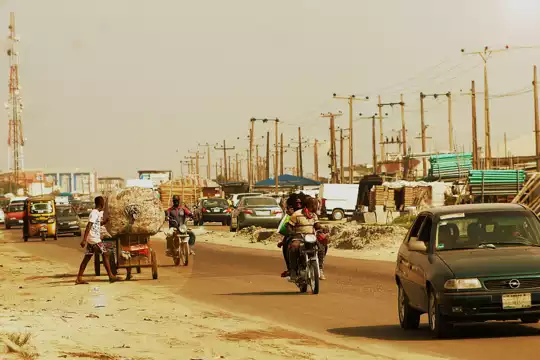
If you crave manicured tourist trails, seamless transport, or a backpacker bar on every corner, Onitsha will test your patience. But that’s exactly why it’s worth your time. Perched on the eastern bank of the Niger River in southeastern Nigeria, Onitsha is a sensory overload—famous for its sprawling Main Market, chaotic river port, and the living pulse of Igbo commerce. You won’t find polished museums or curated nightlife, but you will witness raw urban energy, street food that’s both cheap and bold, and a city where you’re more likely to make friends with locals than fellow travelers. It’s less safe and less navigable than Enugu or Awka, but if you want to see Nigeria’s entrepreneurial heart, Onitsha delivers—messy, loud, and utterly real.

Discover everything you want to know in the 📖 Nigeria Travel Guide.
Safety warning

The current risk level for Nigeria is high. Check the advice before going.


Get your Nigeria guide
89 ranked highlights, routes & tips, works offline (332 pages)
Loading the map 🌍
CLICK TO FILTER
cities
towns
landmarks
national parks
hikes
beaches
attractions
festivals
regions
SHOW COUNTRY’S BESTSHOW ALL

✨ Why go?
Ranked #17 city in Nigeria
What makes this city worth visiting

Onitsha is a strategic stop for backpackers weaving through Nigeria. It offers a unique blend of affordability and vibrancy that makes it a worthy basecamp. The hostels here are budget-friendly and often buzzing with fellow travelers, creating a communal vibe. The food scene is a delightful mix of local flavors that won’t break the bank, perfect for fueling your adventures. Plus, the city is walkable, allowing you to soak in the local life without the hassle of transport. When night falls, the nightlife kicks in, offering a taste of local culture. Onitsha also serves as a gateway for easy onward travel to nearby attractions, making it a practical choice for those looking to explore more of Nigeria.
Want to include Onitsha in your Nigeria route?
Create a personalized Nigeria itinerary that includes Onitsha and the places that fit your trip — based on your travel style, budget, and available time. Get your route in seconds.

Generate my trip

💡 HighlightsMust-see experiences and standout moments

  • Onitsha Main Market (Ose Market) — The beating heart of the city: chaotic, enormous and impossibly efficient. You’ll find everything from fabrics and electronics to wholesale spices; it’s the best place to watch trading culture in full swing and haggle for real bargains.
  • Iweka Road & Head Bridge Strip — A nonstop commercial artery that spills onto the bridge approach. Come for neon signs, roadside mechanics, hawkers and cheap eats; it’s where the city’s river-trade energy hits the streets and feels most raw.
  • Ochanja Market — Smaller and a little rougher than the Main Market, Ochanja is famous for auto parts, hardware, and secondhand goods. Great for hunting obscure finds and seeing the everyday commerce that keeps the region moving.
  • Onitsha Riverfront & Jetties — The Niger River scene:
read more 👉
  • Onitsha Main Market (Ose Market) — The beating heart of the city: chaotic, enormous and impossibly efficient. You’ll find everything from fabrics and electronics to wholesale spices; it’s the best place to watch trading culture in full swing and haggle for real bargains.
  • Iweka Road & Head Bridge Strip — A nonstop commercial artery that spills onto the bridge approach. Come for neon signs, roadside mechanics, hawkers and cheap eats; it’s where the city’s river-trade energy hits the streets and feels most raw.
  • Ochanja Market — Smaller and a little rougher than the Main Market, Ochanja is famous for auto parts, hardware, and secondhand goods. Great for hunting obscure finds and seeing the everyday commerce that keeps the region moving.
  • Onitsha Riverfront & Jetties — The Niger River scene: fishermen, wooden canoes, riverside traders and early-morning activity. Take a short boat trip, watch the loading of goods, and get a different, slower view of the city from the water.
  • The Niger (Onitsha) Bridge — More than a crossing: it’s an icon you’ll recognize instantly. Walk across for sweeping river views, watch the steady flow of trucks and buses, and soak in how Onitsha links north and south Nigeria.
  • The Obi of Onitsha’s Palace — The traditional ruler’s compound is a living link to Onitsha’s history and customs. Visit respectfully (or time your trip for a public festival) to see ceremonies, royal regalia and the palace’s role in community life.
  • Onitsha Civic / Cultural Event Spaces — These halls and grounds host concerts, trade fairs, weddings and cultural displays. If you time it right you can catch live music, masquerade shows or an Igbo cultural festival — a great way to experience local life beyond markets.
  • Mission-era Cathedrals and Churches — Onitsha was an early mission center; the older Catholic and Anglican churches serve as architectural and social anchors. Even if you’re not religious, the buildings, stained glass and parish life tell a lot about the city’s modern history.
  • Market Street Food Quarter — Forget fancy restaurants: real Onitsha food happens on the street. Suya, pepper soup, roasted fish, akara and local snacks sold along market lanes are cheap, tasty and essential for understanding daily life here.
  • Textile & Tailoring Clusters — Onitsha is a regional textile hub. Small tailors, bolt shops and fabric wholesalers around the markets let you see the full process: pick a cloth, have a cut made that afternoon, wear something local by evening.
A few great day trips from Onitsha: the Ogbunike Caves (nearby show cave and spiritual site), scenic Agulu Lake, the historic Nri kingdom sites, and the industrial-trading town of Nnewi.
Spotted a mistake or missing something? Contact us.

🏘️ NeighborhoodsUnderstanding the local layout

Onitsha is a bustling hub that offers a unique blend of culture and commerce, making it a fascinating stop for backpackers. Here’s how the neighborhoods stack up:

Ogbaru Road: This area is a lively commercial zone. Expect a mix of street vendors and local shops. It’s affordable and walkable, perfect for short stays. The nightlife is vibrant, with bars and eateries buzzing late into the night.

Onitsha Main Market: A must-visit for the adventurous. It’s chaotic but offers an authentic experience. Prices are low, but be prepared for crowds. Walkability is decent, but keep your belongings close. Ideal for short visits to soak in the local vibe.

Awada: A quieter residential area, great for longer stays. It’s more relaxed, with local eateries and parks. Costs are moderate, and transport options … read more 👉
Onitsha is a bustling hub that offers a unique blend of culture and commerce, making it a fascinating stop for backpackers. Here’s how the neighborhoods stack up:

Ogbaru Road: This area is a lively commercial zone. Expect a mix of street vendors and local shops. It’s affordable and walkable, perfect for short stays. The nightlife is vibrant, with bars and eateries buzzing late into the night.

Onitsha Main Market: A must-visit for the adventurous. It’s chaotic but offers an authentic experience. Prices are low, but be prepared for crowds. Walkability is decent, but keep your belongings close. Ideal for short visits to soak in the local vibe.

Awada: A quieter residential area, great for longer stays. It’s more relaxed, with local eateries and parks. Costs are moderate, and transport options are available, though less frequent. Perfect for those wanting to escape the hustle while still being close to the action.

Upper Iweka: This area balances nightlife and comfort. It’s accessible and offers a range of accommodations. Prices vary, but you can find good deals. Ideal for both short and longer stays, with plenty of transport options.

⌛️ 1 dayA smart one-day plan

Onitsha, a bustling city on the banks of the Niger River, pulses with life and commerce. Known for its vibrant markets and rich cultural tapestry, it’s a place where tradition meets modernity.

Start your day in the heart of the city at the Onitsha Main Market. The early morning buzz is electric as vendors set up their stalls. Dive into the local scene by sampling some akara (bean cakes) from a street vendor. The aroma is irresistible. After fueling up, wander through the market’s maze of textiles, spices, and crafts. This is where you’ll find the soul of Onitsha, far from the typical tourist spots.

In the afternoon, head to the nearby Ogbunike Caves, a hidden treasure just a short drive away. These caves, steeped in history, offer a serene escape. The lush surroundings and the sound of … read more 👉
Onitsha, a bustling city on the banks of the Niger River, pulses with life and commerce. Known for its vibrant markets and rich cultural tapestry, it’s a place where tradition meets modernity.

Start your day in the heart of the city at the Onitsha Main Market. The early morning buzz is electric as vendors set up their stalls. Dive into the local scene by sampling some akara (bean cakes) from a street vendor. The aroma is irresistible. After fueling up, wander through the market’s maze of textiles, spices, and crafts. This is where you’ll find the soul of Onitsha, far from the typical tourist spots.

In the afternoon, head to the nearby Ogbunike Caves, a hidden treasure just a short drive away. These caves, steeped in history, offer a serene escape. The lush surroundings and the sound of dripping water create a tranquil atmosphere. Spend some time exploring the caves and learning about their significance to the local community.

As evening approaches, return to the city and visit the Niger Bridge. The sunset here is a spectacle, with the river reflecting hues of orange and pink. Grab dinner at a local eatery, where you can savor jollof rice and grilled fish. This day in Onitsha, filled with local flavors and hidden gems, will leave you with memories that linger long after you’ve left.
Turn your Onitsha visit into an Nigeria adventure
Build a complete Nigeria route with Onitsha, hidden gems, must-see destinations, and realistic travel times included.

Generate my trip

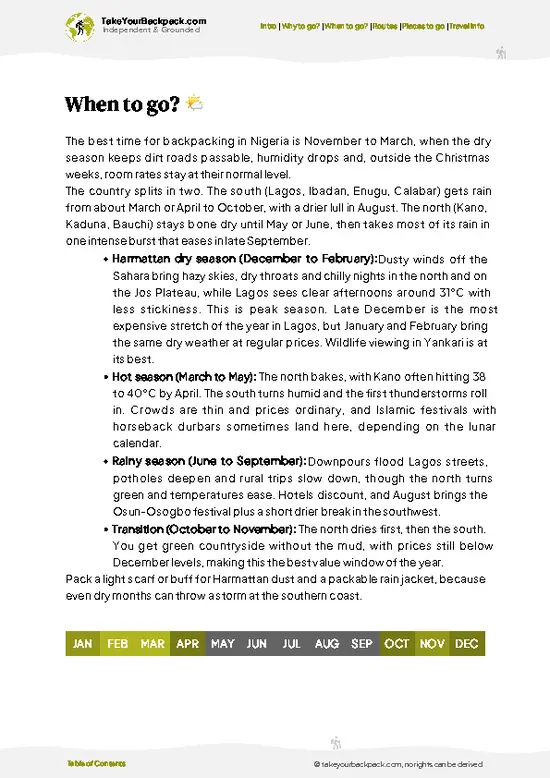
🌤️ When to go?When to go for the best experience


  • Topic: Weather and Temperature — Onitsha’s dry season from November to March offers temperatures between 25°C and 32°C (77°F to 90°F), making it the most comfortable for trekking and exploring without the oppressive humidity and rain of the wet season.

  • Topic: Daylight Hours — Daylight remains fairly consistent year-round, roughly 12 hours daily, so timing won’t affect how much you can pack into your day.

  • Topic: Crowds — The dry season sees fewer local tourists, so you’ll avoid the busiest periods, especially around December holidays when prices spike.

  • Topic: Seasonal Activities — Festivals and markets thrive in the dry months, giving you authentic cultural experiences without weather disruptions.

  • Topic: Price Fluctuations — Accommodation and transport costs rise during the peak
read more 👉

  • Topic: Weather and Temperature — Onitsha’s dry season from November to March offers temperatures between 25°C and 32°C (77°F to 90°F), making it the most comfortable for trekking and exploring without the oppressive humidity and rain of the wet season.

  • Topic: Daylight Hours — Daylight remains fairly consistent year-round, roughly 12 hours daily, so timing won’t affect how much you can pack into your day.

  • Topic: Crowds — The dry season sees fewer local tourists, so you’ll avoid the busiest periods, especially around December holidays when prices spike.

  • Topic: Seasonal Activities — Festivals and markets thrive in the dry months, giving you authentic cultural experiences without weather disruptions.

  • Topic: Price Fluctuations — Accommodation and transport costs rise during the peak dry season and holiday periods; traveling just before or after these peaks can save money without sacrificing comfort.


Pro-tip: Aim for late November or early March to balance pleasant weather, manageable crowds, and better prices—your sweet spot for smart backpacking in Onitsha.


source: climatestotravel.comJANJanuary: excellent for travelingFEBFebruary: excellent for travelingMARMarch: highly recommended for travelingAPRApril: fair for travelingMAYMay: below average for travelingJUNJune: below average for travelingJULJuly: below average for travelingAUGAugust: below average for travelingSEPSeptember: fair for travelingOCTOctober: good for travelingNOVNovember: highly recommended for travelingDECDecember: good for traveling
when-to-go

✈️ The backpacker research shortcutNigeria Travel Guide

An offline-friendly backpacking guide with optimized travel routes, ranked highlights, transport advice, and the best areas to stay.
example page 0 from our offline Travel Guide for Nigeria
example page 1 from our offline Travel Guide for Nigeria
example page 2 from our offline Travel Guide for Nigeria
example page 3 from our offline Travel Guide for Nigeria
example page 4 from our offline Travel Guide for Nigeria
example page 5 from our offline Travel Guide for Nigeria
example page 6 from our offline Travel Guide for Nigeria
example page 7 from our offline Travel Guide for Nigeria
The digital guide (332 pages) contains:
89 highlights, ranked by travel appeal
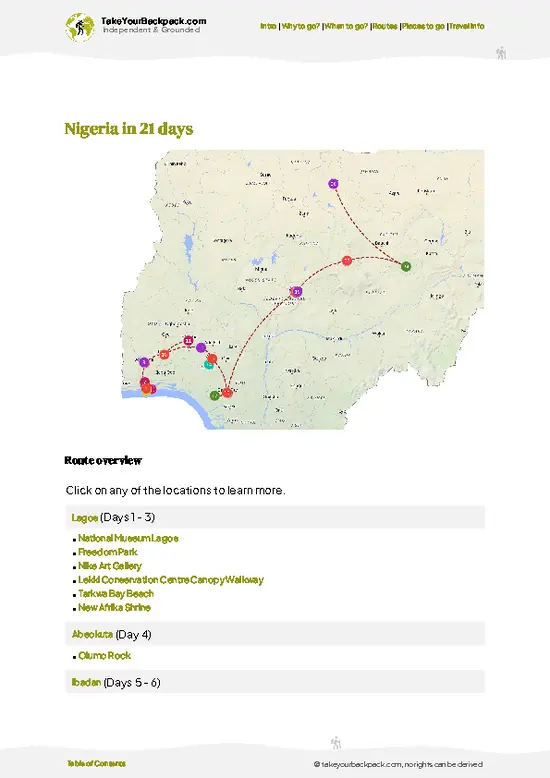
Optimized 7, 14 & 21-day travel routes
Cities, national parks, landmarks, beaches
How to get around
Offline-friendly for travel without Wi-Fi
👉 Click to see all 30+ guide features

📅 Plan smarter in minutes, not weeks
Month by month travel advice
Festivals & national holidays
Budget expectations

🗺️ Go to the right places, skip the overrated ones
Honest pros & cons of destinations
Top hikes, parks & viewpoints
Lesser-known places most travelers miss
Clear “worth it vs skip it” guidance

🛏️ Travel smoothly without rookie mistakes
Best areas to stay
Transport systems explained simply
Common scams & safety advice
SIM cards, money & practical tips

🌍 Understand the country, not just visit it
Culture & traditions
52 Essential phrases & customs
Festivals worth planning around
Traveler-friendly historical context
Insights that make places more meaningful

📱 Built for real travel conditions
Fully downloadable PDF
Works completely offline
Optimized for phone use
Useful in remote areas & buses
Everything in one place
Save weeks of stressful planning
Get instant access to your full guide. 30‑day money-back guarantee.


By proceeding you agree to our terms.
Sent to your inbox immediately after payment • 100% Secure Checkout
Best Backpacking Travel Advisor 2025 tourism awardBest Backpacking
Travel Advisor
2025
What others say about Take Your Backpack Guides:
⭐⭐⭐⭐⭐
Fantastic, amazing amount of information!
⭐⭐⭐⭐⭐
My goodness this is amazing, it's what I've been looking for hats off too you!
⭐⭐⭐⭐⭐
I think this is absolutely BRILLIANT
⭐⭐⭐⭐
Very complete and informative. It's still missing places, but I gotta to commend you
⭐⭐⭐⭐⭐
This is truly amazing, thank you, can't wait to explore it with my kids!
⭐⭐⭐⭐⭐
Awesome resource, thank you!
⭐⭐⭐⭐⭐
This is amazing! Can't wait to explore the ones I haven't seen
⭐⭐⭐⭐
I love this! Well done, great idea.
⭐⭐⭐⭐⭐
Thanks for taking the time to make this gem!
⭐⭐⭐⭐⭐
This might be the best website I've ever seen.
⭐⭐⭐⭐⭐
Congratulations, and thank you so much for your work; it's incredibly valuable.
⭐⭐⭐⭐
In all seriousness I think you did a great job pointing out the important spots
⭐⭐⭐⭐⭐
10/10 very good
⭐⭐⭐⭐⭐
As someone who's only just starting to visit regularly this is awesome, thank you.
⭐⭐⭐⭐
Thank you very much! I'm going to visit my dad, it's going to be very useful!
⭐⭐⭐⭐⭐
This is really cool! We'll be travelling for the first time and this definitely come in handy.
⭐⭐⭐⭐⭐
You are now our minister of culture, congratulations 👨‍💼
⭐⭐⭐⭐⭐
Just wanted to tell you that this is a pearl! Going to follow your recommendations.
⭐⭐⭐⭐⭐
This is so cool. I'll definitely be using the resource for my travels soon.
⭐⭐⭐⭐⭐
This is very impressive! Good work.
⭐⭐⭐⭐⭐
This is an amazing and informative site. Very well done!

🛏️ Where to stay?Where staying makes the most sense

Onitsha’s best backpacker zones cluster around the Fegge and Ose neighborhoods. Fegge edges toward the river, offering a gritty but lively atmosphere where street markets pulse with energy and local eateries serve up authentic flavors without the tourist markup. It’s a practical choice for budget travelers who want to dive into the city’s daily rhythm while keeping an eye on safety—daylight hours are your friend here. Ose, meanwhile, leans more residential and calm, with a quieter vibe that suits solo travelers seeking some downtime after the chaos. Hostels are sparse but tend to pop up in these … read more 👉
Onitsha’s best backpacker zones cluster around the Fegge and Ose neighborhoods. Fegge edges toward the river, offering a gritty but lively atmosphere where street markets pulse with energy and local eateries serve up authentic flavors without the tourist markup. It’s a practical choice for budget travelers who want to dive into the city’s daily rhythm while keeping an eye on safety—daylight hours are your friend here. Ose, meanwhile, leans more residential and calm, with a quieter vibe that suits solo travelers seeking some downtime after the chaos. Hostels are sparse but tend to pop up in these areas, balancing affordability with basic comfort. Compared to the sprawling commercial hubs, these neighborhoods give you a foothold in Onitsha’s social fabric without the noise and risk of less regulated districts.

🚌 Getting aroundTransportation options and practical tips

Onitsha moves at a pulse that’s part hustle, part improvisation. The city’s rhythm isn’t dictated by neat timetables but by a blend of gut feeling and the ebb and flow of crowds. Here, time is flexible, money is tight, and comfort is a luxury often sacrificed for speed or savings. Understanding this dynamic is your secret weapon—knowing when to push for comfort and when to embrace the chaos turns travel logistics into a strategic game. You’re not just getting from A to B; you’re navigating a living system where every choice shifts your experience.


  • Walking: The ultimate budget option. Onitsha’s dense markets and riverfront are best explored on foot, giving you full control over your pace and stops. No cost, but expect heat and crowds—comfort is minimal, speed depends on your stamina.

read more 👉
Onitsha moves at a pulse that’s part hustle, part improvisation. The city’s rhythm isn’t dictated by neat timetables but by a blend of gut feeling and the ebb and flow of crowds. Here, time is flexible, money is tight, and comfort is a luxury often sacrificed for speed or savings. Understanding this dynamic is your secret weapon—knowing when to push for comfort and when to embrace the chaos turns travel logistics into a strategic game. You’re not just getting from A to B; you’re navigating a living system where every choice shifts your experience.


  • Walking: The ultimate budget option. Onitsha’s dense markets and riverfront are best explored on foot, giving you full control over your pace and stops. No cost, but expect heat and crowds—comfort is minimal, speed depends on your stamina.

  • Okada (Motorcycle Taxi): Fast and flexible, these dart through traffic jams with ease. Fares vary but are generally low (around 100-300 NGN). No fixed schedule—available anytime—but safety and comfort are trade-offs for speed.

  • Danfo (Minibus): The backbone of local transit. Runs roughly from 6 AM to 8 PM, fares around 50-150 NGN. It’s cheap and frequent but packed and noisy, so comfort is low; timing is semi-regular but can be unpredictable during rush hours.

  • Shared Taxis: Slightly pricier (200-400 NGN) but more comfortable and faster than danfos. They leave when full, so timing is variable. Ideal if you want a balance between cost and comfort without the chaos of okadas.

  • Ferry: For crossing the Niger River, ferries run from early morning until dusk. Tickets cost about 100-200 NGN. It’s slower but offers a break from road traffic and a unique perspective on the city’s geography.

👛 Costs (as of 27 February 2026)Travel costs and budget guide for Onitsha

Backpacking in Onitsha, Nigeria, demands a clear-eyed approach to your daily budget, where every dollar or euro stretches differently depending on your choices. Here’s how the costs typically break down for an independent traveler navigating this bustling commercial hub.
  • Dorm Accommodation (High Season): Expect to pay around $10 to $15 per night. High season sees a slight bump due to demand, but options remain basic, often with shared facilities and minimal frills.
  • Dorm Accommodation (Off-Season): Prices drop to about $7 to $10 per night. Fewer travelers mean better bargaining power, but the quality and availability might fluctuate.
  • Meals: Street food and local eateries dominate the scene, with meals costing between $2 and $5 each. You can eat well on a budget, but opting for more Western-style
read more 👉
Backpacking in Onitsha, Nigeria, demands a clear-eyed approach to your daily budget, where every dollar or euro stretches differently depending on your choices. Here’s how the costs typically break down for an independent traveler navigating this bustling commercial hub.
  • Dorm Accommodation (High Season): Expect to pay around $10 to $15 per night. High season sees a slight bump due to demand, but options remain basic, often with shared facilities and minimal frills.
  • Dorm Accommodation (Off-Season): Prices drop to about $7 to $10 per night. Fewer travelers mean better bargaining power, but the quality and availability might fluctuate.
  • Meals: Street food and local eateries dominate the scene, with meals costing between $2 and $5 each. You can eat well on a budget, but opting for more Western-style or sit-down restaurants will push costs higher.
  • Local Transport: Minibuses and motorcycle taxis (okadas) are the norm, with fares typically ranging from $0.20 to $0.50 per trip. Negotiating is part of the game, and safety considerations might influence your choices.
  • City Transport Pass: Onitsha doesn’t have a formal city transport pass system, so budgeting for daily transport involves paying per ride. A rough daily transport budget would be around $2 to $4, depending on your itinerary.
  • Basic Activities/Entry Fees: Onitsha is more about the market experience and street life than formal tourist attractions. Entry fees for any local museums or cultural sites are minimal, usually under $3.
  • Miscellaneous Expenses: This covers essentials like bottled water, snacks, phone credit, and occasional tips. Budget around $2 to $5 daily to stay comfortably covered.

Summing it up, your daily budget in Onitsha will likely fall between $15 and $30. This range balances the trade-offs between comfort and cost, letting you decide how much convenience or local immersion you want to buy each day.
⚠️ Prices can change and everyone travels differently, so take this as a rough guide. Hope it helps you plan your adventure!

🚌 Day tripsShort trips worth adding

Onitsha, Nigeria, is a strategic launchpad for day trips that blend culture, adventure, and local flavor. Here are some standout options that make the most of your time and budget.

Awhum Waterfall
Just a two-hour drive from Onitsha, Awhum Waterfall is a refreshing escape into nature. The cascading waters create a serene atmosphere, perfect for a picnic or a quick dip. The entrance fee is minimal, usually around 200 Naira, making it a budget-friendly option. Aim for the dry season, when the water flow is just right for exploring. First-timers often underestimate the trek to the falls; wear sturdy shoes to avoid slipping on the rocky paths.
👉 Explore Awhum Waterfall

Nsukka Cultural Tour
About an hour and a half away, Nsukka offers a rich tapestry of Igbo culture. Visit the University … read more 👉
Onitsha, Nigeria, is a strategic launchpad for day trips that blend culture, adventure, and local flavor. Here are some standout options that make the most of your time and budget.

Awhum Waterfall
Just a two-hour drive from Onitsha, Awhum Waterfall is a refreshing escape into nature. The cascading waters create a serene atmosphere, perfect for a picnic or a quick dip. The entrance fee is minimal, usually around 200 Naira, making it a budget-friendly option. Aim for the dry season, when the water flow is just right for exploring. First-timers often underestimate the trek to the falls; wear sturdy shoes to avoid slipping on the rocky paths.
👉 Explore Awhum Waterfall

Nsukka Cultural Tour
About an hour and a half away, Nsukka offers a rich tapestry of Igbo culture. Visit the University of Nigeria, where you can explore art galleries and historical sites. The total cost, including transport and a small fee for museum access, can be around 1,500 Naira. Late mornings are ideal for this trip, as you can enjoy lunch at local eateries. Many newcomers miss out on the vibrant street markets; don’t skip the chance to sample local dishes.


Ogbunike Caves
Roughly 45 minutes from Onitsha, the Ogbunike Caves are a fascinating network of tunnels steeped in history. The entrance fee is about 1,000 Naira, and the guided tours are worth every kobo for the stories they tell. Visit during the dry season to avoid muddy trails. A common mistake is underestimating the time needed for the hike; plan for at least half a day to fully appreciate the caves and surrounding scenery.
👉 Explore Ogbunike Caves

Igboukwu Archaeological Site
Just an hour away, this site is a treasure trove for history buffs. With a small entrance fee of around 500 Naira, you can explore ancient artifacts and learn about the region’s past. The best time to visit is early morning, when the site is less crowded. Many first-timers overlook the guided tours, which provide invaluable context to the exhibits.
Want to know what more Nigeria offers?
The Nigeria Travel Guide describes 89 highlights, from cities to national parks, from beaches to hikes

Get the Travel Guide -

🍲 FoodEating & Drinking in Onitsha

In Onitsha, food is a vibrant tapestry of flavors. Dive into jollof rice, a spicy, tomato-infused dish that’s a staple at gatherings. Pair it with suya, skewered meat seasoned with a fiery spice mix, often sold by street vendors. The aroma wafts through the air, drawing you in.

Markets are the heartbeat of the city. Here, you’ll find locals enjoying pepper soup, a warming broth that packs a punch. Don’t miss the puff-puff, sweet, fried dough balls that are perfect for snacking while you explore.

Drinking culture thrives in casual bars and roadside spots. Palm wine, tapped fresh from the palm tree, is a must-try. It’s sweet, slightly effervescent, and best enjoyed with friends.

Etiquette is simple: share your food and drink. It’s a way to connect, making every bite and sip a shared experience.

🛡️ SafetySafety Tips and Common Scams in Onitsha

Onitsha is generally safe, but a few areas require extra awareness, especially around the bustling markets. Keep your belongings close and be mindful of your surroundings. Solo travelers should avoid wandering alone at night; stick to well-lit areas and consider using a trusted taxi service.

Common scams include overly friendly locals who may ask for money or offer unsolicited help, often with a hidden agenda. Politely decline and keep moving. Everyday annoyances like traffic can test your patience, so plan your outings accordingly. Stay calm, carry yourself confidently, and you’ll navigate Onitsha like a pro.

Other Nigerian cities near Onitsha

Explore more nearby:

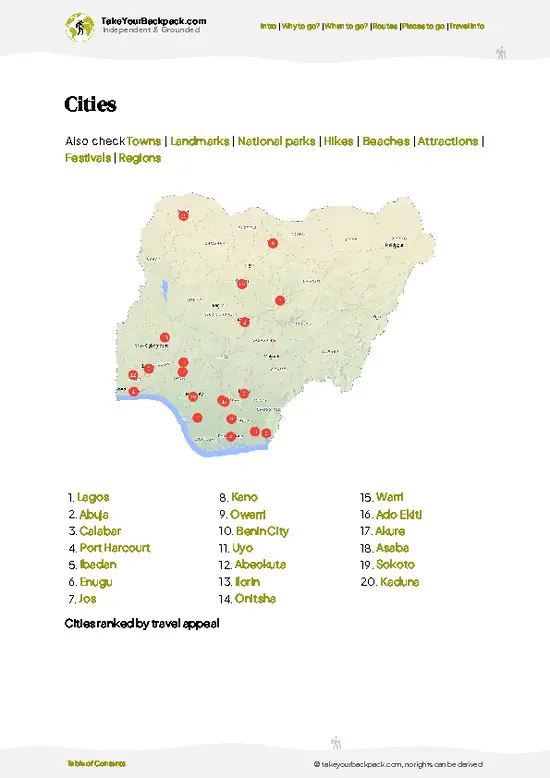
  • Asaba—Niger River views, film industry, Delta traditions| 12 km away
  • Owerri—nightlife districts, Imo River, local cuisine| 76 km away
  • Enugu—coal mining legacy, rolling hills, Igbo culture| 87 km away

💡 Not sure where to go next?
Create a personalized itinerary for Nigeria including Onitsha and the places that fit your trip.

Generate my itinerary

👉 Discover all cities

Or checkout all Nigeria has to offer (think cities, towns, villages, national parks, hikes, beaches, festivals)
Country photo of Nigeria

We 💚 feedbackWhat to keep in mind

Onitsha pulses with energy, a blend of bustling markets and vibrant street life. The best surprise? The local food scene—try the jollof rice from a roadside vendor; it’s a flavor explosion. Just a heads-up: traffic can be chaotic. Embrace it; it’s part of the adventure. You’ll leave with stories, not just souvenirs.

✍️ Help improve this page!
The information on this page is based on in-depth research, insights shared by experienced travelers, and feedback from the local travel community in Nigeria. While every effort is made to keep the information accurate and current, conditions can change — so if you spot anything incorrect or outdated, please get in touch.


🙋‍♂️ Give feedback

👋 Meet the founderWho’s Behind Take Your Backpack?

Johan, backpacker and founder of TakeYourBackpackHi, I’m Johan (Netherlands 🇳🇱), the creator of TakeYourBackpack. Over the past decade, I’ve backpacked through 80+ countries across six continents, gaining extensive experience with independent travel, long-term trips, and overland routes.

This site is built on a combination of firsthand travel experience and carefully curated insights from other backpackers. Many guides are based on places I’ve personally visited, while others bring together tips, observations, and practical advice shared by trusted travelers I’ve met along the way.

The goal is to provide realistic, experience-driven guidance — not generic itineraries — so you can explore destinations with better context, clearer expectations, and more confidence.

Get full Nigeria guide •
Instant download • 89 highlights • Full Offline guide