v2.webp)
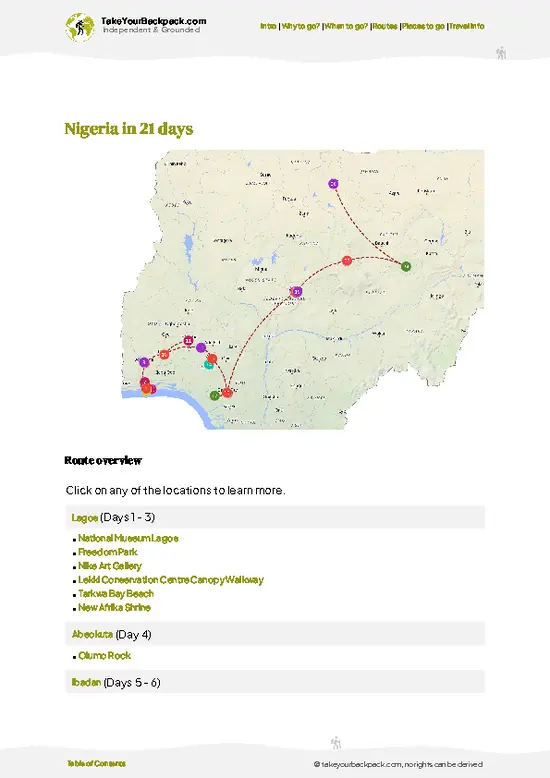
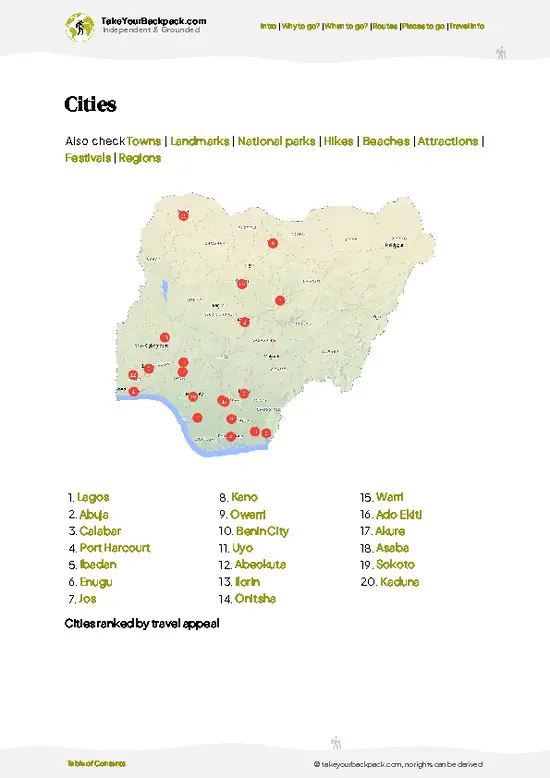
- Palace of the Hidi — The stone-built hilltop compound where the local chief’s residence, ritual rooms and public courtyards cluster. It’s the political and spiritual heart of Sukur, full of carved beams, packed-earth floors and stories you won’t get from a guidebook—arrive with respect and ask to be shown around by a local elder.
- Terraced fields and dry-stone bunds — The hand-cut terraces that cling to steep slopes are the signature of Sukur’s landscape. Walking along them you see a living, ancient system of soil and water control that still produces millet and vegetables; the patterns of the walls are beautiful and uniquely adapted to these hills.
- Ancient iron-smelting sites — Pits, slag-heaps and ruined furnace rims are scattered through the valley, evidence of a long local tradition
- Palace of the Hidi — The stone-built hilltop compound where the local chief’s residence, ritual rooms and public courtyards cluster. It’s the political and spiritual heart of Sukur, full of carved beams, packed-earth floors and stories you won’t get from a guidebook—arrive with respect and ask to be shown around by a local elder.
- Terraced fields and dry-stone bunds — The hand-cut terraces that cling to steep slopes are the signature of Sukur’s landscape. Walking along them you see a living, ancient system of soil and water control that still produces millet and vegetables; the patterns of the walls are beautiful and uniquely adapted to these hills.
- Ancient iron-smelting sites — Pits, slag-heaps and ruined furnace rims are scattered through the valley, evidence of a long local tradition of iron-working that shaped the community’s economy and culture. You can stand beside the remnants and imagine the glow of ancient forges—archaeology you can literally put your hands near.
- Sukur village (stone houses and alleys) — The closely packed stone houses, narrow lanes and courtyard compounds give a very immediate feel for daily life here. It’s atmospheric at dawn and late afternoon when farmers return from the terraces and kids run through the alleys—photogenic and very real.
- Sacred groves and ritual grounds — Scattered small shrines, marked trees and cleared ritual spaces tie present-day belief and ceremony to the land. These are working cultural sites, so behave respectfully and follow local guidance—the best encounters are quiet, observed with permission.
- Burial terraces and ancestral cemeteries — Stone-lined graves and terraced burial plots on the hillsides show funerary practices integrated with the terraced landscape. They’re sobering, beautiful and offer insight into local lineage and memory that you won’t find in a museum.
- Granite outcrops and viewpoint ridges — A short scramble up the rounded granite bosses gives expansive views over the terraced valley and surrounding hills. Sunset light on the stone walls is especially nice; bring water and go slow—the trails are steep but straightforward.
- Traditional smiths’ quarter (Hidden gem) — Away from the main tourist trail a few small smith workshops still hammer and finish tools the old way. It’s a live craft experience—chat with a smith, see techniques passed down generations, and pick up a small hand-forged souvenir if offered.
- Lower hamlets and terrace footpaths (Hidden gem) — Walk down the lesser-used paths between the main site and scattered hamlets to encounter thatched cottages, local markets on market days, and lanes lined with drying millet. These quieter stretches reveal everyday rhythms most visitors miss.
- Village farm visits and seasonal work cycles (Hidden gem) — Time your visit to overlap with planting or harvest and you can join a short work session—weed a terrace, thresh millet, or taste fresh, home-made porridge. It’s hands-on, genuinely local, and teaches why the terraces matter beyond the postcard views.
Spotted a mistake or missing something? Contact us.

 Best Backpacking
.jpg) Hi, I’m Johan (Netherlands 🇳🇱), the creator of TakeYourBackpack. Over the past 3 decades, I’ve backpacked through 90+ countries across six continents, gaining extensive experience with independent travel, long-term trips, and overland routes.
Hi, I’m Johan (Netherlands 🇳🇱), the creator of TakeYourBackpack. Over the past 3 decades, I’ve backpacked through 90+ countries across six continents, gaining extensive experience with independent travel, long-term trips, and overland routes.