v2.webp)
- Traditional Ancestral Rites (Charye/Jesa) — The quiet, formal family memorial rituals are the heart of Chuseok: families set out an arranged table of food, bow to ancestors, and keep a respectful, almost ritual hush. For outsiders it’s a rare glimpse into the private, intergenerational side of the holiday; visitors usually see a filmed or staged version, but the solemnity and the symbolism of food and family are unmistakable.
- Rural Harvest Scenes and Village Markets — Fields, tractors, sacks of rice and small bustling markets selling fresh produce give Chuseok its harvest feel. The atmosphere is earthy and communal — people buying gifts for relatives, elders comparing crops — and it’s my personal favorite because it feels most like a real, lived holiday rather than a spectacle.
- Folk Music
- Traditional Ancestral Rites (Charye/Jesa) — The quiet, formal family memorial rituals are the heart of Chuseok: families set out an arranged table of food, bow to ancestors, and keep a respectful, almost ritual hush. For outsiders it’s a rare glimpse into the private, intergenerational side of the holiday; visitors usually see a filmed or staged version, but the solemnity and the symbolism of food and family are unmistakable.
- Rural Harvest Scenes and Village Markets — Fields, tractors, sacks of rice and small bustling markets selling fresh produce give Chuseok its harvest feel. The atmosphere is earthy and communal — people buying gifts for relatives, elders comparing crops — and it’s my personal favorite because it feels most like a real, lived holiday rather than a spectacle.
- Folk Music and Dance Performances — Expect drum-driven samulnori, graceful fan dances, and masked dances rooted in centuries-old tradition, presented in large, carefully staged shows. They’re polished and theatrical, but they preserve the rhythms, instruments, and movements that make the festival visually and sonically unique.
- Traditional Games and Community Activities — Ssireum (wrestling), kite-flying, and circle dances (akin to ganggangsullae) turn the holiday into something physical and joyful. These communal activities are where you see neighbors laughing and competing — a lively contrast to the ritual formality elsewhere.
- Seasonal Foods and Communal Feasting — Special Chuseok dishes (sticky rice cakes, savory stews, seasonal vegetables) and the custom of sharing food with family and neighbors define the taste of the holiday. Trying songpyeon and home-style dishes during the festival gives a direct, sensory appreciation of why this is a harvest celebration.
Spotted a mistake or missing something? Contact us.

 Best Backpacking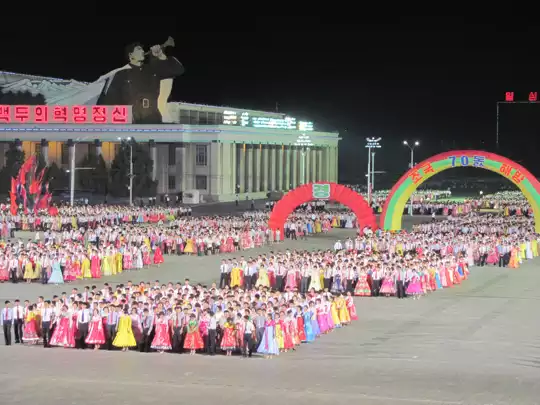
.jpg) Hi, I’m Johan (Netherlands 🇳🇱), the creator of TakeYourBackpack. Over the past decade, I’ve backpacked through 80+ countries across six continents, gaining extensive experience with independent travel, long-term trips, and overland routes.
Hi, I’m Johan (Netherlands 🇳🇱), the creator of TakeYourBackpack. Over the past decade, I’ve backpacked through 80+ countries across six continents, gaining extensive experience with independent travel, long-term trips, and overland routes.