Energy & Timing
North Korea’s festival calendar is tightly woven into its cultural fabric. The most significant events typically occur in spring and autumn, aligning with national holidays and agricultural cycles. The
Arirang Mass Games, for instance, usually take place in late summer, showcasing synchronized performances that celebrate the nation’s history. Plan to visit at least two to three festivals to capture the full spectrum of local culture. Each festival offers a different lens on North Korean life, from the exuberance of the
Day of the Sun in April to the more subdued
Chuseok celebrations in the fall.
Cultural Context
Understanding the cultural significance of these festivals is crucial. They are not merely celebrations; they are state-sanctioned events that reflect the regime’s …
read more 👉Energy & Timing
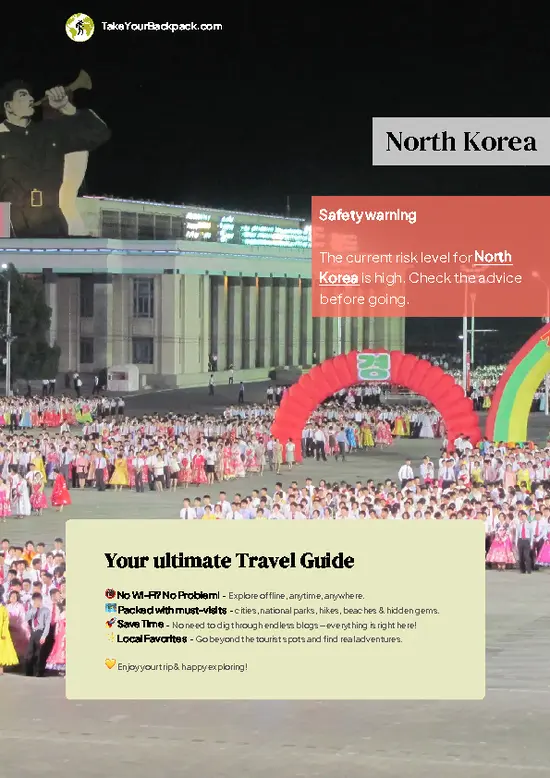
North Korea’s festival calendar is tightly woven into its cultural fabric. The most significant events typically occur in spring and autumn, aligning with national holidays and agricultural cycles. The Arirang Mass Games, for instance, usually take place in late summer, showcasing synchronized performances that celebrate the nation’s history. Plan to visit at least two to three festivals to capture the full spectrum of local culture. Each festival offers a different lens on North Korean life, from the exuberance of the Day of the Sun in April to the more subdued Chuseok celebrations in the fall.
Cultural Context
Understanding the cultural significance of these festivals is crucial. They are not merely celebrations; they are state-sanctioned events that reflect the regime’s ideology. Participation is often mandatory for locals, which can create a unique atmosphere—one that feels both festive and heavily choreographed. Expect to see a blend of traditional music, dance, and propaganda. This duality can be jarring but also fascinating. Be prepared for a level of nationalism that may feel overwhelming; it’s part of the experience.
Crowd Management
Crowds can be intense, especially during major events like the Kim Il-sung Birthday celebrations. Arrive early to secure a good viewing spot, as locals often fill the best positions well before the festivities begin. Expect to navigate tightly packed areas, which can be both exhilarating and claustrophobic. If you prefer a more relaxed experience, consider attending smaller, regional festivals. They offer a more intimate glimpse into local customs and are generally less crowded.
Budget & Comfort Considerations
Traveling to North Korea is not cheap. Expect to spend significantly on guided tours, as independent travel is not permitted. Budget for a range that includes accommodation, meals, and entry fees to events. While you can find basic accommodations, comfort levels vary widely. Higher-end options may offer more amenities but come at a premium. Factor in the cost of guided tours, which are mandatory and can add up quickly.
Planning & Prioritizing
Prioritize festivals based on your interests. If you’re drawn to performances, the Mass Games are a must-see. For those interested in traditional customs, the Harvest Festival in autumn provides a rich experience. Research the specific dates well in advance, as they can shift year to year. Booking a tour that specializes in festival experiences can streamline logistics and enhance your understanding of the cultural context.
Safety & Cultural Considerations
Safety is paramount in North Korea. Follow your guide’s instructions closely, as deviations can lead to serious consequences. Photography is often restricted; be mindful of what you capture. Dress conservatively and be respectful of local customs. Engaging with locals can be rewarding, but remember that conversations are monitored. Approach interactions with curiosity but also caution.
In summary, North Korea’s festivals offer a unique window into a complex society. By planning carefully and being aware of the cultural landscape, you can navigate these experiences with respect and insight.v2.webp)
 Best Backpacking
.jpg) Hi, I’m Johan (Netherlands 🇳🇱), the creator of TakeYourBackpack. Over the past decade, I’ve backpacked through 80+ countries across six continents, gaining extensive experience with independent travel, long-term trips, and overland routes.
Hi, I’m Johan (Netherlands 🇳🇱), the creator of TakeYourBackpack. Over the past decade, I’ve backpacked through 80+ countries across six continents, gaining extensive experience with independent travel, long-term trips, and overland routes.