v2.webp)
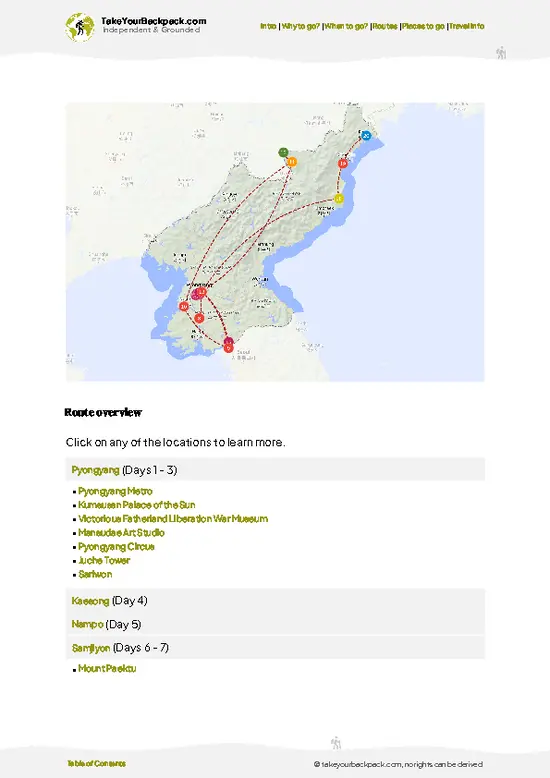
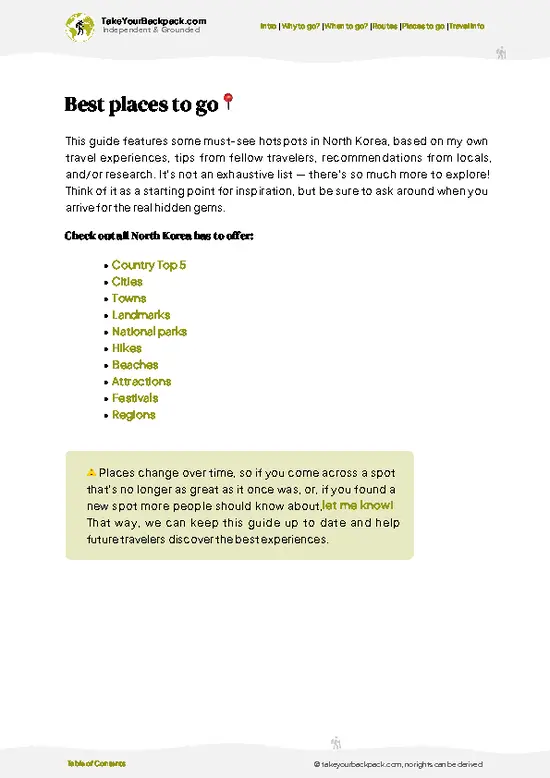
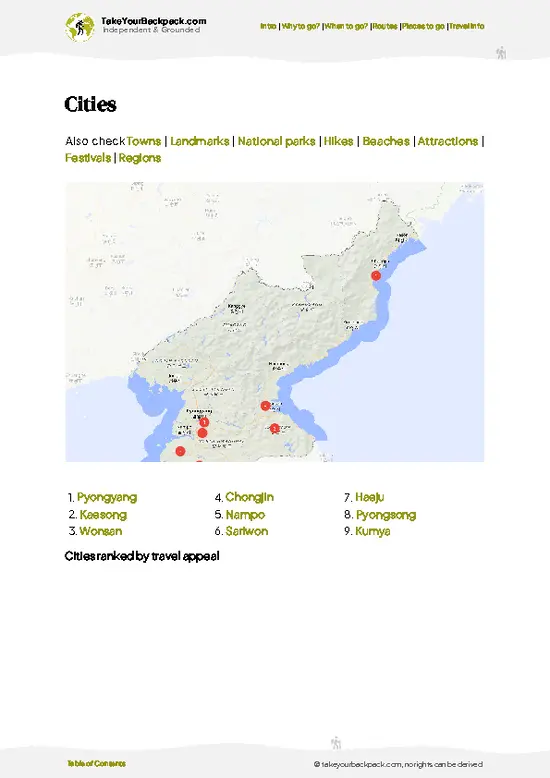
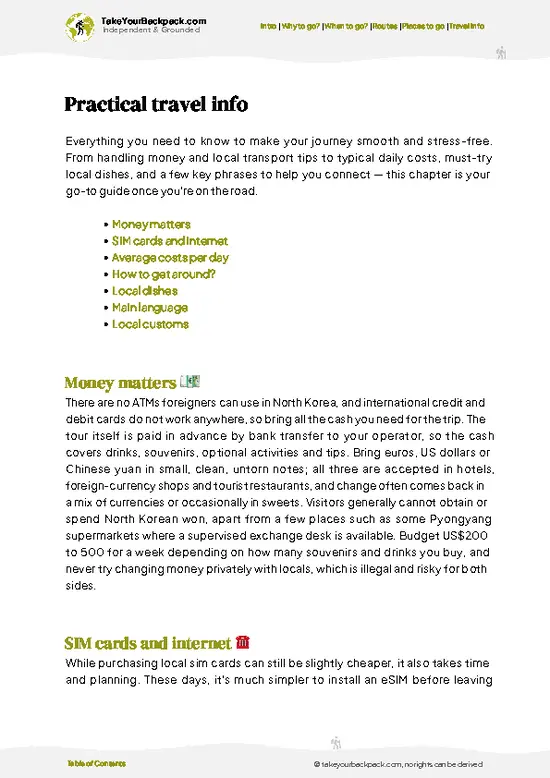
The Straw-Roofed Cottage
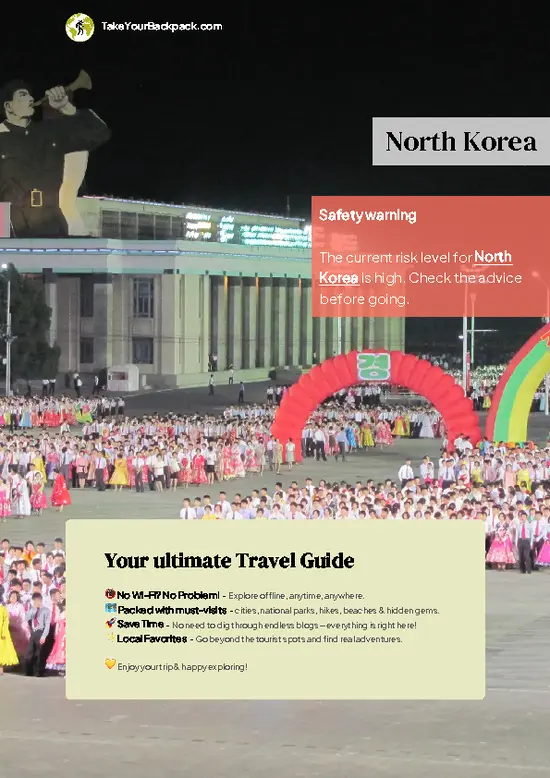
This is the main event: a modest, thatched-roof house, presented as the birthplace of Kim Il Sung. It’s not the grand palace you might expect for a national founder—think more rural simplicity than revolutionary opulence. The cottage is staged to the hilt, with period-appropriate tools and household items, all meant to underscore the “humble origins” narrative. The real magic here isn’t the authenticity (the house has been heavily restored), but the way it’s used as a living piece of propaganda theater. You’re not just looking at a building; you’re witnessing the architecture of a national myth, performed daily for visitors. If you’re a student of how places shape stories—or how stories shape places—this is a masterclass.
The Relics and Artifacts Display
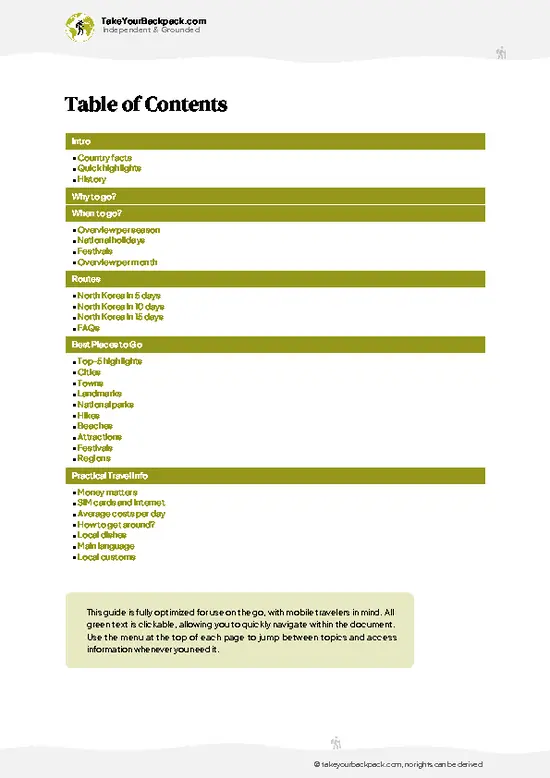
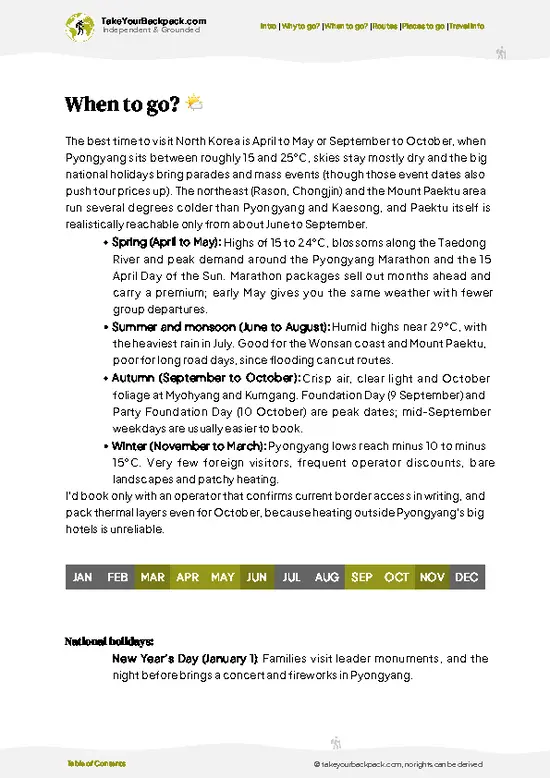
Inside the … read more 👉
This is the main event: a modest, thatched-roof house, presented as the birthplace of Kim Il Sung. It’s not the grand palace you might expect for a national founder—think more rural simplicity than revolutionary opulence. The cottage is staged to the hilt, with period-appropriate tools and household items, all meant to underscore the “humble origins” narrative. The real magic here isn’t the authenticity (the house has been heavily restored), but the way it’s used as a living piece of propaganda theater. You’re not just looking at a building; you’re witnessing the architecture of a national myth, performed daily for visitors. If you’re a student of how places shape stories—or how stories shape places—this is a masterclass.
The Relics and Artifacts Display
Inside the … read more 👉
The Straw-Roofed Cottage
This is the main event: a modest, thatched-roof house, presented as the birthplace of Kim Il Sung. It’s not the grand palace you might expect for a national founder—think more rural simplicity than revolutionary opulence. The cottage is staged to the hilt, with period-appropriate tools and household items, all meant to underscore the “humble origins” narrative. The real magic here isn’t the authenticity (the house has been heavily restored), but the way it’s used as a living piece of propaganda theater. You’re not just looking at a building; you’re witnessing the architecture of a national myth, performed daily for visitors. If you’re a student of how places shape stories—or how stories shape places—this is a masterclass.
The Relics and Artifacts Display
Inside the house, you’ll find a curated collection of objects said to have belonged to Kim Il Sung’s family: farming tools, worn-out shoes, and battered cookware. These aren’t just props; they’re symbols, each one carefully chosen to reinforce the narrative of hardship and perseverance. Whether you buy the story or not, the level of detail is impressive. It’s a rare, unfiltered look at how a regime crafts its founding legend, down to the last wooden spoon.
The Surrounding Gardens and Pine Trees
Step outside and you’ll find yourself in a manicured landscape of pine trees and flower beds. The grounds are meticulously maintained, almost to the point of surrealism. The pine trees, in particular, are loaded with symbolism—representing resilience and longevity in Korean culture. It’s a peaceful spot, but the tranquility feels curated, almost staged for effect. Still, if you tune out the tour guide’s script, you can catch a glimpse of rural Korean countryside that’s increasingly rare elsewhere.
The Pilgrimage Ritual
This is my personal favorite. Every visitor—local or foreign—is expected to bow in front of the house. It’s not optional. The ritual is a performance, both for the guides and for yourself. It’s a rare, up-close look at how collective memory is enforced, not just remembered. The moment is awkward, theatrical, and oddly powerful. If you’re interested in the intersection of politics and performance, this is the real show.
This is the main event: a modest, thatched-roof house, presented as the birthplace of Kim Il Sung. It’s not the grand palace you might expect for a national founder—think more rural simplicity than revolutionary opulence. The cottage is staged to the hilt, with period-appropriate tools and household items, all meant to underscore the “humble origins” narrative. The real magic here isn’t the authenticity (the house has been heavily restored), but the way it’s used as a living piece of propaganda theater. You’re not just looking at a building; you’re witnessing the architecture of a national myth, performed daily for visitors. If you’re a student of how places shape stories—or how stories shape places—this is a masterclass.
The Relics and Artifacts Display
Inside the house, you’ll find a curated collection of objects said to have belonged to Kim Il Sung’s family: farming tools, worn-out shoes, and battered cookware. These aren’t just props; they’re symbols, each one carefully chosen to reinforce the narrative of hardship and perseverance. Whether you buy the story or not, the level of detail is impressive. It’s a rare, unfiltered look at how a regime crafts its founding legend, down to the last wooden spoon.
The Surrounding Gardens and Pine Trees
Step outside and you’ll find yourself in a manicured landscape of pine trees and flower beds. The grounds are meticulously maintained, almost to the point of surrealism. The pine trees, in particular, are loaded with symbolism—representing resilience and longevity in Korean culture. It’s a peaceful spot, but the tranquility feels curated, almost staged for effect. Still, if you tune out the tour guide’s script, you can catch a glimpse of rural Korean countryside that’s increasingly rare elsewhere.
The Pilgrimage Ritual
This is my personal favorite. Every visitor—local or foreign—is expected to bow in front of the house. It’s not optional. The ritual is a performance, both for the guides and for yourself. It’s a rare, up-close look at how collective memory is enforced, not just remembered. The moment is awkward, theatrical, and oddly powerful. If you’re interested in the intersection of politics and performance, this is the real show.
Spotted a mistake or missing something? Contact us.

 Best Backpacking
.jpg) Hi, I’m Johan (Netherlands 🇳🇱), the creator of TakeYourBackpack. Over the past 3 decades, I’ve backpacked through 90+ countries across six continents, gaining extensive experience with independent travel, long-term trips, and overland routes.
Hi, I’m Johan (Netherlands 🇳🇱), the creator of TakeYourBackpack. Over the past 3 decades, I’ve backpacked through 90+ countries across six continents, gaining extensive experience with independent travel, long-term trips, and overland routes.