v2.webp)
The Glass Chapel
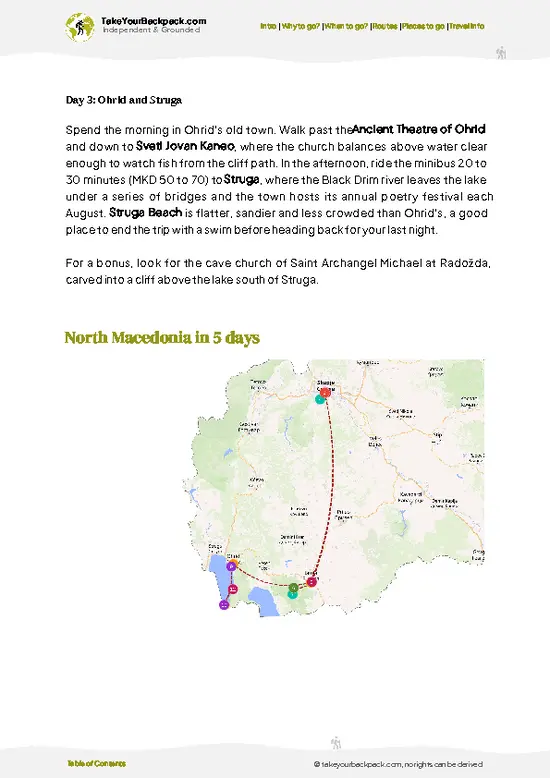
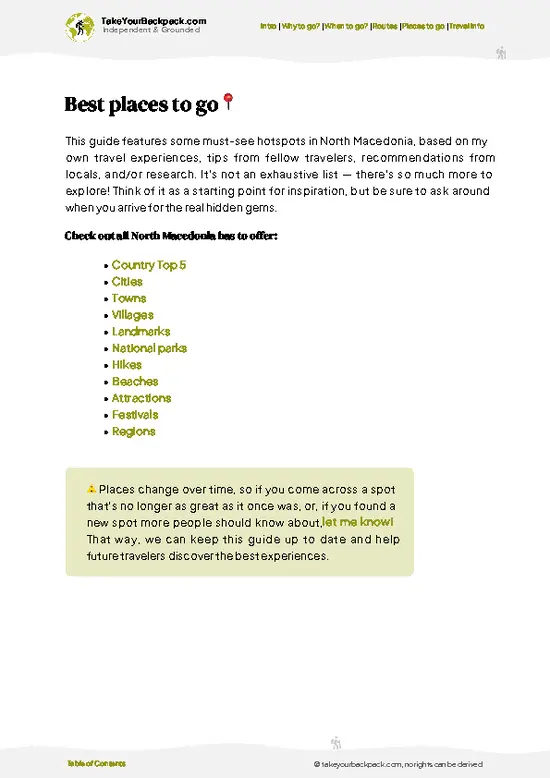
Forget the Instagram shots of the building’s futuristic glass-and-steel shell—step inside the upstairs chapel and you’ll find a space that’s both surreal and sincere. Sunlight pours through stained glass, splashing color across the white walls and minimalist altar. It’s not a church, but a tribute to Mother Teresa’s faith and the multicultural roots of Skopje. You’ll see Christian, Muslim, and Jewish symbols mingling—a rare, intentional nod to the city’s tangled history. The effect is quietly electric, especially if you catch it empty and let the silence settle in.
The Birthplace Memorial Room
This isn’t her actual childhood home (that was destroyed in the 1963 earthquake), but the museum’s ground floor reconstructs the spirit of it with a mix of artifacts, family photos, … read more 👉
Forget the Instagram shots of the building’s futuristic glass-and-steel shell—step inside the upstairs chapel and you’ll find a space that’s both surreal and sincere. Sunlight pours through stained glass, splashing color across the white walls and minimalist altar. It’s not a church, but a tribute to Mother Teresa’s faith and the multicultural roots of Skopje. You’ll see Christian, Muslim, and Jewish symbols mingling—a rare, intentional nod to the city’s tangled history. The effect is quietly electric, especially if you catch it empty and let the silence settle in.
The Birthplace Memorial Room
This isn’t her actual childhood home (that was destroyed in the 1963 earthquake), but the museum’s ground floor reconstructs the spirit of it with a mix of artifacts, family photos, … read more 👉
The Glass Chapel
Forget the Instagram shots of the building’s futuristic glass-and-steel shell—step inside the upstairs chapel and you’ll find a space that’s both surreal and sincere. Sunlight pours through stained glass, splashing color across the white walls and minimalist altar. It’s not a church, but a tribute to Mother Teresa’s faith and the multicultural roots of Skopje. You’ll see Christian, Muslim, and Jewish symbols mingling—a rare, intentional nod to the city’s tangled history. The effect is quietly electric, especially if you catch it empty and let the silence settle in.
The Birthplace Memorial Room
This isn’t her actual childhood home (that was destroyed in the 1963 earthquake), but the museum’s ground floor reconstructs the spirit of it with a mix of artifacts, family photos, and personal items. The highlight: a glass case with her original baptismal certificate and a few battered, handwritten letters. You’re not just looking at relics—you’re staring down the reality that global icons start as local kids. The room is compact, but the emotional punch is real.
Mother Teresa’s Personal Objects
Skip the generic biographies and focus on the small, worn items: her rosary, her sari, her battered sandals. These aren’t behind velvet ropes—they’re right there, close enough to see the frayed edges. It’s a jolt of authenticity in a world of polished myth-making. You can almost feel the weight of her daily grind, and it’s a reminder that sainthood is built on relentless, unglamorous work.
Interactive Digital Displays
Most visitors breeze past the touchscreens, but if you linger, you’ll find rare video footage and interviews that cut through the hagiography. Watch her speak in her own words—her accent, her humor, her bluntness. It’s a crash course in charisma, and it’s far more compelling than any statue or plaque. The tech isn’t flashy, but the content is gold for anyone who wants to see the human behind the halo.
The Rooftop Viewpoint
Climb up to the small rooftop terrace. No, it’s not a panoramic cityscape, but you get a quirky, close-up look at Skopje’s architectural chaos: Ottoman domes, brutalist blocks, and the odd spaceship-like monument. It’s a microcosm of the city’s identity crisis, and standing there, you realize why Mother Teresa’s story could only have started in a place this complicated.
Guestbook of Pilgrims and Skeptics
Before you leave, flip through the guestbook. It’s a raw, unfiltered collection of gratitude, doubt, and the occasional snarky comment. You’ll see scribbles from nuns, backpackers, and locals who remember her as “Agnes.” It’s the most honest artifact in the building, and it proves that the real magic here isn’t sainthood—it’s the messy, global conversation she started.
Forget the Instagram shots of the building’s futuristic glass-and-steel shell—step inside the upstairs chapel and you’ll find a space that’s both surreal and sincere. Sunlight pours through stained glass, splashing color across the white walls and minimalist altar. It’s not a church, but a tribute to Mother Teresa’s faith and the multicultural roots of Skopje. You’ll see Christian, Muslim, and Jewish symbols mingling—a rare, intentional nod to the city’s tangled history. The effect is quietly electric, especially if you catch it empty and let the silence settle in.
The Birthplace Memorial Room
This isn’t her actual childhood home (that was destroyed in the 1963 earthquake), but the museum’s ground floor reconstructs the spirit of it with a mix of artifacts, family photos, and personal items. The highlight: a glass case with her original baptismal certificate and a few battered, handwritten letters. You’re not just looking at relics—you’re staring down the reality that global icons start as local kids. The room is compact, but the emotional punch is real.
Mother Teresa’s Personal Objects
Skip the generic biographies and focus on the small, worn items: her rosary, her sari, her battered sandals. These aren’t behind velvet ropes—they’re right there, close enough to see the frayed edges. It’s a jolt of authenticity in a world of polished myth-making. You can almost feel the weight of her daily grind, and it’s a reminder that sainthood is built on relentless, unglamorous work.
Interactive Digital Displays
Most visitors breeze past the touchscreens, but if you linger, you’ll find rare video footage and interviews that cut through the hagiography. Watch her speak in her own words—her accent, her humor, her bluntness. It’s a crash course in charisma, and it’s far more compelling than any statue or plaque. The tech isn’t flashy, but the content is gold for anyone who wants to see the human behind the halo.
The Rooftop Viewpoint
Climb up to the small rooftop terrace. No, it’s not a panoramic cityscape, but you get a quirky, close-up look at Skopje’s architectural chaos: Ottoman domes, brutalist blocks, and the odd spaceship-like monument. It’s a microcosm of the city’s identity crisis, and standing there, you realize why Mother Teresa’s story could only have started in a place this complicated.
Guestbook of Pilgrims and Skeptics
Before you leave, flip through the guestbook. It’s a raw, unfiltered collection of gratitude, doubt, and the occasional snarky comment. You’ll see scribbles from nuns, backpackers, and locals who remember her as “Agnes.” It’s the most honest artifact in the building, and it proves that the real magic here isn’t sainthood—it’s the messy, global conversation she started.
Spotted a mistake or missing something? Contact us.

A Day from Skopje to Pristina and Prizren, Kosovo, opt. Kukes Alb

Skopje Wine Tasting Experience – Wines by Zaharchev Winery

Six course dinner & Macedonian wine pairing at Dropstop Gastrobar

Skopje Street Food with Burek, Ajvar & Kebapi, The Local Way

Private Full-Day Best of Ohrid Tour from Skopje

Skopje Airport Private Transfer for up to 3 Passengers

Full day tour of Ohrid with St Naum from Skopje

Skopje city tour - the best of Skopje

Unique Smidgin explore and tasting tour


 Best Backpacking
.jpg) Hi, I’m Johan (Netherlands 🇳🇱), the creator of TakeYourBackpack. Over the past 3 decades, I’ve backpacked through 90+ countries across six continents, gaining extensive experience with independent travel, long-term trips, and overland routes.
Hi, I’m Johan (Netherlands 🇳🇱), the creator of TakeYourBackpack. Over the past 3 decades, I’ve backpacked through 90+ countries across six continents, gaining extensive experience with independent travel, long-term trips, and overland routes.