v2.webp)
The Grand Hall of Heroes
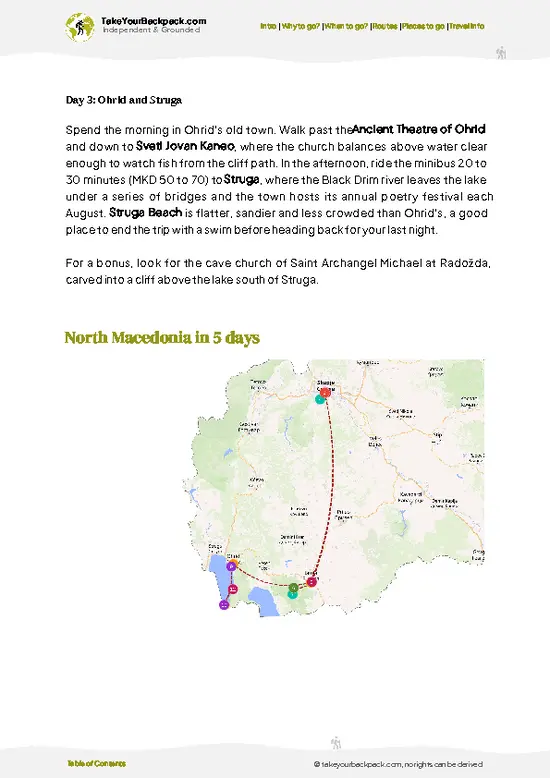
Forget the Instagrammed marble staircase—this is where the real drama hits. The Grand Hall is a parade of larger-than-life bronze statues, each one staring you down with the kind of intensity that makes you check your own convictions. These aren’t generic national heroes; they’re the faces of revolutionaries, poets, and martyrs who shaped the Macedonian identity. The room is designed for awe, but it’s the raw, almost cinematic energy that sticks with you. You’ll feel like you’ve walked into the storyboard of a nation’s struggle, not a dusty history lesson.
The 3D Dioramas
This isn’t your average glass-case museum. The dioramas here are immersive, sometimes even unsettling. Picture full-scale scenes: rebels plotting by candlelight, Ottoman soldiers at the door, villagers … read more 👉
Forget the Instagrammed marble staircase—this is where the real drama hits. The Grand Hall is a parade of larger-than-life bronze statues, each one staring you down with the kind of intensity that makes you check your own convictions. These aren’t generic national heroes; they’re the faces of revolutionaries, poets, and martyrs who shaped the Macedonian identity. The room is designed for awe, but it’s the raw, almost cinematic energy that sticks with you. You’ll feel like you’ve walked into the storyboard of a nation’s struggle, not a dusty history lesson.
The 3D Dioramas
This isn’t your average glass-case museum. The dioramas here are immersive, sometimes even unsettling. Picture full-scale scenes: rebels plotting by candlelight, Ottoman soldiers at the door, villagers … read more 👉
The Grand Hall of Heroes
Forget the Instagrammed marble staircase—this is where the real drama hits. The Grand Hall is a parade of larger-than-life bronze statues, each one staring you down with the kind of intensity that makes you check your own convictions. These aren’t generic national heroes; they’re the faces of revolutionaries, poets, and martyrs who shaped the Macedonian identity. The room is designed for awe, but it’s the raw, almost cinematic energy that sticks with you. You’ll feel like you’ve walked into the storyboard of a nation’s struggle, not a dusty history lesson.
The 3D Dioramas
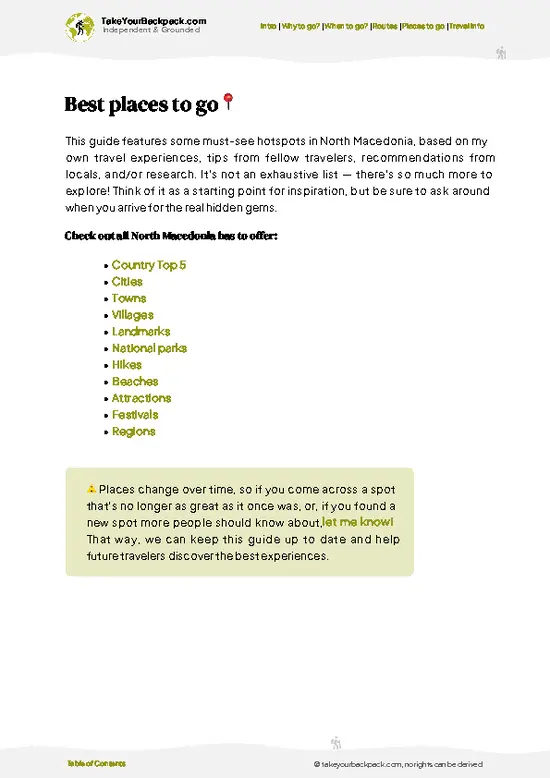
This isn’t your average glass-case museum. The dioramas here are immersive, sometimes even unsettling. Picture full-scale scenes: rebels plotting by candlelight, Ottoman soldiers at the door, villagers caught in the crossfire. The lighting, sound effects, and period costumes pull you straight into the chaos and hope of the era. It’s theatrical, yes, but it’s also honest—these are not sanitized heroics, but messy, human moments. You’ll leave with a visceral sense of what “struggle” actually meant.
The Secret Printing Press
Tucked away like a plot twist, the replica of the clandestine printing press is a nod to the underground resistance. This isn’t just a dusty artifact—it’s a symbol of rebellion through information. The museum doesn’t just show you the machine; it tells the story of how revolutionary pamphlets were smuggled, printed, and distributed under the noses of the Ottoman authorities. It’s a reminder that the fight wasn’t just on the battlefield, but in the battle for ideas.
The Personal Artifacts Room
Here’s where the Instagram filters fail you. The glass cases hold battered boots, handwritten letters, and blood-stained uniforms. These aren’t props—they’re the real deal, donated by families who still remember the cost. There’s a gravity to this room that cuts through any touristy gloss. You’re not just looking at objects; you’re staring at the aftermath of choices made in desperation and hope. It’s intimate, uncomfortable, and absolutely essential.
The Panoramic Mural
Most people snap a quick photo and move on, but if you actually stand and take it in, the mural is a fever dream of Macedonian history. It’s chaotic, crowded, and unapologetically political. Every brushstroke is a statement—heroes and villains, victories and betrayals, all mashed together in a visual shout. It’s not subtle, but neither was the struggle. The mural doesn’t care if you’re overwhelmed; that’s the point. It’s a challenge to see the whole messy picture, not just the curated highlights.
Forget the Instagrammed marble staircase—this is where the real drama hits. The Grand Hall is a parade of larger-than-life bronze statues, each one staring you down with the kind of intensity that makes you check your own convictions. These aren’t generic national heroes; they’re the faces of revolutionaries, poets, and martyrs who shaped the Macedonian identity. The room is designed for awe, but it’s the raw, almost cinematic energy that sticks with you. You’ll feel like you’ve walked into the storyboard of a nation’s struggle, not a dusty history lesson.
The 3D Dioramas
This isn’t your average glass-case museum. The dioramas here are immersive, sometimes even unsettling. Picture full-scale scenes: rebels plotting by candlelight, Ottoman soldiers at the door, villagers caught in the crossfire. The lighting, sound effects, and period costumes pull you straight into the chaos and hope of the era. It’s theatrical, yes, but it’s also honest—these are not sanitized heroics, but messy, human moments. You’ll leave with a visceral sense of what “struggle” actually meant.
The Secret Printing Press
Tucked away like a plot twist, the replica of the clandestine printing press is a nod to the underground resistance. This isn’t just a dusty artifact—it’s a symbol of rebellion through information. The museum doesn’t just show you the machine; it tells the story of how revolutionary pamphlets were smuggled, printed, and distributed under the noses of the Ottoman authorities. It’s a reminder that the fight wasn’t just on the battlefield, but in the battle for ideas.
The Personal Artifacts Room
Here’s where the Instagram filters fail you. The glass cases hold battered boots, handwritten letters, and blood-stained uniforms. These aren’t props—they’re the real deal, donated by families who still remember the cost. There’s a gravity to this room that cuts through any touristy gloss. You’re not just looking at objects; you’re staring at the aftermath of choices made in desperation and hope. It’s intimate, uncomfortable, and absolutely essential.
The Panoramic Mural
Most people snap a quick photo and move on, but if you actually stand and take it in, the mural is a fever dream of Macedonian history. It’s chaotic, crowded, and unapologetically political. Every brushstroke is a statement—heroes and villains, victories and betrayals, all mashed together in a visual shout. It’s not subtle, but neither was the struggle. The mural doesn’t care if you’re overwhelmed; that’s the point. It’s a challenge to see the whole messy picture, not just the curated highlights.
Spotted a mistake or missing something? Contact us.

A Day from Skopje to Pristina and Prizren, Kosovo, opt. Kukes Alb

Skopje Wine Tasting Experience – Wines by Zaharchev Winery

Six course dinner & Macedonian wine pairing at Dropstop Gastrobar

Skopje Street Food with Burek, Ajvar & Kebapi, The Local Way

Private Full-Day Best of Ohrid Tour from Skopje

Skopje Airport Private Transfer for up to 3 Passengers

Full day tour of Ohrid with St Naum from Skopje

Skopje city tour - the best of Skopje

Unique Smidgin explore and tasting tour


 Best Backpacking
.jpg) Hi, I’m Johan (Netherlands 🇳🇱), the creator of TakeYourBackpack. Over the past 3 decades, I’ve backpacked through 90+ countries across six continents, gaining extensive experience with independent travel, long-term trips, and overland routes.
Hi, I’m Johan (Netherlands 🇳🇱), the creator of TakeYourBackpack. Over the past 3 decades, I’ve backpacked through 90+ countries across six continents, gaining extensive experience with independent travel, long-term trips, and overland routes.