v2.webp)
The Walls at Golden Hour
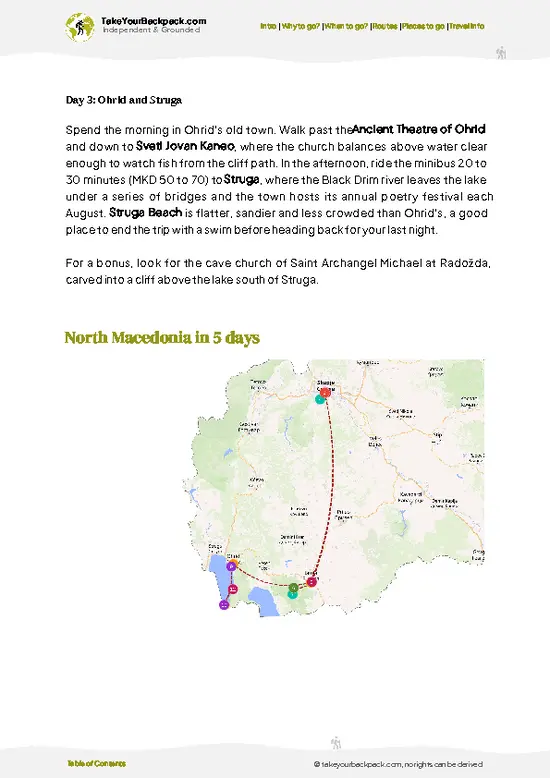
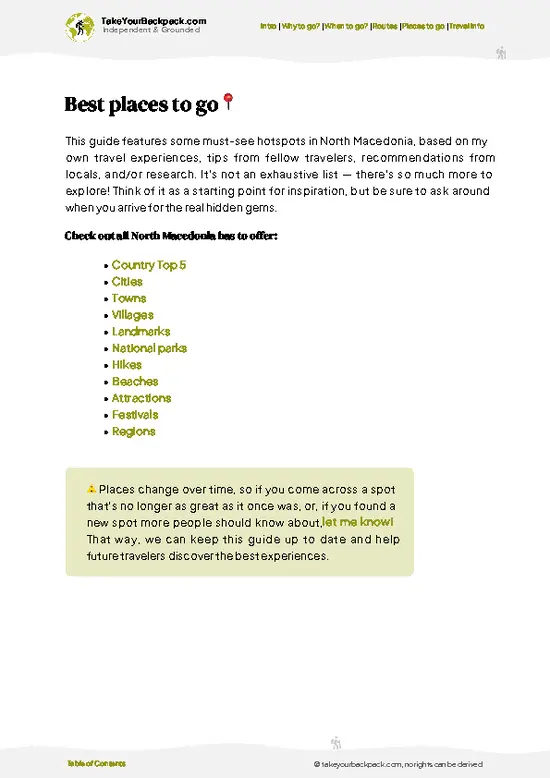
Let’s get real: the Skopje Fortress walls are not the pristine, storybook ramparts you see on travel posters. They’re battered, patched, and in places, half-swallowed by weeds. But that’s the point. Climb up in the late afternoon, when the sun turns the city gold and the Vardar River glows below. You’ll get a 360-degree view that’s more honest than any filtered Instagram shot—cranes, concrete blocks, minarets, and all. This is Skopje’s real skyline, and it’s a wild, beautiful mess. The walls themselves are a living timeline, with Ottoman, Byzantine, and even Roman stones jammed together. You’re literally walking on centuries of improvisation.
The Archaeological Digs
Forget velvet ropes and glass cases. Here, you can peer straight into open pits where archaeologists … read more 👉
Let’s get real: the Skopje Fortress walls are not the pristine, storybook ramparts you see on travel posters. They’re battered, patched, and in places, half-swallowed by weeds. But that’s the point. Climb up in the late afternoon, when the sun turns the city gold and the Vardar River glows below. You’ll get a 360-degree view that’s more honest than any filtered Instagram shot—cranes, concrete blocks, minarets, and all. This is Skopje’s real skyline, and it’s a wild, beautiful mess. The walls themselves are a living timeline, with Ottoman, Byzantine, and even Roman stones jammed together. You’re literally walking on centuries of improvisation.
The Archaeological Digs
Forget velvet ropes and glass cases. Here, you can peer straight into open pits where archaeologists … read more 👉
The Walls at Golden Hour
Let’s get real: the Skopje Fortress walls are not the pristine, storybook ramparts you see on travel posters. They’re battered, patched, and in places, half-swallowed by weeds. But that’s the point. Climb up in the late afternoon, when the sun turns the city gold and the Vardar River glows below. You’ll get a 360-degree view that’s more honest than any filtered Instagram shot—cranes, concrete blocks, minarets, and all. This is Skopje’s real skyline, and it’s a wild, beautiful mess. The walls themselves are a living timeline, with Ottoman, Byzantine, and even Roman stones jammed together. You’re literally walking on centuries of improvisation.
The Archaeological Digs
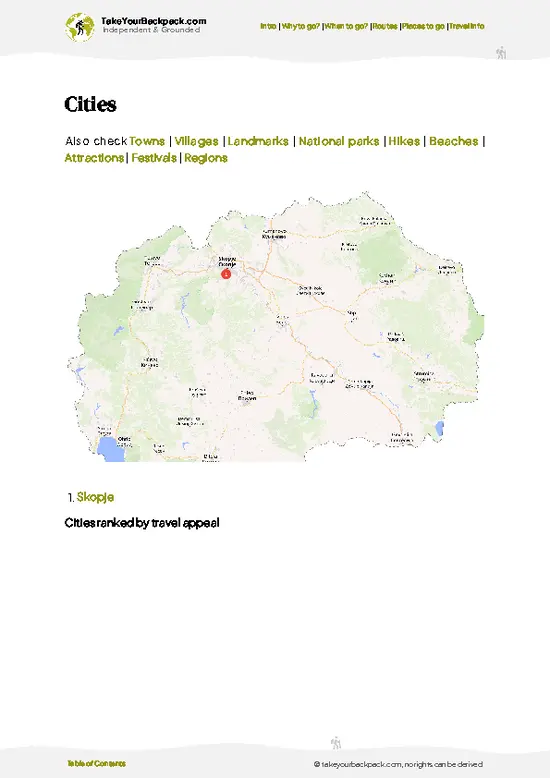
Forget velvet ropes and glass cases. Here, you can peer straight into open pits where archaeologists have unearthed mosaics, pottery, and the bones of the city’s past. Sometimes you’ll see actual teams at work, dusting off relics with paintbrushes. It’s a rare, unsanitized look at history in progress. No staged reenactments—just the raw, dusty business of figuring out who built what, and when. If you’re lucky, you’ll catch a local historian eager to share a story or two, no ticket required.
The Unfiltered Cityscape
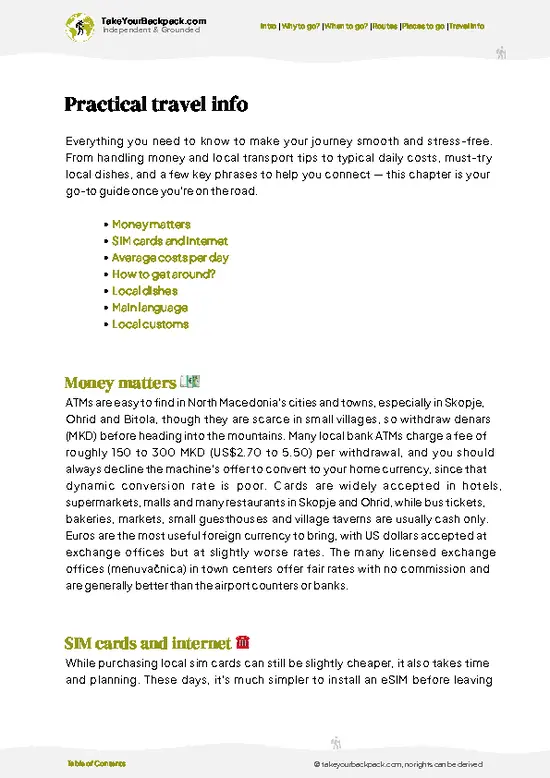
Most people come for the fortress, but the real show is the city below. From the ramparts, you see Skopje’s split personality: the old bazaar’s minarets on one side, the brutalist apartment blocks and the infamous “kitsch” statues on the other. It’s not pretty in the conventional sense, but it’s fascinating. This is a city that survived earthquakes, empires, and a recent architectural identity crisis. The fortress is the best seat in the house for watching Skopje try to figure itself out.
The Nighttime Hangout Scene
Locals know: the fortress isn’t just a daytime spot. After sunset, the walls become Skopje’s unofficial living room. Teenagers with guitars, couples sharing beers, and the odd philosopher holding court over plastic cups of rakija. There’s no cover charge, no dress code, and no one cares if you brought your own snacks. It’s the kind of relaxed, communal vibe you can’t manufacture. If you want to see how Macedonians unwind, skip the bars and come here.
The Earthquake Story
Most fortresses brag about battles. Skopje’s defining moment was the 1963 earthquake that leveled most of the city. The fortress survived, but not unscathed. You can still see cracks and collapsed sections—silent reminders of the disaster. There’s a raw honesty to these ruins. They’re not prettied up for tourists. They’re a badge of survival, and a reminder that this city knows how to rebuild, over and over.
Let’s get real: the Skopje Fortress walls are not the pristine, storybook ramparts you see on travel posters. They’re battered, patched, and in places, half-swallowed by weeds. But that’s the point. Climb up in the late afternoon, when the sun turns the city gold and the Vardar River glows below. You’ll get a 360-degree view that’s more honest than any filtered Instagram shot—cranes, concrete blocks, minarets, and all. This is Skopje’s real skyline, and it’s a wild, beautiful mess. The walls themselves are a living timeline, with Ottoman, Byzantine, and even Roman stones jammed together. You’re literally walking on centuries of improvisation.
The Archaeological Digs
Forget velvet ropes and glass cases. Here, you can peer straight into open pits where archaeologists have unearthed mosaics, pottery, and the bones of the city’s past. Sometimes you’ll see actual teams at work, dusting off relics with paintbrushes. It’s a rare, unsanitized look at history in progress. No staged reenactments—just the raw, dusty business of figuring out who built what, and when. If you’re lucky, you’ll catch a local historian eager to share a story or two, no ticket required.
The Unfiltered Cityscape
Most people come for the fortress, but the real show is the city below. From the ramparts, you see Skopje’s split personality: the old bazaar’s minarets on one side, the brutalist apartment blocks and the infamous “kitsch” statues on the other. It’s not pretty in the conventional sense, but it’s fascinating. This is a city that survived earthquakes, empires, and a recent architectural identity crisis. The fortress is the best seat in the house for watching Skopje try to figure itself out.
The Nighttime Hangout Scene
Locals know: the fortress isn’t just a daytime spot. After sunset, the walls become Skopje’s unofficial living room. Teenagers with guitars, couples sharing beers, and the odd philosopher holding court over plastic cups of rakija. There’s no cover charge, no dress code, and no one cares if you brought your own snacks. It’s the kind of relaxed, communal vibe you can’t manufacture. If you want to see how Macedonians unwind, skip the bars and come here.
The Earthquake Story
Most fortresses brag about battles. Skopje’s defining moment was the 1963 earthquake that leveled most of the city. The fortress survived, but not unscathed. You can still see cracks and collapsed sections—silent reminders of the disaster. There’s a raw honesty to these ruins. They’re not prettied up for tourists. They’re a badge of survival, and a reminder that this city knows how to rebuild, over and over.
Spotted a mistake or missing something? Contact us.

A Day from Skopje to Pristina and Prizren, Kosovo, opt. Kukes Alb

Skopje Wine Tasting Experience – Wines by Zaharchev Winery

Six course dinner & Macedonian wine pairing at Dropstop Gastrobar

Skopje Street Food with Burek, Ajvar & Kebapi, The Local Way

Private Full-Day Best of Ohrid Tour from Skopje

Skopje Airport Private Transfer for up to 3 Passengers

Full day tour of Ohrid with St Naum from Skopje

Skopje city tour - the best of Skopje

Unique Smidgin explore and tasting tour


 Best Backpacking
.jpg) Hi, I’m Johan (Netherlands 🇳🇱), the creator of TakeYourBackpack. Over the past 3 decades, I’ve backpacked through 90+ countries across six continents, gaining extensive experience with independent travel, long-term trips, and overland routes.
Hi, I’m Johan (Netherlands 🇳🇱), the creator of TakeYourBackpack. Over the past 3 decades, I’ve backpacked through 90+ countries across six continents, gaining extensive experience with independent travel, long-term trips, and overland routes.