v2.webp)
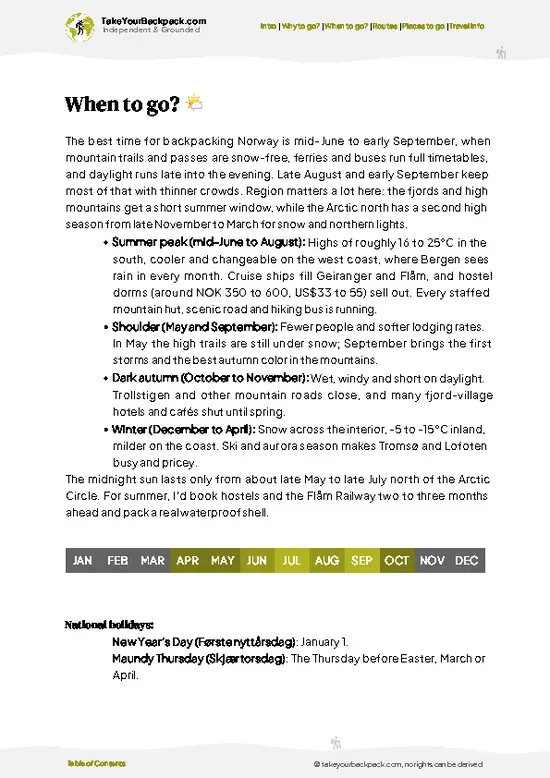
Røros Church (Røros Kirke)
Step inside this copper-roofed giant and you’ll understand why locals call it “the Bergstadens Ziir”—the pride of the mining town. The church’s whitewashed walls glow in the slanting Nordic light, and the wooden pews creak with the weight of centuries. It’s not just a photo stop; the acoustics during a summer concert will rattle your bones. Open year-round, but the golden hour in late afternoon (especially in winter, when the snow hushes the world outside) is pure magic. Entry is around 80 NOK, and you’ll want 30-45 minutes to soak in the details and the view from the hilltop steps.
Sleggveien (The Slag Street)
This isn’t a museum behind glass—it’s a lived-in street where miners’ families once scraped by. The timber houses lean into each other, their tarred walls … read more 👉
Step inside this copper-roofed giant and you’ll understand why locals call it “the Bergstadens Ziir”—the pride of the mining town. The church’s whitewashed walls glow in the slanting Nordic light, and the wooden pews creak with the weight of centuries. It’s not just a photo stop; the acoustics during a summer concert will rattle your bones. Open year-round, but the golden hour in late afternoon (especially in winter, when the snow hushes the world outside) is pure magic. Entry is around 80 NOK, and you’ll want 30-45 minutes to soak in the details and the view from the hilltop steps.
Sleggveien (The Slag Street)
This isn’t a museum behind glass—it’s a lived-in street where miners’ families once scraped by. The timber houses lean into each other, their tarred walls … read more 👉
Røros Church (Røros Kirke)
Step inside this copper-roofed giant and you’ll understand why locals call it “the Bergstadens Ziir”—the pride of the mining town. The church’s whitewashed walls glow in the slanting Nordic light, and the wooden pews creak with the weight of centuries. It’s not just a photo stop; the acoustics during a summer concert will rattle your bones. Open year-round, but the golden hour in late afternoon (especially in winter, when the snow hushes the world outside) is pure magic. Entry is around 80 NOK, and you’ll want 30-45 minutes to soak in the details and the view from the hilltop steps.
Sleggveien (The Slag Street)
This isn’t a museum behind glass—it’s a lived-in street where miners’ families once scraped by. The timber houses lean into each other, their tarred walls breathing out the scent of pine and old smoke. Today, artists and craftspeople work here, and you can duck into tiny workshops to see ceramics, textiles, or even taste a local waffle. Free to wander, but bring a few kroner for a coffee or a handmade souvenir. Best in the morning, when the light slants through the alleys and you can hear your own footsteps. Give yourself 45 minutes to an hour if you want to linger and chat.
Røros Museum Smelthytta (The Smelting House)
If you want to understand why Røros exists, this is the place. The old smelting works are raw and honest—rusted machinery, the tang of metal, and the echo of pickaxes. The museum doesn’t sugarcoat the backbreaking work that built the town, but it also celebrates the ingenuity of the miners. Interactive exhibits make it accessible, even if you’re not a history buff. Open most days except major holidays. Entry is about 130 NOK, and you’ll want at least 60-90 minutes to do it justice.
Rørosmat Food Shops & Tasting
You haven’t really met Røros until you’ve tasted it. The town’s food shops—especially those carrying Røros Dairy butter, local reindeer sausage, and sour cream porridge—are a sensory jackpot. The air smells of smoked meat and fresh bread. Many shops offer free samples, but a proper tasting plate or coffee will run you 50-150 NOK. Go in the late afternoon, when the shops are lively but not crowded. Allow 30-60 minutes if you want to chat with the owners and learn what makes their products special.
Røros Railway Station
This isn’t just a transit point—it’s a living artifact. The station’s wooden architecture and vintage signage feel like a time capsule, and if you arrive or depart by train, you’ll see why the journey is half the story. Even if you’re not catching a train, the station’s café is a cozy spot to watch the world go by. Free to visit; a coffee costs about 40 NOK. Best in the early evening, when the last trains roll in and the sky glows pink. Spend 20-30 minutes, or linger longer if you’re waiting for a ride.
If you’re itching to stretch your legs beyond town, the Femundsmarka National Park, Olavsgruva Mine, and the Savalen area are all within easy day-trip range—Femundsmarka, with its wild lakes and silence, is my personal favorite for a taste of true Norwegian wilderness.
Step inside this copper-roofed giant and you’ll understand why locals call it “the Bergstadens Ziir”—the pride of the mining town. The church’s whitewashed walls glow in the slanting Nordic light, and the wooden pews creak with the weight of centuries. It’s not just a photo stop; the acoustics during a summer concert will rattle your bones. Open year-round, but the golden hour in late afternoon (especially in winter, when the snow hushes the world outside) is pure magic. Entry is around 80 NOK, and you’ll want 30-45 minutes to soak in the details and the view from the hilltop steps.
Sleggveien (The Slag Street)
This isn’t a museum behind glass—it’s a lived-in street where miners’ families once scraped by. The timber houses lean into each other, their tarred walls breathing out the scent of pine and old smoke. Today, artists and craftspeople work here, and you can duck into tiny workshops to see ceramics, textiles, or even taste a local waffle. Free to wander, but bring a few kroner for a coffee or a handmade souvenir. Best in the morning, when the light slants through the alleys and you can hear your own footsteps. Give yourself 45 minutes to an hour if you want to linger and chat.
Røros Museum Smelthytta (The Smelting House)
If you want to understand why Røros exists, this is the place. The old smelting works are raw and honest—rusted machinery, the tang of metal, and the echo of pickaxes. The museum doesn’t sugarcoat the backbreaking work that built the town, but it also celebrates the ingenuity of the miners. Interactive exhibits make it accessible, even if you’re not a history buff. Open most days except major holidays. Entry is about 130 NOK, and you’ll want at least 60-90 minutes to do it justice.
Rørosmat Food Shops & Tasting
You haven’t really met Røros until you’ve tasted it. The town’s food shops—especially those carrying Røros Dairy butter, local reindeer sausage, and sour cream porridge—are a sensory jackpot. The air smells of smoked meat and fresh bread. Many shops offer free samples, but a proper tasting plate or coffee will run you 50-150 NOK. Go in the late afternoon, when the shops are lively but not crowded. Allow 30-60 minutes if you want to chat with the owners and learn what makes their products special.
Røros Railway Station
This isn’t just a transit point—it’s a living artifact. The station’s wooden architecture and vintage signage feel like a time capsule, and if you arrive or depart by train, you’ll see why the journey is half the story. Even if you’re not catching a train, the station’s café is a cozy spot to watch the world go by. Free to visit; a coffee costs about 40 NOK. Best in the early evening, when the last trains roll in and the sky glows pink. Spend 20-30 minutes, or linger longer if you’re waiting for a ride.
If you’re itching to stretch your legs beyond town, the Femundsmarka National Park, Olavsgruva Mine, and the Savalen area are all within easy day-trip range—Femundsmarka, with its wild lakes and silence, is my personal favorite for a taste of true Norwegian wilderness.
Spotted a mistake or missing something? Contact us.

 Best Backpacking
.jpg) Hi, I’m Johan (Netherlands 🇳🇱), the creator of TakeYourBackpack. Over the past 3 decades, I’ve backpacked through 90+ countries across six continents, gaining extensive experience with independent travel, long-term trips, and overland routes.
Hi, I’m Johan (Netherlands 🇳🇱), the creator of TakeYourBackpack. Over the past 3 decades, I’ve backpacked through 90+ countries across six continents, gaining extensive experience with independent travel, long-term trips, and overland routes.