v2.webp)
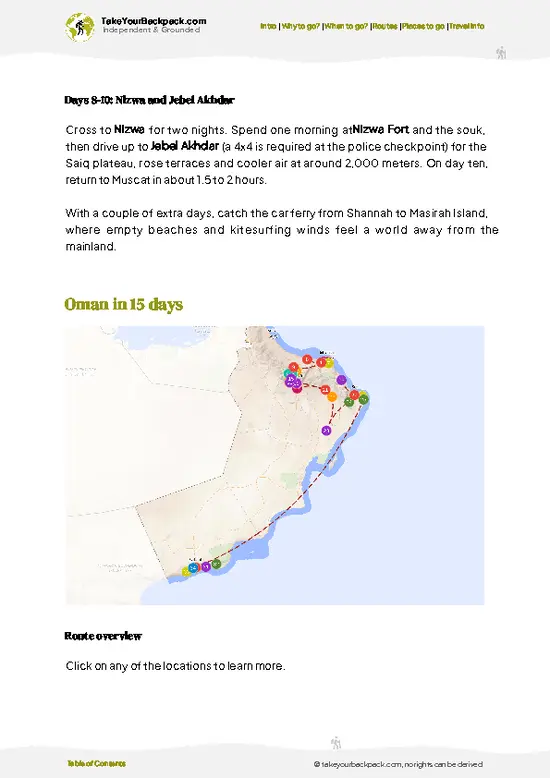
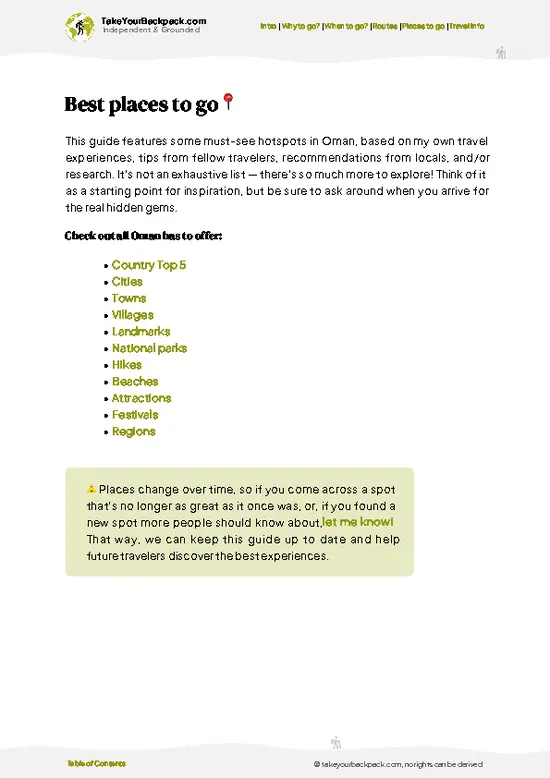
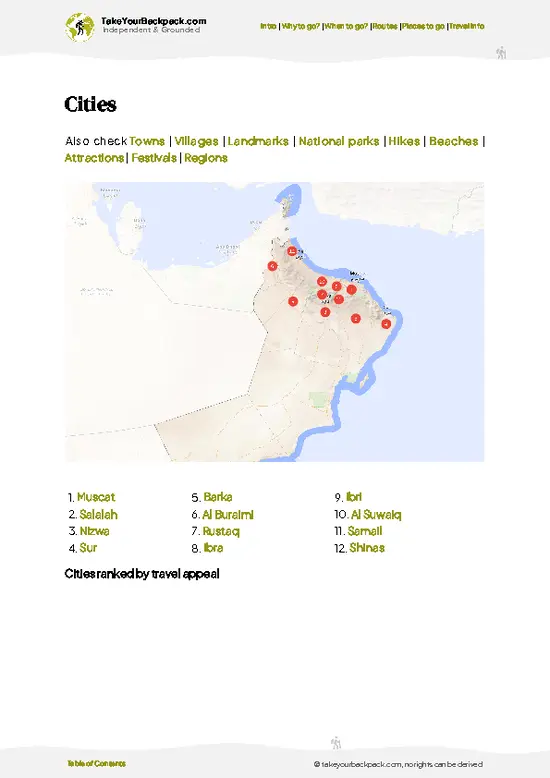
- Ibra Fort — The town’s dominant fortress sitting above the old quarter; climb for sweeping views, poke around the battlements and imagine the old trade routes that ran through here.
- Ibra Souq (the central market) — A real, working market where you’ll find spices, cloth, simple tools and everyday life. It’s the best place to watch bargaining, grab cheap fruit and see how locals shop.
- The Old Town (mud-brick lanes) — Narrow alleys and traditional houses packed close together. It’s less a polished museum and more a living, walkable piece of history — great for wandering and photography in soft morning light.
- Friday Market (weekly souq) — Ibra’s larger weekly trading day where livestock, used goods and local produce turn up. It’s lively, a bit chaotic, and the place to feel the town’s economic
- Ibra Fort — The town’s dominant fortress sitting above the old quarter; climb for sweeping views, poke around the battlements and imagine the old trade routes that ran through here.
- Ibra Souq (the central market) — A real, working market where you’ll find spices, cloth, simple tools and everyday life. It’s the best place to watch bargaining, grab cheap fruit and see how locals shop.
- The Old Town (mud-brick lanes) — Narrow alleys and traditional houses packed close together. It’s less a polished museum and more a living, walkable piece of history — great for wandering and photography in soft morning light.
- Friday Market (weekly souq) — Ibra’s larger weekly trading day where livestock, used goods and local produce turn up. It’s lively, a bit chaotic, and the place to feel the town’s economic heartbeat.
- Perimeter Watchtowers — Small stone watchtowers dotting the edges of town. They’re modest, but you can touch the history of local defense systems and get off-map views without any entrance fee.
- Restored Heritage Houses — Scattered small family houses that have been opened to the public or converted into tiny exhibits. They’re intimate, full of household objects and way more authentic than big, curated museums.
- Traditional craft stalls and silversmiths — Inside the souq you’ll find craftsmen making and selling silver jewelry, leather goods and simple tooling. Watching a smith at work or buying a small, locally made piece supports real skills.
- Main Congregational Mosque (the Jami‘) — Architecturally quiet but socially central. Non-Muslim visitors should respect visiting hours and dress codes; being there during prayer times shows a different side of town life.
- Date-palm groves and small falaj channels — Small irrigated plots near town where date palms and vegetables are grown using traditional falaj water systems. They’re low on tourist hype but rich in local agricultural culture.
- Cafés and khawa corners — Simple, family-run places for Omani coffee, sweet halwa and conversation. Sit, listen and you’ll learn more about Ibra’s rhythms than any guidebook can teach you.
Spotted a mistake or missing something? Contact us.

Heritage private Tour by classic carts

Old Nizwa authentic walks

Balcony Walk of Jebal Shams (Highest Peak of Oman)

Jabal Shams (Grand Canyon)

Explore Aljabal Alackder and Burkat Almouz Wonders

A Mirage In The Mountain

The Lost Village Hike

Via Ferrata

Jabal Shams (Grand Canyon) Tour


 Best Backpacking
.jpg) Hi, I’m Johan (Netherlands 🇳🇱), the creator of TakeYourBackpack. Over the past 3 decades, I’ve backpacked through 90+ countries across six continents, gaining extensive experience with independent travel, long-term trips, and overland routes.
Hi, I’m Johan (Netherlands 🇳🇱), the creator of TakeYourBackpack. Over the past 3 decades, I’ve backpacked through 90+ countries across six continents, gaining extensive experience with independent travel, long-term trips, and overland routes.