×

Pakistan🇵🇰 | national parksPhander ValleyWide valley floor, turquoise lake, Shandur approach | things to do and best time to go

Explore Gurez ValleyExplore Kalash Valleys

Backpacking in Phander Valley
By Johan Kruseman 🇳🇱 | Updated September 29, 2026

Do you base yourself in Phander town or push on to Gupis for cheaper rooms and fewer tourists? That call shapes your whole trip. Phander Valley sits in Ghizer district, Gilgit-Baltistan, strung along the Ghizer River. Lakes and poplar-lined fields look sharp, but trails are unmarked and lodges thin. I remember eating trout fried in mustard oil at a roadside shack, river noise drowning out the generator hum, and thinking no menu in Islamabad comes close.

Discover everything you want to know in the 📖 Pakistan Travel Guide.


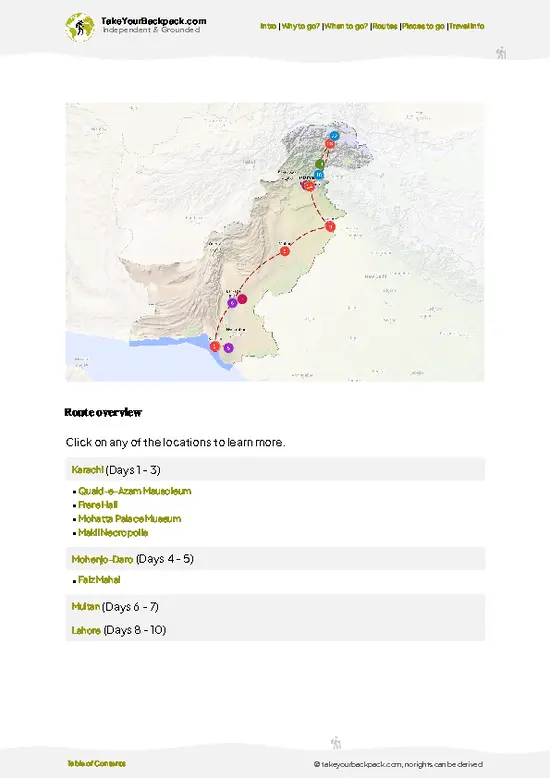
example page 0 from our offline Travel Guide for Pakistan
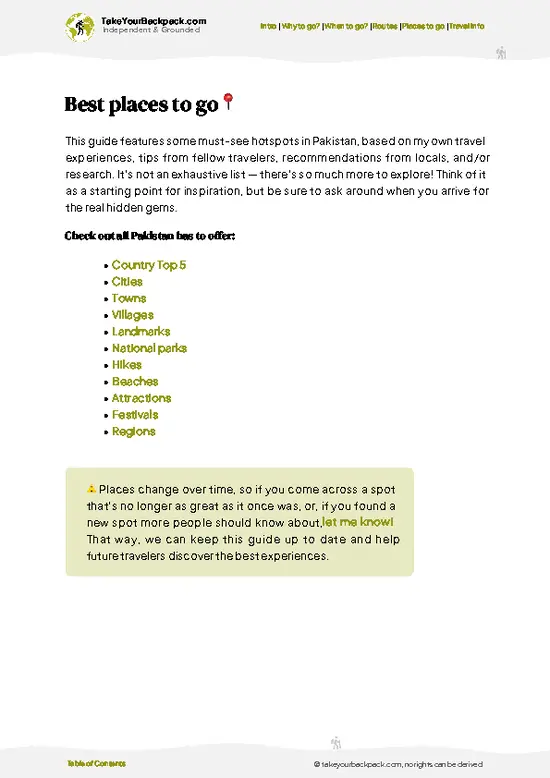
example page 1 from our offline Travel Guide for Pakistan
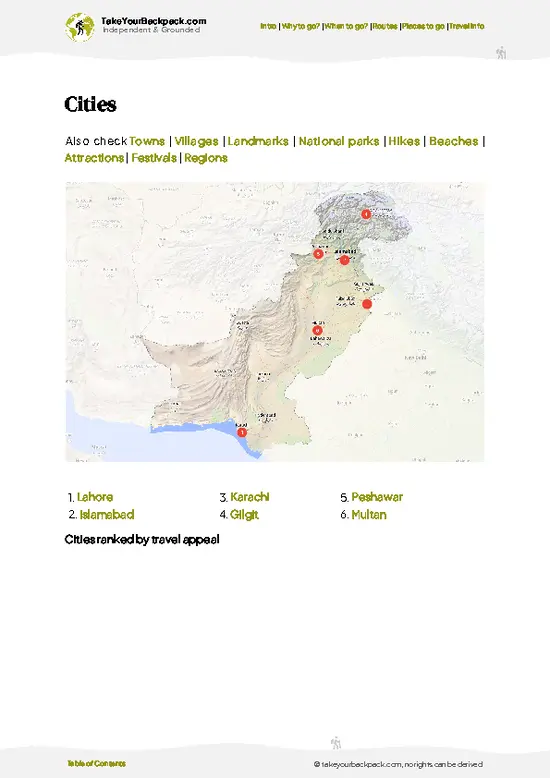
example page 2 from our offline Travel Guide for Pakistan
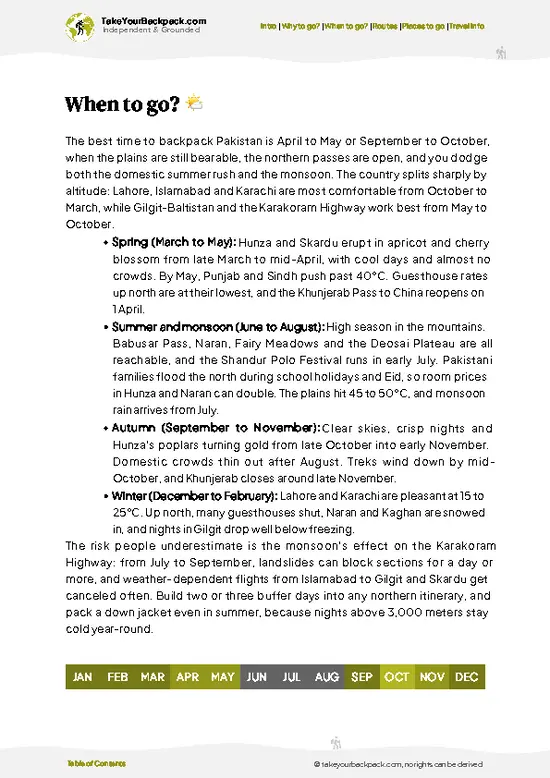
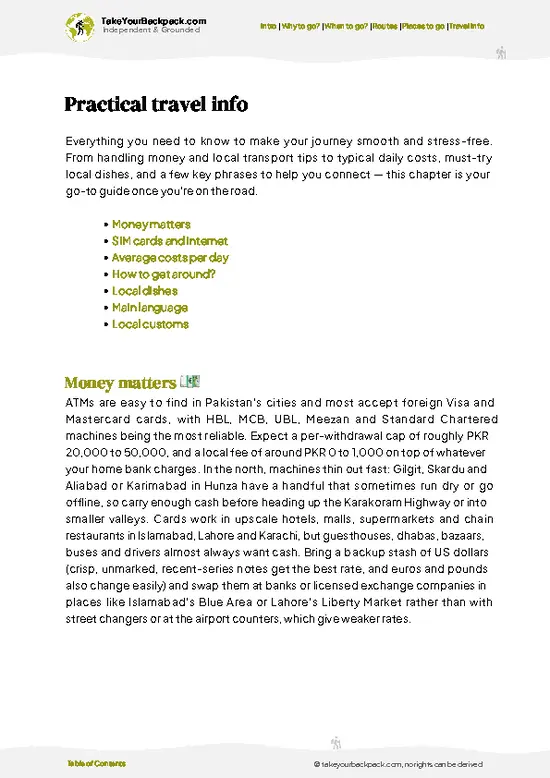
example page 3 from our offline Travel Guide for Pakistan
example page 4 from our offline Travel Guide for Pakistan
example page 5 from our offline Travel Guide for Pakistan
example page 6 from our offline Travel Guide for Pakistan
example page 7 from our offline Travel Guide for Pakistan
Loading the map 🌍
CLICK TO FILTER
cities
towns
villages
landmarks
national parks
hikes
beaches
attractions
festivals
regions
SHOW COUNTRY’S BESTSHOW ALL

✨ Why go?
Ranked #99 national park in Pakistan
Why Phander Valley should be on your travel list

Backpackers come for genuine independent exploration: no permits, no mandatory guides, and a road network letting you hop between villages by local wagon. Budget camping along Phander Lake costs next to nothing, and Gupis offers cheaper guesthouses than pricier Hunza. Trail variety runs from flat riverside walks to rougher climbs toward side valleys like Barsat. It suits self-guided travelers who enjoy figuring things out over those wanting curated itineraries, though basic Urdu or a translation app helps a lot here.

💡 HighlightsPlaces and moments you shouldn't skip

  1. Phander Lake: A calm stretch of turquoise water framed by bare mountain slopes, best seen at sunrise when the surface is glass-still.
  2. Gupis Valley: A quieter neighbor with its own lake and polo ground, good for a day trip on local transport.
  3. Barsat Village: A remote side valley offering rougher trekking and a genuine look at subsistence farming life.
  4. Poplar-lined Fields: In autumn these turn gold and line the valley floor, making for easy, flat walking with constant photo opportunities.
  5. Ghizer River: Runs the length of the valley, good for riverside camping and trout fishing with locals.
  6. Shandur Pass Approach: The route toward the famous polo ground at Shandur starts near here, a rewarding multi-day option for fitter hikers.
  7. Local Polo Matches: Small-scale games happen in season and give a direct
… read more 👉
  1. Phander Lake: A calm stretch of turquoise water framed by bare mountain slopes, best seen at sunrise when the surface is glass-still.
  2. Gupis Valley: A quieter neighbor with its own lake and polo ground, good for a day trip on local transport.
  3. Barsat Village: A remote side valley offering rougher trekking and a genuine look at subsistence farming life.
  4. Poplar-lined Fields: In autumn these turn gold and line the valley floor, making for easy, flat walking with constant photo opportunities.
  5. Ghizer River: Runs the length of the valley, good for riverside camping and trout fishing with locals.
  6. Shandur Pass Approach: The route toward the famous polo ground at Shandur starts near here, a rewarding multi-day option for fitter hikers.
  7. Local Polo Matches: Small-scale games happen in season and give a direct look at the region's most important sport.
  8. Roadside Chai Stops: Not a landmark exactly, but the tea shacks along the valley road are where you actually meet people. My personal favorite is Phander Lake at dawn, before the wind picks up and ruins the reflection.
Spotted a mistake or missing something? Contact us.

🌤️ When to go?Seasonal considerations and timing

  • Summer (June to August): Warmest, 20-30°C (68-86°F), best for trekking and full daylight (up to 15 hours); also peak local tourist season.
  • Spring (April to May): Cooler, 10-20°C (50-68°F), snowmelt swells rivers, fewer visitors, roads sometimes affected by landslides.
  • Autumn (September to October): Crisp, 5-15°C (41-59°F), golden poplar trees, thinning crowds, lower guesthouse prices.
  • Winter (November to March): Cold, often below freezing, many guesthouses close, roads occasionally blocked by snow.
Go in late September if you want the color without the crowds or the summer price bump.

source: climatestotravel.comJANJanuary: below average for travelingFEBFebruary: below average for travelingMARMarch: fair for travelingAPRApril: fair for travelingMAYMay: highly recommended for travelingJUNJune: excellent for travelingJULJuly: excellent for travelingAUGAugust: excellent for travelingSEPSeptember: highly recommended for travelingOCTOctober: fair for travelingNOVNovember: below average for travelingDECDecember: below average for traveling
when-to-go

✈️ The backpacker research shortcutPakistan Travel Guide

An offline-friendly backpacking guide with optimized travel routes, ranked highlights, transport advice, and the best areas to stay.
example page 0 from our offline Travel Guide for Pakistan
example page 1 from our offline Travel Guide for Pakistan
example page 2 from our offline Travel Guide for Pakistan
example page 3 from our offline Travel Guide for Pakistan
example page 4 from our offline Travel Guide for Pakistan
example page 5 from our offline Travel Guide for Pakistan
example page 6 from our offline Travel Guide for Pakistan
example page 7 from our offline Travel Guide for Pakistan
The digital guide (290 pages) contains:
✅ 97 highlights, ranked by travel appeal
✅ Optimized 7, 14 & 21-day travel routes
✅ Cities, national parks, landmarks, beaches
✅ How to get around
✅ Offline-friendly for travel without Wi-Fi
👉 Click to see all 30+ guide features

📅 Plan smarter in minutes, not weeks
✅ Month by month travel advice
✅ Festivals & national holidays
✅ Budget expectations

🗺️ Go to the right places, skip the overrated ones
✅ Honest pros & cons of destinations
✅ Top hikes, parks & viewpoints
✅ Lesser-known places most travelers miss
✅ Clear “worth it vs skip it” guidance

🛏️ Travel smoothly without rookie mistakes
✅ Best areas to stay
✅ Transport systems explained simply
✅ Common scams & safety advice
✅ SIM cards, money & practical tips

🌍 Understand the country, not just visit it
✅ Culture & traditions
✅ 52 Essential phrases & customs
✅ Festivals worth planning around
✅ Traveler-friendly historical context
✅ Insights that make places more meaningful

📱 Built for real travel conditions
✅ Fully downloadable PDF
✅ Works completely offline
✅ Optimized for phone use
✅ Useful in remote areas & buses
✅ Everything in one place
Stop searching, start planning
Get instant access to your full guide. 30‑day money-back guarantee.
+ Add another guide for just

By proceeding you agree to our terms.
Sent to your inbox immediately after payment • 100% Secure Checkout
Best Backpacking Travel Advisor 2025 tourism awardBest Backpacking
Travel Advisor
2025
What others say about Take Your Backpack Guides:
⭐⭐⭐⭐⭐
Fantastic, amazing amount of information!
⭐⭐⭐⭐⭐
My goodness this is amazing, it's what I've been looking for hats off too you!
⭐⭐⭐⭐⭐
I think this is absolutely BRILLIANT
⭐⭐⭐⭐
Very complete and informative. It's still missing places, but I gotta to commend you
⭐⭐⭐⭐⭐
This is truly amazing, thank you, can't wait to explore it with my kids!
⭐⭐⭐⭐⭐
Awesome resource, thank you!
⭐⭐⭐⭐⭐
This is amazing! Can't wait to explore the ones I haven't seen
⭐⭐⭐⭐
I love this! Well done, great idea.
⭐⭐⭐⭐⭐
Thanks for taking the time to make this gem!
⭐⭐⭐⭐⭐
This might be the best website I've ever seen.
⭐⭐⭐⭐⭐
Congratulations, and thank you so much for your work; it's incredibly valuable.
⭐⭐⭐⭐
In all seriousness I think you did a great job pointing out the important spots
⭐⭐⭐⭐⭐
10/10 very good
⭐⭐⭐⭐⭐
As someone who's only just starting to visit regularly this is awesome, thank you.
⭐⭐⭐⭐
Thank you very much! I'm going to visit my dad, it's going to be very useful!
⭐⭐⭐⭐⭐
This is really cool! We'll be travelling for the first time and this definitely come in handy.
⭐⭐⭐⭐⭐
You are now our minister of culture, congratulations 👨‍💼
⭐⭐⭐⭐⭐
Just wanted to tell you that this is a pearl! Going to follow your recommendations.
⭐⭐⭐⭐⭐
This is so cool. I'll definitely be using the resource for my travels soon.
⭐⭐⭐⭐⭐
This is very impressive! Good work.
⭐⭐⭐⭐⭐
This is an amazing and informative site. Very well done!

🛏️ Where to stay?Choosing the right base

Phander town itself has a handful of basic guesthouses right on the lake, simple rooms with shared bathrooms, priced well below anything you'd find in Hunza. Camping along the lakeshore is common and free if you ask permission from a nearby landowner. Gupis, about 30 minutes away, has a slightly wider choice of budget lodges and is a good base if Phander's options are full. There's no formal accommodation infrastructure inside a protected zone, since this isn't a fenced park, so staying in either village puts you close to the trailheads without extra travel time.

👛 Costs (as of 29 September 2026)Money, prices, and spending tips

Visiting Phander Valley is inexpensive by any regional standard, since there's no formal park entrance fee and costs center on transport, food, and basic lodging.
CategoryBudget RangeLocal Reality
Entrance FeeNoneNo gate or permit system exists for the valley itself
Accommodation/CampingUSD5 to 15 per nightBasic guesthouse rooms; free lakeside camping with landowner permission
Local TransportUSD3 to 10 per tripShared jeeps and vans from Gilgit or Gupis; private hire costs more
Food/SuppliesUSD5 to 12 per daySimple meals at roadside stalls; limited packaged goods, so stock up in Gilgit
⚠️ Prices can change and everyone travels differently, so take this as a rough guide. Hope it helps you plan your adventure!

🥾 TrailsTrail guide for Phander Valley national park

Hiking here is informal. There are no signposted national park trails in the way you'd find in Europe or North America, so most routes are shepherd paths or jeep tracks repurposed for walking. Terrain ranges from flat valley floor walks along the Ghizer River to steep, loose-rock climbs toward side valleys like Barsat. Wildlife sightings are modest: ibex and snow leopard exist at higher altitudes but are rarely seen, while golden eagles are a more realistic spot.
  • Valley Floor Walk (Phander to Gupis): roughly 15km, 4-5 hours, easy, flat terrain following the river and poplar groves.
  • Barsat Side Valley
… read more 👉
Hiking here is informal. There are no signposted national park trails in the way you'd find in Europe or North America, so most routes are shepherd paths or jeep tracks repurposed for walking. Terrain ranges from flat valley floor walks along the Ghizer River to steep, loose-rock climbs toward side valleys like Barsat. Wildlife sightings are modest: ibex and snow leopard exist at higher altitudes but are rarely seen, while golden eagles are a more realistic spot.
  • Valley Floor Walk (Phander to Gupis): roughly 15km, 4-5 hours, easy, flat terrain following the river and poplar groves.
  • Barsat Side Valley Trek: roughly 10km one way, full day, moderate to hard, loose rock and stream crossings with no clear markers.
  • Shandur Approach Trek: multi-day, difficult, high-altitude terrain requiring proper gear and local knowledge of the route.
Public transport reaches Phander via shared jeeps and vans from Gilgit, a journey of several hours on rough roads. Crowds are light even in peak summer, and there's no entrance fee since this isn't a formally gazetted, fee-collecting national park in the way Deosai or Khunjerab are.
⚠️ Hiking info can sometimes be outdated or inaccurate. Before you hit the trail, check the latest conditions with locals. If you do spot anything that's off, I'd love to hear from you, so I can update it for fellow travelers.

🛡️ SafetySafety Tips and Common Scams in Phander Valley

Phander Valley is low-drama by regional standards. The main real risks are rough, unmarked trails and sudden weather shifts at higher elevations, so carry layers even in summer. River crossings on side treks like Barsat can run high after snowmelt, so time crossings for morning when water levels are lower. Wildlife encounters are rare and mostly limited to distant eagle sightings. First-timers often underestimate how few services exist past Gupis, so carry cash, water purification, and a paper map since phone signal drops fast.

FAQFrequently asked questions about Phander Valley

Plan for 2 to 3 days, enough time to walk the valley floor, visit the lake at sunrise, and take a day trip to Gupis or Barsat without rushing.
Yes, shared jeeps and vans run from Gilgit to Phander and Gupis, though schedules are informal and infrequent. A private hire gives more flexibility but costs considerably more than shared transport.
There is no entrance fee or permit required for Phander Valley itself, since it isn't a formally fee-collecting protected area like Khunjerab or Deosai national parks.
⚠️ Things can change over time, so always validate details locally before you go.

Other Pakistani national parks near Phander Valley

Explore more nearby:


💡 Not sure where to go next?
Create a personalized itinerary for Pakistan including Phander Valley and the places that fit your trip.

Generate my itinerary

👉 Discover all national parks

Or checkout all Pakistan has to offer (think cities, towns, villages, national parks, hikes, beaches, festivals)
Country photo of Pakistan

We 💚 feedbackFinal thoughts on exploring Phander Valley

Phander rewards travelers who like figuring things out on the ground, poplar groves, quiet lake mornings, real village life. The drawback: thin infrastructure means you need patience, cash, and a backup plan if transport or weather shifts unexpectedly.

✈️ When did I visit Pakistan?
Even though the media portrays Pakistan often as a dangerous country, it has its great spots, and for a mountain lover like me the mountain regions in the north are just heaven. Visited Pakistan in October 2022.

✍️ Help improve this page!
The information on this page is based on my own backpacking experience in Pakistan, supplemented with up-to-date research and feedback from other travelers. Travel details can change, so if you notice anything outdated or incomplete, feel free to let me know.


🙋‍♂️ Give feedback

👋 Meet the founderWho’s Behind Take Your Backpack?

Johan, backpacker and founder of TakeYourBackpackHi, I’m Johan (Netherlands 🇳🇱), the creator of TakeYourBackpack. Over the past 3 decades, I’ve backpacked through 90+ countries across six continents, gaining extensive experience with independent travel, long-term trips, and overland routes.

This site is built on a combination of firsthand travel experience and carefully curated insights from other backpackers. Many guides are based on places I’ve personally visited, while others bring together tips, observations, and practical advice shared by trusted travelers I’ve met along the way.

The goal is to provide realistic, experience-driven guidance — not generic itineraries — so you can explore destinations with better context, clearer expectations, and more confidence.