×

Pakistan🇵🇰 | national parksShandur National ParkHighest polo ground, Chitral-Gilgit divide, summer festival | things to do and best time to go

Explore Pir Lasura National ParkExplore Gurez Valley

Backpacking in Shandur
👀 For curious travelersnational park ranked #14
By Johan Kruseman 🇳🇱 | Updated September 30, 2026

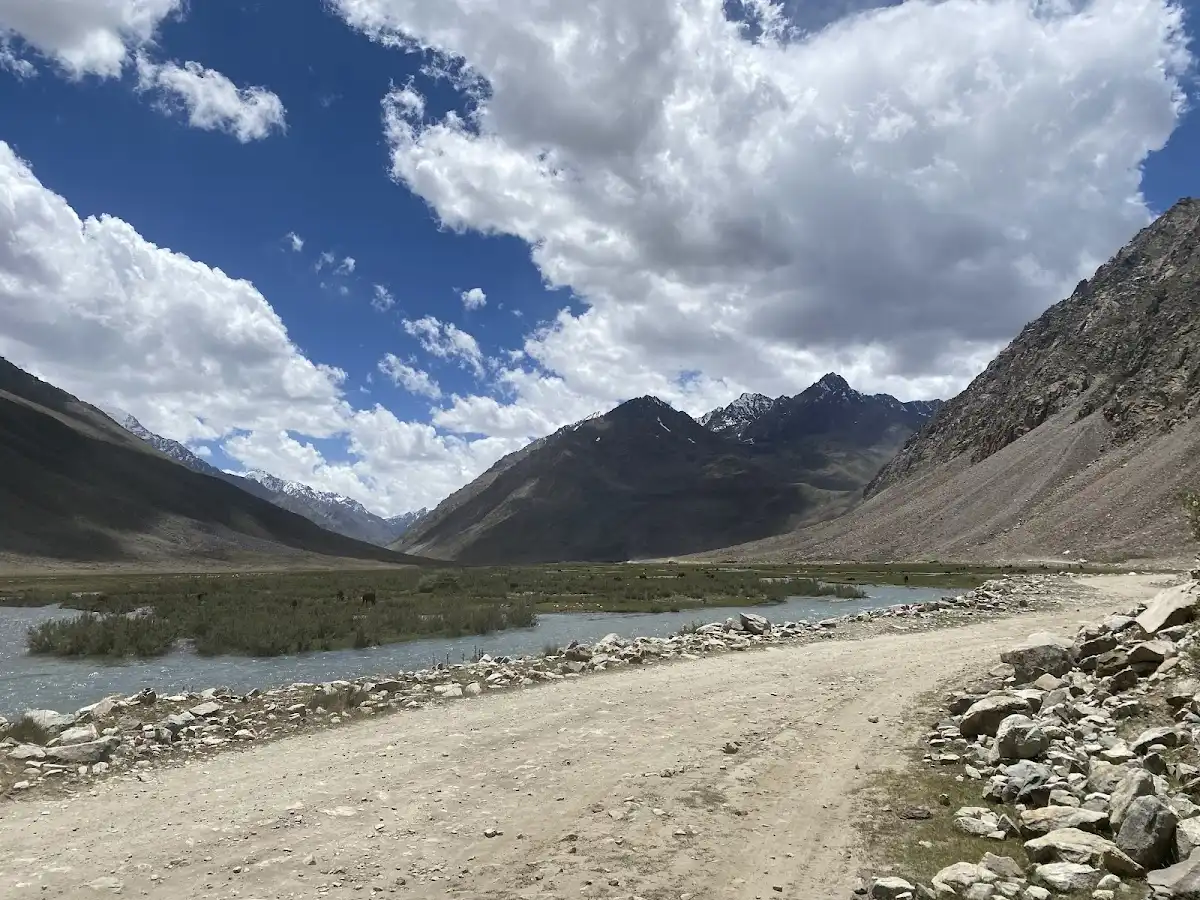
The wind hits you first, thin and cold even in July, cutting across a polo ground sitting at 3,700 meters like nothing you've felt in lowland Pakistan. Shandur National Park straddles the border between Chitral and Gilgit-Baltistan, a high plateau famous for its lake and its freestyle polo tournament. I remember sitting on a boulder near Shandur Top eating dry chapati while a shepherd's dog watched me, utterly indifferent to my presence, and thinking how few tourists ever make it this far. That's the pull: near-total solitude, big empty scenery, yak herds instead of crowds. The catch is accessibility. Roads are rough, weather flips fast, and there's almost no formal infrastructure, so this rewards the prepared and punishes the improvised.

Discover everything you want to know in the 📖 Pakistan Travel Guide.


example page 0 from our offline Travel Guide for Pakistan
example page 1 from our offline Travel Guide for Pakistan
example page 2 from our offline Travel Guide for Pakistan
example page 3 from our offline Travel Guide for Pakistan
example page 4 from our offline Travel Guide for Pakistan
example page 5 from our offline Travel Guide for Pakistan
example page 6 from our offline Travel Guide for Pakistan
example page 7 from our offline Travel Guide for Pakistan
Loading the map 🌍
CLICK TO FILTER
cities
towns
villages
landmarks
national parks
hikes
beaches
attractions
festivals
regions
SHOW COUNTRY’S BESTSHOW ALL

💡 HighlightsThe experiences that define the visit

  1. Shandur Lake: A shallow alpine lake reflecting the surrounding bare peaks, calmest at dawn before wind picks up across the plateau.
  2. Shandur Top Polo Ground: Reputedly the highest polo ground in the world, hosting the annual Shandur Polo Festival between Chitral and Gilgit teams.
  3. The Plateau Walk: A flat, wide expanse ideal for acclimatized wandering, with unobstructed views in every direction and near-total silence outside festival dates.
  4. Phander Valley Approach: The route down toward Phander offers a green contrast to Shandur's barren top, with a lake and small villages worth the detour.
  5. Yak Herding Camps: Seasonal herder camps dot the lower slopes; a respectful visit offers a real look at high-altitude pastoral life, not staged for tourists.
  6. Sunrise Over the Ridgeline: My personal favorite. The
… read more 👉
  1. Shandur Lake: A shallow alpine lake reflecting the surrounding bare peaks, calmest at dawn before wind picks up across the plateau.
  2. Shandur Top Polo Ground: Reputedly the highest polo ground in the world, hosting the annual Shandur Polo Festival between Chitral and Gilgit teams.
  3. The Plateau Walk: A flat, wide expanse ideal for acclimatized wandering, with unobstructed views in every direction and near-total silence outside festival dates.
  4. Phander Valley Approach: The route down toward Phander offers a green contrast to Shandur's barren top, with a lake and small villages worth the detour.
  5. Yak Herding Camps: Seasonal herder camps dot the lower slopes; a respectful visit offers a real look at high-altitude pastoral life, not staged for tourists.
  6. Sunrise Over the Ridgeline: My personal favorite. The light hits the eastern ridge first while the lake stays in shadow, and the temperature swing in that hour is dramatic enough to feel in your bones.
  7. Chitral-Gilgit Watershed Point: The plateau technically marks a natural divide between two river systems, a small but satisfying geographic detail for map nerds.
Spotted a mistake or missing something? Contact us.

Things to do near Shandur National Park

Ratings based on Tripadvisor reviews. When you book through this link, you support our work at no extra cost to you.

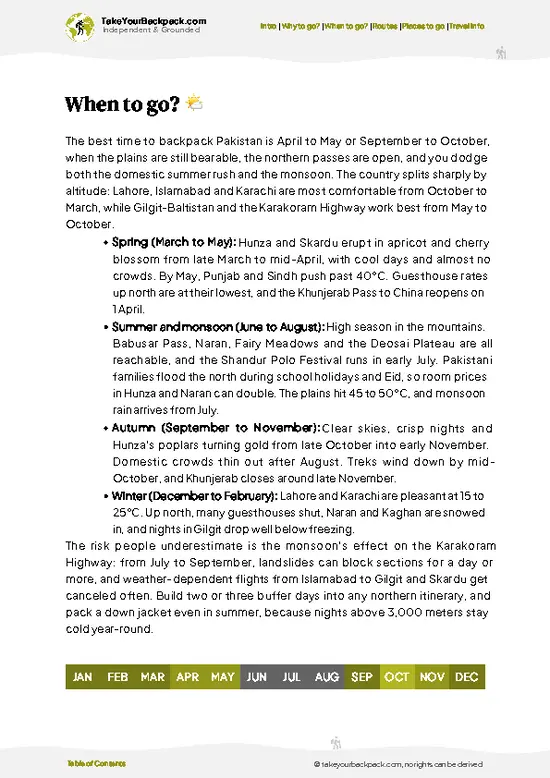
🌤️ When to go?Weather, crowds, and seasonal trade-offs

  • Summer (June to September): The only realistic window, with daytime temperatures around 10 to 18°C (50 to 64°F) and nights dropping near freezing; roads are passable and this is when the annual polo festival draws the biggest, though still modest, crowds.
  • Shoulder Weeks (Early June, Late September): Fewer people, colder nights, and a real chance the pass gets a surprise snow dusting, so pack accordingly.
  • Winter (October to May): Effectively closed to backpackers; snow blocks the roads and temperatures fall well below freezing.
  • Daylight: Around 14 to 15 hours in midsummer, giving long hiking windows.
Pro-tip: aim for the two weeks around the polo festival if you want atmosphere, or the week after if you want the plateau entirely to yourself.

source: climatestotravel.comJANJanuary: below average for travelingFEBFebruary: below average for travelingMARMarch: fair for travelingAPRApril: fair for travelingMAYMay: good for travelingJUNJune: highly recommended for travelingJULJuly: excellent for travelingAUGAugust: excellent for travelingSEPSeptember: highly recommended for travelingOCTOctober: fair for travelingNOVNovember: below average for travelingDECDecember: below average for traveling
pakistan-national-park-shandur-national-park
© Google |

✈️ The backpacker research shortcutPakistan Travel Guide

An offline-friendly backpacking guide with optimized travel routes, ranked highlights, transport advice, and the best areas to stay.
example page 0 from our offline Travel Guide for Pakistan
example page 1 from our offline Travel Guide for Pakistan
example page 2 from our offline Travel Guide for Pakistan
example page 3 from our offline Travel Guide for Pakistan
example page 4 from our offline Travel Guide for Pakistan
example page 5 from our offline Travel Guide for Pakistan
example page 6 from our offline Travel Guide for Pakistan
example page 7 from our offline Travel Guide for Pakistan
The digital guide (290 pages) contains:
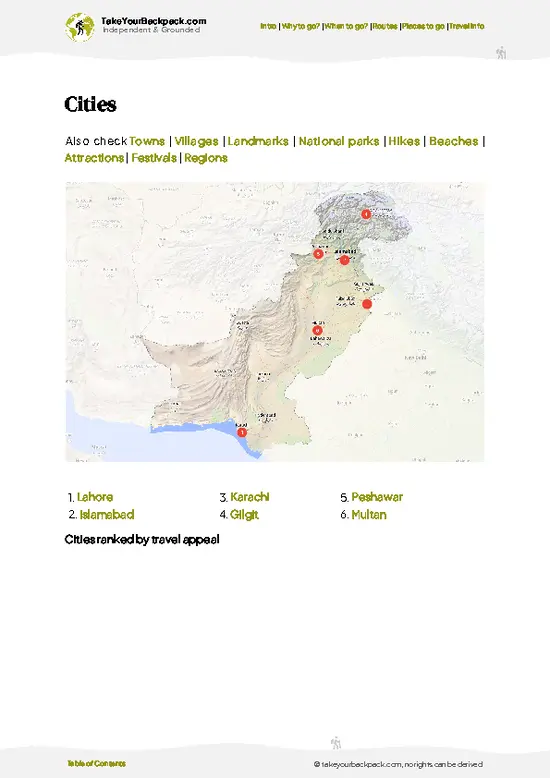
✅ 97 highlights, ranked by travel appeal
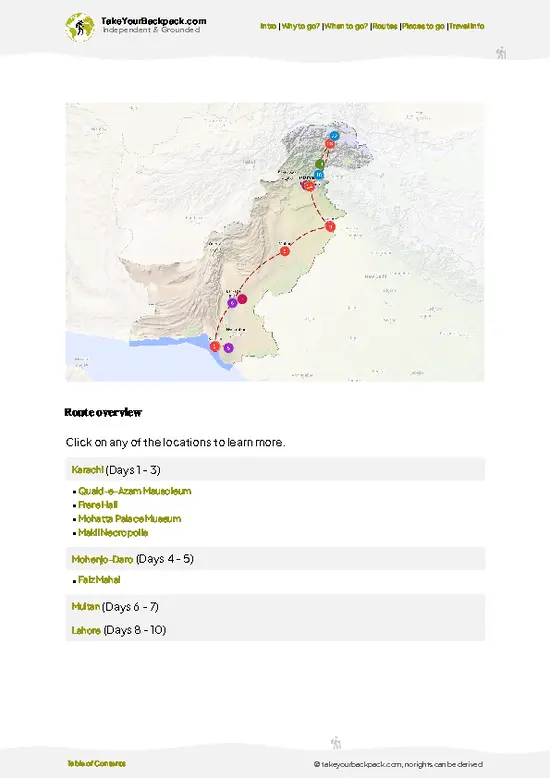
✅ Optimized 7, 14 & 21-day travel routes
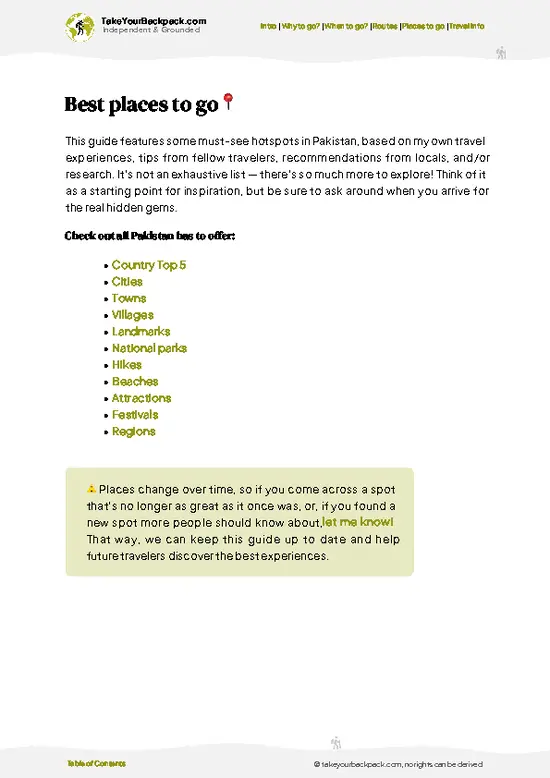
✅ Cities, national parks, landmarks, beaches
✅ How to get around
✅ Offline-friendly for travel without Wi-Fi
👉 Click to see all 30+ guide features

📅 Plan smarter in minutes, not weeks
✅ Month by month travel advice
✅ Festivals & national holidays
✅ Budget expectations

🗺️ Go to the right places, skip the overrated ones
✅ Honest pros & cons of destinations
✅ Top hikes, parks & viewpoints
✅ Lesser-known places most travelers miss
✅ Clear “worth it vs skip it” guidance

🛏️ Travel smoothly without rookie mistakes
✅ Best areas to stay
✅ Transport systems explained simply
✅ Common scams & safety advice
✅ SIM cards, money & practical tips

🌍 Understand the country, not just visit it
✅ Culture & traditions
✅ 52 Essential phrases & customs
✅ Festivals worth planning around
✅ Traveler-friendly historical context
✅ Insights that make places more meaningful

📱 Built for real travel conditions
✅ Fully downloadable PDF
✅ Works completely offline
✅ Optimized for phone use
✅ Useful in remote areas & buses
✅ Everything in one place
Stop searching, start planning
Get instant access to your full guide. 30‑day money-back guarantee.
+ Add another guide for just

By proceeding you agree to our terms.
Sent to your inbox immediately after payment • 100% Secure Checkout
Best Backpacking Travel Advisor 2025 tourism awardBest Backpacking
Travel Advisor
2025
What others say about Take Your Backpack Guides:
⭐⭐⭐⭐⭐
Fantastic, amazing amount of information!
⭐⭐⭐⭐⭐
My goodness this is amazing, it's what I've been looking for hats off too you!
⭐⭐⭐⭐⭐
I think this is absolutely BRILLIANT
⭐⭐⭐⭐
Very complete and informative. It's still missing places, but I gotta to commend you
⭐⭐⭐⭐⭐
This is truly amazing, thank you, can't wait to explore it with my kids!
⭐⭐⭐⭐⭐
Awesome resource, thank you!
⭐⭐⭐⭐⭐
This is amazing! Can't wait to explore the ones I haven't seen
⭐⭐⭐⭐
I love this! Well done, great idea.
⭐⭐⭐⭐⭐
Thanks for taking the time to make this gem!
⭐⭐⭐⭐⭐
This might be the best website I've ever seen.
⭐⭐⭐⭐⭐
Congratulations, and thank you so much for your work; it's incredibly valuable.
⭐⭐⭐⭐
In all seriousness I think you did a great job pointing out the important spots
⭐⭐⭐⭐⭐
10/10 very good
⭐⭐⭐⭐⭐
As someone who's only just starting to visit regularly this is awesome, thank you.
⭐⭐⭐⭐
Thank you very much! I'm going to visit my dad, it's going to be very useful!
⭐⭐⭐⭐⭐
This is really cool! We'll be travelling for the first time and this definitely come in handy.
⭐⭐⭐⭐⭐
You are now our minister of culture, congratulations 👨‍💼
⭐⭐⭐⭐⭐
Just wanted to tell you that this is a pearl! Going to follow your recommendations.
⭐⭐⭐⭐⭐
This is so cool. I'll definitely be using the resource for my travels soon.
⭐⭐⭐⭐⭐
This is very impressive! Good work.
⭐⭐⭐⭐⭐
This is an amazing and informative site. Very well done!

🛏️ Where to stay?Where staying makes the most sense

There's no lodge infrastructure inside the park itself, so most backpackers camp near the polo ground or lake edge, bringing their own tent, stove, and enough food for several days since there's nowhere reliable to resupply. During the polo festival, temporary camps and basic tented accommodation appear, run by local operators, but book informally and fill fast. Outside festival dates, you're largely on your own. The nearest real towns with guesthouses and food options are Chitral to the west (a long, rough jeep ride) and Phander or Gupis to the east toward Gilgit, both offering simple guesthouses … read more 👉
There's no lodge infrastructure inside the park itself, so most backpackers camp near the polo ground or lake edge, bringing their own tent, stove, and enough food for several days since there's nowhere reliable to resupply. During the polo festival, temporary camps and basic tented accommodation appear, run by local operators, but book informally and fill fast. Outside festival dates, you're largely on your own. The nearest real towns with guesthouses and food options are Chitral to the west (a long, rough jeep ride) and Phander or Gupis to the east toward Gilgit, both offering simple guesthouses at low cost. Most independent travelers base themselves in Phander or Gupis for a night before and after the plateau crossing, using Chitral as the main gateway if arriving from the west.

👛 Costs (as of 30 September 2026)Travel costs and budget guide for Shandur

Budgeting for Shandur National Park means budgeting mostly for transport and self-sufficiency rather than park fees, since there's no formal entrance charge outside festival logistics.
CategoryBudget RangeLocal Reality
Entrance/PermitUSD 0No official entrance fee; some informal parking or camping charges may apply during the polo festival.
Camping/AccommodationUSD 3 to 10 per nightBring your own tent; basic guesthouses in Phander or Gupis run cheaper than anything near Chitral town.
Jeep TransportUSD 40 to 80 per vehicle, one-wayShared jeeps from Chitral or Gilgit cost less per person if you find a group; solo hires cost more.
Food/SuppliesUSD 5 to 12 per dayStock up in Chitral or Gupis; nothing reliable to buy once on the plateau itself.
Festival Period ExtrasUSD 10 to 25 per dayPrices for tented
… read more 👉
Budgeting for Shandur National Park means budgeting mostly for transport and self-sufficiency rather than park fees, since there's no formal entrance charge outside festival logistics.
CategoryBudget RangeLocal Reality
Entrance/PermitUSD 0No official entrance fee; some informal parking or camping charges may apply during the polo festival.
Camping/AccommodationUSD 3 to 10 per nightBring your own tent; basic guesthouses in Phander or Gupis run cheaper than anything near Chitral town.
Jeep TransportUSD 40 to 80 per vehicle, one-wayShared jeeps from Chitral or Gilgit cost less per person if you find a group; solo hires cost more.
Food/SuppliesUSD 5 to 12 per dayStock up in Chitral or Gupis; nothing reliable to buy once on the plateau itself.
Festival Period ExtrasUSD 10 to 25 per dayPrices for tented camps and food rise noticeably during the annual polo festival in July.
⚠️ Prices can change and everyone travels differently, so take this as a rough guide. Hope it helps you plan your adventure!

🥾 TrailsDiscover Shandur's top trails and natural wonders

Hiking here isn't about marked, graded trails in the alpine-club sense. There are no formal trail names or blazes; movement is mostly cross-country walking across the plateau and along jeep tracks connecting Shandur Top to Phander and onward toward Gilgit or back to Chitral. Terrain is open, rocky, and largely treeless, with soft marshy patches near the lake in early summer. Wildlife sightings are modest but real: marmots, occasional ibex at a distance, and birdlife around the lake margins.
  • Distance and Duration: Plateau walks typically run 5 to 15 km depending on how far you range from the polo
… read more 👉
Hiking here isn't about marked, graded trails in the alpine-club sense. There are no formal trail names or blazes; movement is mostly cross-country walking across the plateau and along jeep tracks connecting Shandur Top to Phander and onward toward Gilgit or back to Chitral. Terrain is open, rocky, and largely treeless, with soft marshy patches near the lake in early summer. Wildlife sightings are modest but real: marmots, occasional ibex at a distance, and birdlife around the lake margins.
  • Distance and Duration: Plateau walks typically run 5 to 15 km depending on how far you range from the polo ground, taking 2 to 5 hours.
  • Difficulty: Moderate, mainly due to altitude (around 3,700 m) rather than technical terrain; footing is generally stable but uneven in places.
  • Key Features: Open sightlines, the lake, seasonal herder camps, and cold-water stream crossings that are shallow but numbing.
Public transport doesn't reach Shandur directly. You'll need a jeep or shared vehicle from Chitral or Gilgit, and the road is unpaved and weather-dependent. There's no entrance fee and no gate, and outside the polo festival period, crowds are essentially nonexistent.
⚠️ Hiking info can sometimes be outdated or inaccurate. Before you hit the trail, check the latest conditions with locals. If you do spot anything that's off, I'd love to hear from you, so I can update it for fellow travelers.

🛡️ SafetyStaying Safe: What Travelers Should Know

Shandur is straightforward by Pakistani mountain-park standards, but altitude and weather deserve respect. At 3,700 meters, mild headaches and breathlessness are common if you arrive too fast from lower elevations, so give yourself a day to adjust before long walks. Weather shifts quickly, clear mornings can turn into cold wind and rain by afternoon, so pack layers even in summer. Terrain is mostly gentle, but marshy ground near the lake and unmarked stream crossings catch people off guard in wet shoes. Wildlife poses no real threat; dogs at herder camps are the main thing to approach calmly and slowly. The biggest practical gap is underestimating how little infrastructure exists for emergencies, so carry basic first aid and tell someone your route.

FAQTraveler FAQ

Most backpackers spend 2 to 3 days at Shandur, including one full day for the plateau and lake area, plus travel time from Chitral or Gilgit which can itself take a full day each way.
A private vehicle isn't required, but reaching Shandur without one means relying on shared jeeps from Chitral or Gupis, which run irregularly outside the polo festival season and require some patience and flexibility.
There's no formal entrance fee or permit required to visit Shandur National Park, though travelers should carry standard identification and be aware that informal camping charges sometimes apply during the July polo festival.
⚠️ Things can change over time, so always validate details locally before you go.

Other Pakistani national parks near Shandur

Explore more nearby:


💡 Not sure where to go next?
Create a personalized itinerary for Pakistan including Shandur and the places that fit your trip.

Generate my itinerary

👉 Discover all national parks

Or checkout all Pakistan has to offer (think cities, towns, villages, national parks, hikes, beaches, festivals)
Country photo of Pakistan

We 💚 feedbackWhat to keep in mind

Shandur delivers real solitude and one of the strangest, highest sporting spectacles anywhere, but getting there costs time, rough roads, and a willingness to be entirely self-sufficient. Worth it if remoteness excites you; frustrating if you need infrastructure or a backup plan when things go sideways.

✈️ When did I visit Pakistan?
Even though the media portrays Pakistan often as a dangerous country, it has its great spots, and for a mountain lover like me the mountain regions in the north are just heaven. Visited Pakistan in October 2022.

✍️ Help improve this page!
The information on this page is based on my own backpacking experience in Pakistan, supplemented with up-to-date research and feedback from other travelers. Travel details can change, so if you notice anything outdated or incomplete, feel free to let me know.


🙋‍♂️ Give feedback

👋 Meet the founderWho’s Behind Take Your Backpack?

Johan, backpacker and founder of TakeYourBackpackHi, I’m Johan (Netherlands 🇳🇱), the creator of TakeYourBackpack. Over the past 3 decades, I’ve backpacked through 90+ countries across six continents, gaining extensive experience with independent travel, long-term trips, and overland routes.

This site is built on a combination of firsthand travel experience and carefully curated insights from other backpackers. Many guides are based on places I’ve personally visited, while others bring together tips, observations, and practical advice shared by trusted travelers I’ve met along the way.

The goal is to provide realistic, experience-driven guidance — not generic itineraries — so you can explore destinations with better context, clearer expectations, and more confidence.