v2.webp)
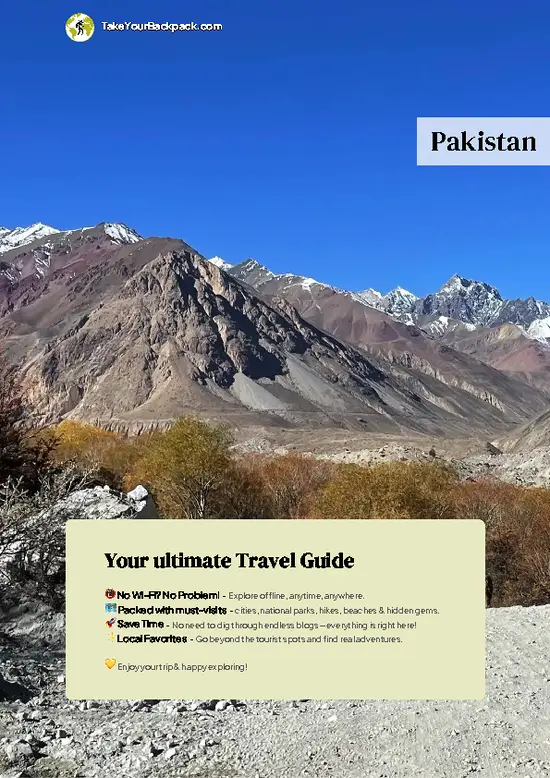
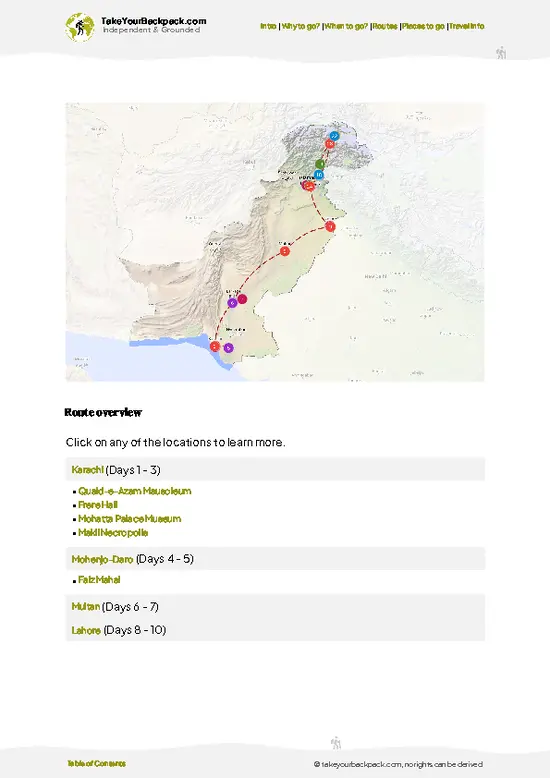
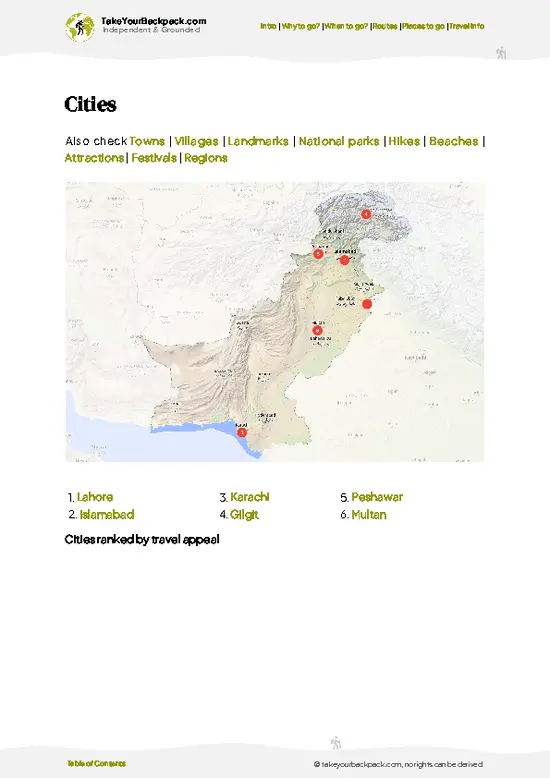
- Dhamaal Circles: The trance-like, drum-driven spinning dance performed communally near the shrine courtyard is the emotional core of the festival, open to anyone willing to join, not just performers.
- Qawwali Sessions: Devotional singing sessions run late into the night, with vocalists channeling centuries-old Sufi poetry through call-and-response rhythms that build in intensity.
- Langar (Free Community Kitchens): Massive volunteer-run food distribution points feed thousands daily, offering a genuine window into the festival's spirit of shared devotion rather than commerce.
- Shrine Courtyard at Night: After midnight, the crowd thins slightly and the atmosphere turns quieter and more meditative, lit by strings of bulbs and candle smoke. This is my personal favorite moment of the whole event.
- Pilgrim
- Dhamaal Circles: The trance-like, drum-driven spinning dance performed communally near the shrine courtyard is the emotional core of the festival, open to anyone willing to join, not just performers.
- Qawwali Sessions: Devotional singing sessions run late into the night, with vocalists channeling centuries-old Sufi poetry through call-and-response rhythms that build in intensity.
- Langar (Free Community Kitchens): Massive volunteer-run food distribution points feed thousands daily, offering a genuine window into the festival's spirit of shared devotion rather than commerce.
- Shrine Courtyard at Night: After midnight, the crowd thins slightly and the atmosphere turns quieter and more meditative, lit by strings of bulbs and candle smoke. This is my personal favorite moment of the whole event.
- Pilgrim Processions: Groups arrive from distant provinces carrying flags, chanting, and drumming their way toward the shrine, turning the surrounding streets into a moving display of regional Sufi traditions.
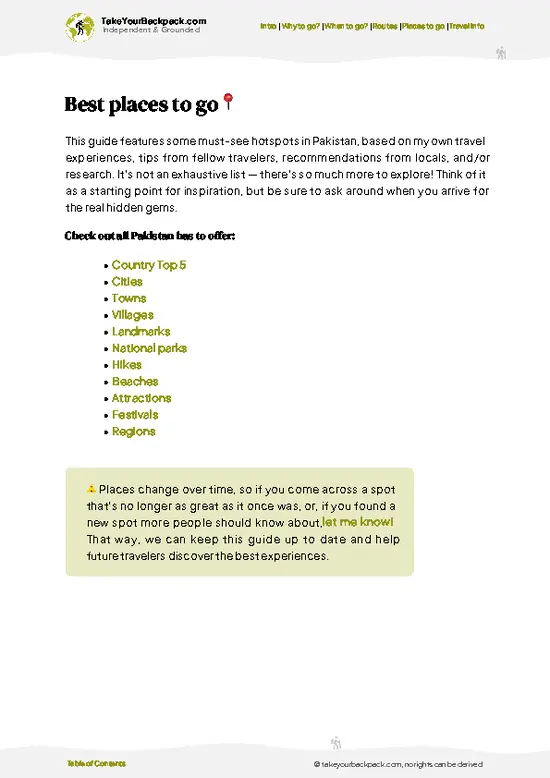
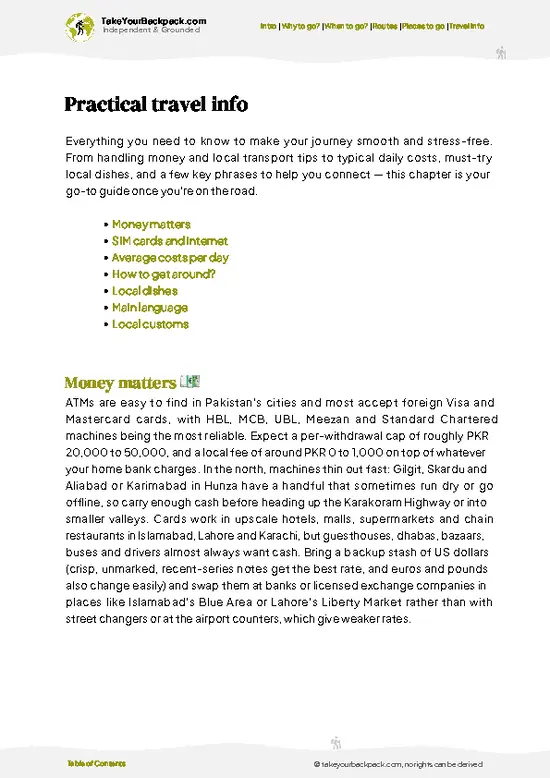
Spotted a mistake or missing something? Contact us.

Top Ten Wonders of Islamabad Guided City Tour

Best of Islamabad: One-Day Sightseeing Tour

Explore Shangri-La of James Hilton, Hunza & Skardu (Private Tour)

Private Khewra Salt Mine Day Tour From Lahore & Islamabad

Explore Hunza Valley Pakistan

Discover Peshawar Full Day Guided Tour from Islamabad

12-Day Hiking Tour World's Highest Mountain Ranges from Islamabad

11-Day Private Pakistan Adventure: Hunza, Skardu & Fairy Meadows

Hunza Valley Pakistan Family Tour

 Best Backpacking
.jpg) Hi, I’m Johan (Netherlands 🇳🇱), the creator of TakeYourBackpack. Over the past 3 decades, I’ve backpacked through 90+ countries across six continents, gaining extensive experience with independent travel, long-term trips, and overland routes.
Hi, I’m Johan (Netherlands 🇳🇱), the creator of TakeYourBackpack. Over the past 3 decades, I’ve backpacked through 90+ countries across six continents, gaining extensive experience with independent travel, long-term trips, and overland routes.