×

Pakistan🇵🇰 | festivalsUrs of Pir ManghoKarachi, crocodile pond, folk legends | things to do and best time to go

Explore Urs of Bari ImamExplore Urs of Shah Inayat

Backpacking in Urs of Pir Mangho
👌 Worth visitingfestival ranked #14
By Johan Kruseman 🇳🇱 | Updated September 4, 2026

Urs of Pir Mangho is not for travelers who need craft beer, spotless streets, and a neat little program in English. It’s chaotic, loud, and deeply devotional. But that’s exactly why backpackers gain from it: you see Karachi’s spiritual engine running at full tilt. Held at the Manghopir shrine on the northern edge of Karachi, this Sufi festival runs for several days with qawwali music, pilgrims camping out, and a rough, electric crowd. It’s sweaty, crowded, sometimes overwhelming, but it drills straight into the real Pakistan.

Discover everything you want to know in the 📖 Pakistan Travel Guide.


Get your Pakistan guide
98 ranked highlights, routes & tips, works offline (338 pages)
Loading the map 🌍
CLICK TO FILTER
cities
towns
villages
landmarks
national parks
hikes
beaches
attractions
festivals
regions
SHOW COUNTRY’S BESTSHOW ALL

✨ Why go?
Ranked #14 festival in Pakistan
What makes it a must-see festival

Backpackers flock to the Urs of Pir Mangho for a jolt of social energy and a taste of temporary community. This vibrant festival isn’t just a spectacle; it’s a deep dive into cultural immersion. You’ll find yourself surrounded by locals, sharing stories and laughter, all while soaking in the rich traditions of Sufi spirituality.

Plus, it’s a steal compared to similar events worldwide. The affordability allows you to splurge on local delicacies or handmade crafts without breaking the bank. Planning your route around this festival isn’t just smart; it’s a way to weave unforgettable experiences into your longer travel plans. Embrace the chaos, and let the festival fuel your journey!
Want to include Urs of Pir Mangho in your Pakistan route?
Create a personalized Pakistan itinerary that includes Urs of Pir Mangho and the places that fit your trip — based on your travel style, budget, and available time. Get your route in seconds.

Generate my trip

💡 HighlightsThe experiences that define the visit

  1. Late-night qawwali sessions: intimate, often improvised devotional singing that can stretch for hours — harmonium, tabla and voices weaving into a hypnotic build. The emotional intensity and call-and-response between singers and the crowd is what makes these sessions unforgettable; sit on the floor, close your eyes, and you’ll feel why people keep coming back. (Personal favorite.)
  2. Dhamaal and trance-dance: rhythmic, ecstatic dancing led by devotees and trained performers that turns the shrine courtyard into a living drumbeat. It’s raw, physical worship rather than performance — watching is absorbing, joining (if invited) is a cultural shortcut to understanding the spiritual heat of the place.
  3. Shrine rituals and chadar offerings: the slow, respectful rituals around laying floral cloths
read more 👉
  1. Late-night qawwali sessions: intimate, often improvised devotional singing that can stretch for hours — harmonium, tabla and voices weaving into a hypnotic build. The emotional intensity and call-and-response between singers and the crowd is what makes these sessions unforgettable; sit on the floor, close your eyes, and you’ll feel why people keep coming back. (Personal favorite.)
  2. Dhamaal and trance-dance: rhythmic, ecstatic dancing led by devotees and trained performers that turns the shrine courtyard into a living drumbeat. It’s raw, physical worship rather than performance — watching is absorbing, joining (if invited) is a cultural shortcut to understanding the spiritual heat of the place.
  3. Shrine rituals and chadar offerings: the slow, respectful rituals around laying floral cloths (chadars), lighting incense, and seeking blessings at Pir Mangho’s tomb. These acts blend personal devotion with communal tradition, and the layered smells, murmurs and ceremonial pacing give you a direct feel for local faith practices.
  4. Mela atmosphere and street food: a small fair springs up with cheap local eats, chai stalls, and regional handicrafts — perfect for budget travelers. Taste fried snacks and sweet treats, haggle for a shawl or trinket, and let the bustling market life show you everyday culture away from tourist gloss.
  5. Cross-community attendance and syncretic culture: Muslims, Hindus and people from different ethnic backgrounds converge respectfully, making the urs a live example of South Asian syncretism. The mixing of languages, dress, and ritual practices creates an atmosphere of shared heritage rather than strict sectarian lines — rare and quietly powerful.
Spotted a mistake or missing something? Contact us.

Things to do near Urs of Pir Mangho

Ratings based on Tripadvisor reviews. When you book through this link, you support our work at no extra cost to you.

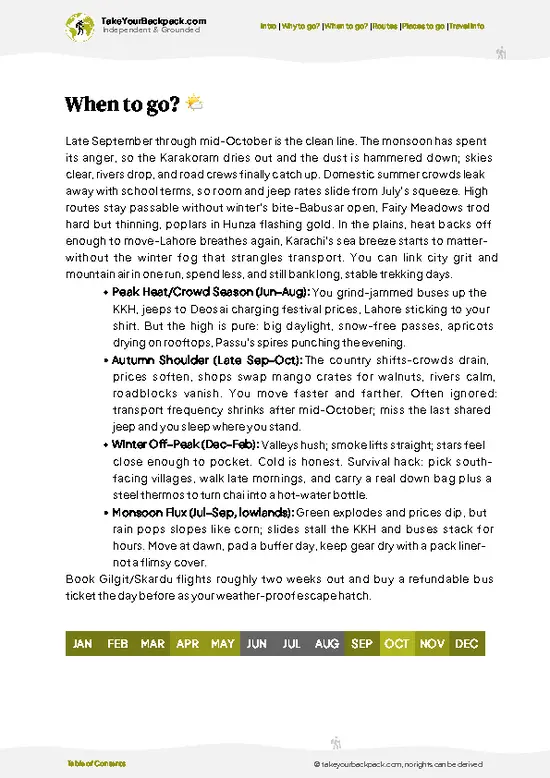
🌤️ When to go?When is the celebration of Urs of Pir Mangho?


  • Weather: The festival usually falls in the cooler months, around February or March. Expect mild days around 20-25°C (68-77°F), perfect for long hours on foot without overheating.

  • Temperature: Nights can dip to 10-15°C (50-59°F), so pack a light jacket. The cool mornings and evenings keep energy high for exploring the vibrant rituals.

  • Daylight Hours: Days stretch about 11-12 hours, giving you ample daylight to soak in the festival’s full rhythm without rushing.

  • Crowds: The event draws local devotees and curious travelers alike. Arriving early in the festival helps you avoid the peak crush and secures better lodging rates.

  • Seasonal Activities: This period aligns with spring’s onset, so the city buzzes with fresh energy beyond the festival—street vendors, music, and local markets come
read more 👉

  • Weather: The festival usually falls in the cooler months, around February or March. Expect mild days around 20-25°C (68-77°F), perfect for long hours on foot without overheating.

  • Temperature: Nights can dip to 10-15°C (50-59°F), so pack a light jacket. The cool mornings and evenings keep energy high for exploring the vibrant rituals.

  • Daylight Hours: Days stretch about 11-12 hours, giving you ample daylight to soak in the festival’s full rhythm without rushing.

  • Crowds: The event draws local devotees and curious travelers alike. Arriving early in the festival helps you avoid the peak crush and secures better lodging rates.

  • Seasonal Activities: This period aligns with spring’s onset, so the city buzzes with fresh energy beyond the festival—street vendors, music, and local markets come alive.

  • Price Fluctuations: Accommodation and transport prices spike during the festival’s peak days. Booking ahead or arriving just before the main events can save you a chunk of your budget.


Pro-tip: Time your visit for the festival’s opening days—cool weather, manageable crowds, and better prices let you dive deep without burning out.


source: climatestotravel.comJANJanuary: not recommended for travelingFEBFebruary: excellent for travelingMARMarch: not recommended for travelingAPRApril: not recommended for travelingMAYMay: not recommended for travelingJUNJune: not recommended for travelingJULJuly: not recommended for travelingAUGAugust: not recommended for travelingSEPSeptember: not recommended for travelingOCTOctober: not recommended for travelingNOVNovember: not recommended for travelingDECDecember: not recommended for traveling

✈️ The backpacker research shortcutPakistan Travel Guide

An offline-friendly backpacking guide with optimized travel routes, ranked highlights, transport advice, and the best areas to stay.
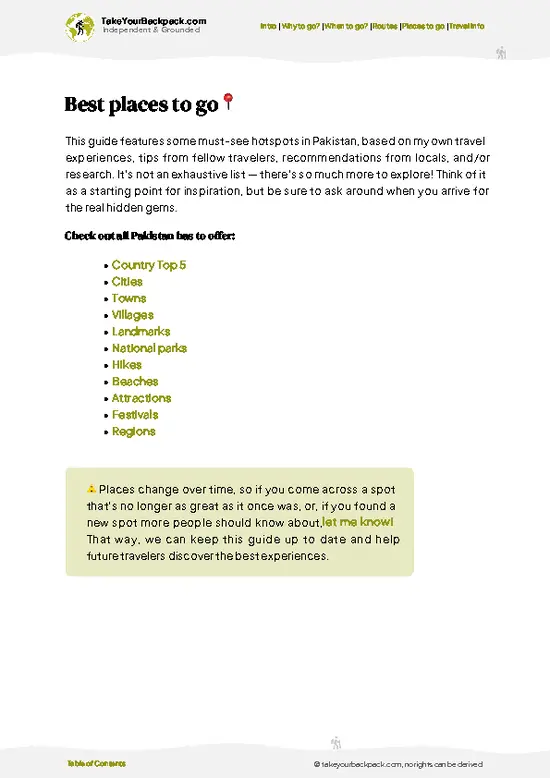
example page 0 from our offline Travel Guide for Pakistan
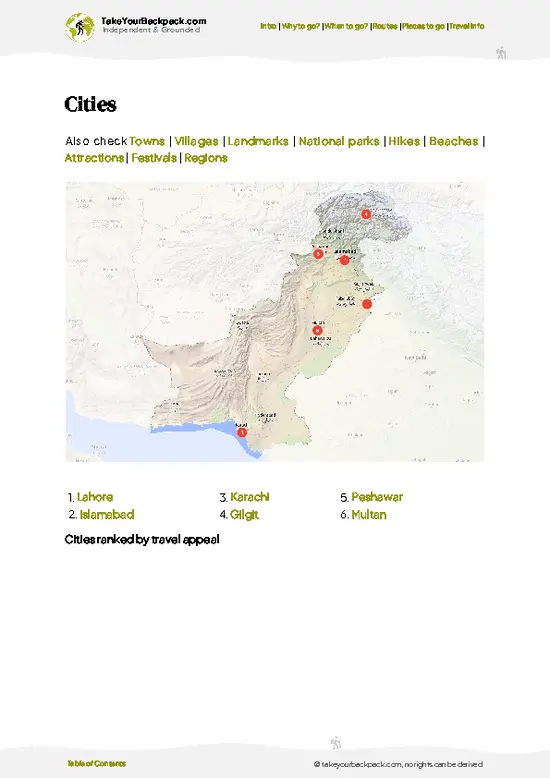
example page 1 from our offline Travel Guide for Pakistan
example page 2 from our offline Travel Guide for Pakistan
example page 3 from our offline Travel Guide for Pakistan
example page 4 from our offline Travel Guide for Pakistan
example page 5 from our offline Travel Guide for Pakistan
example page 6 from our offline Travel Guide for Pakistan
example page 7 from our offline Travel Guide for Pakistan
The digital guide (338 pages) contains:
98 highlights, ranked by travel appeal
Optimized 7, 14 & 21-day travel routes
Cities, national parks, landmarks, beaches
How to get around
Offline-friendly for travel without Wi-Fi
👉 Click to see all 30+ guide features

📅 Plan smarter in minutes, not weeks
Month by month travel advice
Festivals & national holidays
Budget expectations

🗺️ Go to the right places, skip the overrated ones
Honest pros & cons of destinations
Top hikes, parks & viewpoints
Lesser-known places most travelers miss
Clear “worth it vs skip it” guidance

🛏️ Travel smoothly without rookie mistakes
Best areas to stay
Transport systems explained simply
Common scams & safety advice
SIM cards, money & practical tips

🌍 Understand the country, not just visit it
Culture & traditions
52 Essential phrases & customs
Festivals worth planning around
Traveler-friendly historical context
Insights that make places more meaningful

📱 Built for real travel conditions
Fully downloadable PDF
Works completely offline
Optimized for phone use
Useful in remote areas & buses
Everything in one place
Save weeks of stressful planning
Get instant access to your full guide. 30‑day money-back guarantee.
+ Add another guide for just US$7.80

By proceeding you agree to our terms.
Sent to your inbox immediately after payment • 100% Secure Checkout
Best Backpacking Travel Advisor 2025 tourism awardBest Backpacking
Travel Advisor
2025
What others say about Take Your Backpack Guides:
⭐⭐⭐⭐⭐
Fantastic, amazing amount of information!
⭐⭐⭐⭐⭐
My goodness this is amazing, it's what I've been looking for hats off too you!
⭐⭐⭐⭐⭐
I think this is absolutely BRILLIANT
⭐⭐⭐⭐
Very complete and informative. It's still missing places, but I gotta to commend you
⭐⭐⭐⭐⭐
This is truly amazing, thank you, can't wait to explore it with my kids!
⭐⭐⭐⭐⭐
Awesome resource, thank you!
⭐⭐⭐⭐⭐
This is amazing! Can't wait to explore the ones I haven't seen
⭐⭐⭐⭐
I love this! Well done, great idea.
⭐⭐⭐⭐⭐
Thanks for taking the time to make this gem!
⭐⭐⭐⭐⭐
This might be the best website I've ever seen.
⭐⭐⭐⭐⭐
Congratulations, and thank you so much for your work; it's incredibly valuable.
⭐⭐⭐⭐
In all seriousness I think you did a great job pointing out the important spots
⭐⭐⭐⭐⭐
10/10 very good
⭐⭐⭐⭐⭐
As someone who's only just starting to visit regularly this is awesome, thank you.
⭐⭐⭐⭐
Thank you very much! I'm going to visit my dad, it's going to be very useful!
⭐⭐⭐⭐⭐
This is really cool! We'll be travelling for the first time and this definitely come in handy.
⭐⭐⭐⭐⭐
You are now our minister of culture, congratulations 👨‍💼
⭐⭐⭐⭐⭐
Just wanted to tell you that this is a pearl! Going to follow your recommendations.
⭐⭐⭐⭐⭐
This is so cool. I'll definitely be using the resource for my travels soon.
⭐⭐⭐⭐⭐
This is very impressive! Good work.
⭐⭐⭐⭐⭐
This is an amazing and informative site. Very well done!

🛏️ Where to stay?How to pick the right area

For the ‘Urs of Pir Mangho’, dive into the vibrant neighborhoods of Karachi. Start in Saddar, where the energy is palpable. You’ll find budget-friendly guesthouses buzzing with fellow travelers. It’s a hub for socializing, sharing stories, and making connections.

Next, consider Clifton. This area offers a mix of local charm and modern amenities. You’ll be close to the festival action while enjoying a laid-back vibe. Plus, it’s safer and well-patrolled, so you can focus on the experience, not your worries.

Finally, Karachi’s Old City has its own unique allure. Stay in a traditional guesthouse, … read more 👉
For the ‘Urs of Pir Mangho’, dive into the vibrant neighborhoods of Karachi. Start in Saddar, where the energy is palpable. You’ll find budget-friendly guesthouses buzzing with fellow travelers. It’s a hub for socializing, sharing stories, and making connections.

Next, consider Clifton. This area offers a mix of local charm and modern amenities. You’ll be close to the festival action while enjoying a laid-back vibe. Plus, it’s safer and well-patrolled, so you can focus on the experience, not your worries.

Finally, Karachi’s Old City has its own unique allure. Stay in a traditional guesthouse, soak in the rich history, and mingle with locals. Just keep an eye on your belongings; it’s bustling, but that’s part of the adventure. Embrace the chaos and let it fuel your journey!

👛 Costs (as of 4 September 2026)Typical daily expenses

The Urs of Pir Mangho is a vibrant festival that draws visitors for its spiritual significance and cultural richness. Here’s how to navigate the costs like a pro, ensuring you keep your energy and budget intact for the experiences that truly matter.
  • Festival Tickets: Entry to the Urs is generally free, but some special events or performances might have a nominal fee. Expect to pay around $5 to $10 for any exclusive access or guided experiences. Keep an eye out for local announcements to catch any last-minute changes.
  • Accommodation: Options range from budget guesthouses to mid-range hotels. You can find basic accommodations starting at $15 per night, while more comfortable stays can go up to $50. Booking in advance can save you some cash, especially during peak festival days.
  • Local
read more 👉
The Urs of Pir Mangho is a vibrant festival that draws visitors for its spiritual significance and cultural richness. Here’s how to navigate the costs like a pro, ensuring you keep your energy and budget intact for the experiences that truly matter.
  • Festival Tickets: Entry to the Urs is generally free, but some special events or performances might have a nominal fee. Expect to pay around $5 to $10 for any exclusive access or guided experiences. Keep an eye out for local announcements to catch any last-minute changes.
  • Accommodation: Options range from budget guesthouses to mid-range hotels. You can find basic accommodations starting at $15 per night, while more comfortable stays can go up to $50. Booking in advance can save you some cash, especially during peak festival days.
  • Local Transport: Getting around can be straightforward. Rickshaws and local buses are your best bets. Budget about $1 to $3 for short rides. If you’re venturing further, consider hiring a car for around $20 to $30 per day, which can be split if you’re traveling with friends.
  • Food & Drinks: Street food is a highlight, with delicious options available for as little as $1 to $3 per meal. If you prefer dining in restaurants, expect to spend around $5 to $10 for a decent meal. Don’t forget to hydrate; bottled water typically costs about $0.50.
  • Miscellaneous Expenses: This includes souvenirs, tips, and any spontaneous activities. Set aside around $20 to $30 for these extras. It’s wise to have a little buffer for unexpected costs, especially if you get swept up in the festival’s energy.

Stay sharp and plan ahead. The Urs of Pir Mangho is all about immersing yourself in the experience, so keep your budget in check to enjoy every moment.


source: tourism.gov.pk
⚠️ Prices can change and everyone travels differently, so take this as a rough guide. Hope it helps you plan your adventure!

🍲 FoodEating & Drinking in Urs of Pir Mangho

At the **Urs of Pir Mangho**, food is a vibrant part of the experience. You’ll find **sizzling kebabs** and **spicy biryani** wafting through the air, tempting you at every turn. Don’t miss the **samosas**—crispy, flaky, and stuffed with spiced potatoes. Grab a **lassi** to cool down; it’s a creamy yogurt drink that’s a festival staple.

Be ready to **share** your food. It’s common to swap bites with fellow festival-goers, creating a sense of community. Lines can get long, so patience is key; it’s part of the charm. Bring **cash**—many stalls don’t accept cards, and you’ll want to avoid the hassle of searching for an ATM. Serving sizes can be generous, so consider splitting dishes to sample more flavors without overdoing it. Dive in and savor the moment!

FAQCommon questions from travelers

Urs of Pir Mangho takes place annually in the Islamic month of Safar, typically lasting for about 3 days. The exact Gregorian dates vary each year based on the lunar calendar.
Attending Urs of Pir Mangho is free of charge. Visitors only need to budget for personal expenses such as travel, food, and accommodation.
No, you do not need tickets in advance to attend Urs of Pir Mangho. The event is open to the public and does not require prior registration or entry passes.
⚠️ Things can change over time, so always validate details locally before you go.

Other Pakistani festivals near Urs of Pir Mangho

Explore more nearby:


💡 Not sure where to go next?
Create a personalized itinerary for Pakistan including Urs of Pir Mangho and the places that fit your trip.

Generate my itinerary

👉 Discover all festivals

Or checkout all Pakistan has to offer (think cities, towns, villages, national parks, hikes, beaches, festivals)
Country photo of Pakistan

We 💚 feedbackSumming up the experience

The Urs of Pir Mangho pulses with life, drawing you into a whirlwind of devotion and vibrant culture. But brace yourself: the crowds can be overwhelming, especially during peak times. Embrace the chaos, though; it’s part of the experience. Just keep your energy and budget in check for those moments that truly resonate.

✈️ When did I visit Pakistan?
Even though the media portrays Pakistan often as a dangerous country, it has its great spots and loving a mountains, the mountain regions in the north are just heaven. Visited Pakistan in October 2022.

✍️ Help improve this page!
The information on this page is based on my own backpacking experience in Pakistan, supplemented with up-to-date research and feedback from other travelers. Travel details can change, so if you notice anything outdated or incomplete, feel free to let me know.


🙋‍♂️ Give feedback

👋 Meet the founderWho’s Behind Take Your Backpack?

Johan, backpacker and founder of TakeYourBackpackHi, I’m Johan (Netherlands 🇳🇱), the creator of TakeYourBackpack. Over the past decade, I’ve backpacked through 80+ countries across six continents, gaining extensive experience with independent travel, long-term trips, and overland routes.

This site is built on a combination of firsthand travel experience and carefully curated insights from other backpackers. Many guides are based on places I’ve personally visited, while others bring together tips, observations, and practical advice shared by trusted travelers I’ve met along the way.

The goal is to provide realistic, experience-driven guidance — not generic itineraries — so you can explore destinations with better context, clearer expectations, and more confidence.

Get full Pakistan guide •
Instant download • 98 highlights • Full Offline guide