×

Palau🇵🇼 | landmarksBlue Holes Dive Sitelimestone sinkholes, cathedral-like chambers, light shafts | things to do and best time to go

Explore Turtle Cove Dive SiteExplore Airai

Backpacking in Blue Holes Dive Site
🌟 Highlightunique site ranked #2
By Johan Kruseman 🇳🇱 | Updated July 30, 2026

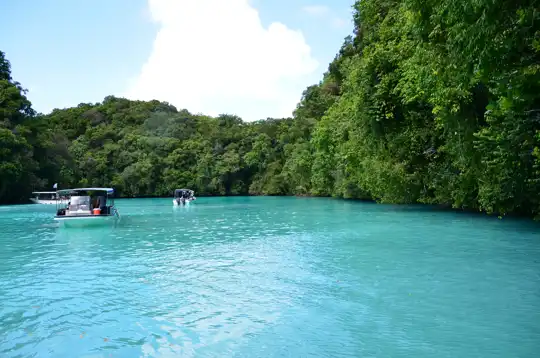
Everyone thinks Blue Holes is just “that one shot” of divers silhouetted in a perfect blue cathedral for Instagram. It’s not. It’s a legit overhead environment with currents, depth, and real risk if you treat it like a photo booth. Blue Holes sits on the outer reef of Ngemelis Island in Palau’s Rock Islands, usually dived en route to or combined with Blue Corner. For backpackers, this is a high-cost, high-reward stop: boat fees, permits, and dive prices add up fast, and you’re not swimming here on a shoestring. The wow-factor is real, though—dropping through those vertical shafts of light into a vast chamber feels like entering a submerged church. It’s busy but not chaotic; groups cycle through, and you still get quiet minutes. No big cultural backstory, just pure geology and ocean. Photos are incredible, but the mood underwater is what actually sticks.

Discover everything you want to know in the 📖 Palau Travel Guide.


Get your Palau guide
27 ranked highlights, routes & tips, works offline (119 pages)
Loading the map 🌍
CLICK TO FILTER
towns
villages
landmarks
national parks
hikes
beaches
attractions
festivals
regions
SHOW COUNTRY’S BESTSHOW ALL

✨ Why go?
Ranked #2 unique site in Palau
Why Blue Holes Dive Site should be on your travel list

The Blue Holes Dive Site in Palau isn’t just another pretty picture for your Instagram feed; it’s a real adventure that demands your attention. Sure, it’s popular, and yes, you’ll share the water with other divers, but the underwater experience is worth every moment of the crowd. Imagine descending into a world where light dances through the water, illuminating vibrant corals and schools of fish.

The effort-to-reward ratio here is off the charts. You don’t need to be a pro diver; even beginners can enjoy the thrill of exploring these unique underwater caves. Plus, the cost is surprisingly low compared to other dive sites worldwide. You can often find local operators offering packages that won’t break the bank.

What makes it even better? The Blue Holes fit seamlessly into a broader Palauan read more 👉
The Blue Holes Dive Site in Palau isn’t just another pretty picture for your Instagram feed; it’s a real adventure that demands your attention. Sure, it’s popular, and yes, you’ll share the water with other divers, but the underwater experience is worth every moment of the crowd. Imagine descending into a world where light dances through the water, illuminating vibrant corals and schools of fish.

The effort-to-reward ratio here is off the charts. You don’t need to be a pro diver; even beginners can enjoy the thrill of exploring these unique underwater caves. Plus, the cost is surprisingly low compared to other dive sites worldwide. You can often find local operators offering packages that won’t break the bank.

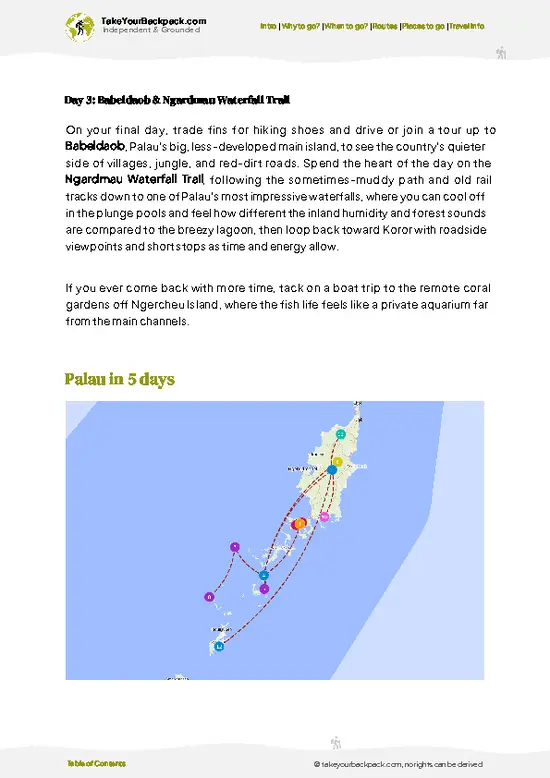
What makes it even better? The Blue Holes fit seamlessly into a broader Palauan route. Pair your dive with a visit to the Rock Islands or the famous Jellyfish Lake. This isn’t just a stop; it’s part of a bigger journey that showcases Palau’s natural beauty. So, gear up and dive in—this is one experience that truly delivers.
Want to include Blue Holes Dive Site in your Palau route?
Create a personalized Palau itinerary that includes Blue Holes Dive Site and the places that fit your trip — based on your travel style, budget, and available time. Get your route in seconds.

Generate my trip

💡 HighlightsMust-see experiences and standout moments

  • Stunning cavern and tunnel systems — flooded limestone chambers and short swim-throughs give the place an almost cathedral-like feel. You’ll thread narrow passages, peek into hidden rooms and surface in little light pockets — proper overhead scenery without becoming a full cave expedition.
  • Halocline and layered water lens — the mix of fresh and salt water often creates a visible halocline: shimmering, wavering layers that blur and bend light. It’s a weird, beautiful optical trick that makes the dive feel otherworldly and is great for dramatic photos.
  • Light shafts and photogenic openings — sunbeams punch through sinkhole gaps at certain times of day, lighting up suspended particles and corals below. If you time it right you get those postcard shots and a real sense of depth and scale.
read more 👉
  • Stunning cavern and tunnel systems — flooded limestone chambers and short swim-throughs give the place an almost cathedral-like feel. You’ll thread narrow passages, peek into hidden rooms and surface in little light pockets — proper overhead scenery without becoming a full cave expedition.
  • Halocline and layered water lens — the mix of fresh and salt water often creates a visible halocline: shimmering, wavering layers that blur and bend light. It’s a weird, beautiful optical trick that makes the dive feel otherworldly and is great for dramatic photos.
  • Light shafts and photogenic openings — sunbeams punch through sinkhole gaps at certain times of day, lighting up suspended particles and corals below. If you time it right you get those postcard shots and a real sense of depth and scale.
  • Thriving reef life and sudden pelagic visitors — inside and around the holes you’ll find dense schools of snappers, jacks and fusiliers, healthy soft corals and sponges, plus the occasional turtle or reef shark. It’s a compact hotspot where macro and big-picture sightings can both happen on the same dive.
  • Deep blue drop-offs and the “blue abyss” feeling — many holes open onto steep walls that fall away into dark blue water, giving a dramatic vertical sense that’s different from flat reef diving. Even from a safe depth the visual contrast is thrilling.
  • Ancient geology and formations — pockets of stalactites, fossilized limestone and cave textures tell a slow story of sea-level changes over millennia. Those formations make the site interesting to non-divers who like natural history as much as fish.
  • Local stories and a touch of cultural mystery — Palauan guides often share traditional beliefs and local lore tied to caves and sinkholes, and some holes have produced archaeological finds nearby. The cultural layer adds quiet respect to what would otherwise be just another scenic dive.
Spotted a mistake or missing something? Contact us.

Things to do near Blue Holes Dive Site

Ratings based on Tripadvisor reviews. When you book through this link, you support our work at no extra cost to you.

🌤️ When to go?Seasonal considerations and timing


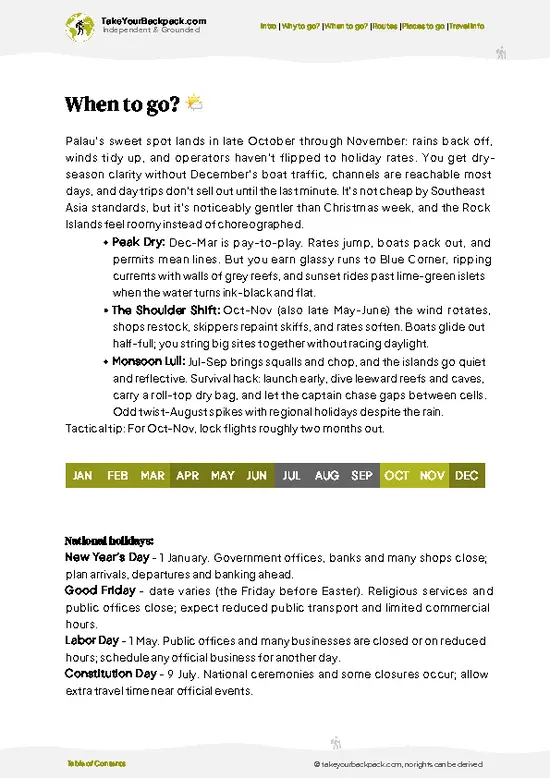
  • Weather: The dry season from November to April is your best bet. Expect calm seas and clear skies, perfect for diving. The wet season (May to October) brings heavy rains and rough waters, which can shut down dive operations.

  • Temperature: Water temps hover around 27-29°C (80-84°F) year-round, so no worries there. Air temps range from 24-31°C (75-88°F), but the dry season feels more comfortable without the oppressive humidity.

  • Daylight Hours: Palau sits near the equator, so daylight is steady—about 12 hours year-round. Early morning dives are common to avoid crowds and catch the best light underwater.

  • Crowds: The dry season attracts most divers, especially December through March. Expect more boats and higher prices. The wet season is quieter but riskier for diving conditions.

  • Seasonal
read more 👉

  • Weather: The dry season from November to April is your best bet. Expect calm seas and clear skies, perfect for diving. The wet season (May to October) brings heavy rains and rough waters, which can shut down dive operations.

  • Temperature: Water temps hover around 27-29°C (80-84°F) year-round, so no worries there. Air temps range from 24-31°C (75-88°F), but the dry season feels more comfortable without the oppressive humidity.

  • Daylight Hours: Palau sits near the equator, so daylight is steady—about 12 hours year-round. Early morning dives are common to avoid crowds and catch the best light underwater.

  • Crowds: The dry season attracts most divers, especially December through March. Expect more boats and higher prices. The wet season is quieter but riskier for diving conditions.

  • Seasonal Activities: Dry season offers better visibility and access to all dive spots, including the famous Blue Holes. Wet season limits options and can close some sites due to safety concerns.

  • Price Fluctuations: Dive tours and accommodations spike in the dry season, especially around holidays. Off-season offers deals but comes with the gamble of weather disruptions.


Pro-tip: Aim for shoulder months like November or April—good weather, fewer crowds, and better prices.


source: climatestotravel.comJANJanuary: excellent for travelingFEBFebruary: excellent for travelingMARMarch: excellent for travelingAPRApril: highly recommended for travelingMAYMay: fair for travelingJUNJune: fair for travelingJULJuly: fair for travelingAUGAugust: fair for travelingSEPSeptember: fair for travelingOCTOctober: fair for travelingNOVNovember: highly recommended for travelingDECDecember: excellent for traveling
palau-unique-site-blue-holes-dive-site
© Google |

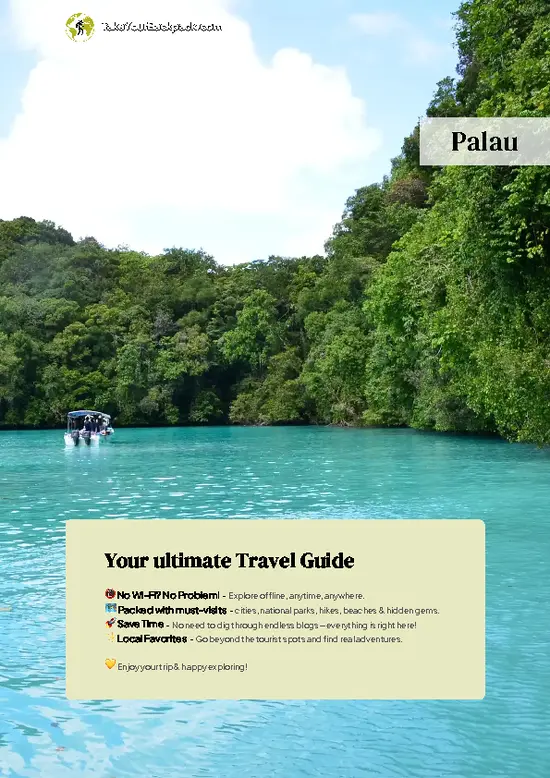
✈️ The backpacker research shortcutPalau Travel Guide

An offline-friendly backpacking guide with optimized travel routes, ranked highlights, transport advice, and the best areas to stay.
example page 0 from our offline Travel Guide for Palau
example page 1 from our offline Travel Guide for Palau
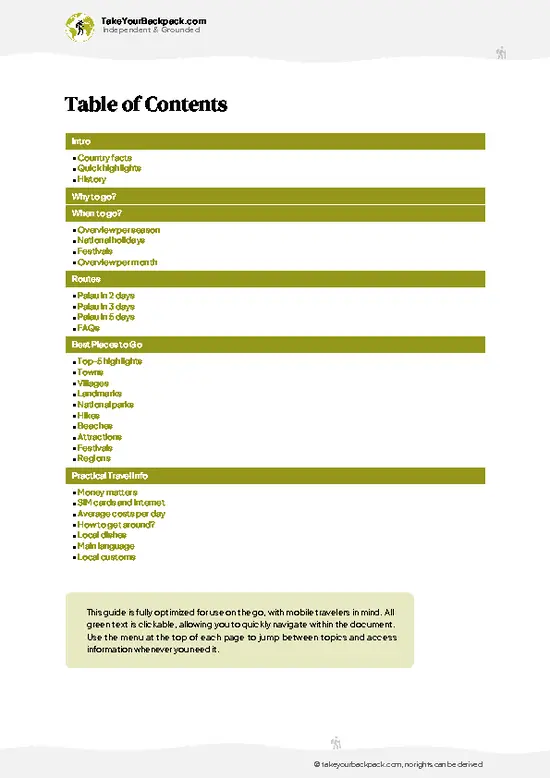
example page 2 from our offline Travel Guide for Palau
example page 3 from our offline Travel Guide for Palau
example page 4 from our offline Travel Guide for Palau
example page 5 from our offline Travel Guide for Palau
example page 6 from our offline Travel Guide for Palau
example page 7 from our offline Travel Guide for Palau
The digital guide (119 pages) contains:
27 highlights, ranked by travel appeal
Optimized 2, 3 & 5-day travel routes
Cities, national parks, landmarks, beaches
How to get around
Offline-friendly for travel without Wi-Fi
👉 Click to see all 30+ guide features

📅 Plan smarter in minutes, not weeks
Month by month travel advice
Festivals & national holidays
Budget expectations

🗺️ Go to the right places, skip the overrated ones
Honest pros & cons of destinations
Top hikes, parks & viewpoints
Lesser-known places most travelers miss
Clear “worth it vs skip it” guidance

🛏️ Travel smoothly without rookie mistakes
Best areas to stay
Transport systems explained simply
Common scams & safety advice
SIM cards, money & practical tips

🌍 Understand the country, not just visit it
Culture & traditions
52 Essential phrases & customs
Festivals worth planning around
Traveler-friendly historical context
Insights that make places more meaningful

📱 Built for real travel conditions
Fully downloadable PDF
Works completely offline
Optimized for phone use
Useful in remote areas & buses
Everything in one place
Save weeks of stressful planning
Get instant access to your full guide. 30‑day money-back guarantee.


By proceeding you agree to our terms.
Sent to your inbox immediately after payment • 100% Secure Checkout
Best Backpacking Travel Advisor 2025 tourism awardBest Backpacking
Travel Advisor
2025
What others say about Take Your Backpack Guides:
⭐⭐⭐⭐⭐
Fantastic, amazing amount of information!
⭐⭐⭐⭐⭐
My goodness this is amazing, it's what I've been looking for hats off too you!
⭐⭐⭐⭐⭐
I think this is absolutely BRILLIANT
⭐⭐⭐⭐
Very complete and informative. It's still missing places, but I gotta to commend you
⭐⭐⭐⭐⭐
This is truly amazing, thank you, can't wait to explore it with my kids!
⭐⭐⭐⭐⭐
Awesome resource, thank you!
⭐⭐⭐⭐⭐
This is amazing! Can't wait to explore the ones I haven't seen
⭐⭐⭐⭐
I love this! Well done, great idea.
⭐⭐⭐⭐⭐
Thanks for taking the time to make this gem!
⭐⭐⭐⭐⭐
This might be the best website I've ever seen.
⭐⭐⭐⭐⭐
Congratulations, and thank you so much for your work; it's incredibly valuable.
⭐⭐⭐⭐
In all seriousness I think you did a great job pointing out the important spots
⭐⭐⭐⭐⭐
10/10 very good
⭐⭐⭐⭐⭐
As someone who's only just starting to visit regularly this is awesome, thank you.
⭐⭐⭐⭐
Thank you very much! I'm going to visit my dad, it's going to be very useful!
⭐⭐⭐⭐⭐
This is really cool! We'll be travelling for the first time and this definitely come in handy.
⭐⭐⭐⭐⭐
You are now our minister of culture, congratulations 👨‍💼
⭐⭐⭐⭐⭐
Just wanted to tell you that this is a pearl! Going to follow your recommendations.
⭐⭐⭐⭐⭐
This is so cool. I'll definitely be using the resource for my travels soon.
⭐⭐⭐⭐⭐
This is very impressive! Good work.
⭐⭐⭐⭐⭐
This is an amazing and informative site. Very well done!

🛏️ Where to stay?Choosing the right base

Staying near the Blue Holes Dive Site in Palau is all about finding that sweet spot where safety meets social vibes. You want to be close enough to the action without getting sucked into the tourist trap chaos.

Start with Koror. It’s the main hub for backpackers and divers alike. You’ll find a mix of budget-friendly accommodations here, plus a lively atmosphere. The local eateries serve up fresh seafood that won’t break the bank. Grab a meal, chat with fellow travelers, and swap dive stories.

Then there’s the area around Malakal Island. It’s quieter but still close to the dive sites. You can … read more 👉
Staying near the Blue Holes Dive Site in Palau is all about finding that sweet spot where safety meets social vibes. You want to be close enough to the action without getting sucked into the tourist trap chaos.

Start with Koror. It’s the main hub for backpackers and divers alike. You’ll find a mix of budget-friendly accommodations here, plus a lively atmosphere. The local eateries serve up fresh seafood that won’t break the bank. Grab a meal, chat with fellow travelers, and swap dive stories.

Then there’s the area around Malakal Island. It’s quieter but still close to the dive sites. You can find hostels that cater to solo adventurers. The laid-back vibe here is perfect for unwinding after a day in the water. Plus, you might stumble upon some local hangouts where you can connect with residents and learn about the culture.

Don’t overlook the charm of staying in guesthouses run by locals. They often provide a more authentic experience and insider tips on the best dive spots. Just remember, the real magic of Palau isn’t just in the diving; it’s in the connections you make along the way.

👛 Costs (as of 30 July 2026)How expensive it really is

Visiting the Blue Holes Dive Site in Palau is a breathtaking experience, but it comes with its own set of costs that you should know about.
  • Diving Fees: Expect to pay between $100 and $200 per dive. This usually includes gear rental and a guide. Some operators might charge extra for specific sites or advanced dives.
  • Boat Rentals: If you want to explore on your own, boat rentals range from $200 to $400 for a half-day. This can be split among a group, making it more manageable.
  • Accommodation: Prices vary widely. Budget options start around $30 per night, while mid-range hotels can go up to $150. Luxury resorts can easily exceed $300. Factor in your comfort level.
  • Food: Meals can cost anywhere from $5 for local street food to $30 at nicer restaurants. Budget for about $15 per day if you stick to
read more 👉
Visiting the Blue Holes Dive Site in Palau is a breathtaking experience, but it comes with its own set of costs that you should know about.
  • Diving Fees: Expect to pay between $100 and $200 per dive. This usually includes gear rental and a guide. Some operators might charge extra for specific sites or advanced dives.
  • Boat Rentals: If you want to explore on your own, boat rentals range from $200 to $400 for a half-day. This can be split among a group, making it more manageable.
  • Accommodation: Prices vary widely. Budget options start around $30 per night, while mid-range hotels can go up to $150. Luxury resorts can easily exceed $300. Factor in your comfort level.
  • Food: Meals can cost anywhere from $5 for local street food to $30 at nicer restaurants. Budget for about $15 per day if you stick to casual dining.
  • Transportation: Local taxis are available, but they can be pricey. Expect to pay around $20 for a short ride. Renting a scooter is a more economical option, usually around $20 per day.

Be prepared for the reality of costs, but know that the experience of diving in these stunning blue holes is worth every penny.


source: visit-palau.com
⚠️ Prices can change and everyone travels differently, so take this as a rough guide. Hope it helps you plan your adventure!

Other Palauan landmarks near Blue Holes Dive Site

Explore more nearby:

  • Turtle Cove Dive Site—vertical reef wall, sea turtles, swim-through cavern| 7 km away
  • Jellyfish Lake—brackish lagoon, golden jellyfish, snorkeling experience| 17 km away
  • Ulong Channel—drift dive, coral gardens, seasonal shark sightings| 17 km away

💡 Not sure where to go next?
Create a personalized itinerary for Palau including Blue Holes Dive Site and the places that fit your trip.

Generate my itinerary

👉 Discover all landmarks

Or checkout all Palau has to offer (think cities, towns, villages, national parks, hikes, beaches, festivals)
Country photo of Palau

We 💚 feedbackParting advice and final tips

The Blue Holes in Palau? It’s a mixed bag. Expect crowds and a hefty price tag for diving, but here’s the kicker: the real magic lies in the underwater life. Schools of fish swirl like confetti, and the visibility is mind-blowing. Just be ready for the current; it can be a beast. The best surprise? The eerie silence when you dive deep—it’s like stepping into another world. Don’t rush it; soak in the moment. You’ll leave with stories that Instagram can’t capture.

✍️ Help improve this page!
The information on this page is based on in-depth research, insights shared by experienced travelers, and feedback from the local travel community in Palau. While every effort is made to keep the information accurate and current, conditions can change — so if you spot anything incorrect or outdated, please get in touch.


🙋‍♂️ Give feedback

👋 Meet the founderWho’s Behind Take Your Backpack?

Johan, backpacker and founder of TakeYourBackpackHi, I’m Johan (Netherlands 🇳🇱), the creator of TakeYourBackpack. Over the past decade, I’ve backpacked through 80+ countries across six continents, gaining extensive experience with independent travel, long-term trips, and overland routes.

This site is built on a combination of firsthand travel experience and carefully curated insights from other backpackers. Many guides are based on places I’ve personally visited, while others bring together tips, observations, and practical advice shared by trusted travelers I’ve met along the way.

The goal is to provide realistic, experience-driven guidance — not generic itineraries — so you can explore destinations with better context, clearer expectations, and more confidence.

Get full Palau guide •
Instant download • 27 highlights • Full Offline guide