

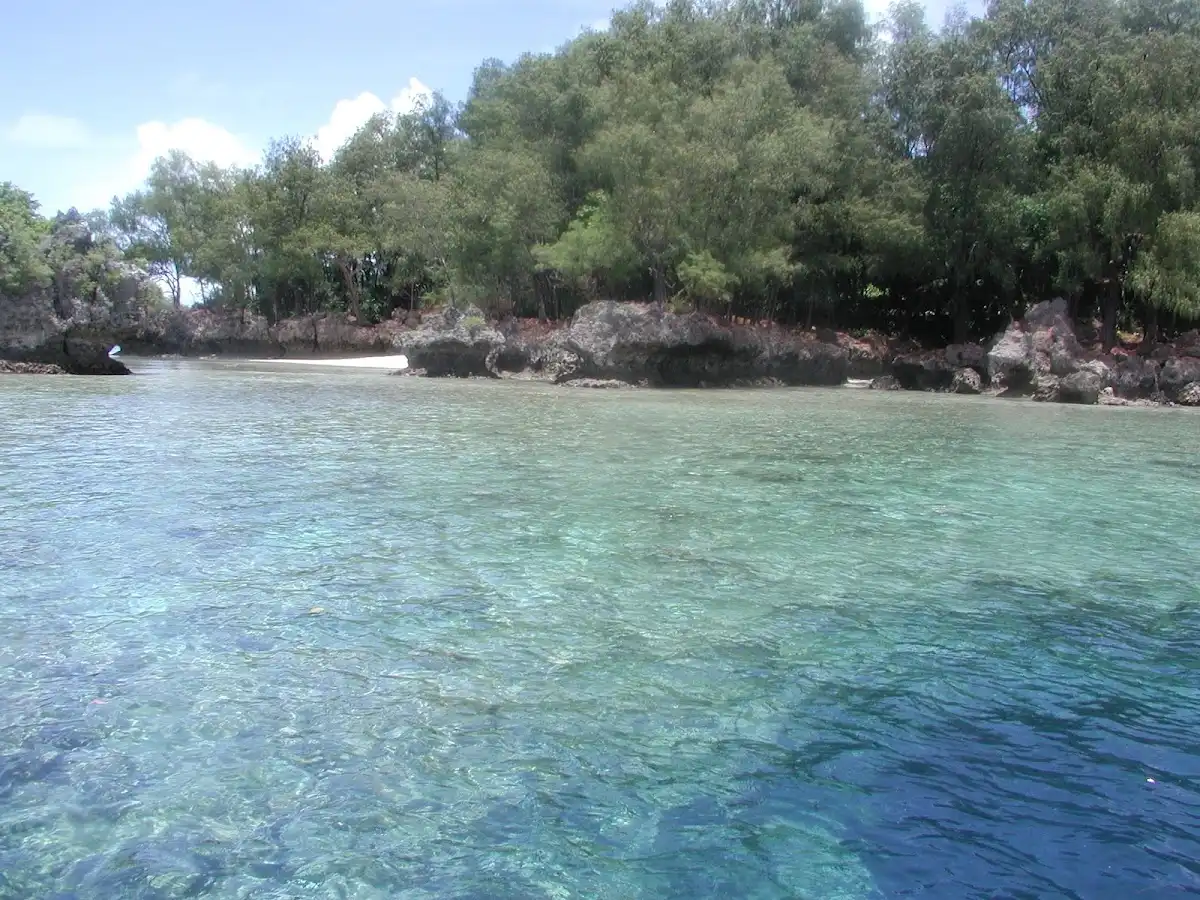
- The Turtle Cove drift along the wall: This is the headline dive, a wall dive on the outer reef where the current carries you along while green and hawksbill turtles cruise past or sleep wedged into ledges. Turtles are the reason the site has its name, and sightings are common. Many dives here are done as a gentle drift, so you spend more time watching than kicking.
- Reef wall and coral shelf: The drop-off is lined with hard and soft corals, sea fans and sponges, with overhangs that hide whitetip reef sharks resting in the afternoon. Look into the crevices with a torch, even in daylight, because the colors come back at close range.
- Schooling reef fish: Clouds of anthias hover over the coral heads, and fusiliers sweep through in tight, fast groups. Napoleon wrasse and big groupers sometimes appear
- The Turtle Cove drift along the wall: This is the headline dive, a wall dive on the outer reef where the current carries you along while green and hawksbill turtles cruise past or sleep wedged into ledges. Turtles are the reason the site has its name, and sightings are common. Many dives here are done as a gentle drift, so you spend more time watching than kicking.
- Reef wall and coral shelf: The drop-off is lined with hard and soft corals, sea fans and sponges, with overhangs that hide whitetip reef sharks resting in the afternoon. Look into the crevices with a torch, even in daylight, because the colors come back at close range.
- Schooling reef fish: Clouds of anthias hover over the coral heads, and fusiliers sweep through in tight, fast groups. Napoleon wrasse and big groupers sometimes appear near the edge of the shelf. Hold still at the top of the wall and let the fish come to you.
- Drift current ride: When the tide is running, the dive turns into a flying experience with very little effort. It suits newer divers with good buoyancy, and experienced divers will enjoy hooking in for a few minutes where fish gather. Brief your guide on your comfort level before you drop in.
- Safety stop over the shallow reef: The top of the reef is a good place to finish. Sunlight reaches the coral flats, and small things show up there: clownfish in anemones, nudibranchs, juvenile damselfish and the odd turtle surfacing for air. Keep a camera ready for this part.
- Night or late-afternoon light: Dives later in the day give the water a softer, golden look and the turtles tend to settle, which makes photos easier. Ask your operator in Koror about the best slot for the tide.
Spotted a mistake or missing something? Contact us.


 Best Backpacking
 Hi, I’m Johan (Netherlands 🇳🇱), the creator of TakeYourBackpack. Over the past 3 decades, I’ve backpacked through 90+ countries across six continents, gaining extensive experience with independent travel, long-term trips, and overland routes.