How many to visit: I advise
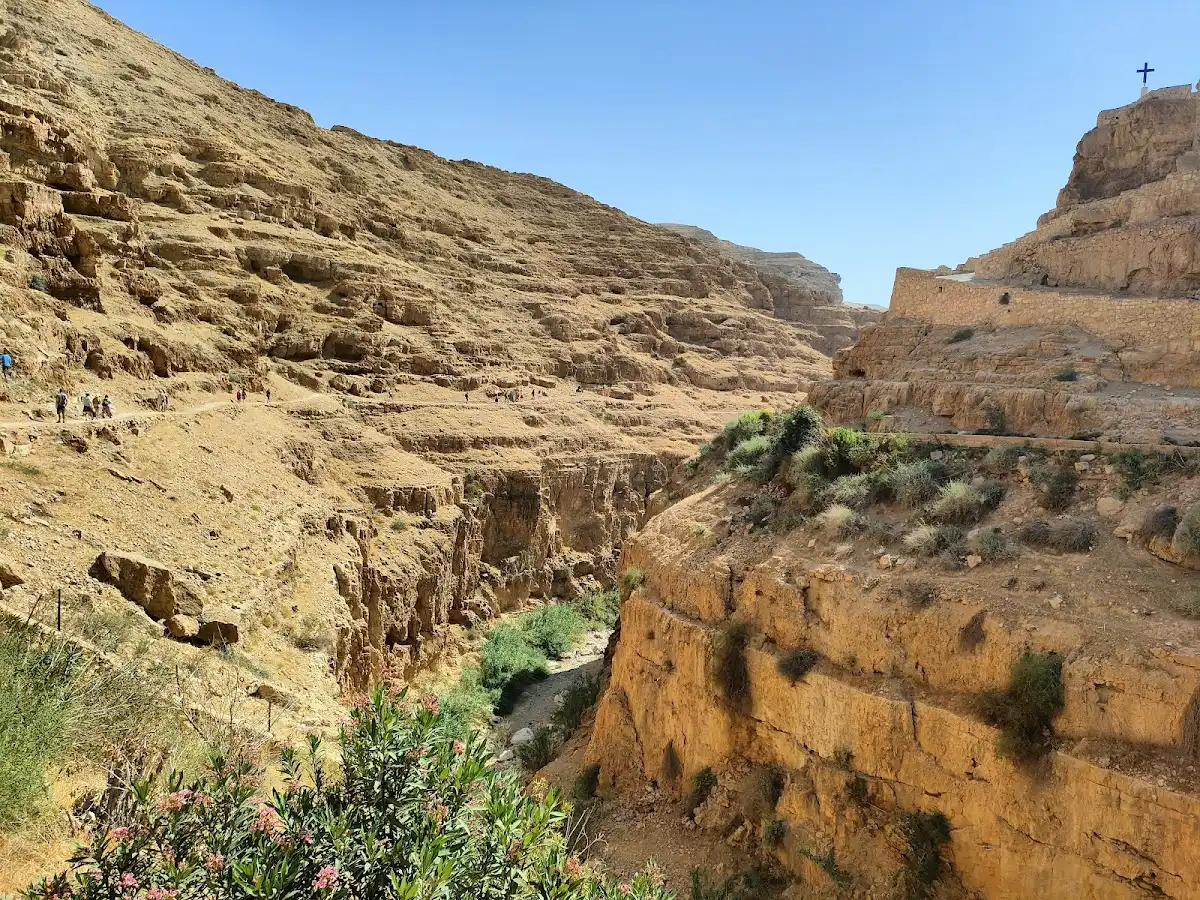
two to four parks or reserves in total. Access is slow, trails are hard to find alone, and the reward comes from talking with the guides and farmers who live beside them. More than four turns the trip into checkpoint management. Two good walks, done properly, give you terraced hillsides, spring water and a lunch of bread, olive oil and za’atar in a village kitchen.
Which kind to prioritize: Hikers and culture-focused travelers should favor the
Palestinian-managed nature reserves. Paths are rough, and you get silence, wild herbs and an unfiltered local perspective. Travelers short on time or without a guide are better off with the
fee-based archaeological parks. They have marked paths, toilets and clear opening hours, and you get the ruins and the long view over the …
read more 👉 How many to visit: I advise two to four parks or reserves in total. Access is slow, trails are hard to find alone, and the reward comes from talking with the guides and farmers who live beside them. More than four turns the trip into checkpoint management. Two good walks, done properly, give you terraced hillsides, spring water and a lunch of bread, olive oil and za’atar in a village kitchen.Which kind to prioritize: Hikers and culture-focused travelers should favor the Palestinian-managed nature reserves. Paths are rough, and you get silence, wild herbs and an unfiltered local perspective. Travelers short on time or without a guide are better off with the fee-based archaeological parks. They have marked paths, toilets and clear opening hours, and you get the ruins and the long view over the desert edge. Nothing in Gaza is accessible.What it costs: Budget about NIS 150 to 250 (US$40 to 70) a day including a guesthouse bed, local meals, and shared vans. Entry to Israeli-run parks is roughly NIS 25 to 40 (US$7 to 11), while Palestinian reserves are usually free. A local guide runs NIS 100 to 250 (US$27 to 68) for a half-day hike, and a driver to remote trailheads NIS 150 to 300 (US$40 to 80) per trip. Paying a guide also means your money stays in the village, and the hike comes with stories.Safety and culture: Check current conditions daily. Closures, military zones and checkpoint delays shift quickly, so carry your passport at all times. Local guides know which tracks are open and which to avoid, and they spare you from straying onto private farmland or into restricted areas. Dress modestly, with covered shoulders and knees, particularly near villages. Ask before photographing people, military posts and checkpoints. Carry 3 liters of water, since springs are not reliably safe to drink. Share your plan with your host, and you will get warm welcomes, tea on a doorstep and better directions than any map.


 Best Backpacking
 Hi, I’m Johan (Netherlands 🇳🇱), the creator of TakeYourBackpack. Over the past 3 decades, I’ve backpacked through 90+ countries across six continents, gaining extensive experience with independent travel, long-term trips, and overland routes.