v2.webp)
The Mausoleum’s Stark Modernism
Forget the marble-draped clichés of “eternal rest.” Arafat’s Mausoleum is a slab of white stone and glass, all sharp lines and deliberate austerity. It’s not trying to seduce you with beauty. It’s a statement—part memorial, part political architecture. The design is intentional: clean, almost severe, with a gravity that hits you the moment you step onto the plaza. This is not a place for Instagram filters; it’s for those who want to feel the weight of history, not just photograph it.
The Changing of the Guard
Every hour, soldiers in crisp uniforms perform a ritual that’s more than just ceremony. It’s a reminder that Arafat’s legacy is still fiercely protected, literally and symbolically. The choreography is tight, the faces unsmiling. You’re not watching a … read more 👉
Forget the marble-draped clichés of “eternal rest.” Arafat’s Mausoleum is a slab of white stone and glass, all sharp lines and deliberate austerity. It’s not trying to seduce you with beauty. It’s a statement—part memorial, part political architecture. The design is intentional: clean, almost severe, with a gravity that hits you the moment you step onto the plaza. This is not a place for Instagram filters; it’s for those who want to feel the weight of history, not just photograph it.
The Changing of the Guard
Every hour, soldiers in crisp uniforms perform a ritual that’s more than just ceremony. It’s a reminder that Arafat’s legacy is still fiercely protected, literally and symbolically. The choreography is tight, the faces unsmiling. You’re not watching a … read more 👉
The Mausoleum’s Stark Modernism
Forget the marble-draped clichés of “eternal rest.” Arafat’s Mausoleum is a slab of white stone and glass, all sharp lines and deliberate austerity. It’s not trying to seduce you with beauty. It’s a statement—part memorial, part political architecture. The design is intentional: clean, almost severe, with a gravity that hits you the moment you step onto the plaza. This is not a place for Instagram filters; it’s for those who want to feel the weight of history, not just photograph it.
The Changing of the Guard
Every hour, soldiers in crisp uniforms perform a ritual that’s more than just ceremony. It’s a reminder that Arafat’s legacy is still fiercely protected, literally and symbolically. The choreography is tight, the faces unsmiling. You’re not watching a tourist show—you’re witnessing a living, breathing assertion of Palestinian identity. It’s one of the few places in the West Bank where the pageantry feels earned, not staged.
The Adjacent Muqata’a Compound
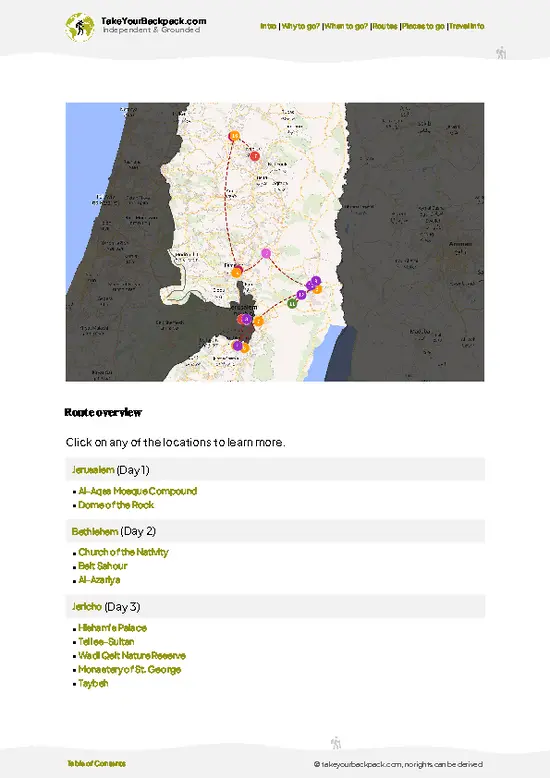
You’re not just visiting a tomb. The mausoleum sits inside the Muqata’a, the Palestinian Authority’s nerve center and Arafat’s final headquarters. The compound itself is a living artifact, scarred by sieges and negotiations. You can feel the tension in the air, especially if you’ve read even a sliver of recent history. This is where decisions were made that shaped the region—sometimes at gunpoint, sometimes at a desk.
The Personal Artifacts Room
My personal favorite. Tucked beside the main mausoleum, this small exhibit houses Arafat’s trademark keffiyeh, battered glasses, and the desk where he spent his final days. It’s intimate, almost jarringly so after the mausoleum’s grand scale. You see the man, not the myth. The scuffed shoes, the handwritten notes—these are the details that cut through the politics and make you realize you’re standing in the shadow of a real, complicated human being.
Forget the marble-draped clichés of “eternal rest.” Arafat’s Mausoleum is a slab of white stone and glass, all sharp lines and deliberate austerity. It’s not trying to seduce you with beauty. It’s a statement—part memorial, part political architecture. The design is intentional: clean, almost severe, with a gravity that hits you the moment you step onto the plaza. This is not a place for Instagram filters; it’s for those who want to feel the weight of history, not just photograph it.
The Changing of the Guard
Every hour, soldiers in crisp uniforms perform a ritual that’s more than just ceremony. It’s a reminder that Arafat’s legacy is still fiercely protected, literally and symbolically. The choreography is tight, the faces unsmiling. You’re not watching a tourist show—you’re witnessing a living, breathing assertion of Palestinian identity. It’s one of the few places in the West Bank where the pageantry feels earned, not staged.
The Adjacent Muqata’a Compound
You’re not just visiting a tomb. The mausoleum sits inside the Muqata’a, the Palestinian Authority’s nerve center and Arafat’s final headquarters. The compound itself is a living artifact, scarred by sieges and negotiations. You can feel the tension in the air, especially if you’ve read even a sliver of recent history. This is where decisions were made that shaped the region—sometimes at gunpoint, sometimes at a desk.
The Personal Artifacts Room
My personal favorite. Tucked beside the main mausoleum, this small exhibit houses Arafat’s trademark keffiyeh, battered glasses, and the desk where he spent his final days. It’s intimate, almost jarringly so after the mausoleum’s grand scale. You see the man, not the myth. The scuffed shoes, the handwritten notes—these are the details that cut through the politics and make you realize you’re standing in the shadow of a real, complicated human being.
Spotted a mistake or missing something? Contact us.

 Best Backpacking
.jpg) Hi, I’m Johan (Netherlands 🇳🇱), the creator of TakeYourBackpack. Over the past 3 decades, I’ve backpacked through 90+ countries across six continents, gaining extensive experience with independent travel, long-term trips, and overland routes.
Hi, I’m Johan (Netherlands 🇳🇱), the creator of TakeYourBackpack. Over the past 3 decades, I’ve backpacked through 90+ countries across six continents, gaining extensive experience with independent travel, long-term trips, and overland routes.