v2.webp)
The Tree of Life Mosaic
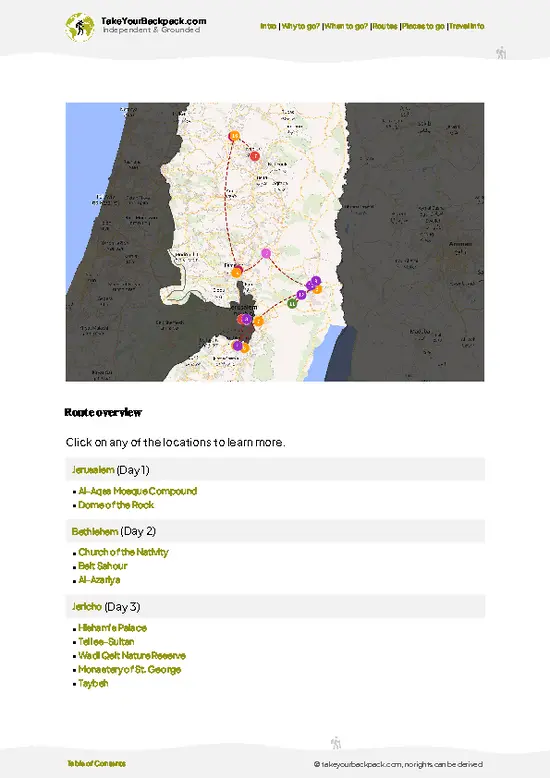
Let’s cut through the Instagram filters: you’re here for the mosaic. The Tree of Life at Qasr Hisham isn’t just a pretty floor—it’s a 1,200-year-old, jaw-dropping, stone-by-stone epic. The detail is wild: a lion mauling a gazelle, birds perched in impossible symmetry, all in colors that haven’t faded into oblivion. This isn’t a background for a selfie; it’s a masterclass in Umayyad art, and it’s survived earthquakes, invasions, and the world’s worst souvenir hunters. If you see one mosaic in the Middle East, make it this one. (Personal favorite—nothing else at Qasr Hisham comes close for sheer wow factor.)
The Bath Complex
Forget the ruins you’ve seen in textbooks. The bathhouse here is a time capsule of Umayyad luxury, with underfloor heating (yes, central heating … read more 👉
Let’s cut through the Instagram filters: you’re here for the mosaic. The Tree of Life at Qasr Hisham isn’t just a pretty floor—it’s a 1,200-year-old, jaw-dropping, stone-by-stone epic. The detail is wild: a lion mauling a gazelle, birds perched in impossible symmetry, all in colors that haven’t faded into oblivion. This isn’t a background for a selfie; it’s a masterclass in Umayyad art, and it’s survived earthquakes, invasions, and the world’s worst souvenir hunters. If you see one mosaic in the Middle East, make it this one. (Personal favorite—nothing else at Qasr Hisham comes close for sheer wow factor.)
The Bath Complex
Forget the ruins you’ve seen in textbooks. The bathhouse here is a time capsule of Umayyad luxury, with underfloor heating (yes, central heating … read more 👉
The Tree of Life Mosaic
Let’s cut through the Instagram filters: you’re here for the mosaic. The Tree of Life at Qasr Hisham isn’t just a pretty floor—it’s a 1,200-year-old, jaw-dropping, stone-by-stone epic. The detail is wild: a lion mauling a gazelle, birds perched in impossible symmetry, all in colors that haven’t faded into oblivion. This isn’t a background for a selfie; it’s a masterclass in Umayyad art, and it’s survived earthquakes, invasions, and the world’s worst souvenir hunters. If you see one mosaic in the Middle East, make it this one. (Personal favorite—nothing else at Qasr Hisham comes close for sheer wow factor.)
The Bath Complex
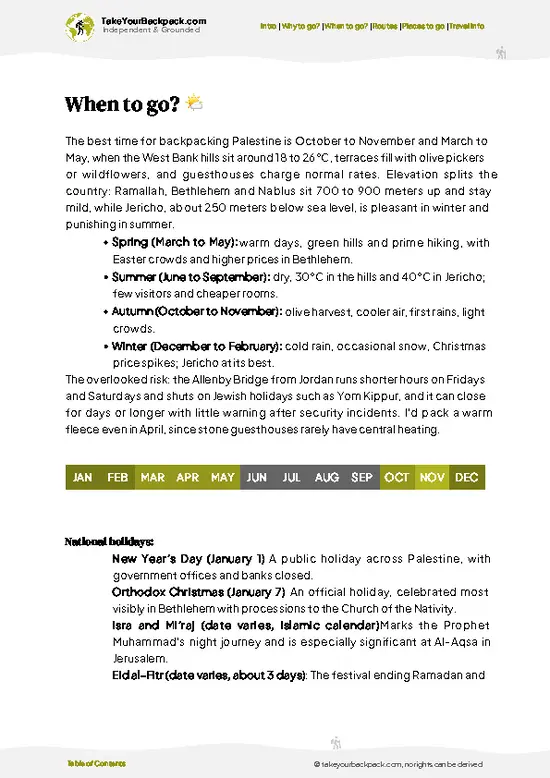
Forget the ruins you’ve seen in textbooks. The bathhouse here is a time capsule of Umayyad luxury, with underfloor heating (yes, central heating in the 8th century), marble slabs, and a layout that still makes sense. Stand in the frigidarium and imagine the sultans sweating out the desert dust, then plunging into cold water. The engineering alone is worth the trip—no velvet ropes, no glass cases, just you and the bones of a lost palace.
The Audience Hall
This is where the power games happened. The audience hall at Qasr Hisham is stripped down now, but the bones are all there: a grand space, flanked by columns, where caliphs sized up their rivals and poets tried to impress. The scale is what hits you—this wasn’t a cozy living room, it was a stage for politics and spectacle. Stand in the center and you’ll feel the echo of old ambitions.
The Desert Setting
Here’s the unfiltered truth: Qasr Hisham is not surrounded by lush gardens or bustling markets. It’s out in the Jericho plain, with the Judean hills on the horizon and the silence of the desert pressing in. That’s the magic. You get a sense of isolation, of history left to bake in the sun, and—if you time it right—a sunset that turns the ruins gold. No crowds, no vendors, just you and the ghosts of empire.
Let’s cut through the Instagram filters: you’re here for the mosaic. The Tree of Life at Qasr Hisham isn’t just a pretty floor—it’s a 1,200-year-old, jaw-dropping, stone-by-stone epic. The detail is wild: a lion mauling a gazelle, birds perched in impossible symmetry, all in colors that haven’t faded into oblivion. This isn’t a background for a selfie; it’s a masterclass in Umayyad art, and it’s survived earthquakes, invasions, and the world’s worst souvenir hunters. If you see one mosaic in the Middle East, make it this one. (Personal favorite—nothing else at Qasr Hisham comes close for sheer wow factor.)
The Bath Complex
Forget the ruins you’ve seen in textbooks. The bathhouse here is a time capsule of Umayyad luxury, with underfloor heating (yes, central heating in the 8th century), marble slabs, and a layout that still makes sense. Stand in the frigidarium and imagine the sultans sweating out the desert dust, then plunging into cold water. The engineering alone is worth the trip—no velvet ropes, no glass cases, just you and the bones of a lost palace.
The Audience Hall
This is where the power games happened. The audience hall at Qasr Hisham is stripped down now, but the bones are all there: a grand space, flanked by columns, where caliphs sized up their rivals and poets tried to impress. The scale is what hits you—this wasn’t a cozy living room, it was a stage for politics and spectacle. Stand in the center and you’ll feel the echo of old ambitions.
The Desert Setting
Here’s the unfiltered truth: Qasr Hisham is not surrounded by lush gardens or bustling markets. It’s out in the Jericho plain, with the Judean hills on the horizon and the silence of the desert pressing in. That’s the magic. You get a sense of isolation, of history left to bake in the sun, and—if you time it right—a sunset that turns the ruins gold. No crowds, no vendors, just you and the ghosts of empire.
Spotted a mistake or missing something? Contact us.

 Best Backpacking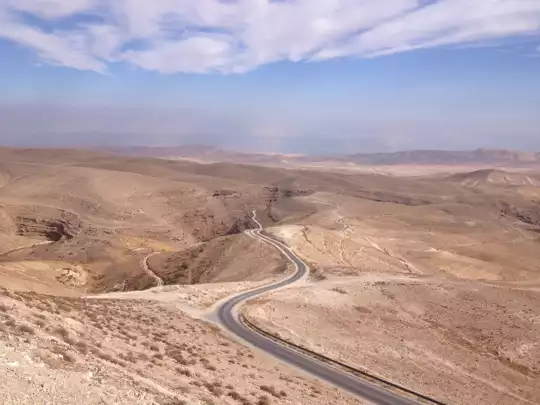
.jpg) Hi, I’m Johan (Netherlands 🇳🇱), the creator of TakeYourBackpack. Over the past 3 decades, I’ve backpacked through 90+ countries across six continents, gaining extensive experience with independent travel, long-term trips, and overland routes.
Hi, I’m Johan (Netherlands 🇳🇱), the creator of TakeYourBackpack. Over the past 3 decades, I’ve backpacked through 90+ countries across six continents, gaining extensive experience with independent travel, long-term trips, and overland routes.