v2.webp)
The Grotto of the Nativity
Let’s cut through the postcard haze: this is the spot that draws the tour buses, the selfie sticks, and the devout. Yes, you’ll wait in line. Yes, you’ll be shoulder-to-shoulder with people from every continent. But when you finally duck down the worn stone steps and squeeze into the low-ceilinged grotto, you’re standing at the heart of a story that’s shaped two millennia of human history. The silver star on the floor isn’t just a marker—it’s a magnet for centuries of hope, politics, and pilgrimage. The air is thick with incense and anticipation. It’s not quiet, but it is electric. If you want a sanitized, empty church, look elsewhere. If you want to feel the pulse of global faith, this is the epicenter.
The Mosaics Beneath the Floor
Most people shuffle right past … read more 👉
Let’s cut through the postcard haze: this is the spot that draws the tour buses, the selfie sticks, and the devout. Yes, you’ll wait in line. Yes, you’ll be shoulder-to-shoulder with people from every continent. But when you finally duck down the worn stone steps and squeeze into the low-ceilinged grotto, you’re standing at the heart of a story that’s shaped two millennia of human history. The silver star on the floor isn’t just a marker—it’s a magnet for centuries of hope, politics, and pilgrimage. The air is thick with incense and anticipation. It’s not quiet, but it is electric. If you want a sanitized, empty church, look elsewhere. If you want to feel the pulse of global faith, this is the epicenter.
The Mosaics Beneath the Floor
Most people shuffle right past … read more 👉
The Grotto of the Nativity
Let’s cut through the postcard haze: this is the spot that draws the tour buses, the selfie sticks, and the devout. Yes, you’ll wait in line. Yes, you’ll be shoulder-to-shoulder with people from every continent. But when you finally duck down the worn stone steps and squeeze into the low-ceilinged grotto, you’re standing at the heart of a story that’s shaped two millennia of human history. The silver star on the floor isn’t just a marker—it’s a magnet for centuries of hope, politics, and pilgrimage. The air is thick with incense and anticipation. It’s not quiet, but it is electric. If you want a sanitized, empty church, look elsewhere. If you want to feel the pulse of global faith, this is the epicenter.
The Mosaics Beneath the Floor
Most people shuffle right past this one, eyes on the altar. But if you look down through the glass panels in the nave, you’ll spot fragments of 4th-century mosaics—geometric, battered, and stubbornly beautiful. These aren’t just pretty tiles; they’re the bones of the original basilica, built by order of Constantine’s mother. It’s a rare, tactile link to the earliest days of Christianity, and a reminder that this place has been rebuilt, fought over, and patched up for centuries. The mosaics are a quiet rebellion against the Instagram version of the church: subtle, ancient, and absolutely worth a pause.
The Door of Humility
You’ll stoop to enter. Everyone does. The main entrance is famously small—less than five feet high. It wasn’t always this way; the door was reduced in size centuries ago to stop looters from riding in on horseback. Now, it’s a forced bow, a physical reminder that nobody—no matter how important—walks in here without lowering themselves. It’s a rare architectural joke with a punchline that lands every time. Watching dignitaries, priests, and backpackers all duck in the same way is a leveler you won’t find in most holy sites.
The Armenian and Greek Orthodox Altars
The Church of the Nativity isn’t run by one denomination—it’s a patchwork of Christian sects, each fiercely protective of their turf. The result? A living, sometimes tense, sometimes hilarious choreography of rituals. The Greek Orthodox and Armenian altars are side by side, dripping with gold, icons, and centuries of rivalry. If you’re lucky, you’ll catch a procession or a heated discussion over candle placement. It’s messy, it’s real, and it’s a front-row seat to the politics of faith.
The Franciscan Chapel of St. Catherine (Personal Favorite)
Step through a side door and you’re suddenly in a different world: clean lines, soft light, and a hush that feels almost rebellious after the chaos of the main basilica. This is where the Christmas Eve Mass is broadcast around the world. But on a regular day, it’s a place to breathe, reflect, and watch the sunlight play across the limestone. For me, it’s the perfect counterweight to the intensity of the grotto—a reminder that even in the most famous places, you can still find a pocket of peace.
Let’s cut through the postcard haze: this is the spot that draws the tour buses, the selfie sticks, and the devout. Yes, you’ll wait in line. Yes, you’ll be shoulder-to-shoulder with people from every continent. But when you finally duck down the worn stone steps and squeeze into the low-ceilinged grotto, you’re standing at the heart of a story that’s shaped two millennia of human history. The silver star on the floor isn’t just a marker—it’s a magnet for centuries of hope, politics, and pilgrimage. The air is thick with incense and anticipation. It’s not quiet, but it is electric. If you want a sanitized, empty church, look elsewhere. If you want to feel the pulse of global faith, this is the epicenter.
The Mosaics Beneath the Floor
Most people shuffle right past this one, eyes on the altar. But if you look down through the glass panels in the nave, you’ll spot fragments of 4th-century mosaics—geometric, battered, and stubbornly beautiful. These aren’t just pretty tiles; they’re the bones of the original basilica, built by order of Constantine’s mother. It’s a rare, tactile link to the earliest days of Christianity, and a reminder that this place has been rebuilt, fought over, and patched up for centuries. The mosaics are a quiet rebellion against the Instagram version of the church: subtle, ancient, and absolutely worth a pause.
The Door of Humility
You’ll stoop to enter. Everyone does. The main entrance is famously small—less than five feet high. It wasn’t always this way; the door was reduced in size centuries ago to stop looters from riding in on horseback. Now, it’s a forced bow, a physical reminder that nobody—no matter how important—walks in here without lowering themselves. It’s a rare architectural joke with a punchline that lands every time. Watching dignitaries, priests, and backpackers all duck in the same way is a leveler you won’t find in most holy sites.
The Armenian and Greek Orthodox Altars
The Church of the Nativity isn’t run by one denomination—it’s a patchwork of Christian sects, each fiercely protective of their turf. The result? A living, sometimes tense, sometimes hilarious choreography of rituals. The Greek Orthodox and Armenian altars are side by side, dripping with gold, icons, and centuries of rivalry. If you’re lucky, you’ll catch a procession or a heated discussion over candle placement. It’s messy, it’s real, and it’s a front-row seat to the politics of faith.
The Franciscan Chapel of St. Catherine (Personal Favorite)
Step through a side door and you’re suddenly in a different world: clean lines, soft light, and a hush that feels almost rebellious after the chaos of the main basilica. This is where the Christmas Eve Mass is broadcast around the world. But on a regular day, it’s a place to breathe, reflect, and watch the sunlight play across the limestone. For me, it’s the perfect counterweight to the intensity of the grotto—a reminder that even in the most famous places, you can still find a pocket of peace.
Spotted a mistake or missing something? Contact us.

Travel to Bethlehem Half Day Guided Tour from Jerusalem

Jerusalem and Bethlehem Day Tour from Jerusalem

Travel To Bethlehem and Dead Sea - Daily Group West Bank Tour

Travel To Bethlehem, Jericho & Jordan River - Tour From Jerusalem
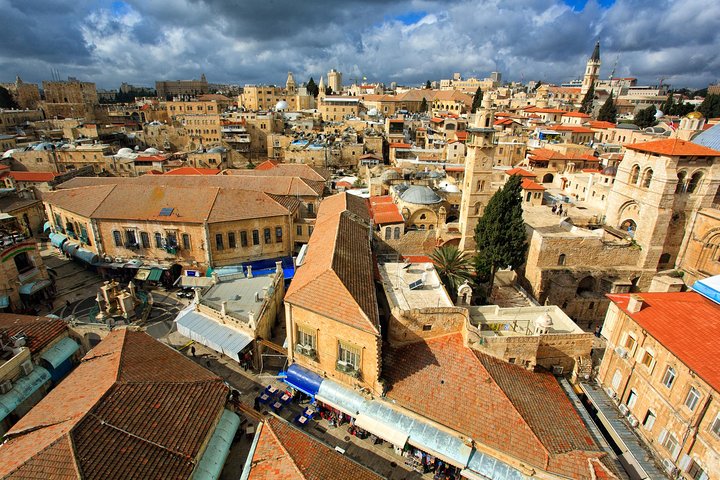
Ashdod Shore Excursion: Jerusalem and Bethlehem - for cruise ship guests only

Palestine Revealed: 2-Day Private Tour from Jerusalem

Full-Day Bethlehem, Jericho, and Jordan River Tour

Bethlehem Half Day Private Tour - Pick up from Jerusalem/Tel Aviv/Ashdod

Bethlehem, Jericho, and Qasr El Yahud Day Trip from Jerusalem

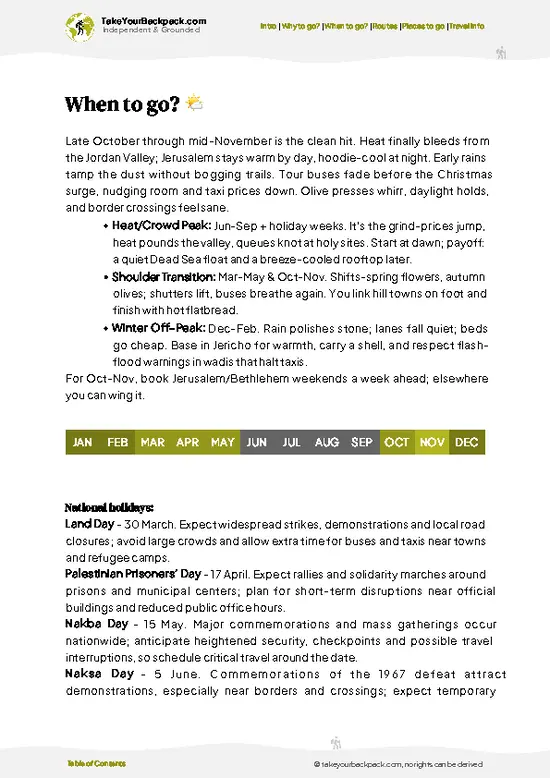
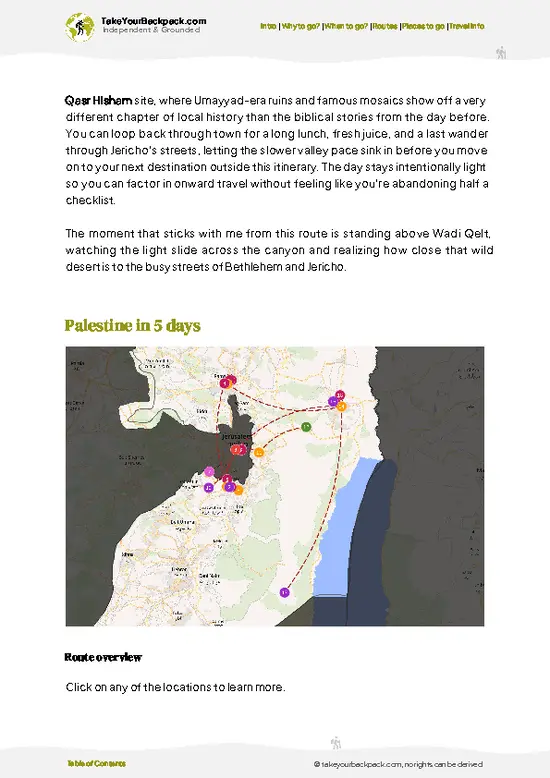
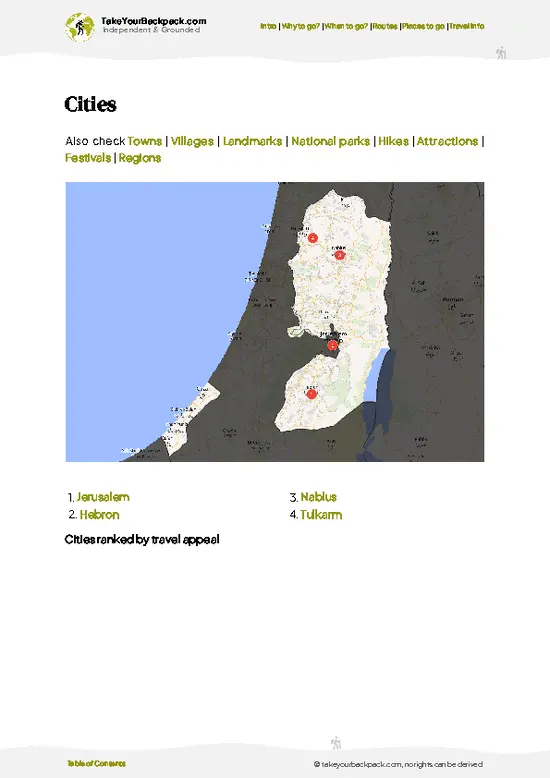

 Best Backpacking
.jpg) Hi, I’m Johan (Netherlands 🇳🇱), the creator of TakeYourBackpack. Over the past decade, I’ve backpacked through 80+ countries across six continents, gaining extensive experience with independent travel, long-term trips, and overland routes.
Hi, I’m Johan (Netherlands 🇳🇱), the creator of TakeYourBackpack. Over the past decade, I’ve backpacked through 80+ countries across six continents, gaining extensive experience with independent travel, long-term trips, and overland routes.