v2.webp)
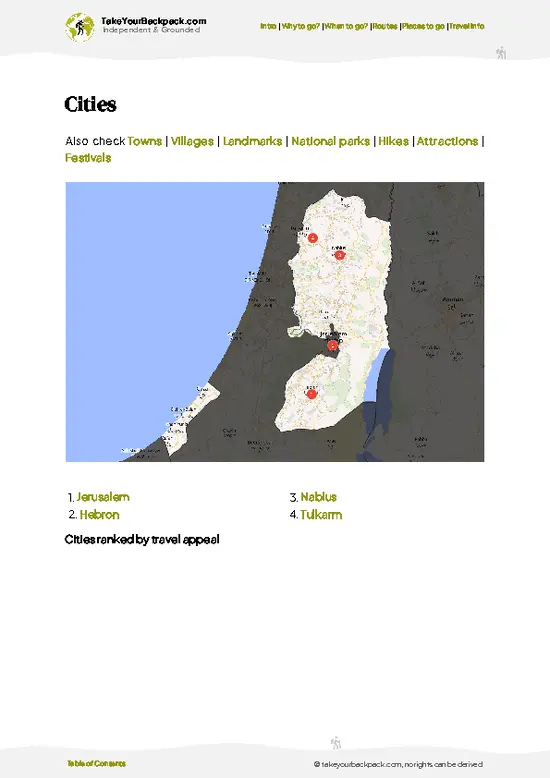
- Ibrahimi Mosque / Cave of the Patriarchs — The heart of Hebron: an ancient, layered holy site (Muslim and Jewish prayer areas) that houses the traditional tombs of the patriarchs. The building’s Mamluk and Ottoman architecture, carved stone and the atmosphere inside make it a must-see — expect security checks and a dress code.
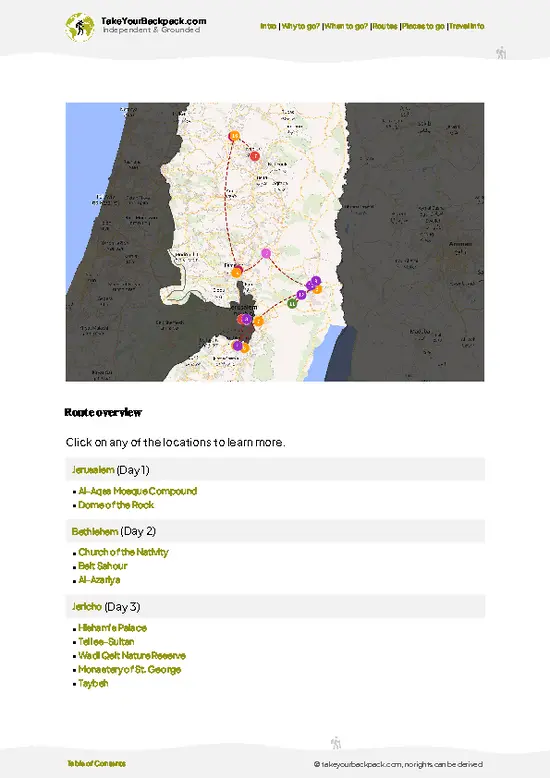
- Old City alleys and souq (Al-Khalil Old Market) — Tight stone lanes, buzzing stalls, and centuries-old shopfronts where you can watch daily life up close: spices, olives, breads, and the small, lived-in shops that tell the city’s story better than any museum.
- Hebron glass-blowers’ quarter — Watch live glassblowing and buy locally made, hand-blown pieces in brilliant blues and greens. It’s one of Hebron’s most photogenic crafts and a great place to chat with artisans
- Ibrahimi Mosque / Cave of the Patriarchs — The heart of Hebron: an ancient, layered holy site (Muslim and Jewish prayer areas) that houses the traditional tombs of the patriarchs. The building’s Mamluk and Ottoman architecture, carved stone and the atmosphere inside make it a must-see — expect security checks and a dress code.
- Old City alleys and souq (Al-Khalil Old Market) — Tight stone lanes, buzzing stalls, and centuries-old shopfronts where you can watch daily life up close: spices, olives, breads, and the small, lived-in shops that tell the city’s story better than any museum.
- Hebron glass-blowers’ quarter — Watch live glassblowing and buy locally made, hand-blown pieces in brilliant blues and greens. It’s one of Hebron’s most photogenic crafts and a great place to chat with artisans about traditional techniques.
- Traditional Hebron pottery workshops — Small family-run studios making the distinctive local ceramics; you can see throwing, glazing and firing and pick up affordable, authentic pieces straight from the potter.
- Coppersmiths and metalwork alleys — Hebron’s hammered brass and copperware are famous: listen to the rhythm of hammers, smell the furnace, and watch artisans shape trays, coffee sets and lamps by hand.
- Tel Rumeida (the archaeological tell and viewpoint) — Layers of Hebron’s deep past sit here: ancient walls, pottery shards and a commanding view over the Old City. It’s a useful stop to understand how long the place has been lived in and fought over.
- Shuhada Street and the Old City’s visible checkpoints — Harsh but important: this stretch shows the modern history of Hebron and the impact of occupation on everyday urban life. Visiting (ideally with a local guide) gives context you won’t get from a guidebook.
- Hebron Rehabilitation/heritage projects and restored khans — Walk through conservation projects and restored Ottoman-era houses and caravanserais where NGOs and local craftsmen are reviving old neighborhoods; they’re great for asking questions and supporting local initiatives.
- Rooftop terraces and old-house viewpoints — Climb a guesthouse or café rooftop in the Old City at golden hour: the patchwork of domes, chimneys, satellite dishes and narrow alleys below is unexpectedly beautiful and excellent for photography.
- Local bakeries, baker stalls and street food — Small bakeries in Hebron produce incredible flatbreads, manakish and sweets; trying freshly baked bread with za’atar or a simple local pastry is one of the most honest ways to taste the city.
Spotted a mistake or missing something? Contact us.

 Best Backpacking
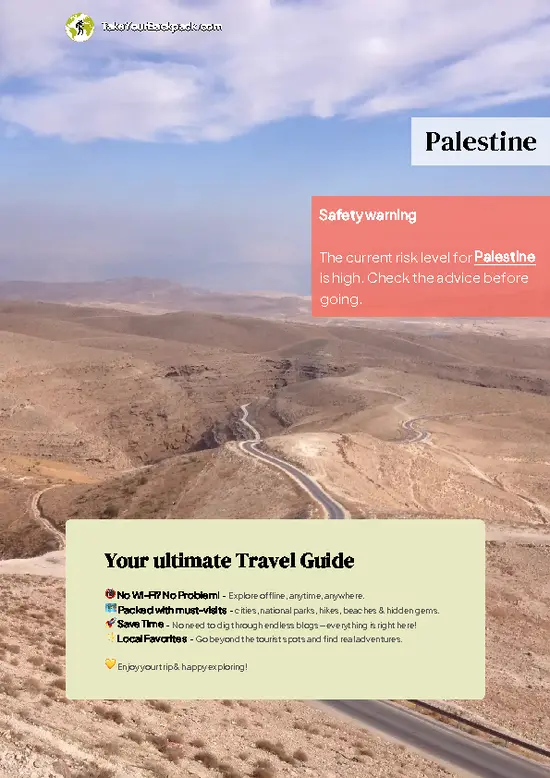
.jpg) Hi, I’m Johan (Netherlands 🇳🇱), the creator of TakeYourBackpack. Over the past 3 decades, I’ve backpacked through 90+ countries across six continents, gaining extensive experience with independent travel, long-term trips, and overland routes.
Hi, I’m Johan (Netherlands 🇳🇱), the creator of TakeYourBackpack. Over the past 3 decades, I’ve backpacked through 90+ countries across six continents, gaining extensive experience with independent travel, long-term trips, and overland routes.