v2.webp)
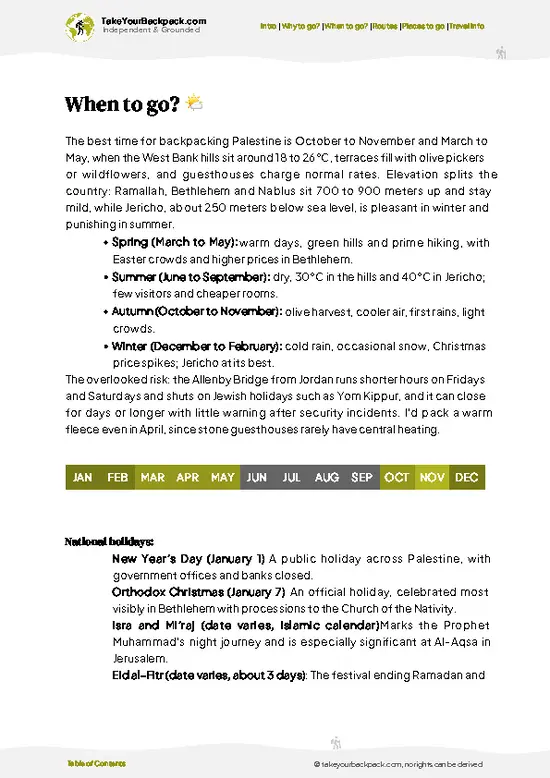
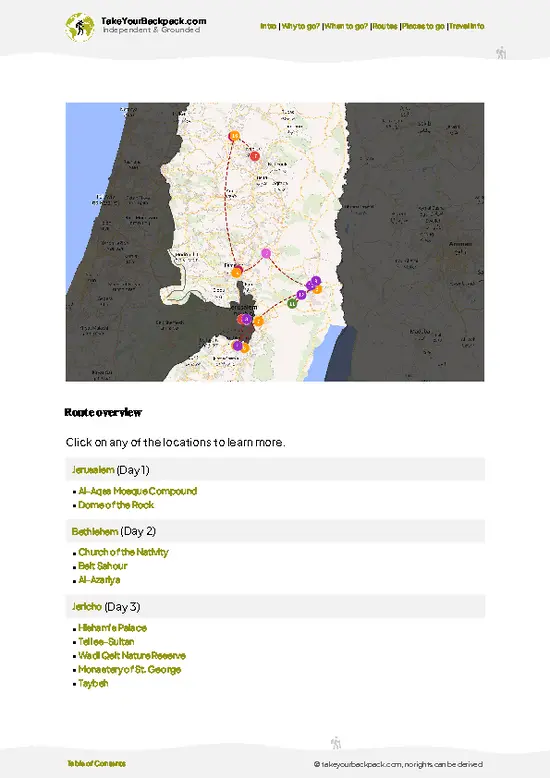
Church of the Nativity
Step through the low, ancient doorway and the air shifts—incense, candle wax, and centuries of whispered prayers. This is not just a church; it’s the world’s oldest continuously operating one, built over the cave where tradition says Jesus was born. The marble star in the Grotto is the focal point, but don’t miss the battered columns, each one a palimpsest of Crusader frescoes and Orthodox icons. Arrive early morning, before the tour buses, to feel the hush. Entry is free, but a few shekels for a candle is a small price for the atmosphere. Allow 60-90 minutes if you want to see both the main basilica and the Grotto (lines can be long at midday).
Manger Square
The heart of Bethlehem is not a postcard—it’s a living, breathing plaza. Kids chase pigeons, coffee vendors … read more 👉
Step through the low, ancient doorway and the air shifts—incense, candle wax, and centuries of whispered prayers. This is not just a church; it’s the world’s oldest continuously operating one, built over the cave where tradition says Jesus was born. The marble star in the Grotto is the focal point, but don’t miss the battered columns, each one a palimpsest of Crusader frescoes and Orthodox icons. Arrive early morning, before the tour buses, to feel the hush. Entry is free, but a few shekels for a candle is a small price for the atmosphere. Allow 60-90 minutes if you want to see both the main basilica and the Grotto (lines can be long at midday).
Manger Square
The heart of Bethlehem is not a postcard—it’s a living, breathing plaza. Kids chase pigeons, coffee vendors … read more 👉
Church of the Nativity
Step through the low, ancient doorway and the air shifts—incense, candle wax, and centuries of whispered prayers. This is not just a church; it’s the world’s oldest continuously operating one, built over the cave where tradition says Jesus was born. The marble star in the Grotto is the focal point, but don’t miss the battered columns, each one a palimpsest of Crusader frescoes and Orthodox icons. Arrive early morning, before the tour buses, to feel the hush. Entry is free, but a few shekels for a candle is a small price for the atmosphere. Allow 60-90 minutes if you want to see both the main basilica and the Grotto (lines can be long at midday).
Manger Square
The heart of Bethlehem is not a postcard—it’s a living, breathing plaza. Kids chase pigeons, coffee vendors shout, and the call to prayer mingles with church bells. This is where you’ll feel the pulse of the city, especially during festivals or Christmas Eve, when the square glows with lights and anticipation. It’s free, always open, and best experienced late afternoon as the sun dips and the city’s limestone takes on a golden hue. Grab a seat at a café, order a cardamom coffee, and watch the world go by. Thirty minutes can turn into hours if you let it.
Milk Grotto
A short walk from the Nativity Church, this small, chalk-white chapel is a place of quiet devotion. Legend says a drop of Mary’s milk turned the stone white, and today, women from around the world come here to pray for fertility and healthy children. The cave is cool and hushed, with a sweetness in the air from the candles and flowers left by pilgrims. It’s open daily, free to enter, and rarely crowded—visit mid-morning for the most contemplative experience. Twenty to thirty minutes is enough, but the peace lingers.
Old Bethlehem Souq (Market)
This isn’t a sanitized bazaar. The souq is a tangle of narrow alleys, with butchers, spice sellers, and olive wood carvers working as they have for generations. The scent of za’atar and roasting nuts is everywhere. Haggling is expected, but the real reward is conversation—shopkeepers are storytellers here. Go in the morning for the freshest produce and the liveliest scene. Free to wander, but bring cash for snacks or souvenirs. Give yourself an hour to get lost and found again.
Dar Al Majus Community Home
A newer addition with deep roots, this cultural center and café is run by locals and refugees, offering art exhibits, workshops, and some of the best home-cooked Palestinian food in town. The vibe is welcoming, the coffee strong, and the rooftop view at sunset is quietly spectacular. Entry is free; meals and workshops are reasonably priced (20-40 shekels). Even an hour here can spark a conversation that stays with you.
Bethlehem is a launchpad for deeper exploration—Herodium’s windswept ruins, Mar Saba’s cliff-hugging monastery, and the olive groves of Beit Sahour are all within easy reach. Herodium, with its panoramic views and ancient tunnels, is my personal favorite for a day trip—history and landscape in one wild sweep.
Step through the low, ancient doorway and the air shifts—incense, candle wax, and centuries of whispered prayers. This is not just a church; it’s the world’s oldest continuously operating one, built over the cave where tradition says Jesus was born. The marble star in the Grotto is the focal point, but don’t miss the battered columns, each one a palimpsest of Crusader frescoes and Orthodox icons. Arrive early morning, before the tour buses, to feel the hush. Entry is free, but a few shekels for a candle is a small price for the atmosphere. Allow 60-90 minutes if you want to see both the main basilica and the Grotto (lines can be long at midday).
Manger Square
The heart of Bethlehem is not a postcard—it’s a living, breathing plaza. Kids chase pigeons, coffee vendors shout, and the call to prayer mingles with church bells. This is where you’ll feel the pulse of the city, especially during festivals or Christmas Eve, when the square glows with lights and anticipation. It’s free, always open, and best experienced late afternoon as the sun dips and the city’s limestone takes on a golden hue. Grab a seat at a café, order a cardamom coffee, and watch the world go by. Thirty minutes can turn into hours if you let it.
Milk Grotto
A short walk from the Nativity Church, this small, chalk-white chapel is a place of quiet devotion. Legend says a drop of Mary’s milk turned the stone white, and today, women from around the world come here to pray for fertility and healthy children. The cave is cool and hushed, with a sweetness in the air from the candles and flowers left by pilgrims. It’s open daily, free to enter, and rarely crowded—visit mid-morning for the most contemplative experience. Twenty to thirty minutes is enough, but the peace lingers.
Old Bethlehem Souq (Market)
This isn’t a sanitized bazaar. The souq is a tangle of narrow alleys, with butchers, spice sellers, and olive wood carvers working as they have for generations. The scent of za’atar and roasting nuts is everywhere. Haggling is expected, but the real reward is conversation—shopkeepers are storytellers here. Go in the morning for the freshest produce and the liveliest scene. Free to wander, but bring cash for snacks or souvenirs. Give yourself an hour to get lost and found again.
Dar Al Majus Community Home
A newer addition with deep roots, this cultural center and café is run by locals and refugees, offering art exhibits, workshops, and some of the best home-cooked Palestinian food in town. The vibe is welcoming, the coffee strong, and the rooftop view at sunset is quietly spectacular. Entry is free; meals and workshops are reasonably priced (20-40 shekels). Even an hour here can spark a conversation that stays with you.
Bethlehem is a launchpad for deeper exploration—Herodium’s windswept ruins, Mar Saba’s cliff-hugging monastery, and the olive groves of Beit Sahour are all within easy reach. Herodium, with its panoramic views and ancient tunnels, is my personal favorite for a day trip—history and landscape in one wild sweep.
Spotted a mistake or missing something? Contact us.

Travel to Bethlehem Half Day Guided Tour from Jerusalem

Jerusalem and Bethlehem Day Tour from Jerusalem

Travel To Bethlehem and Dead Sea - Daily Group West Bank Tour

Full-Day Bethlehem, Jericho, and Jordan River Tour

Bethlehem Half Day Private Tour - Pick up from Jerusalem/Tel Aviv/Ashdod

Bethlehem, Jericho, and Qasr El Yahud Day Trip from Jerusalem

Travel to Bethlehem & Dead Sea Day Tour from Jerusalem

Bethlehem, Dead Sea, Jericho and Jordan River Private Tour From Jerusalem/TLV

Travel to Bethlehem, Jericho and Qaser Al Yahud - Guided Tour From Jerusalem


 Best Backpacking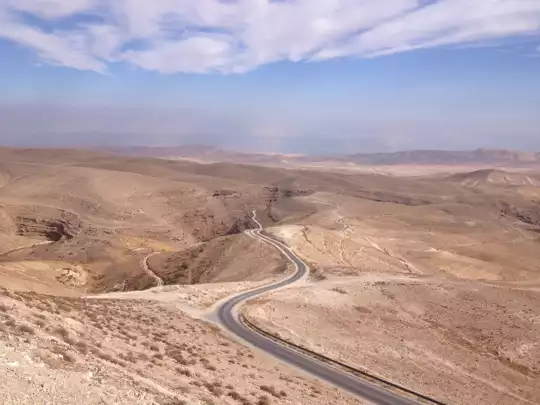
.jpg) Hi, I’m Johan (Netherlands 🇳🇱), the creator of TakeYourBackpack. Over the past 3 decades, I’ve backpacked through 90+ countries across six continents, gaining extensive experience with independent travel, long-term trips, and overland routes.
Hi, I’m Johan (Netherlands 🇳🇱), the creator of TakeYourBackpack. Over the past 3 decades, I’ve backpacked through 90+ countries across six continents, gaining extensive experience with independent travel, long-term trips, and overland routes.