v2.webp)
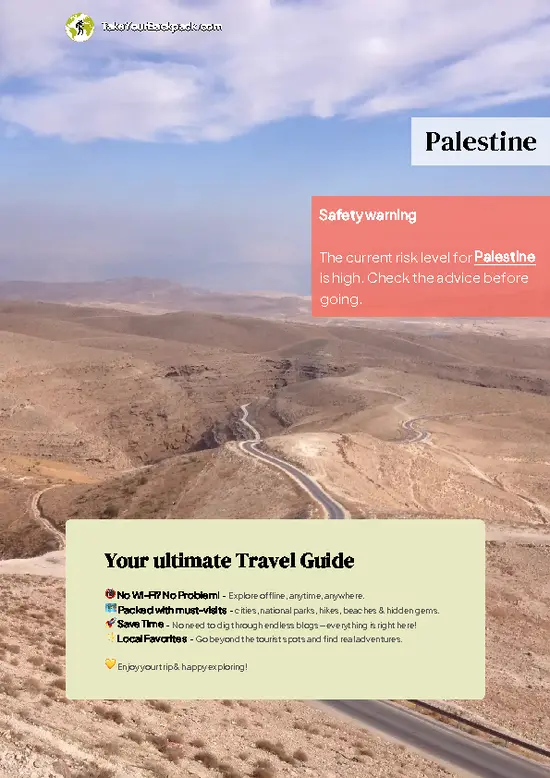
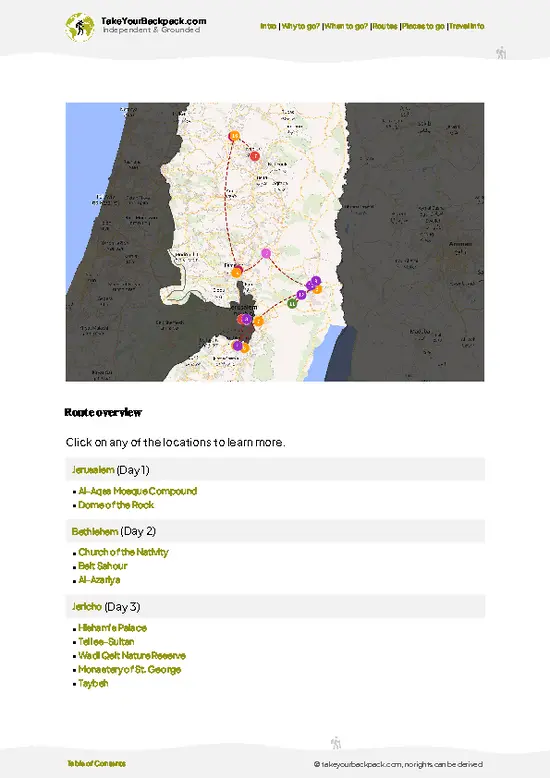
1. Tell es-Sultan (Ancient Jericho Archaeological Site)
This is where you feel the weight of 10,000 years under your boots. The low, sun-bleached mound is the oldest continuously inhabited city on earth, and you can see the layers—literally. Stand by the ancient tower as the desert wind kicks up dust, and you’ll understand why every empire wanted this patch of land. The site is open most daylight hours, but early morning is best: the light is soft, the air is cool, and you’ll have the ruins almost to yourself. Entry is around 10 shekels. Give it 45 minutes if you’re brisk, but an hour and a half if you want to read every sign and let your imagination run wild.
2. Hisham’s Palace (Khirbat al-Mafjar)
Step through the arched gateway and you’re in the middle of an Umayyad desert palace, half-ruined, … read more 👉
This is where you feel the weight of 10,000 years under your boots. The low, sun-bleached mound is the oldest continuously inhabited city on earth, and you can see the layers—literally. Stand by the ancient tower as the desert wind kicks up dust, and you’ll understand why every empire wanted this patch of land. The site is open most daylight hours, but early morning is best: the light is soft, the air is cool, and you’ll have the ruins almost to yourself. Entry is around 10 shekels. Give it 45 minutes if you’re brisk, but an hour and a half if you want to read every sign and let your imagination run wild.
2. Hisham’s Palace (Khirbat al-Mafjar)
Step through the arched gateway and you’re in the middle of an Umayyad desert palace, half-ruined, … read more 👉
1. Tell es-Sultan (Ancient Jericho Archaeological Site)
This is where you feel the weight of 10,000 years under your boots. The low, sun-bleached mound is the oldest continuously inhabited city on earth, and you can see the layers—literally. Stand by the ancient tower as the desert wind kicks up dust, and you’ll understand why every empire wanted this patch of land. The site is open most daylight hours, but early morning is best: the light is soft, the air is cool, and you’ll have the ruins almost to yourself. Entry is around 10 shekels. Give it 45 minutes if you’re brisk, but an hour and a half if you want to read every sign and let your imagination run wild.
2. Hisham’s Palace (Khirbat al-Mafjar)
Step through the arched gateway and you’re in the middle of an Umayyad desert palace, half-ruined, half-mirage. The mosaic floor—especially the famous “Tree of Life”—is worth the trip alone, but the real magic is in the silence and the scent of wild herbs growing between the stones. Go in the late afternoon when the sun slants through the arches and the tour buses are gone. Entry is about 10 shekels. You’ll want at least an hour, more if you linger in the shade and let the centuries settle in.
3. Mount of Temptation Monastery
The climb is a rite of passage—either by foot (prepare to sweat) or by cable car, which glides over Jericho’s patchwork of palm groves. The monastery clings to the cliff like a secret, and inside, incense hangs in the air, mixing with the cool stone. The view over the Jordan Valley is a reward that feels earned. Go just before sunset for golden light and fewer crowds. Cable car tickets are around 60 shekels round-trip; monastery entry is a small donation. Set aside two hours if you’re walking, less if you ride.
4. Jericho’s Old City Market (Souq)
This isn’t a sanitized tourist bazaar—it’s a living, breathing market. The air is thick with the smell of cardamom, olives, and fresh bread. Vendors call out prices in Arabic, and you’ll find everything from dates to knockoff sneakers. The best time is late morning, when the stalls are full but the heat hasn’t peaked. No entry fee, but bring small bills for snacks or souvenirs. Thirty minutes is enough for a wander, but you might lose an hour in conversation or over a cup of sweet tea.
5. Zacchaeus’ Sycamore Tree
It’s not just a tree—it’s a living piece of Jericho’s story, tangled with biblical lore and local pride. The gnarled trunk stands in a small park, shaded and oddly peaceful despite the traffic nearby. Locals will tell you it’s the very tree from the Gospel of Luke. Whether you believe it or not, it’s a quiet spot to rest and watch daily life roll by. Free to visit, open daylight hours. Ten minutes is enough, unless you’re in the mood to sketch or journal.
If you’re itching for more, Jericho is the perfect launchpad for day trips: the Dead Sea’s salty shores, Qumran’s caves, and Wadi Qelt’s wild canyons are all within easy reach. Wadi Qelt, with its plunging cliffs and hidden monastery, is my personal favorite for a day of real adventure.
This is where you feel the weight of 10,000 years under your boots. The low, sun-bleached mound is the oldest continuously inhabited city on earth, and you can see the layers—literally. Stand by the ancient tower as the desert wind kicks up dust, and you’ll understand why every empire wanted this patch of land. The site is open most daylight hours, but early morning is best: the light is soft, the air is cool, and you’ll have the ruins almost to yourself. Entry is around 10 shekels. Give it 45 minutes if you’re brisk, but an hour and a half if you want to read every sign and let your imagination run wild.
2. Hisham’s Palace (Khirbat al-Mafjar)
Step through the arched gateway and you’re in the middle of an Umayyad desert palace, half-ruined, half-mirage. The mosaic floor—especially the famous “Tree of Life”—is worth the trip alone, but the real magic is in the silence and the scent of wild herbs growing between the stones. Go in the late afternoon when the sun slants through the arches and the tour buses are gone. Entry is about 10 shekels. You’ll want at least an hour, more if you linger in the shade and let the centuries settle in.
3. Mount of Temptation Monastery
The climb is a rite of passage—either by foot (prepare to sweat) or by cable car, which glides over Jericho’s patchwork of palm groves. The monastery clings to the cliff like a secret, and inside, incense hangs in the air, mixing with the cool stone. The view over the Jordan Valley is a reward that feels earned. Go just before sunset for golden light and fewer crowds. Cable car tickets are around 60 shekels round-trip; monastery entry is a small donation. Set aside two hours if you’re walking, less if you ride.
4. Jericho’s Old City Market (Souq)
This isn’t a sanitized tourist bazaar—it’s a living, breathing market. The air is thick with the smell of cardamom, olives, and fresh bread. Vendors call out prices in Arabic, and you’ll find everything from dates to knockoff sneakers. The best time is late morning, when the stalls are full but the heat hasn’t peaked. No entry fee, but bring small bills for snacks or souvenirs. Thirty minutes is enough for a wander, but you might lose an hour in conversation or over a cup of sweet tea.
5. Zacchaeus’ Sycamore Tree
It’s not just a tree—it’s a living piece of Jericho’s story, tangled with biblical lore and local pride. The gnarled trunk stands in a small park, shaded and oddly peaceful despite the traffic nearby. Locals will tell you it’s the very tree from the Gospel of Luke. Whether you believe it or not, it’s a quiet spot to rest and watch daily life roll by. Free to visit, open daylight hours. Ten minutes is enough, unless you’re in the mood to sketch or journal.
If you’re itching for more, Jericho is the perfect launchpad for day trips: the Dead Sea’s salty shores, Qumran’s caves, and Wadi Qelt’s wild canyons are all within easy reach. Wadi Qelt, with its plunging cliffs and hidden monastery, is my personal favorite for a day of real adventure.
Spotted a mistake or missing something? Contact us.

Masada and the Dead Sea Day Trip from Jerusalem

Multi day tour in Jordan - 08 Days

Best of the West Bank Tour from Jerusalem
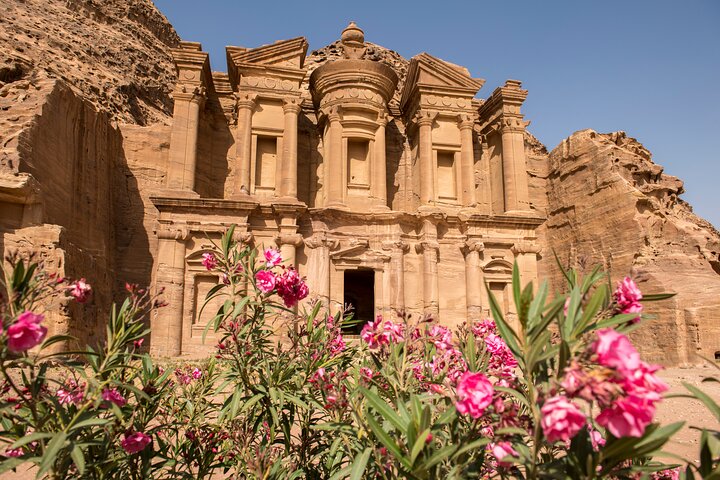
3-Day Petra and Wadi Rum Tour from Jerusalem

Travel To Bethlehem, Jericho & Jordan River - Tour From Jerusalem

Full-Day Bethlehem, Jericho, and Jordan River Tour

Bethlehem, Jericho, and Qasr El Yahud Day Trip from Jerusalem

Bethlehem, Jericho, and Jordan River Day Tour from Jerusalem

Explore Nativity Church, Baptism site and Jericho.Private Tour.


 Best Backpacking
.jpg) Hi, I’m Johan (Netherlands 🇳🇱), the creator of TakeYourBackpack. Over the past 3 decades, I’ve backpacked through 90+ countries across six continents, gaining extensive experience with independent travel, long-term trips, and overland routes.
Hi, I’m Johan (Netherlands 🇳🇱), the creator of TakeYourBackpack. Over the past 3 decades, I’ve backpacked through 90+ countries across six continents, gaining extensive experience with independent travel, long-term trips, and overland routes.