v2.webp)
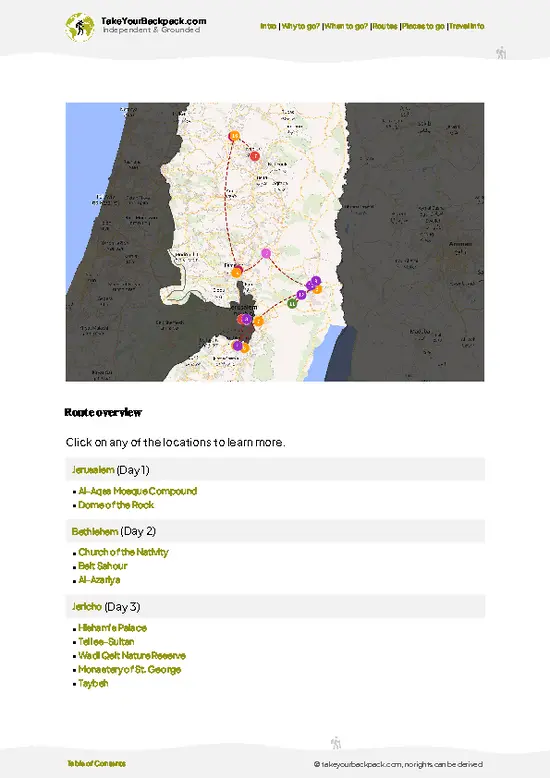
- The Freedom Theatre (in Jenin Refugee Camp) — A real cultural heartbeat: theatre productions, workshops, and guided visits that tell the recent story of the camp through performance and community projects. Don’t expect a polished tourist trap — it’s grassroots, powerful, and often open to visitors who ask kindly.
- Jenin Refugee Camp — One of the most historically significant and resilient communities you can walk through. The narrow lanes, local shops, community centres and street art give a direct, human view of life, memory and activism here; go with respect and, if possible, a local contact or guide.
- Old City and Souq (al-Balad) — The lively market and surrounding alleys are where Jenin’s everyday culture happens: spice stalls, bakeries pulling out warm loaves, citrus sellers, and small
- The Freedom Theatre (in Jenin Refugee Camp) — A real cultural heartbeat: theatre productions, workshops, and guided visits that tell the recent story of the camp through performance and community projects. Don’t expect a polished tourist trap — it’s grassroots, powerful, and often open to visitors who ask kindly.
- Jenin Refugee Camp — One of the most historically significant and resilient communities you can walk through. The narrow lanes, local shops, community centres and street art give a direct, human view of life, memory and activism here; go with respect and, if possible, a local contact or guide.
- Old City and Souq (al-Balad) — The lively market and surrounding alleys are where Jenin’s everyday culture happens: spice stalls, bakeries pulling out warm loaves, citrus sellers, and small hardware shops. Great place for people-watching and affordable street food.
- Jenin Grand Mosque (the city’s main mosque) — More than a building: a daily focal point for the neighbourhood. The mosque’s courtyard and the rhythm of calls to prayer give a strong sense of local religious life and community gatherings. Visitors should dress respectfully and avoid prayer times unless invited.
- Arab American University (Jenin campus) — A surprisingly lively modern campus where you can feel the younger side of the city: cafés, occasional exhibitions, and student events. Easy to stroll, meet students, and get a different perspective on Jenin’s future-focused energy.
- Municipal Park / Public Gardens — Where families and elderly locals hang out, especially in the late afternoon. It’s a simple, low-key place to rest after wandering the souq and to observe daily life without the formality of a museum.
- Traditional Olive Presses and Seasonal Olive Markets — In season (late autumn) small, family-run presses appear in and around town; you can taste freshly pressed oil, see traditional techniques, and buy directly from producers. It’s a tactile way to connect with the agricultural rhythm that shapes the region.
- Women’s Cooperatives and Handicraft Shops — Jenin has active community groups where you can see Palestinian embroidery (tatreez), crafts and cooperatively made products. Visiting these projects supports local makers and offers real cultural exchange rather than souvenir-shopping anonymity.
- Martyrs’ Memorials and Cemeteries — Scattered sites and memorials throughout the town mark recent conflicts and local histories. They are sober, important places to understand local memory and the human cost behind headlines. Visit quietly and sensitively.
- Old Ottoman-era Houses and Alleyways — Take time to wander off the main streets and spot old stone houses, carved doorways and small restored buildings that hint at Jenin’s longer past. Many have been repurposed into cafés or community spaces and reward a slow, observant walk.
Spotted a mistake or missing something? Contact us.

 Best Backpacking
.jpg) Hi, I’m Johan (Netherlands 🇳🇱), the creator of TakeYourBackpack. Over the past 3 decades, I’ve backpacked through 90+ countries across six continents, gaining extensive experience with independent travel, long-term trips, and overland routes.
Hi, I’m Johan (Netherlands 🇳🇱), the creator of TakeYourBackpack. Over the past 3 decades, I’ve backpacked through 90+ countries across six continents, gaining extensive experience with independent travel, long-term trips, and overland routes.