×

Palestine🇵🇸 | townsSebastiaRoman ruins, hilltop acropolis, village square | things to do and best time to go

Explore ZababdehExplore Aboud

Backpacking in Sebastia
🏆 Top picktown ranked #6
By Johan Kruseman 🇳🇱 | Updated October 15, 2026

Most people only realize on the way out that Sebastia quietly solves a big Palestine problem: it gives you serious history and village calm without the Nablus crowds or Bethlehem tour-bus energy, and it’s all in one compact, walkable bowl of hills. Sebastia sits northwest of Nablus in the northern West Bank, a small hilltop town wrapped around layered Roman, Byzantine, and Ottoman ruins. As a backpack stop, it works best as a slow overnight or two on a Nablus-Jenin route, a place to breathe, wander olive groves, and watch the light fade over stone houses. Public service taxis from Nablus make it reachable but not hyper-convenient; evenings are quiet, with a couple of guesthouses and family-run restaurants instead of hostels and nightlife. It’s cheaper and more relaxed than Ramallah, safer-feeling than its politics suggest, and better for reflection than for meeting other travelers.

Discover everything you want to know in the 📖 Palestine Travel Guide.
Safety warning

The current risk level for Palestine is high. Check the advice before going.


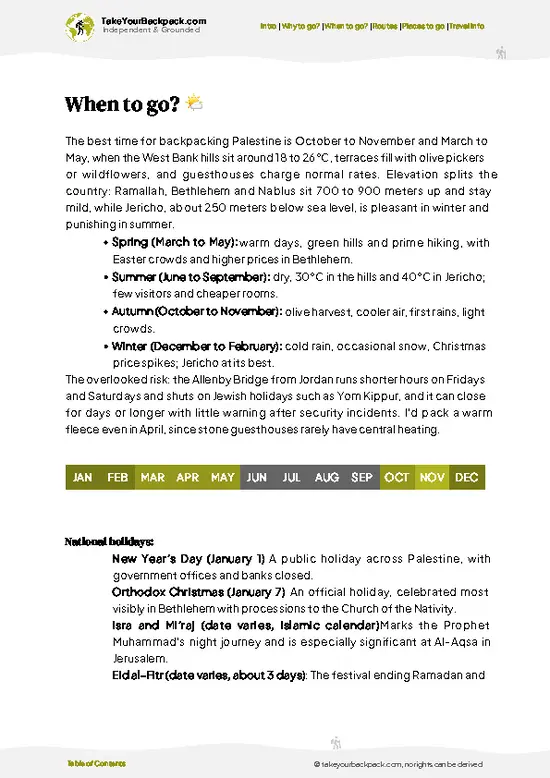
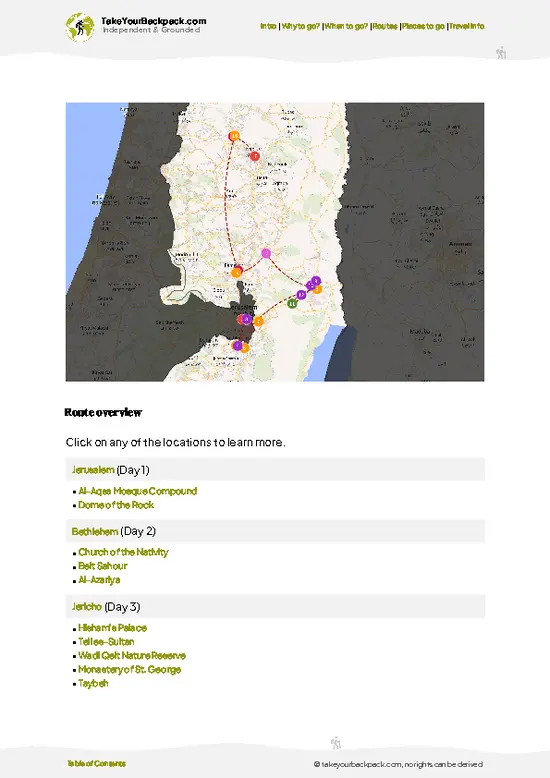
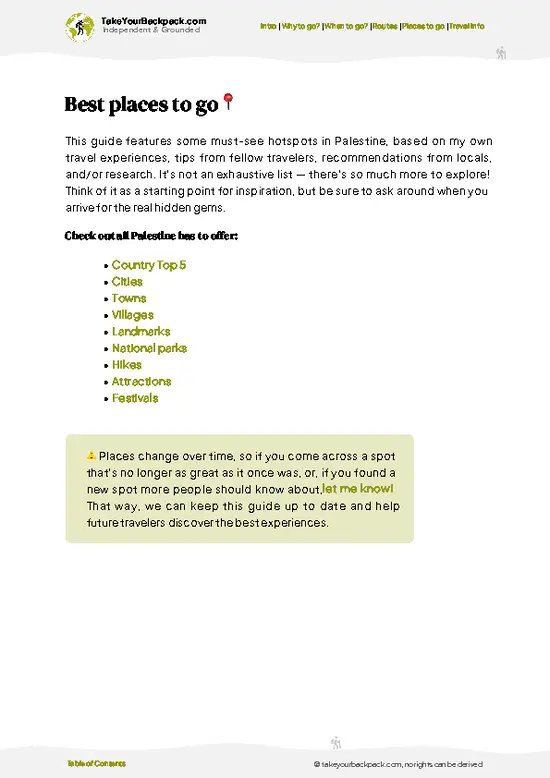
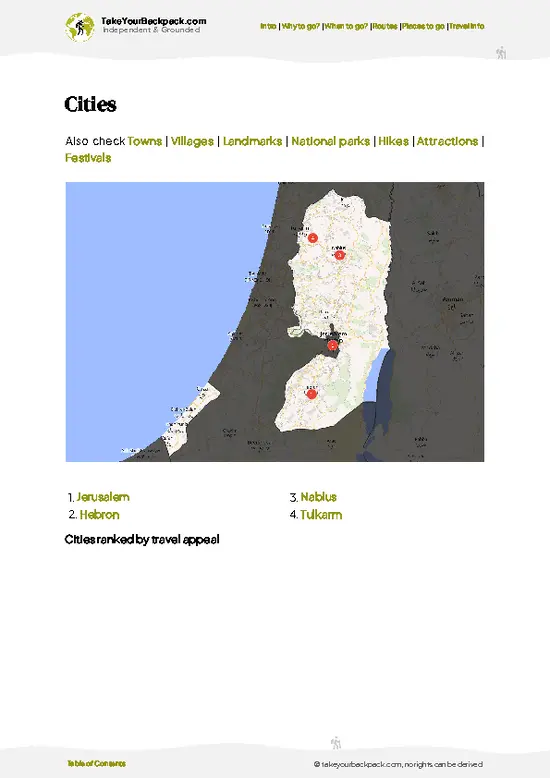
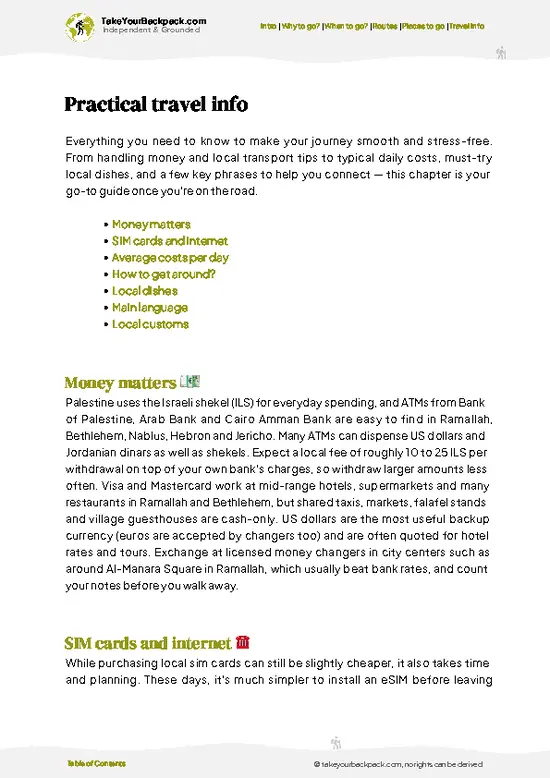
example page 0 from our offline Travel Guide for Palestine
example page 1 from our offline Travel Guide for Palestine
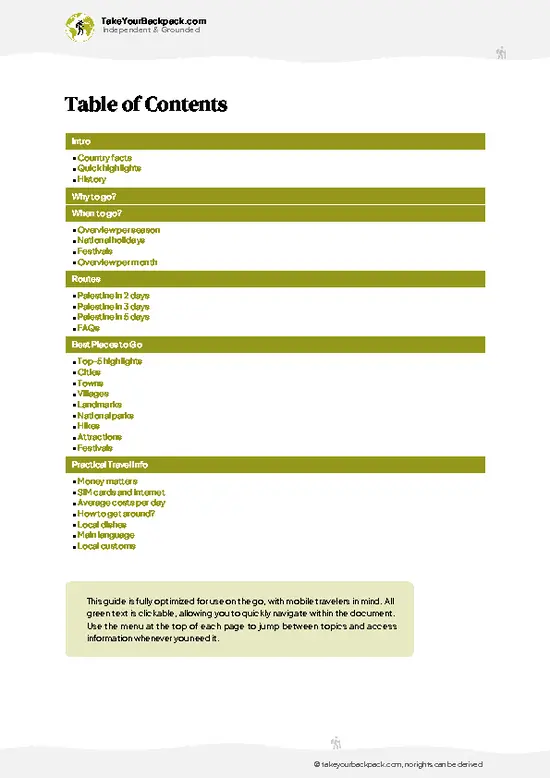
example page 2 from our offline Travel Guide for Palestine
example page 3 from our offline Travel Guide for Palestine
example page 4 from our offline Travel Guide for Palestine
example page 5 from our offline Travel Guide for Palestine
example page 6 from our offline Travel Guide for Palestine
example page 7 from our offline Travel Guide for Palestine
Loading the map 🌍
CLICK TO FILTER
cities
towns
villages
landmarks
national parks
hikes
attractions
festivals
SHOW COUNTRY’S BESTSHOW ALL

✨ Why go?
Ranked #6 town in Palestine
What makes this town worth visiting

Backpackers flock to Sebastia for its strategic location near stunning hikes and ancient ruins. The walkable streets invite exploration, with local eateries serving up hearty dishes that reflect the region’s rich culture. Small-scale hostels and guesthouses offer a cozy atmosphere, perfect for solo travelers or small groups seeking connection. Many stay a few days, soaking in the friendly vibe and sharing stories with fellow adventurers. The town’s proximity to beaches and cultural sites makes it a convenient base for day trips. Whether you’re a slow traveler savoring every moment or a hiker eager for the next trail, Sebastia provides a meaningful backdrop for your journey.

💡 HighlightsDon't-miss highlights and experiences

  • Samaria-Sebaste Archaeological Park — The big draw: a layered ruin complex you can wander from Iron Age hurt-spots to Roman colonnades and Byzantine floors. Walk the terraces, poke at walls from several empires, and really feel the site’s long history underfoot.
  • Herod’s Funeral Monument (traditionally called Herod’s Tomb) — A massive stone podium on the ridge often linked to Herod the Great. It’s evocative rather than flashy: the scale and location make the connection believable, and it’s one of those rare spots where archaeology meets ancient politics.
  • Roman forum and colonnaded street — The remains of the Roman urban layout are clear here: column bases, paved stretches and public-space ruins that give you a sense of how the city functioned in Roman times. Great for imagining daily life
… read more 👉
  • Samaria-Sebaste Archaeological Park — The big draw: a layered ruin complex you can wander from Iron Age hurt-spots to Roman colonnades and Byzantine floors. Walk the terraces, poke at walls from several empires, and really feel the site’s long history underfoot.
  • Herod’s Funeral Monument (traditionally called Herod’s Tomb) — A massive stone podium on the ridge often linked to Herod the Great. It’s evocative rather than flashy: the scale and location make the connection believable, and it’s one of those rare spots where archaeology meets ancient politics.
  • Roman forum and colonnaded street — The remains of the Roman urban layout are clear here: column bases, paved stretches and public-space ruins that give you a sense of how the city functioned in Roman times. Great for imagining daily life 2,000 years ago.
  • Byzantine basilica remains and mosaic fragments — You’ll find church foundations and bits of mosaic and flooring from the Byzantine period. It’s a quiet, contemplative corner of the park that speaks to the site’s Christian heritage.
  • Crusader and medieval fortifications — Scattered defensive works and reused stones from Crusader and later medieval phases. They make for interesting uphill scrambles and offer tangible proof of the site’s strategic importance across eras.
  • Old Ottoman village core and stone houses — Walk the narrow lanes between thick stone houses, courtyards and traditional cisterns. The architecture and living patterns here give a real feel for rural Palestinian life over the last few centuries.
  • Village market street and local coffee-houses — The everyday bits matter: small shops, bakeries and coffee spots where locals meet. These stretches are perfect for people-watching, tasting simple local food, and chatting if you can manage a few Arabic phrases.
  • Olive terraces and ancient olive-press ruins — Olive groves hug the town and the old stone presses or terraces are scattered around. They’re not just scenic; they’re living culture — many families still make oil the traditional way in season.
  • Acropolis ridge viewpoints — Walk up to the high points in town for sweeping views over the Jordan Valley and the hills toward Nablus. Sunrise or late afternoon light makes the ruins and terraces glow — bring water and a camera.
  • Historic cemetery and inscribed tombstones — A quieter stop with Ottoman and older grave markers; the carved stones and inscriptions tell local stories you won’t find on plaques. It’s a good place to pause and appreciate continuity of place.
Nearby day-trip highlights include Nablus old city (soap factories, markets and knafeh), Mount Gerizim and the Samaritan village, and the Tell Balata archaeological site — my personal favorite for a short excursion is Mount Gerizim (views and the living Samaritan community make it unforgettable).
Spotted a mistake or missing something? Contact us.

🏘️ NeighborhoodsHow different areas shape the experience

Sebastia, with its rich history and vibrant local culture, offers a unique blend of ancient ruins and modern life, perfect for backpackers seeking authenticity.

Old Town: This area pulses with history. Cobblestone streets lead to ancient ruins, and the atmosphere is steeped in stories. It’s walkable, making it easy to explore on foot. Costs here are moderate, with local eateries serving up delicious, affordable meals. Nightlife is low-key, perfect for those who prefer a quiet evening after a day of exploration.

Al-Masara: A bit more modern, this neighborhood has a lively vibe. Cafés buzz with locals, and the streets are filled with the scent of fresh bread. It’s slightly more expensive but offers a range of transport options, making it easy to venture further. Ideal for longer stays, as … read more 👉
Sebastia, with its rich history and vibrant local culture, offers a unique blend of ancient ruins and modern life, perfect for backpackers seeking authenticity.

Old Town: This area pulses with history. Cobblestone streets lead to ancient ruins, and the atmosphere is steeped in stories. It’s walkable, making it easy to explore on foot. Costs here are moderate, with local eateries serving up delicious, affordable meals. Nightlife is low-key, perfect for those who prefer a quiet evening after a day of exploration.

Al-Masara: A bit more modern, this neighborhood has a lively vibe. Cafés buzz with locals, and the streets are filled with the scent of fresh bread. It’s slightly more expensive but offers a range of transport options, making it easy to venture further. Ideal for longer stays, as you can soak in the local rhythm.

New Sebastia: This area is quieter, with a more residential feel. It’s less touristy, which means lower costs and a chance to connect with locals. Walkability is decent, but you might need to rely on public transport for longer distances. Great for those looking to escape the hustle and immerse themselves in daily life.

⌛️ 1 daySeeing the highlights in 24 hours

Sebastia, Palestine, is a town steeped in history, where ancient ruins whisper stories of the past and vibrant local life pulses through its streets. Start your day early at the archaeological site, where you can wander among Roman columns and Byzantine mosaics. The morning light casts a golden hue, illuminating the remnants of a once-thriving city. Take a moment to breathe in the earthy scent of the surrounding olive groves; it’s a reminder of the land’s enduring spirit.

As the sun climbs, head into the heart of Sebastia. The bustling market is a sensory delight, filled with the aroma of fresh spices and baked bread. Grab a manakish from a local vendor—it’s a savory pastry that will fuel your adventures. Stroll through the narrow streets of the old town, where the vibrant murals tell tales … read more 👉
Sebastia, Palestine, is a town steeped in history, where ancient ruins whisper stories of the past and vibrant local life pulses through its streets. Start your day early at the archaeological site, where you can wander among Roman columns and Byzantine mosaics. The morning light casts a golden hue, illuminating the remnants of a once-thriving city. Take a moment to breathe in the earthy scent of the surrounding olive groves; it’s a reminder of the land’s enduring spirit.

As the sun climbs, head into the heart of Sebastia. The bustling market is a sensory delight, filled with the aroma of fresh spices and baked bread. Grab a manakish from a local vendor—it’s a savory pastry that will fuel your adventures. Stroll through the narrow streets of the old town, where the vibrant murals tell tales of the community’s resilience.

In the afternoon, make your way to the lesser-known neighborhood of Al-Masara. Here, you’ll find a small art gallery showcasing local artists. It’s a refreshing detour from the usual tourist spots, offering a glimpse into contemporary Palestinian culture.

As evening approaches, find a cozy café with outdoor seating. Sip on strong Arabic coffee while watching the sunset paint the sky in hues of orange and pink. This is the moment to reflect on your day, surrounded by the warmth of Sebastia’s welcoming atmosphere.

🌤️ When to go?Seasonal considerations and timing

  • Weather: Sebastia basks in a Mediterranean climate. Spring (March to May) offers mild, pleasant days around 18-24°C (64-75°F), perfect for hiking without overheating. Summers scorch, often hitting 30-35°C (86-95°F), making midday treks exhausting and sweat-soaked.
  • Temperature: Winters dip to 8-12°C (46-54°F), sometimes chilly enough to need a jacket, especially in the mornings and evenings. Spring and autumn provide the sweet spot—warm enough for comfort, cool enough to keep energy up.
  • Daylight Hours: Longer days from late March to early October mean more time to explore ruins and olive groves. In winter, daylight shrinks to about 10 hours, which can cramp your sightseeing rhythm.
  • Crowds: Peak tourist season aligns with spring and early autumn, especially around Easter and local holidays.
… read more 👉
  • Weather: Sebastia basks in a Mediterranean climate. Spring (March to May) offers mild, pleasant days around 18-24°C (64-75°F), perfect for hiking without overheating. Summers scorch, often hitting 30-35°C (86-95°F), making midday treks exhausting and sweat-soaked.
  • Temperature: Winters dip to 8-12°C (46-54°F), sometimes chilly enough to need a jacket, especially in the mornings and evenings. Spring and autumn provide the sweet spot—warm enough for comfort, cool enough to keep energy up.
  • Daylight Hours: Longer days from late March to early October mean more time to explore ruins and olive groves. In winter, daylight shrinks to about 10 hours, which can cramp your sightseeing rhythm.
  • Crowds: Peak tourist season aligns with spring and early autumn, especially around Easter and local holidays. Expect more visitors at key sites, but the atmosphere buzzes with cultural energy rather than tourist fatigue.
  • Seasonal Activities: Spring brings wildflowers and olive blossoms, enriching hikes with fresh scents and colors. Autumn is harvest time—local markets brim with fresh olives and figs, a sensory treat that summer misses.
  • Price Fluctuations: Accommodation and transport costs rise slightly during spring and autumn festivals. Winter months offer better deals but come with the trade-off of cooler weather and shorter days.
Pro-tip: Aim for late April or early October—when the light softens, the air smells of earth and olives, and the town hums with life, but without the crush of crowds or the scorch of summer.


source: climatestotravel.comJANJanuary: fair for travelingFEBFebruary: fair for travelingMARMarch: highly recommended for travelingAPRApril: excellent for travelingMAYMay: highly recommended for travelingJUNJune: fair for travelingJULJuly: below average for travelingAUGAugust: below average for travelingSEPSeptember: good for travelingOCTOctober: excellent for travelingNOVNovember: highly recommended for travelingDECDecember: fair for traveling
when-to-go

✈️ The backpacker research shortcutPalestine Travel Guide

An offline-friendly backpacking guide with optimized travel routes, ranked highlights, transport advice, and the best areas to stay.
example page 0 from our offline Travel Guide for Palestine
example page 1 from our offline Travel Guide for Palestine
example page 2 from our offline Travel Guide for Palestine
example page 3 from our offline Travel Guide for Palestine
example page 4 from our offline Travel Guide for Palestine
example page 5 from our offline Travel Guide for Palestine
example page 6 from our offline Travel Guide for Palestine
example page 7 from our offline Travel Guide for Palestine
The digital guide (246 pages) contains:
✅ 61 highlights, ranked by travel appeal
✅ Optimized 2, 3 & 5-day travel routes
✅ Cities, national parks, landmarks, beaches
✅ How to get around
✅ Offline-friendly for travel without Wi-Fi
👉 Click to see all 30+ guide features

📅 Plan smarter in minutes, not weeks
✅ Month by month travel advice
✅ Festivals & national holidays
✅ Budget expectations

🗺️ Go to the right places, skip the overrated ones
✅ Honest pros & cons of destinations
✅ Top hikes, parks & viewpoints
✅ Lesser-known places most travelers miss
✅ Clear “worth it vs skip it” guidance

🛏️ Travel smoothly without rookie mistakes
✅ Best areas to stay
✅ Transport systems explained simply
✅ Common scams & safety advice
✅ SIM cards, money & practical tips

🌍 Understand the country, not just visit it
✅ Culture & traditions
✅ 52 Essential phrases & customs
✅ Festivals worth planning around
✅ Traveler-friendly historical context
✅ Insights that make places more meaningful

📱 Built for real travel conditions
✅ Fully downloadable PDF
✅ Works completely offline
✅ Optimized for phone use
✅ Useful in remote areas & buses
✅ Everything in one place
Stop searching, start planning
Get instant access to your full guide. 30‑day money-back guarantee.
+ Add another guide for just

By proceeding you agree to our terms.
Sent to your inbox immediately after payment • 100% Secure Checkout
Best Backpacking Travel Advisor 2025 tourism awardBest Backpacking
Travel Advisor
2025
What others say about Take Your Backpack Guides:
⭐⭐⭐⭐⭐
Fantastic, amazing amount of information!
⭐⭐⭐⭐⭐
My goodness this is amazing, it's what I've been looking for hats off too you!
⭐⭐⭐⭐⭐
I think this is absolutely BRILLIANT
⭐⭐⭐⭐
Very complete and informative. It's still missing places, but I gotta to commend you
⭐⭐⭐⭐⭐
This is truly amazing, thank you, can't wait to explore it with my kids!
⭐⭐⭐⭐⭐
Awesome resource, thank you!
⭐⭐⭐⭐⭐
This is amazing! Can't wait to explore the ones I haven't seen
⭐⭐⭐⭐
I love this! Well done, great idea.
⭐⭐⭐⭐⭐
Thanks for taking the time to make this gem!
⭐⭐⭐⭐⭐
This might be the best website I've ever seen.
⭐⭐⭐⭐⭐
Congratulations, and thank you so much for your work; it's incredibly valuable.
⭐⭐⭐⭐
In all seriousness I think you did a great job pointing out the important spots
⭐⭐⭐⭐⭐
10/10 very good
⭐⭐⭐⭐⭐
As someone who's only just starting to visit regularly this is awesome, thank you.
⭐⭐⭐⭐
Thank you very much! I'm going to visit my dad, it's going to be very useful!
⭐⭐⭐⭐⭐
This is really cool! We'll be travelling for the first time and this definitely come in handy.
⭐⭐⭐⭐⭐
You are now our minister of culture, congratulations 👨‍💼
⭐⭐⭐⭐⭐
Just wanted to tell you that this is a pearl! Going to follow your recommendations.
⭐⭐⭐⭐⭐
This is so cool. I'll definitely be using the resource for my travels soon.
⭐⭐⭐⭐⭐
This is very impressive! Good work.
⭐⭐⭐⭐⭐
This is an amazing and informative site. Very well done!

🛏️ Where to stay?Best areas to stay in Palestine

Sebastia’s heart for backpackers pulses strongest near the Old City’s edges, where the ancient stones meet daily life. This area offers a rare combo: safety without sterility, and a social vibe that’s easy to tap into. Streets here hum with local markets and small cafés, places where you can swap stories over strong coffee or fresh mint tea. It’s not polished tourist central, but that’s exactly why it works—you’re stepping into a living neighborhood, not a staged postcard.

Compared to the quieter residential zones farther out, this spot keeps you close to the ruins and cultural sites without … read more 👉
Sebastia’s heart for backpackers pulses strongest near the Old City’s edges, where the ancient stones meet daily life. This area offers a rare combo: safety without sterility, and a social vibe that’s easy to tap into. Streets here hum with local markets and small cafés, places where you can swap stories over strong coffee or fresh mint tea. It’s not polished tourist central, but that’s exactly why it works—you’re stepping into a living neighborhood, not a staged postcard.

Compared to the quieter residential zones farther out, this spot keeps you close to the ruins and cultural sites without feeling isolated. You’ll find a handful of budget hostels and guesthouses tucked into these streets, often run by locals who double as informal guides. This means you’re not just booking a bed; you’re plugging into a network that can open doors to authentic experiences and insider tips.

The vibe here is low-key but lively—think evenings filled with the scent of baking bread and the murmur of conversations spilling from open windows. It’s the kind of place where solo travelers can feel part of a community without losing the freedom to explore on their own terms. Staying here means your Sebastia experience starts the moment you step outside your door.

🚌 Getting aroundHow to get from A to B

Sebastia moves at its own rhythm—less a clock-bound town and more a place where the sun’s angle and the scent of roasting coffee dictate your pace. The streets don’t hum with the urgency of a metropolis; instead, they unfold like a slow, deliberate conversation between stone walls and the breeze. You won’t find rigid timetables plastered on every corner here. Instead, transit flows with a mix of local intuition and a few reliable schedules, making it essential to know the pulse if you want to glide through without getting stuck. The air carries the faint aroma of spices from market stalls, and the light shifts from sharp morning clarity to a golden haze by late afternoon—perfect for walking, but also a cue for when to catch your ride before things slow down.
  • Walking: The heart of Sebastia
… read more 👉
Sebastia moves at its own rhythm—less a clock-bound town and more a place where the sun’s angle and the scent of roasting coffee dictate your pace. The streets don’t hum with the urgency of a metropolis; instead, they unfold like a slow, deliberate conversation between stone walls and the breeze. You won’t find rigid timetables plastered on every corner here. Instead, transit flows with a mix of local intuition and a few reliable schedules, making it essential to know the pulse if you want to glide through without getting stuck. The air carries the faint aroma of spices from market stalls, and the light shifts from sharp morning clarity to a golden haze by late afternoon—perfect for walking, but also a cue for when to catch your ride before things slow down.
  • Walking: The heart of Sebastia is best explored on foot. Narrow alleys and cobblestone streets invite slow discovery, and most key sites cluster within a 20-minute stroll. Walking costs nothing, gives you full control over your timing, and lets you soak in the town’s textures—from the rough plaster walls warmed by the sun to the occasional burst of jasmine scent drifting from hidden courtyards.
  • Local Minibus (Sherut): These shared minibuses run frequently from early morning (around 6:30 AM) until dusk (about 7 PM). Fares hover around a budget-friendly 1.50 local currency units. They’re a bit cramped but fast, weaving through narrow streets and stopping on demand. The key is to flag them down confidently and be ready to hop off quickly—no fixed stops here, just a fluid, community-driven system.
  • City Bus: Operates on a more fixed schedule, roughly every 30 minutes from 7 AM to 8 PM. Tickets cost about 2 local currency units. Buses are more spacious and comfortable than minibuses but stick to main roads, so they’re less flexible for tight corners or hidden spots. Great if you want a predictable ride without the hustle of minibuses.
  • Taxi: Metered taxis are available but pricier—expect to pay about 10 times the bus fare for short hops. They’re best reserved for late-night returns or when you’re hauling heavy gear. Negotiating a flat rate before you climb in is standard practice, and the drivers often know shortcuts that can save you time during peak traffic.
  • Bicycle Rentals: For the adventurous, renting a bike is a smart way to cover more ground while still feeling connected to the town’s pulse. Rentals run about 5 local currency units per hour. The terrain is mostly flat with occasional cobbled patches, so a sturdy hybrid or mountain bike is ideal. Early morning rides catch the freshest air and light before the afternoon heat settles in.

👛 Costs (as of 15 October 2026)Typical daily expenses

Backpacking in Sebastia, Palestine, offers a raw, authentic experience where every shekel spent feels like an investment in local culture and history. Here’s what you can expect to pay day-to-day as an independent traveler navigating this ancient town.
  • Dorm Accommodation: Dorm beds in Sebastia are limited but available in nearby Nablus or smaller guesthouses. Expect to pay around €10-15 per night. These places are basic, often family-run, with simple linens and a chance to chat with locals over morning tea.
  • Meals: Food here is straightforward and hearty. A falafel sandwich or a plate of musakhan will set you back about €2-4. For a sit-down meal with fresh bread, olives, and grilled meats, budget €5-8. Street food is your friend for stretching euros while tasting genuine Palestinian flavors.
… read more 👉
Backpacking in Sebastia, Palestine, offers a raw, authentic experience where every shekel spent feels like an investment in local culture and history. Here’s what you can expect to pay day-to-day as an independent traveler navigating this ancient town.
  • Dorm Accommodation: Dorm beds in Sebastia are limited but available in nearby Nablus or smaller guesthouses. Expect to pay around €10-15 per night. These places are basic, often family-run, with simple linens and a chance to chat with locals over morning tea.
  • Meals: Food here is straightforward and hearty. A falafel sandwich or a plate of musakhan will set you back about €2-4. For a sit-down meal with fresh bread, olives, and grilled meats, budget €5-8. Street food is your friend for stretching euros while tasting genuine Palestinian flavors.
  • Local Transport: Sebastia is small enough to explore mostly on foot, but if you need a ride, shared minibuses or taxis cost roughly €1-2 per trip within the area. Negotiating a fixed price before hopping in is standard practice.
  • Basic Activities/Entry Fees: Visiting the archaeological sites and the old Roman theater usually involves a small entry fee of about €2-3. Guided tours, if you want deeper context, might run €10-15 but are worth it for the stories behind the stones.
  • Miscellaneous Expenses: Bottled water, snacks, and occasional treats like fresh juice or coffee add up to around €2-4 daily. Keep some cash handy for spontaneous purchases or tips, as card payments are rare.

All told, you’re looking at a daily budget of roughly €20-35 to cover the essentials without skimping on the experience. This range lets you soak in the atmosphere without feeling rushed or restricted. Sebastia’s charm isn’t flashy—it’s in the dust underfoot, the scent of olive trees, and the quiet moments in ancient ruins. Spending a bit more on a guide or a proper meal pays off in stories and memories that outlast the coins spent.
⚠️ Prices can change and everyone travels differently, so take this as a rough guide. Hope it helps you plan your adventure!

🚌 Day tripsEasy escapes and nearby places

Sebastia, Palestine, is a fantastic launchpad for day trips that blend history, culture, and stunning landscapes. Here are some worthwhile excursions that will enrich your experience.

Mount Gerizim
A short bus ride from Sebastia, Mount Gerizim offers a breathtaking view of Nablus and the surrounding valleys. The site is sacred to the Samaritans, and you can explore ancient ruins and the vibrant Samaritan community. Aim for a morning visit to catch the sunrise casting golden hues over the hills. The trip takes about 30 minutes and costs around $5. A common mistake is underestimating the hike up; wear sturdy shoes and bring water.
👉 Explore Mount Gerizim

Nablus Old City
Just a 20-minute ride away, Nablus is a sensory feast. The bustling markets, aromatic spice shops, and the famous knafeh … read more 👉
Sebastia, Palestine, is a fantastic launchpad for day trips that blend history, culture, and stunning landscapes. Here are some worthwhile excursions that will enrich your experience.

Mount Gerizim
A short bus ride from Sebastia, Mount Gerizim offers a breathtaking view of Nablus and the surrounding valleys. The site is sacred to the Samaritans, and you can explore ancient ruins and the vibrant Samaritan community. Aim for a morning visit to catch the sunrise casting golden hues over the hills. The trip takes about 30 minutes and costs around $5. A common mistake is underestimating the hike up; wear sturdy shoes and bring water.
👉 Explore Mount Gerizim

Nablus Old City
Just a 20-minute ride away, Nablus is a sensory feast. The bustling markets, aromatic spice shops, and the famous knafeh (a sweet cheese pastry) are must-tries. Spend a few hours wandering the narrow streets, soaking in the local life. Budget about $10 for transport and snacks. The best time to visit is in the early afternoon when the market is alive with activity. Many first-timers miss the chance to chat with locals; don’t be shy!


Jacob’s Well
Located in Nablus, this biblical site is steeped in history. The well itself is a serene spot, perfect for reflection. It’s about a 30-minute walk from the Old City, so plan for a leisurely afternoon. The entrance is free, but you might want to grab a drink from a nearby café. Spring is ideal for this trip, as the weather is mild. A common error is rushing through; take your time to absorb the atmosphere.


Jericho
A bit further afield, Jericho is about an hour’s bus ride from Sebastia. Known as one of the oldest inhabited cities, it’s rich in archaeological sites. Visit the ancient ruins and enjoy the lush surroundings. Expect to spend around $15 for transport and entrance fees. Fall is a great time to visit, with cooler temperatures. Many travelers overlook the local eateries; don’t miss out on trying the traditional Palestinian dishes.
👉 Explore Jericho

🛡️ SafetyStaying Safe: What Travelers Should Know

Sebastia is generally safe, but staying aware enhances your experience. The town’s narrow streets can feel intimate, yet they also require vigilance. Keep your belongings close, especially in crowded areas where distractions can occur.

If you’re solo, daylight is your friend; the atmosphere shifts at night. Stick to well-lit paths and avoid wandering too far from the main square after dark.

While scams aren’t rampant, be cautious of overly eager vendors. A friendly chat can quickly turn into a sales pitch. Trust your instincts; if something feels off, it probably is. Carry yourself confidently, and you’ll blend in seamlessly.

FAQFrequently asked questions about Sebastia

Yes, Sebastia is worth visiting for its rich archaeological and historical significance, including Roman, Byzantine, and Crusader ruins. It offers a unique glimpse into ancient Palestine with sites like the Herod's Tomb and the ancient city walls.
One full day is sufficient to explore Sebastia's main attractions thoroughly. This allows time to visit the archaeological site, local markets, and nearby cultural spots without rushing.
Yes, Sebastia can be visited as a day trip from nearby cities like Nablus, which is about 8 kilometers away. The trip is convenient by taxi or local transport, making it easy to return the same day.
⚠️ Things can change over time, so always validate details locally before you go.

Other Palestinian towns near Sebastia

Explore more nearby:

  • Kafr Qaddum—weekly protest, olive groves, hillside homes| 7 km away
  • Anabta—main highway, fruit stands, valley setting| 9 km away
  • Arraba—historic mansions, agricultural fields, village mosque| 14 km away

💡 Not sure where to go next?
Create a personalized itinerary for Palestine including Sebastia and the places that fit your trip.

Generate my itinerary

👉 Discover all towns

Or checkout all Palestine has to offer (think cities, towns, villages, national parks, hikes, beaches, festivals)
Country photo of Palestine

We 💚 feedbackKey takeaways before you go

Sebastia pulses with history; the ancient ruins whisper stories of civilizations past. Strolling through the olive groves, you can almost taste the earthiness in the air. But be ready for the heat—summer can be relentless. Hydrate well and take breaks; the charm of this place is worth every drop of sweat.

✈️ When did I visit Palestine?
I visited Palestine (West Bank) in October 2013 in the same trip as I backpacked through Israel.

✍️ Help improve this page!
The information on this page is based on my own backpacking experience in Palestine, supplemented with up-to-date research and feedback from other travelers. Travel details can change, so if you notice anything outdated or incomplete, feel free to let me know.


🙋‍♂️ Give feedback

👋 Meet the founderWho’s Behind Take Your Backpack?

Johan, backpacker and founder of TakeYourBackpackHi, I’m Johan (Netherlands 🇳🇱), the creator of TakeYourBackpack. Over the past 3 decades, I’ve backpacked through 90+ countries across six continents, gaining extensive experience with independent travel, long-term trips, and overland routes.

This site is built on a combination of firsthand travel experience and carefully curated insights from other backpackers. Many guides are based on places I’ve personally visited, while others bring together tips, observations, and practical advice shared by trusted travelers I’ve met along the way.

The goal is to provide realistic, experience-driven guidance — not generic itineraries — so you can explore destinations with better context, clearer expectations, and more confidence.