v2.webp)
- Qalqilya Zoo — A tiny, surprisingly green zoo that’s one of the few in the West Bank; good for a relaxed hour or two, photos, and seeing local families out on the weekend. It also tells a story about the city’s attempts to carve out public space despite difficult surroundings.
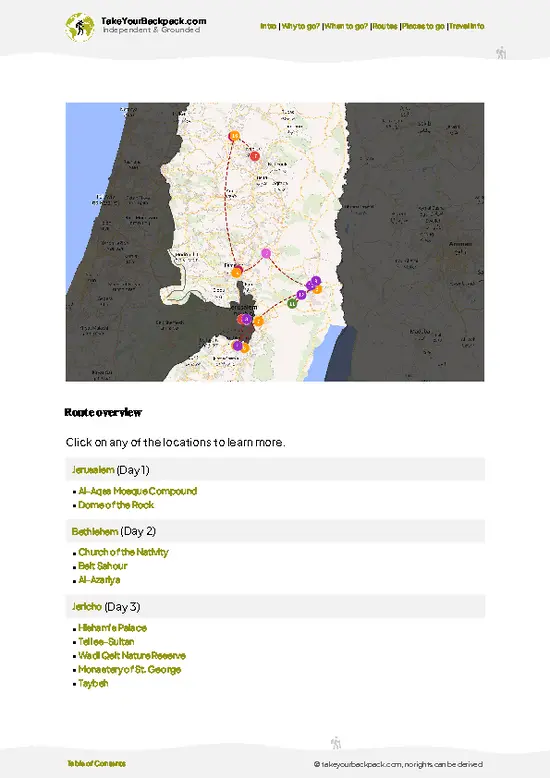
- The Separation Barrier around Qalqilya — Not a sightseeing cliché: this is the feature that shapes daily life here. Walkable stretches, gates, murals and watchtowers give a powerful, on-the-ground sense of the politics and resilience of the town. Bring a local guide or ask permission before photographing people.
- Old City souq (market) — Narrow streets lined with spice shops, bakeries, produce stalls and tiny cafés. Best place to sample local falafel, watch hand-to-hand bargaining and feel the pulse of Qalqilya away
- Qalqilya Zoo — A tiny, surprisingly green zoo that’s one of the few in the West Bank; good for a relaxed hour or two, photos, and seeing local families out on the weekend. It also tells a story about the city’s attempts to carve out public space despite difficult surroundings.
- The Separation Barrier around Qalqilya — Not a sightseeing cliché: this is the feature that shapes daily life here. Walkable stretches, gates, murals and watchtowers give a powerful, on-the-ground sense of the politics and resilience of the town. Bring a local guide or ask permission before photographing people.
- Old City souq (market) — Narrow streets lined with spice shops, bakeries, produce stalls and tiny cafés. Best place to sample local falafel, watch hand-to-hand bargaining and feel the pulse of Qalqilya away from official narratives.
- Qalqilya Municipal Park / Public Garden — The town’s main green lung where families picnic, kids run, and you can sit with a tea and people-watch. Simple, local life happens here and it’s a good spot to chat with residents.
- Local cultural center / community arts spaces — Small venues that host exhibitions, plays and music nights; excellent for catching grassroots arts, workshops, and events that reflect the city’s creative side. Check the bulletin boards for what’s on when you’re there.
- Women’s cooperative & handicraft stalls — Small-scale cooperatives (look for embroidered goods, olive-oil products and handmade soap) where purchases directly support local families. Visiting is both a cultural experience and a practical way to spend money locally.
- Historic alleys and Ottoman-era houses — Wander the quieter lanes off the main souq to see old stone houses, carved doorways and everyday architecture that give texture to Qalqilya’s past. Not flashy, but rewarding for slow walkers and photographers.
- Main mosque and Friday assembly — The town’s principal mosque is worth visiting (observe local etiquette) to experience communal rhythms, hear calls to prayer, and see how religion and daily life intersect here.
- Corner bakeries and coffeehouses — Don’t underestimate the cultural value of a tiny bakery making taboon bread or a corner kahwa where men play backgammon. These places are where stories are swapped and local recommendations are born.
- Urban olive groves and seasonal olive-press visits — Within the town’s edges you’ll find olive trees and small presses that, in season, offer a hands-on look at harvest and traditional pressing. Timing matters—visit in autumn for the most meaningful experience.
Spotted a mistake or missing something? Contact us.

 Best Backpacking
.jpg) Hi, I’m Johan (Netherlands 🇳🇱), the creator of TakeYourBackpack. Over the past 3 decades, I’ve backpacked through 90+ countries across six continents, gaining extensive experience with independent travel, long-term trips, and overland routes.
Hi, I’m Johan (Netherlands 🇳🇱), the creator of TakeYourBackpack. Over the past 3 decades, I’ve backpacked through 90+ countries across six continents, gaining extensive experience with independent travel, long-term trips, and overland routes.