×

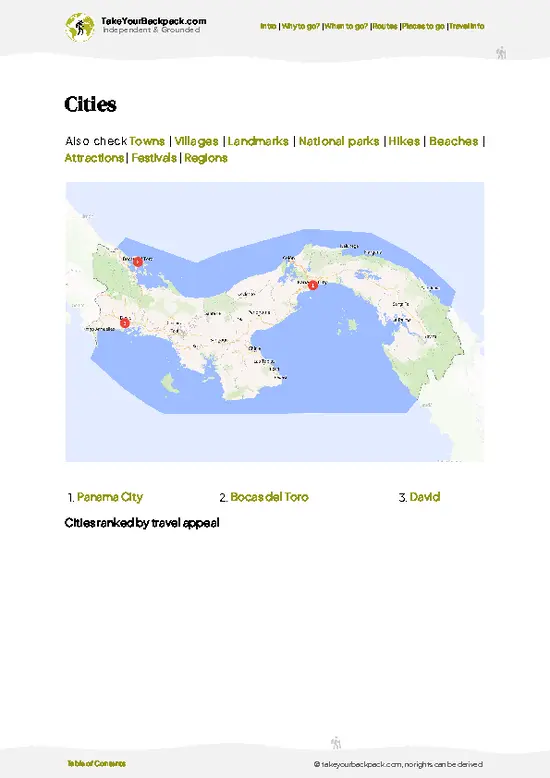
Panama🇵🇦 | citiesDavidBus connections, Parque Cervantes, farmers’ market, Ngäbe-Buglé crafts | things to do and best time to go

Explore Panama CityExplore Boquete Flower and Coffee Festival

Backpacking in David
👌 Worth visitingcity ranked #3
By Johan Kruseman 🇳🇱 | Updated October 22, 2026

Most people come to David because every road to Boquete, Volcán Barú and the Costa Rican border runs through it. What gets overlooked is that this is a working Panamanian city of roughly 150,000 people, not a tourist town, and that is why it rewards a half day. It sits in the west of Panama, in the Chiriquí lowlands. The sights are modest, so skip any plan to build days around them, and spend your time on markets, cheap lunches and the evening plaza. The lowland location explains the prices: locals, not visitors, set demand. At the Mercado Público I paid about US$4 for stewed beef, rice and beans, and the plate fed me until dinner. A good first day is a market breakfast, a slow loop of the old center, a long lunch, then a late bus up the mountain.

Discover everything you want to know in the 📖 Panama Travel Guide.


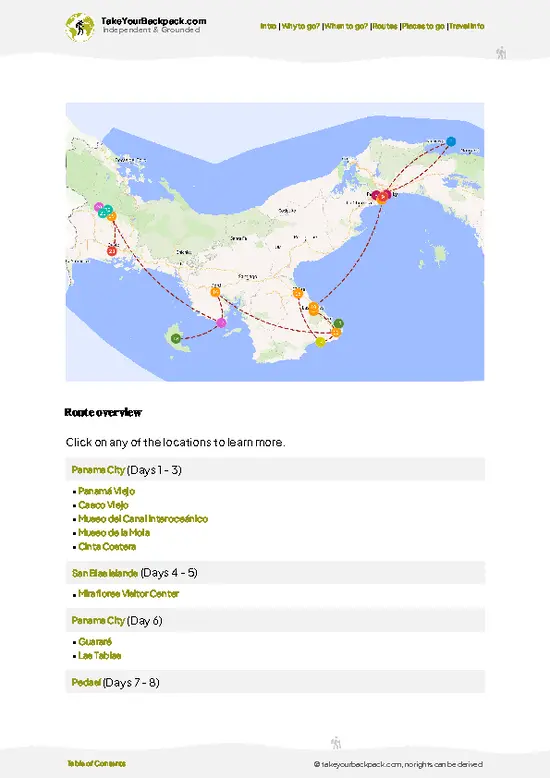
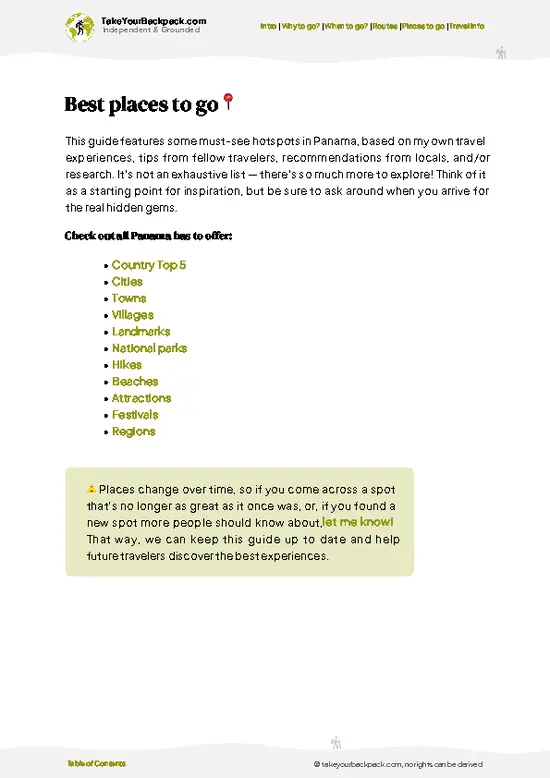
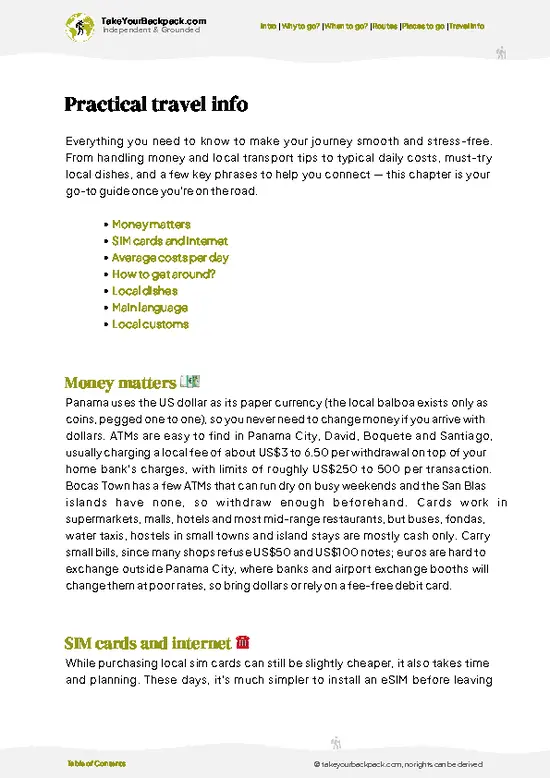
example page 0 from our offline Travel Guide for Panama
example page 1 from our offline Travel Guide for Panama
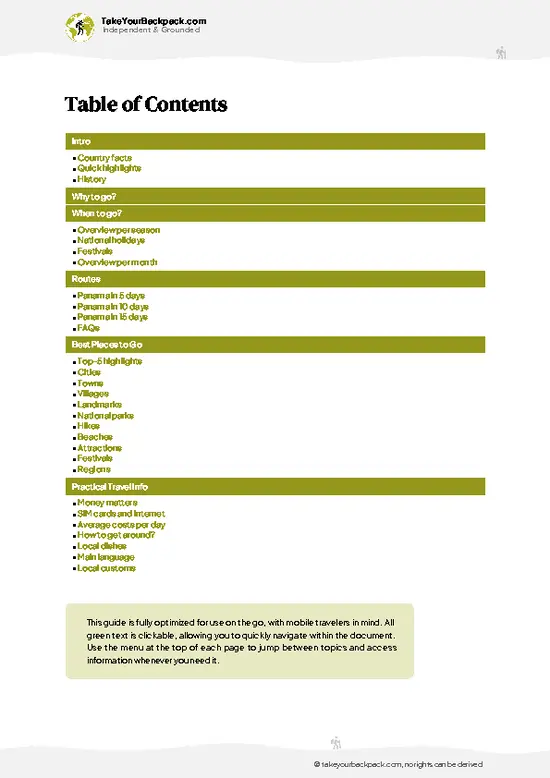
example page 2 from our offline Travel Guide for Panama
example page 3 from our offline Travel Guide for Panama
example page 4 from our offline Travel Guide for Panama
example page 5 from our offline Travel Guide for Panama
example page 6 from our offline Travel Guide for Panama
example page 7 from our offline Travel Guide for Panama
Loading the map 🌍
CLICK TO FILTER
cities
towns
villages
landmarks
national parks
hikes
beaches
attractions
festivals
regions
SHOW COUNTRY’S BESTSHOW ALL

✨ Why go?
Ranked #3 city in Panama
Reasons people choose to visit here

David earns its place on a Panama route as the western hinge. It has the region's biggest bus terminal, so you can reach the highlands, the Caribbean islands and Costa Rica from one place, with departures running from early morning into the evening. The city also has what small mountain towns lack: ATMs that work, full-size supermarkets and hardware stores, laundries, pharmacies and a real hospital. That makes it the sensible place to resupply before a hike. Eating is the second draw. Fonda-style counters and the Mercado Público serve Chiricano food at local prices, and the evening crowd around the main plaza is mostly residents. Sightseeing is thin, and the heat can be heavy by midday. Treat David as a one-night stop: arrive, restock, eat well, sleep in an air-conditioned room, and leave early the next day for cooler air at altitude.

💡 HighlightsTop highlights of David

  1. Parque Cervantes: The main plaza is where David actually meets, with shaded benches, shoeshiners, ice cream carts and families after dark. Go after 5 PM when the heat drops. Free, 30 to 60 minutes.
  2. Iglesia San José de David: The colonial-rooted parish church on the plaza has a calm, cool interior that is useful when the sun is strong. Go in the morning, outside Mass. Free, 15 to 20 minutes.
  3. Museo de Historia y de Arte José de Obaldía: A small museum on local history, with pre-Columbian pieces, furniture and photographs that explain the province's cattle and farming past. Open weekdays, mornings are quietest. Around US$1, 45 minutes.
  4. Mercado Público de David: Fruit stacks, cheese, tamales, fresh juices and cheap set lunches. Go before 10 AM when stalls are fullest. Meals US$3 to 5, 1 hour.
  5. Torre
… read more 👉
  1. Parque Cervantes: The main plaza is where David actually meets, with shaded benches, shoeshiners, ice cream carts and families after dark. Go after 5 PM when the heat drops. Free, 30 to 60 minutes.
  2. Iglesia San José de David: The colonial-rooted parish church on the plaza has a calm, cool interior that is useful when the sun is strong. Go in the morning, outside Mass. Free, 15 to 20 minutes.
  3. Museo de Historia y de Arte José de Obaldía: A small museum on local history, with pre-Columbian pieces, furniture and photographs that explain the province's cattle and farming past. Open weekdays, mornings are quietest. Around US$1, 45 minutes.
  4. Mercado Público de David: Fruit stacks, cheese, tamales, fresh juices and cheap set lunches. Go before 10 AM when stalls are fullest. Meals US$3 to 5, 1 hour.
  5. Torre Campanario: A historic bell tower, a short walk from the plaza, once used as a lookout and refuge against raids. It is brief but gives a sense of the colonial town. Daytime for photos. Free from outside, 15 minutes.
  6. Feria Internacional de David: A March fair with cattle shows, concerts, agricultural stands and street food, packed in the evenings. Entry is about US$3 to 5, 2 to 4 hours.
Start with Parque Cervantes in the late afternoon, because the plaza and church are next to each other and show you the city's rhythm in one stroll. Day trips from David include Boquete's coffee farms, the trails of Volcán Barú National Park, the black-sand beaches of Las Lajas and Playa Barqueta, and the Caldera hot springs.
Spotted a mistake or missing something? Contact us.

Things to do near David

Ratings based on Tripadvisor reviews. When you book through this link, you support our work at no extra cost to you.

🏘️ NeighborhoodsNeighborhood guide to David

David is a flat, spread-out city of Chiriquí province where the useful parts sit within a few kilometers of each other, and the heat decides how much you will want to walk between them.
  • Casco Viejo / Parque Cervantes area: The central plaza and its surrounding grid hold the cathedral, banks, pharmacies, cheap lunch counters and the old Chiriquí-style streets. Worth your time because everything practical is within 10 minutes on foot. Evenings are quiet, with families and shoeshine stands rather than nightlife.
  • Avenida Bolívar and the Central Market: A short walk east of the plaza, this is where locals shop. Come for fruit, empanadas, fried yuca and fresh juices at a fraction of tourist prices. It is loud and crowded by midmorning, so go early.
  • Avenida Obaldía and Calle Central: The main commercial
… read more 👉
David is a flat, spread-out city of Chiriquí province where the useful parts sit within a few kilometers of each other, and the heat decides how much you will want to walk between them.
  • Casco Viejo / Parque Cervantes area: The central plaza and its surrounding grid hold the cathedral, banks, pharmacies, cheap lunch counters and the old Chiriquí-style streets. Worth your time because everything practical is within 10 minutes on foot. Evenings are quiet, with families and shoeshine stands rather than nightlife.
  • Avenida Bolívar and the Central Market: A short walk east of the plaza, this is where locals shop. Come for fruit, empanadas, fried yuca and fresh juices at a fraction of tourist prices. It is loud and crowded by midmorning, so go early.
  • Avenida Obaldía and Calle Central: The main commercial strip, with cell shops, ATMs and the bus connections around it. Useful, not pretty. Do your errands here and move on.
  • Chiriquí Mall and the Pan-American Highway corridor: Malls, supermarkets and chain restaurants line the highway. The air conditioning and the supermarkets are handy for stocking up, but it is car-oriented and hot to walk. Take a taxi and skip it for sightseeing.
  • Barrio Bolívar and the university area: Student bars and casual grills give the closest thing to nightlife in David. It is spread out, so plan on short taxi rides after dark.

⌛️ 1 dayA smart one-day plan

7:30 AM, Mercado Público: Start with a coffee and a fried empanada or a plate of eggs and hojaldras among the market stalls. It is cheap, loud and the most direct way to see how Chiricanos shop. Walk about ten minutes to the plaza afterward.
9:00 AM, Parque Cervantes and Iglesia San José: The plaza is quiet and shaded in the morning, so sit for a while and watch the city begin its day. Step into the church next door for its cool interior before the heat climbs.
10:30 AM, Museo de Historia y de Arte José de Obaldía: A short walk away, this compact museum gives you the story of Chiriquí through artifacts and photos in under an hour, which is all it needs.
12:30 PM, Lunch at a local fonda: Pick a counter busy with office workers and order the set plate of the day. Eating where the crowd is guarantees … read more 👉
7:30 AM, Mercado Público: Start with a coffee and a fried empanada or a plate of eggs and hojaldras among the market stalls. It is cheap, loud and the most direct way to see how Chiricanos shop. Walk about ten minutes to the plaza afterward.
9:00 AM, Parque Cervantes and Iglesia San José: The plaza is quiet and shaded in the morning, so sit for a while and watch the city begin its day. Step into the church next door for its cool interior before the heat climbs.
10:30 AM, Museo de Historia y de Arte José de Obaldía: A short walk away, this compact museum gives you the story of Chiriquí through artifacts and photos in under an hour, which is all it needs.
12:30 PM, Lunch at a local fonda: Pick a counter busy with office workers and order the set plate of the day. Eating where the crowd is guarantees freshness and keeps the cost low. Rest afterward in the hottest hours.

5:30 PM, Torre Campanario: Visit the bell tower as the light softens, then walk back toward the center for the evening scene.
7:00 PM, Parque Cervantes: Return to the plaza for ice cream or a street snack among families and teenagers. End the night here, then head to the terminal in the morning.

🌤️ When to go?Choosing the right time of year

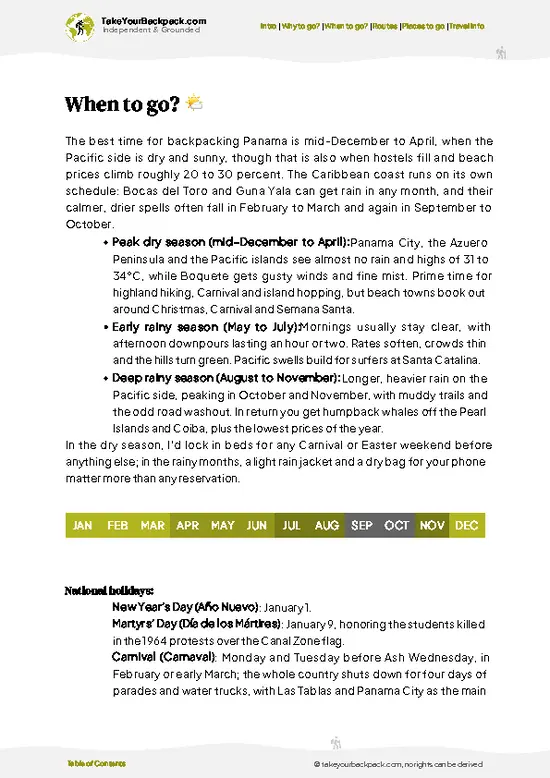
The drier months from December to April are the easiest time for David, with mornings of 22 to 24°C (72 to 75°F) and afternoons of 32 to 34°C (90 to 93°F).
  • Dry Season (December to April): Skies stay bright for most of the day, which suits the highland hikes around Boquete and Volcán. Prices for lodging in the mountains rise and Panamanian holiday weekends fill buses.
  • Green Season (May to November): Rain arrives most afternoons, often hard for an hour or two, and mornings stay usable. Temperatures are similar, but humidity makes the heat feel heavier. Rooms are cheaper, trails are quieter and the hills turn lush. September and October are the wettest.
  • Daylight: Days run close to 12 hours all year, so plan outdoor trips for the morning.
  • Festival Time (March): The Feria Internacional de David in
… read more 👉
The drier months from December to April are the easiest time for David, with mornings of 22 to 24°C (72 to 75°F) and afternoons of 32 to 34°C (90 to 93°F).
  • Dry Season (December to April): Skies stay bright for most of the day, which suits the highland hikes around Boquete and Volcán. Prices for lodging in the mountains rise and Panamanian holiday weekends fill buses.
  • Green Season (May to November): Rain arrives most afternoons, often hard for an hour or two, and mornings stay usable. Temperatures are similar, but humidity makes the heat feel heavier. Rooms are cheaper, trails are quieter and the hills turn lush. September and October are the wettest.
  • Daylight: Days run close to 12 hours all year, so plan outdoor trips for the morning.
  • Festival Time (March): The Feria Internacional de David in March brings crowds, concerts and higher room rates.
Book a bed ahead if your dates touch the March fair.


source: climatestotravel.comJANJanuary: excellent for travelingFEBFebruary: excellent for travelingMARMarch: excellent for travelingAPRApril: highly recommended for travelingMAYMay: good for travelingJUNJune: fair for travelingJULJuly: fair for travelingAUGAugust: fair for travelingSEPSeptember: fair for travelingOCTOctober: fair for travelingNOVNovember: good for travelingDECDecember: highly recommended for traveling
when-to-go

✈️ The backpacker research shortcutPanama Travel Guide

An offline-friendly backpacking guide with optimized travel routes, ranked highlights, transport advice, and the best areas to stay.
example page 0 from our offline Travel Guide for Panama
example page 1 from our offline Travel Guide for Panama
example page 2 from our offline Travel Guide for Panama
example page 3 from our offline Travel Guide for Panama
example page 4 from our offline Travel Guide for Panama
example page 5 from our offline Travel Guide for Panama
example page 6 from our offline Travel Guide for Panama
example page 7 from our offline Travel Guide for Panama
The digital guide (272 pages) contains:
✅ 89 highlights, ranked by travel appeal
✅ Optimized 5, 10 & 15-day travel routes
✅ Cities, national parks, landmarks, beaches
✅ How to get around
✅ Offline-friendly for travel without Wi-Fi
👉 Click to see all 30+ guide features

📅 Plan smarter in minutes, not weeks
✅ Month by month travel advice
✅ Festivals & national holidays
✅ Budget expectations

🗺️ Go to the right places, skip the overrated ones
✅ Honest pros & cons of destinations
✅ Top hikes, parks & viewpoints
✅ Lesser-known places most travelers miss
✅ Clear “worth it vs skip it” guidance

🛏️ Travel smoothly without rookie mistakes
✅ Best areas to stay
✅ Transport systems explained simply
✅ Common scams & safety advice
✅ SIM cards, money & practical tips

🌍 Understand the country, not just visit it
✅ Culture & traditions
✅ 52 Essential phrases & customs
✅ Festivals worth planning around
✅ Traveler-friendly historical context
✅ Insights that make places more meaningful

📱 Built for real travel conditions
✅ Fully downloadable PDF
✅ Works completely offline
✅ Optimized for phone use
✅ Useful in remote areas & buses
✅ Everything in one place
Stop searching, start planning
Get instant access to your full guide. 30‑day money-back guarantee.
+ Add another guide for just

By proceeding you agree to our terms.
Sent to your inbox immediately after payment • 100% Secure Checkout
Best Backpacking Travel Advisor 2025 tourism awardBest Backpacking
Travel Advisor
2025
What others say about Take Your Backpack Guides:
⭐⭐⭐⭐⭐
Fantastic, amazing amount of information!
⭐⭐⭐⭐⭐
My goodness this is amazing, it's what I've been looking for hats off too you!
⭐⭐⭐⭐⭐
I think this is absolutely BRILLIANT
⭐⭐⭐⭐
Very complete and informative. It's still missing places, but I gotta to commend you
⭐⭐⭐⭐⭐
This is truly amazing, thank you, can't wait to explore it with my kids!
⭐⭐⭐⭐⭐
Awesome resource, thank you!
⭐⭐⭐⭐⭐
This is amazing! Can't wait to explore the ones I haven't seen
⭐⭐⭐⭐
I love this! Well done, great idea.
⭐⭐⭐⭐⭐
Thanks for taking the time to make this gem!
⭐⭐⭐⭐⭐
This might be the best website I've ever seen.
⭐⭐⭐⭐⭐
Congratulations, and thank you so much for your work; it's incredibly valuable.
⭐⭐⭐⭐
In all seriousness I think you did a great job pointing out the important spots
⭐⭐⭐⭐⭐
10/10 very good
⭐⭐⭐⭐⭐
As someone who's only just starting to visit regularly this is awesome, thank you.
⭐⭐⭐⭐
Thank you very much! I'm going to visit my dad, it's going to be very useful!
⭐⭐⭐⭐⭐
This is really cool! We'll be travelling for the first time and this definitely come in handy.
⭐⭐⭐⭐⭐
You are now our minister of culture, congratulations 👨‍💼
⭐⭐⭐⭐⭐
Just wanted to tell you that this is a pearl! Going to follow your recommendations.
⭐⭐⭐⭐⭐
This is so cool. I'll definitely be using the resource for my travels soon.
⭐⭐⭐⭐⭐
This is very impressive! Good work.
⭐⭐⭐⭐⭐
This is an amazing and informative site. Very well done!

🛏️ Where to stay?Choosing the right base

The streets within a few blocks of Parque Cervantes are the best place to sleep in David on a budget. Cheap private rooms and a handful of simple hostels cluster here, the market and bus stops are walkable, and the area stays calm after dark because it is residential and commercial rather than nightlife-driven. Expect dorm beds and basic rooms with fan or air conditioning at modest prices, and the noise is mostly early traffic and deliveries.

The second option is the area closer to the bus terminal. It suits early departures for Boquete, the border or Panama City, and rooms tend to be among the … read more 👉
The streets within a few blocks of Parque Cervantes are the best place to sleep in David on a budget. Cheap private rooms and a handful of simple hostels cluster here, the market and bus stops are walkable, and the area stays calm after dark because it is residential and commercial rather than nightlife-driven. Expect dorm beds and basic rooms with fan or air conditioning at modest prices, and the noise is mostly early traffic and deliveries.

The second option is the area closer to the bus terminal. It suits early departures for Boquete, the border or Panama City, and rooms tend to be among the cheapest in town. The trade-off is that the surroundings are plain and the walk into the center is long in the heat, so you will rely on taxis in the evening.

David has fewer true hostels than Boquete, so many backpackers treat it as a transit night and sleep in the mountains instead. If you do stay, pick air conditioning in the hotter months, check that hot water works, and arrive before dark when you are carrying a big pack.

🚌 Getting aroundHow to get from A to B

David’s central grid is flat and walkable, and you can cover the plaza, market and most budget food in 10 to 15 minutes on foot. Walking stops making sense once you head toward the highway malls, the airport or the bus terminal, where distances and the heat make a taxi the better call. Public transport is cheap and frequent, though not always tidy to decipher.
  • Walking: Free and the best way to see the center. Do it before 10 am or after 4 pm, because midday sun is punishing and shade is thin.
  • Taxis: Ubiquitous and the simplest option for the terminal, airport or malls. Most rides within town cost US$1.50 to 4 per person, and drivers often add passengers heading the same way. Agree on the fare before you get in, since few use meters.
  • Local buses: Small city buses and minibuses run along the main
… read more 👉
David’s central grid is flat and walkable, and you can cover the plaza, market and most budget food in 10 to 15 minutes on foot. Walking stops making sense once you head toward the highway malls, the airport or the bus terminal, where distances and the heat make a taxi the better call. Public transport is cheap and frequent, though not always tidy to decipher.
  • Walking: Free and the best way to see the center. Do it before 10 am or after 4 pm, because midday sun is punishing and shade is thin.
  • Taxis: Ubiquitous and the simplest option for the terminal, airport or malls. Most rides within town cost US$1.50 to 4 per person, and drivers often add passengers heading the same way. Agree on the fare before you get in, since few use meters.
  • Local buses: Small city buses and minibuses run along the main avenues for about US$0.35 to 0.60. They are worth using only on routes you know, because stops are unmarked and destinations appear on a windshield sign.
  • Regional buses: The main terminal, a few minutes by taxi from the center, serves Boquete (about 45 minutes, US$2 to 3), Volcán, Puerto Armuelles, the Costa Rica border at Paso Canoas (about 1 to 1.5 hours, US$2 to 3) and Panama City (7 to 8 hours, US$20 to 30 on overnight and daytime coaches). Departures start around dawn and thin out in the evening, so travel in the morning when possible.
  • Rental car: Worth considering only if you plan to chain several mountain or coast stops in one day. Expect around US$30 to 50 per day, plus fuel. For a single trip, buses are cheaper and easier.

👛 Costs (as of 22 October 2026)Typical daily expenses

David costs about US$37 a day for a backpacker on a tight but comfortable budget, with dorms and street food keeping totals low.
CategoryBudget RangeLocal Reality
Dorm bed (high season)US$12 to 18Few true hostels, so a basic private room can cost only a little more
Dorm bed (off-season)US$9 to 14Discounts are easy to ask for from May to November
MealsUS$10 to 16Set lunches cost US$3 to 5, empanadas about US$1
Local transportUS$2 to 5City buses cost US$0.35 to 0.60, taxis US$1.50 to 4
City transport passNot availablePay per ride in cash
Basic activities/entry feesUS$3 to 8Most of the center is free, tours are extra
MiscellaneousUS$3 to 6Water, snacks, SIM top-ups and laundry
Total Daily BudgetUS$37Per person, per day, in high season.
Eat your main meal at lunchtime, when set menus cost about half what dinner does.
⚠️ Prices can change and everyone travels differently, so take this as a rough guide. Hope it helps you plan your adventure!

🚌 Day tripsExploring the surroundings

David works well as a base because mountains, coast and the Costa Rican border are all within a couple of hours, and buses leave from one terminal.
Boquete:
The cool highland town is the standard escape from the heat, with coffee farms, waterfall walks and the lower trails of Volcán Barú. Buses take about 45 minutes to 1 hour and cost US$2 to 3 each way. A coffee tour is US$30 to 50, so a full day runs around US$40 to 70. Go in the morning, as afternoon cloud and rain arrive early. First-timers often arrive with no cash, so bring some.
👉 Explore Boquete
Playa Barqueta:
A wide dark-sand beach about an hour from David by taxi or bus plus a short ride, reached through farmland. It is far quieter than Panama’s tourist beaches and suits a lazy day of swimming and walking. Budget US$15 to 30 including … read more 👉
David works well as a base because mountains, coast and the Costa Rican border are all within a couple of hours, and buses leave from one terminal.
Boquete:
The cool highland town is the standard escape from the heat, with coffee farms, waterfall walks and the lower trails of Volcán Barú. Buses take about 45 minutes to 1 hour and cost US$2 to 3 each way. A coffee tour is US$30 to 50, so a full day runs around US$40 to 70. Go in the morning, as afternoon cloud and rain arrive early. First-timers often arrive with no cash, so bring some.
👉 Explore Boquete
Playa Barqueta:
A wide dark-sand beach about an hour from David by taxi or bus plus a short ride, reached through farmland. It is far quieter than Panama’s tourist beaches and suits a lazy day of swimming and walking. Budget US$15 to 30 including transport. Check the tide and currents before swimming, and bring your own food and water.

Volcán:
The road to Volcán, about 1.5 hours away, climbs into the cooler hills with farms, hot springs and the Sendero de los Quetzales trailheads nearby. Buses cost around US$3 to 4 each way. Start early to avoid afternoon rain, and plan a total of US$20 to 45 for the day.
👉 Explore Volcán
Gulf of Chiriquí Islands:
Boats leave from Boca Chica, about 1.5 hours away, for snorkeling and beach stops. Expect US$50 to 90 for a shared tour including transport. Calm seas are most likely in the drier months.

🍲 FoodLocal Flavors for Backpackers

Food in David reflects cattle country and the nearby highlands, so expect beef, cheese and corn to show up often. Look for carimañolas and empanadas frying at the market and plaza stalls, along with bollos and tamales wrapped in leaves. Chiriquí is known for its highland coffee, so a cup from a local café is a better buy here than almost anywhere else in Panama. Order chicheme, a sweet, cinnamon-scented drink of corn and milk, and fresh fruit juices blended at stalls for about US$1 to 2. For a full meal, the cheap lunch counters near the center serve plato del día with rice, beans, meat and salad for around US$3 to 5. The Central Market is best in the morning for fruit, cheese and cheap breakfasts. Evenings lean toward grills and open-air spots near the university, where a local Panama beer … read more 👉
Food in David reflects cattle country and the nearby highlands, so expect beef, cheese and corn to show up often. Look for carimañolas and empanadas frying at the market and plaza stalls, along with bollos and tamales wrapped in leaves. Chiriquí is known for its highland coffee, so a cup from a local café is a better buy here than almost anywhere else in Panama. Order chicheme, a sweet, cinnamon-scented drink of corn and milk, and fresh fruit juices blended at stalls for about US$1 to 2. For a full meal, the cheap lunch counters near the center serve plato del día with rice, beans, meat and salad for around US$3 to 5. The Central Market is best in the morning for fruit, cheese and cheap breakfasts. Evenings lean toward grills and open-air spots near the university, where a local Panama beer costs about US$1.50 to 2.50. Most places close earlier on Sundays.

🛡️ SafetySafety Tips and Common Scams in David

David is broadly safe for backpackers, and most problems are small. Petty theft, such as pickpocketing in the market, on crowded buses and around the terminal, is the main risk, so keep your phone and wallet in front pockets and your pack in sight. The center is fine during the day and calm in the evening, but the outer streets are poorly lit, so take a taxi rather than walk after dark, and women traveling alone should do the same. Agree on a taxi fare before you set off, since drivers occasionally inflate prices for visitors with big bags. Don’t leave belongings visible in parked cars. Tap water is generally treated, but many travelers stick to bottled water. Heat and sun are the everyday issue, so carry water and sunscreen. Solo travelers will find locals helpful and the pace relaxed.

FAQCommon questions from travelers

One to two days is enough for David itself, since the city is mainly a transit hub with a market, a plaza and a cathedral. Most travelers add two to three days for day trips to Boquete (about 45 minutes to 1 hour by bus, US$2 to 3), Volcán and the Pacific beaches. Staying one night before moving on to the mountains or the Costa Rica border at Paso Canoas is a common plan.
Yes, David is generally safe for solo backpackers, including women, if you use normal city sense. Petty theft at the market and bus terminal is the main concern, so keep valuables close. After dark, take a taxi (US$1.50 to 4) rather than walking through poorly lit outer streets. Agree on fares first.
David is known as the capital of Chiriquí province and Panama’s third-largest city, a commercial hub for cattle, sugar and highland farming. It is the gateway to Boquete, Volcán and the Costa Rica border at Paso Canoas, about 1 to 1.5 hours away. Its Feria Internacional de David in March is the biggest annual event, and the region’s coffee is a draw.
⚠️ Things can change over time, so always validate details locally before you go.

Other Panamanian cities near David

Explore more nearby:

  • Bocas del Toro—Stilt houses, water taxis, island hopping, reggae bars| 103 km away
  • Panama City—Casco Viejo, canal locks, skyline promenade, rainforest park| 325 km away

💡 Not sure where to go next?
Create a personalized itinerary for Panama including David and the places that fit your trip.

Generate my itinerary

👉 Discover all cities

Or checkout all Panama has to offer (think cities, towns, villages, national parks, hikes, beaches, festivals)
Country photo of Panama

We 💚 feedbackWhat to keep in mind

David works best in the early morning, before the lowland heat builds, and in the dry months when the March fair fills the evenings. I would arrive by midday, eat at the market, and take the afternoon bus up to Boquete, since the city itself rarely justifies more than one night.

✈️ When did I visit Panama?
Panama I visited during my half year trip through South and Central America back in 2003

✍️ Help improve this page!
The information on this page is based on my own backpacking experience in Panama, supplemented with up-to-date research and feedback from other travelers. Travel details can change, so if you notice anything outdated or incomplete, feel free to let me know.


🙋‍♂️ Give feedback

👋 Meet the founderWho’s Behind Take Your Backpack?

Johan, backpacker and founder of TakeYourBackpackHi, I’m Johan (Netherlands 🇳🇱), the creator of TakeYourBackpack. Over the past 3 decades, I’ve backpacked through 90+ countries across six continents, gaining extensive experience with independent travel, long-term trips, and overland routes.

This site is built on a combination of firsthand travel experience and carefully curated insights from other backpackers. Many guides are based on places I’ve personally visited, while others bring together tips, observations, and practical advice shared by trusted travelers I’ve met along the way.

The goal is to provide realistic, experience-driven guidance — not generic itineraries — so you can explore destinations with better context, clearer expectations, and more confidence.