×

Peru🇵🇪 | festivalsFestival de la VendimiaGrape stomping, bodega tastings, Afro-Peruvian cajón, pisco sours | things to do and best time to go

Explore Festival de la MarineraExplore Corpus Christi de Cusco

Backpacking in de la Vendimia
👌 Worth visitingfestival ranked #11
By Johan Kruseman 🇳🇱 | Updated October 20, 2026

Decades ago Festival de la Vendimia was a local harvest rite among family vineyards; today it is a packed week of parades, tastings and open-air concerts. It happens in Ica, in the desert south of Peru, a few kilometers from the Huacachina oasis, and peaks in March with the grape harvest. Expect pisco, folk and Afro-Peruvian music, locals in their best clothes and plenty of backpackers. Go if you love food, drink and crowds that dance. Skip it if you want quiet. I once bought a plastic cup of fresh pisco sour from a street stall for about US$2, and it beat any bar pour. Start your first day by touring a bodega, then walk to the parade route by late afternoon.

Discover everything you want to know in the 📖 Peru Travel Guide.


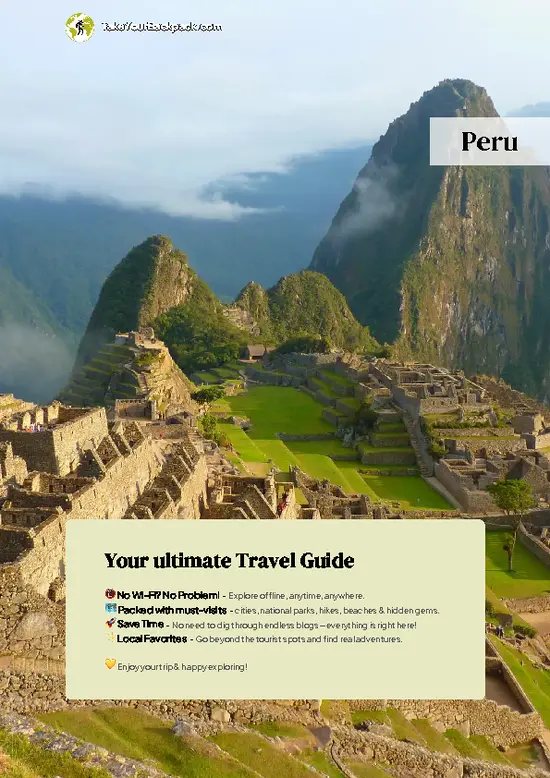
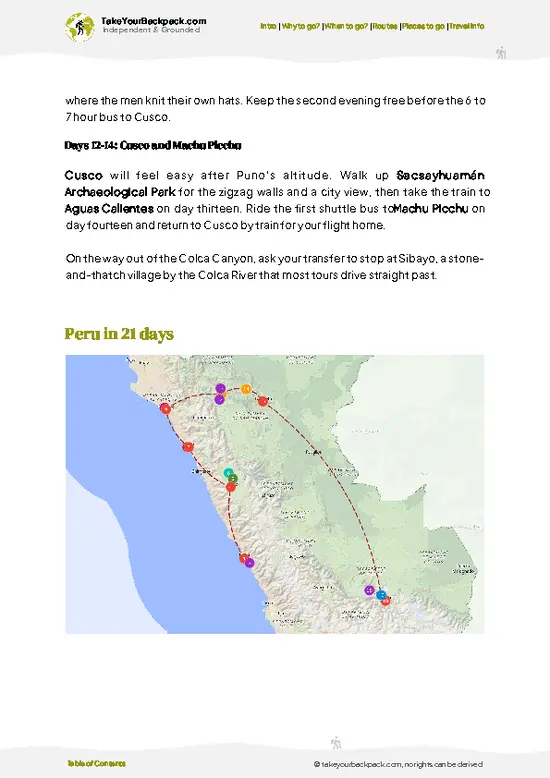
example page 0 from our offline Travel Guide for Peru
example page 1 from our offline Travel Guide for Peru
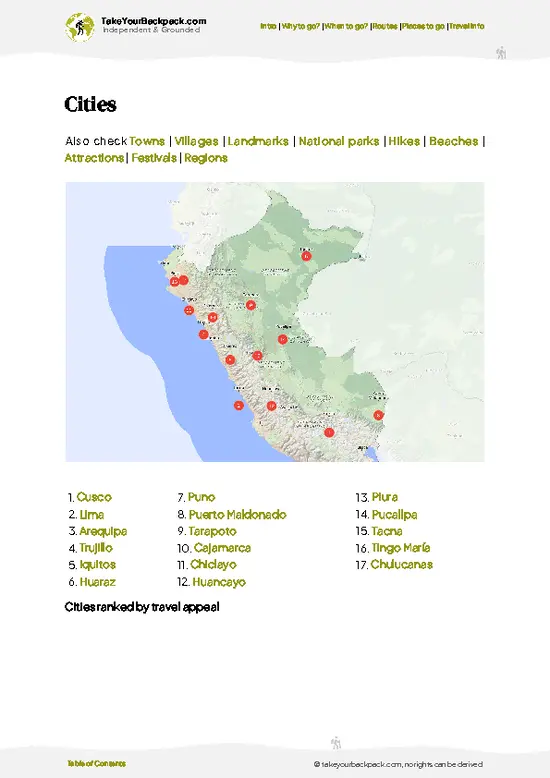
example page 2 from our offline Travel Guide for Peru
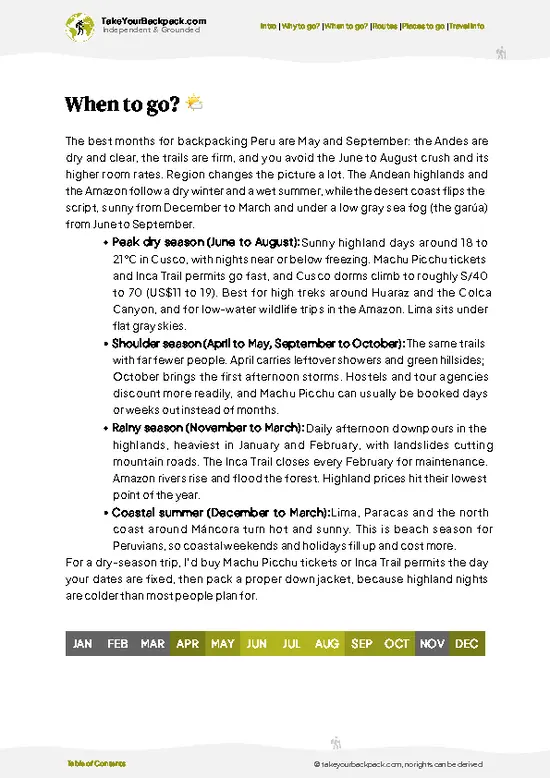
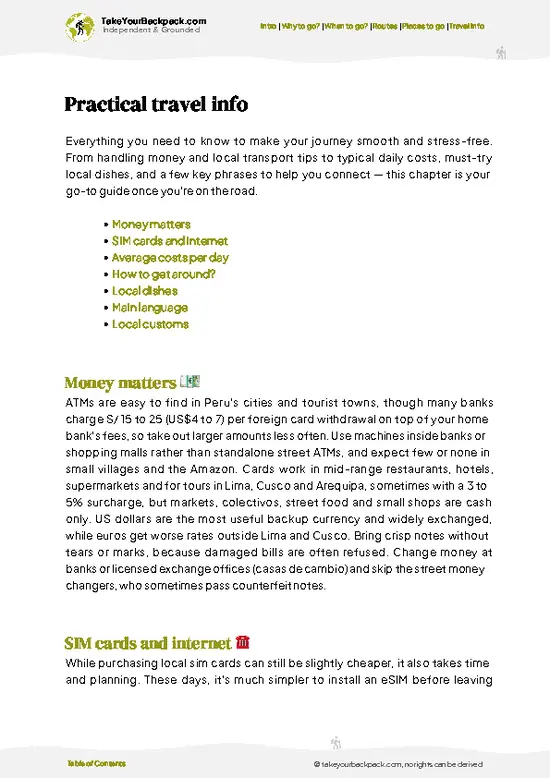
example page 3 from our offline Travel Guide for Peru
example page 4 from our offline Travel Guide for Peru
example page 5 from our offline Travel Guide for Peru
example page 6 from our offline Travel Guide for Peru
example page 7 from our offline Travel Guide for Peru
Loading the map 🌍
CLICK TO FILTER
cities
towns
villages
landmarks
national parks
hikes
beaches
attractions
festivals
regions
SHOW COUNTRY’S BESTSHOW ALL

✨ Why go?
Ranked #11 festival in Peru
What makes this festival worth celebrating

Festival de la Vendimia gives you a reason to stop in Ica instead of rushing through on the Lima to Cusco bus run. The draw is the Pisco Harvest Queen parade and the stomping of grapes, where locals and travelers end up in the same crowd with a drink in hand. Prices stay low next to big European wine festivals, with most tastings and street food cheap and concerts often free. Ica also sits beside Huacachina’s dunes, so you can pair a morning of sandboarding with an evening of dancing. The festival fits neatly between Paracas and Nazca on the southern coast, making it an easy add-on to any south Peru route.

💡 HighlightsWhat this place is best known for

  1. Grape stomping (pisada de uva): Barefoot participants crush grapes in wooden vats to drums and music, the festival’s signature scene and easy to join at some bodegas.
  2. Corso de la Vendimia parade: Floats, dancers and the festival queen move through Ica’s streets, with grape-covered displays and marching bands.
  3. Bodega tastings: Family wineries such as Tacama and Vista Alegre pour pisco and wine, and you can see the old clay vessels and stills used for making it.
  4. Afro-Peruvian music and dance: Ica’s Afro-Peruvian roots show in cajón drums, zapateo footwork and marinera performances staged across town.
  5. Pisco sour and street food stalls: Pick up tejas, a local caramel sweet filled with fruit, and chicharrón sandwiches while you sip a freshly shaken pisco sour.
Start with the bodega tastings, since they … read more 👉
  1. Grape stomping (pisada de uva): Barefoot participants crush grapes in wooden vats to drums and music, the festival’s signature scene and easy to join at some bodegas.
  2. Corso de la Vendimia parade: Floats, dancers and the festival queen move through Ica’s streets, with grape-covered displays and marching bands.
  3. Bodega tastings: Family wineries such as Tacama and Vista Alegre pour pisco and wine, and you can see the old clay vessels and stills used for making it.
  4. Afro-Peruvian music and dance: Ica’s Afro-Peruvian roots show in cajón drums, zapateo footwork and marinera performances staged across town.
  5. Pisco sour and street food stalls: Pick up tejas, a local caramel sweet filled with fruit, and chicharrón sandwiches while you sip a freshly shaken pisco sour.
Start with the bodega tastings, since they open earlier than the parade and give you the context to enjoy the rest.
Spotted a mistake or missing something? Contact us.

Things to do around Festival de la Vendimia

Ratings based on Tripadvisor reviews. When you book through this link, you support our work at no extra cost to you.

🌤️ When to go?When is the celebration of Festival de la Vendimia?

Festival de la Vendimia takes over Ica, in Peru’s southern desert, for about ten days in early to mid March, with the main parade and the crowning of the Reina de la Vendimia falling in the middle of the run, and the exact dates shift each year.
  • Best days: Go for the Festival de la Vendimia parade and the grape-stomping days, which fall midway, since weekdays are calmer but have fewer events.
  • Weather: Expect hot, dry days around 30 to 35°C (86 to 95°F), little rain and strong sun. Bring a hat, sunscreen and a refillable bottle.
  • Booking: Reserve beds and any seat at paid shows 3 to 4 weeks ahead, since rooms can cost 30 to 60 percent more on peak weekends.
  • Roads: Buses from Lima fill on Friday evenings, so leave Sunday before midday or after the evening rush.
Arrive on a Thursday to get a bed and see the first events before the weekend crowds.

source: climatestotravel.comJANJanuary: not recommended for travelingFEBFebruary: not recommended for travelingMARMarch: not recommended for travelingAPRApril: not recommended for travelingMAYMay: excellent for travelingJUNJune: not recommended for travelingJULJuly: not recommended for travelingAUGAugust: not recommended for travelingSEPSeptember: not recommended for travelingOCTOctober: not recommended for travelingNOVNovember: not recommended for travelingDECDecember: not recommended for traveling

✈️ The backpacker research shortcutPeru Travel Guide

An offline-friendly backpacking guide with optimized travel routes, ranked highlights, transport advice, and the best areas to stay.
example page 0 from our offline Travel Guide for Peru
example page 1 from our offline Travel Guide for Peru
example page 2 from our offline Travel Guide for Peru
example page 3 from our offline Travel Guide for Peru
example page 4 from our offline Travel Guide for Peru
example page 5 from our offline Travel Guide for Peru
example page 6 from our offline Travel Guide for Peru
example page 7 from our offline Travel Guide for Peru
The digital guide (310 pages) contains:
✅ 102 highlights, ranked by travel appeal
✅ Optimized 7, 14 & 21-day travel routes
✅ Cities, national parks, landmarks, beaches
✅ How to get around
✅ Offline-friendly for travel without Wi-Fi
👉 Click to see all 30+ guide features

📅 Plan smarter in minutes, not weeks
✅ Month by month travel advice
✅ Festivals & national holidays
✅ Budget expectations

🗺️ Go to the right places, skip the overrated ones
✅ Honest pros & cons of destinations
✅ Top hikes, parks & viewpoints
✅ Lesser-known places most travelers miss
✅ Clear “worth it vs skip it” guidance

🛏️ Travel smoothly without rookie mistakes
✅ Best areas to stay
✅ Transport systems explained simply
✅ Common scams & safety advice
✅ SIM cards, money & practical tips

🌍 Understand the country, not just visit it
✅ Culture & traditions
✅ 52 Essential phrases & customs
✅ Festivals worth planning around
✅ Traveler-friendly historical context
✅ Insights that make places more meaningful

📱 Built for real travel conditions
✅ Fully downloadable PDF
✅ Works completely offline
✅ Optimized for phone use
✅ Useful in remote areas & buses
✅ Everything in one place
Stop searching, start planning
Get instant access to your full guide. 30‑day money-back guarantee.
+ Add another guide for just

By proceeding you agree to our terms.
Sent to your inbox immediately after payment • 100% Secure Checkout
Best Backpacking Travel Advisor 2025 tourism awardBest Backpacking
Travel Advisor
2025
What others say about Take Your Backpack Guides:
⭐⭐⭐⭐⭐
Fantastic, amazing amount of information!
⭐⭐⭐⭐⭐
My goodness this is amazing, it's what I've been looking for hats off too you!
⭐⭐⭐⭐⭐
I think this is absolutely BRILLIANT
⭐⭐⭐⭐
Very complete and informative. It's still missing places, but I gotta to commend you
⭐⭐⭐⭐⭐
This is truly amazing, thank you, can't wait to explore it with my kids!
⭐⭐⭐⭐⭐
Awesome resource, thank you!
⭐⭐⭐⭐⭐
This is amazing! Can't wait to explore the ones I haven't seen
⭐⭐⭐⭐
I love this! Well done, great idea.
⭐⭐⭐⭐⭐
Thanks for taking the time to make this gem!
⭐⭐⭐⭐⭐
This might be the best website I've ever seen.
⭐⭐⭐⭐⭐
Congratulations, and thank you so much for your work; it's incredibly valuable.
⭐⭐⭐⭐
In all seriousness I think you did a great job pointing out the important spots
⭐⭐⭐⭐⭐
10/10 very good
⭐⭐⭐⭐⭐
As someone who's only just starting to visit regularly this is awesome, thank you.
⭐⭐⭐⭐
Thank you very much! I'm going to visit my dad, it's going to be very useful!
⭐⭐⭐⭐⭐
This is really cool! We'll be travelling for the first time and this definitely come in handy.
⭐⭐⭐⭐⭐
You are now our minister of culture, congratulations 👨‍💼
⭐⭐⭐⭐⭐
Just wanted to tell you that this is a pearl! Going to follow your recommendations.
⭐⭐⭐⭐⭐
This is so cool. I'll definitely be using the resource for my travels soon.
⭐⭐⭐⭐⭐
This is very impressive! Good work.
⭐⭐⭐⭐⭐
This is an amazing and informative site. Very well done!

🛏️ Where to stay?Best areas to stay in Peru

The best base for backpackers is central Ica, around the Plaza de Armas, where most festival events, buses and cheap eateries sit within a short walk. Streets here are lit and busy in the evening, and hostels and guesthouses draw solo travelers, so you will meet people to share taxis and parade spots with. Dorm beds run roughly US$8 to 15 in March and private rooms US$25 to 50, and both rise at festival peak.

Huacachina, a short taxi ride from town (about US$2 to 4), is the social option. This small lagoon village ringed by dunes has the liveliest hostel scene, with pools, bars and sandboarding. … read more 👉
The best base for backpackers is central Ica, around the Plaza de Armas, where most festival events, buses and cheap eateries sit within a short walk. Streets here are lit and busy in the evening, and hostels and guesthouses draw solo travelers, so you will meet people to share taxis and parade spots with. Dorm beds run roughly US$8 to 15 in March and private rooms US$25 to 50, and both rise at festival peak.

Huacachina, a short taxi ride from town (about US$2 to 4), is the social option. This small lagoon village ringed by dunes has the liveliest hostel scene, with pools, bars and sandboarding. It is noisy at night, so skip it if you want sleep before early events. Book well ahead, as it fills first.

For quieter, secure stays, look at the residential streets near Avenida Grau and the Cachiche road, where small guesthouses cost a little less. Avoid walking alone on dark outskirts after the parties finish, and take a taxi back late at night.

👛 Costs (as of 20 October 2026)Travel costs and budget guide for de la Vendimia

A realistic daily budget for Festival de la Vendimia is about US$62 per person at peak prices, with a dorm bed and street food.
CategoryBudget RangeLocal Reality
Festival ticketsUS$0 to 15The parade and street events are free, while concerts and some grape-stomping shows charge entry.
AccommodationUS$10 to 25Dorms in Ica or Huacachina cost more during the festival, and private rooms run higher.
Local transportUS$3 to 8Short taxis and mototaxis cost US$1 to 4, and buses from Lima take around 4 to 5 hours.
Food & drinksUS$12 to 25Set lunches cost US$3 to 5, and pisco tastings and festival stalls add up fast.
Miscellaneous expensesUS$5 to 10Sunscreen, water, tips and souvenir pisco or tejas.
Total Daily BudgetUS$62Based on high-season accommodation and moderate festival spending.


source: peru.travel
⚠️ Prices can change and everyone travels differently, so take this as a rough guide. Hope it helps you plan your adventure!

🍲 FoodLocal Cuisine & Drinks

Festival de la Vendimia is a chance to eat Ica’s cooking at its source. Stalls and fairgrounds serve tejas (sweet fruit and nut candies filled with manjar blanco), chicharrones in crusty bread, and carapulcra, a dried-potato stew with pork that is a regional signature. Try sopa seca alongside it for a hearty plate, with most meals costing US$3 to 8.

The drinks are the real draw. Ica makes pisco and wine, and stands pour tastings of pisco sour, sweet vino de uva and the local pisco puro. Look for chilcano too, a lighter pisco and ginger ale highball that handles the heat. Glasses and tastings usually cost US$1 to 4.

Bring cash in small notes, since most stalls do not take cards. Lines grow near the parade, so eat early or late. Portions are big, so share a plate with a new friend and try … read more 👉
Festival de la Vendimia is a chance to eat Ica’s cooking at its source. Stalls and fairgrounds serve tejas (sweet fruit and nut candies filled with manjar blanco), chicharrones in crusty bread, and carapulcra, a dried-potato stew with pork that is a regional signature. Try sopa seca alongside it for a hearty plate, with most meals costing US$3 to 8.

The drinks are the real draw. Ica makes pisco and wine, and stands pour tastings of pisco sour, sweet vino de uva and the local pisco puro. Look for chilcano too, a lighter pisco and ginger ale highball that handles the heat. Glasses and tastings usually cost US$1 to 4.

Bring cash in small notes, since most stalls do not take cards. Lines grow near the parade, so eat early or late. Portions are big, so share a plate with a new friend and try more. Pace the pisco in the afternoon sun and drink plenty of water.

FAQFrequently asked questions about de la Vendimia

Festival de la Vendimia takes place in Ica in early to mid March, usually over about ten days, with exact dates changing each year. The big parade and the crowning of the festival queen fall around the middle of the run. Ica is roughly 4 to 5 hours by bus from Lima, and Huacachina sits a few minutes away.
Attending Festival de la Vendimia costs around US$50 to 80 a day for a backpacker, including a dorm bed at US$10 to 25. Street events and the parade are free, while concerts and special shows may charge US$5 to 15. Meals at stalls usually cost US$3 to 8, and pisco tastings US$1 to 4.
Festival de la Vendimia does not require tickets for most of its street events, including the main parade and many tastings. Paid concerts and some organized shows sell tickets at the venue or from local vendors, usually US$5 to 15. What you should book ahead is your bed, ideally 3 to 4 weeks before, because Ica and Huacachina fill up and prices rise around the parade weekend.
⚠️ Things can change over time, so always validate details locally before you go.

Other Peruvian festivals near de la Vendimia

Explore more nearby:

  • Semana Santa de Ayacucho—Holy Sepulcher, flower carpets, Palm Sunday donkey, Easter dawn| 192 km away
  • Señor de los Milagros—Purple robes, silver litter, Nazarenas mural, turrón de Doña Pepa| 266 km away
  • Mistura—Ceviche counters, native potatoes, Amazonian fruits, chef stages| 267 km away

💡 Not sure where to go next?
Create a personalized itinerary for Peru including de la Vendimia and the places that fit your trip.

Generate my itinerary

👉 Discover all festivals

Or checkout all Peru has to offer (think cities, towns, villages, national parks, hikes, beaches, festivals)
Country photo of Peru

We 💚 feedbackSumming up the experience

Many travelers arrive for the parade and book no bed, then pay triple or sleep in Lima. I would reserve a room in Ica or Huacachina well ahead and pace the pisco, because the afternoon sun and strong pours catch people out. Eat before you taste.

✈️ When did I visit Peru?
Peru I visited during my half year trip through South and Central America back in 2003

✍️ Help improve this page!
The information on this page is based on my own backpacking experience in Peru, supplemented with up-to-date research and feedback from other travelers. Travel details can change, so if you notice anything outdated or incomplete, feel free to let me know.


🙋‍♂️ Give feedback

👋 Meet the founderWho’s Behind Take Your Backpack?

Johan, backpacker and founder of TakeYourBackpackHi, I’m Johan (Netherlands 🇳🇱), the creator of TakeYourBackpack. Over the past 3 decades, I’ve backpacked through 90+ countries across six continents, gaining extensive experience with independent travel, long-term trips, and overland routes.

This site is built on a combination of firsthand travel experience and carefully curated insights from other backpackers. Many guides are based on places I’ve personally visited, while others bring together tips, observations, and practical advice shared by trusted travelers I’ve met along the way.

The goal is to provide realistic, experience-driven guidance — not generic itineraries — so you can explore destinations with better context, clearer expectations, and more confidence.