v2.webp)
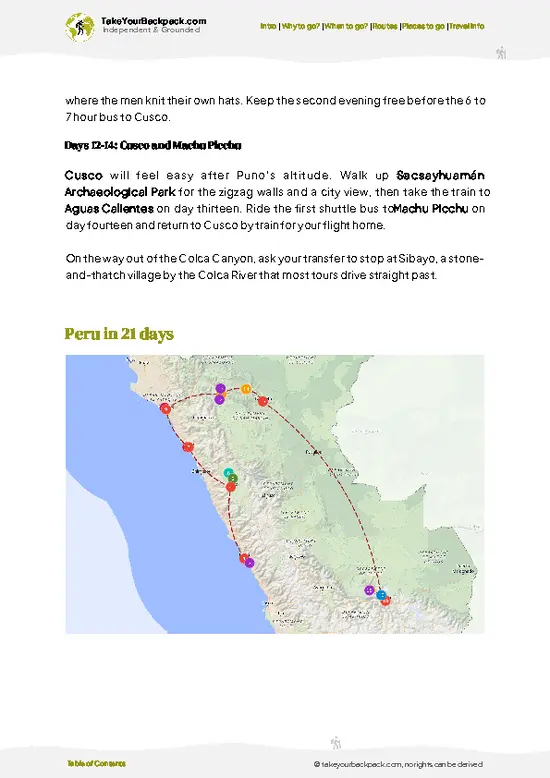
- Sea lion colonies: South American sea lions crowd the rocky shelves, bulls bellowing and pups scrambling over each other, close enough to hear and smell.
- Humboldt penguins: Small, stocky and often tucked into rock crevices, they are the highlight for many visitors, though you need sharp eyes to spot them.
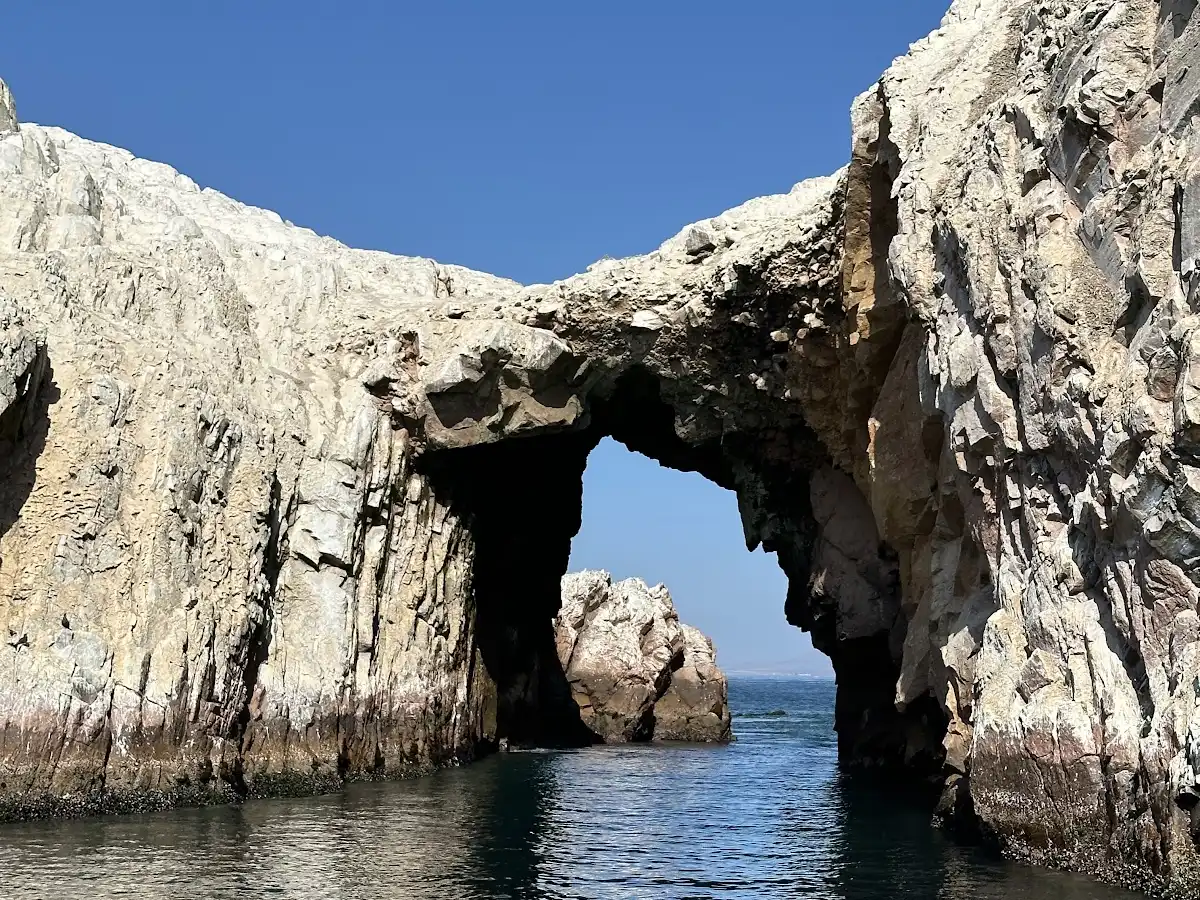
- Sea arches and caves: Boats slip beneath natural rock arches and into shadowy caverns where waves boom and the water turns deep green.
- Seabird cliffs: Peruvian boobies, Inca terns, cormorants and pelicans pack the ledges by the thousand, and the noise is constant.
- Guano deposits: The thick white layers on the rock are the old fertilizer that once drove a lucrative trade. Workers still harvest it periodically, which explains the smell.
- Candelabra geoglyph: On the way out, a huge figure with three-pronged
- Sea lion colonies: South American sea lions crowd the rocky shelves, bulls bellowing and pups scrambling over each other, close enough to hear and smell.
- Humboldt penguins: Small, stocky and often tucked into rock crevices, they are the highlight for many visitors, though you need sharp eyes to spot them.
- Sea arches and caves: Boats slip beneath natural rock arches and into shadowy caverns where waves boom and the water turns deep green.
- Seabird cliffs: Peruvian boobies, Inca terns, cormorants and pelicans pack the ledges by the thousand, and the noise is constant.
- Guano deposits: The thick white layers on the rock are the old fertilizer that once drove a lucrative trade. Workers still harvest it periodically, which explains the smell.
- Candelabra geoglyph: On the way out, a huge figure with three-pronged arms is etched into the Paracas hillside, roughly 180 meters tall and visible from far offshore.
- Dolphins and marine life: Bottlenose dolphins sometimes race alongside the boat, and sea turtles and other marine visitors occasionally show up.
Spotted a mistake or missing something? Contact us.

Dream tour: Full day in Paracas, Ica and La Huacachina

Ultimate Comfort: Lima to Huacachina, Ballestas and Vineyard

From Lima: Full Day Paracas - Huacachina

Full Day Lima Paracas & Adrenaline Tour in Huacachina

Full Day Ballestas Islands + Huacachina, the oasis of America + Ica Desert

Tour to Paracas and Huacachina in one day

2D/1N Private Tour: Ballestas, Paracas, Vineyard & Huacachina

Private 2-Day Huacachina, Ballestas & Nazca Tour from Lima

Paracas y Huacachina desde LIMA , Islas Ballestas y sandboarding

 Best Backpacking
.jpg) Hi, I’m Johan (Netherlands 🇳🇱), the creator of TakeYourBackpack. Over the past 3 decades, I’ve backpacked through 90+ countries across six continents, gaining extensive experience with independent travel, long-term trips, and overland routes.
Hi, I’m Johan (Netherlands 🇳🇱), the creator of TakeYourBackpack. Over the past 3 decades, I’ve backpacked through 90+ countries across six continents, gaining extensive experience with independent travel, long-term trips, and overland routes.