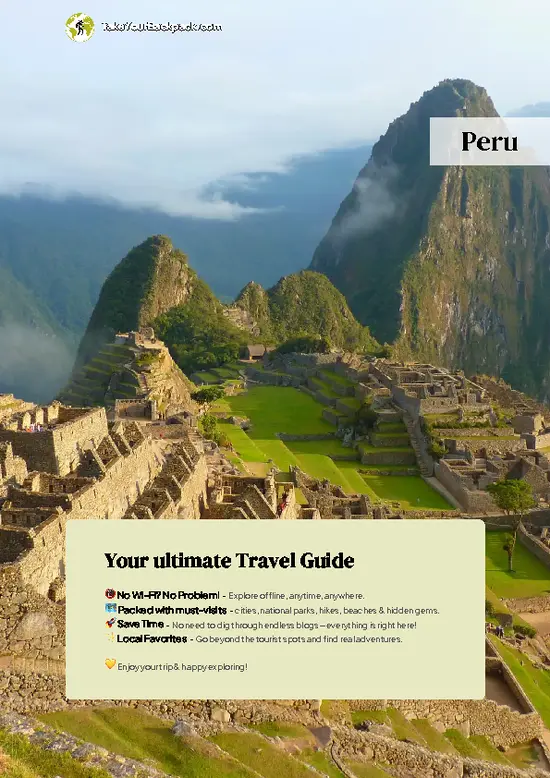
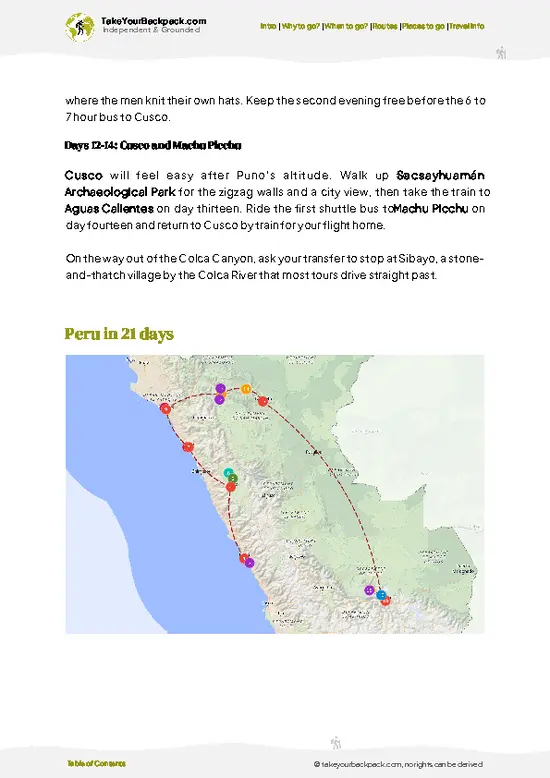
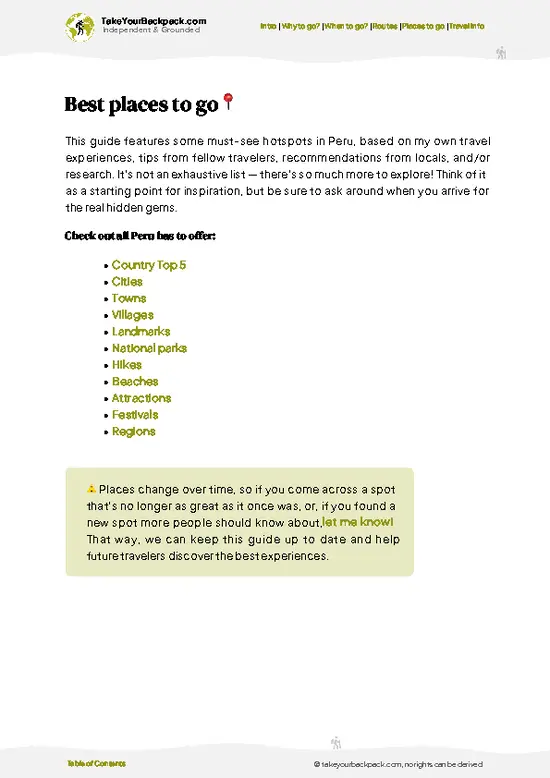
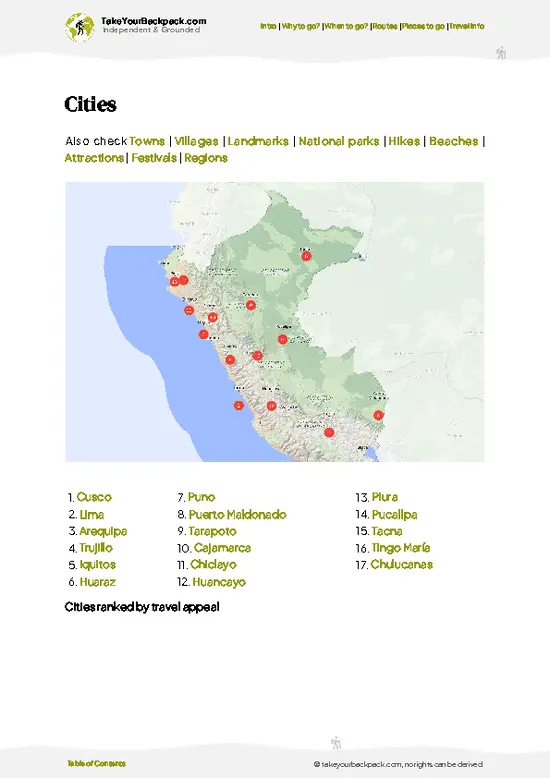
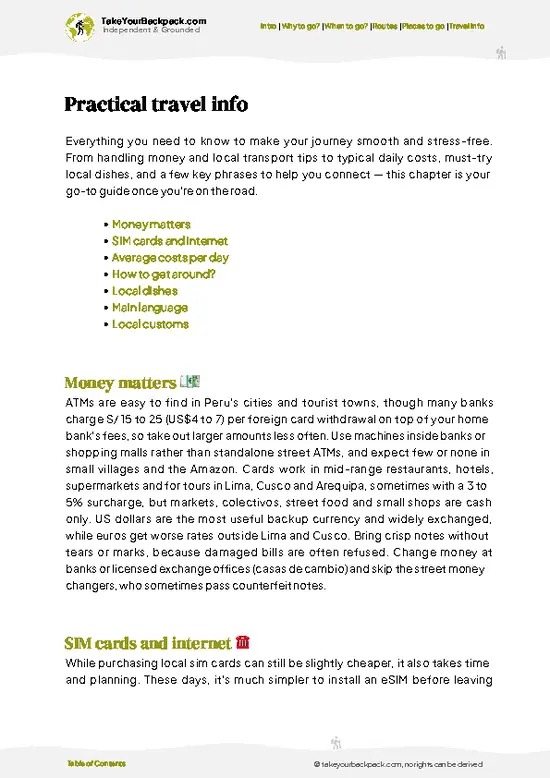
The Yuyanapaq: Para Recordar (To Remember) Photo Exhibit
Let’s cut through the Instagram haze: this is not a museum for pretty selfies. The Yuyanapaq exhibit is a gut-punch. It’s a photographic chronicle of Peru’s internal conflict from 1980 to 2000—think Shining Path, government crackdowns, and the faces of people who lived through it. The images are raw, unfiltered, and unapologetic. You won’t find this level of honesty in the glossy travel brochures. If you want to understand Peru beyond Machu Picchu and ceviche, this is the real education. It’s not comfortable, but it’s necessary. This is my personal favorite—no contest. I’ve never left this room without feeling changed.
Pre-Columbian Artifacts: The Real Indiana Jones Stuff
Forget the sanitized, glass-case monotony you get in most national … read more 👉
Let’s cut through the Instagram haze: this is not a museum for pretty selfies. The Yuyanapaq exhibit is a gut-punch. It’s a photographic chronicle of Peru’s internal conflict from 1980 to 2000—think Shining Path, government crackdowns, and the faces of people who lived through it. The images are raw, unfiltered, and unapologetic. You won’t find this level of honesty in the glossy travel brochures. If you want to understand Peru beyond Machu Picchu and ceviche, this is the real education. It’s not comfortable, but it’s necessary. This is my personal favorite—no contest. I’ve never left this room without feeling changed.
Pre-Columbian Artifacts: The Real Indiana Jones Stuff
Forget the sanitized, glass-case monotony you get in most national … read more 👉
The Yuyanapaq: Para Recordar (To Remember) Photo Exhibit
Let’s cut through the Instagram haze: this is not a museum for pretty selfies. The Yuyanapaq exhibit is a gut-punch. It’s a photographic chronicle of Peru’s internal conflict from 1980 to 2000—think Shining Path, government crackdowns, and the faces of people who lived through it. The images are raw, unfiltered, and unapologetic. You won’t find this level of honesty in the glossy travel brochures. If you want to understand Peru beyond Machu Picchu and ceviche, this is the real education. It’s not comfortable, but it’s necessary. This is my personal favorite—no contest. I’ve never left this room without feeling changed.
Pre-Columbian Artifacts: The Real Indiana Jones Stuff
Forget the sanitized, glass-case monotony you get in most national museums. Museo de la Nación’s collection of ceramics, textiles, and metalwork from cultures like the Moche, Nazca, and Wari is the real deal. These aren’t just relics—they’re windows into civilizations that built pyramids before the Inca were even a rumor. The detail on a Nazca textile or the eerie expressiveness of a Moche portrait vessel will stick with you longer than any Instagram filter. You’re face-to-face with objects that outdate most European history by centuries.
Scale Model of Machu Picchu
Yes, you’ll see Machu Picchu everywhere in Peru, but here you get the bird’s-eye view—literally. The museum’s scale model lets you see the entire site, including the agricultural terraces and the city’s improbable mountain perch, without the crowds or the altitude headache. It’s a rare chance to appreciate the engineering genius before you’re herded through the real thing. If you’re planning to hike the Inca Trail, this is your strategic preview.
Andean Mummies and Burial Bundles
This isn’t a horror show—it’s anthropology at its most intimate. The museum’s preserved mummies and burial bundles, some still wrapped in their original textiles, are a direct line to ancient funerary practices. You can see the care, the ritual, and the artistry that went into preparing the dead for the next world. It’s haunting, yes, but also deeply humanizing. No amount of online research prepares you for the quiet power of standing inches from a thousand-year-old ancestor.
Temporary Exhibitions: The Wild Card
Here’s the honest truth: the permanent collection is only half the story. Museo de la Nación’s rotating exhibitions have tackled everything from contemporary Peruvian photography to indigenous activism. Sometimes they’re hit-or-miss, but when they hit, they hit hard—think immersive installations or provocative political art. If you’re lucky, you’ll catch something that feels urgent and alive, not just historical.
That’s the real Museo de la Nación: not a tourist trap, but a place that challenges you, educates you, and—if you let it—changes the way you see Peru.
Let’s cut through the Instagram haze: this is not a museum for pretty selfies. The Yuyanapaq exhibit is a gut-punch. It’s a photographic chronicle of Peru’s internal conflict from 1980 to 2000—think Shining Path, government crackdowns, and the faces of people who lived through it. The images are raw, unfiltered, and unapologetic. You won’t find this level of honesty in the glossy travel brochures. If you want to understand Peru beyond Machu Picchu and ceviche, this is the real education. It’s not comfortable, but it’s necessary. This is my personal favorite—no contest. I’ve never left this room without feeling changed.
Pre-Columbian Artifacts: The Real Indiana Jones Stuff
Forget the sanitized, glass-case monotony you get in most national museums. Museo de la Nación’s collection of ceramics, textiles, and metalwork from cultures like the Moche, Nazca, and Wari is the real deal. These aren’t just relics—they’re windows into civilizations that built pyramids before the Inca were even a rumor. The detail on a Nazca textile or the eerie expressiveness of a Moche portrait vessel will stick with you longer than any Instagram filter. You’re face-to-face with objects that outdate most European history by centuries.
Scale Model of Machu Picchu
Yes, you’ll see Machu Picchu everywhere in Peru, but here you get the bird’s-eye view—literally. The museum’s scale model lets you see the entire site, including the agricultural terraces and the city’s improbable mountain perch, without the crowds or the altitude headache. It’s a rare chance to appreciate the engineering genius before you’re herded through the real thing. If you’re planning to hike the Inca Trail, this is your strategic preview.
Andean Mummies and Burial Bundles
This isn’t a horror show—it’s anthropology at its most intimate. The museum’s preserved mummies and burial bundles, some still wrapped in their original textiles, are a direct line to ancient funerary practices. You can see the care, the ritual, and the artistry that went into preparing the dead for the next world. It’s haunting, yes, but also deeply humanizing. No amount of online research prepares you for the quiet power of standing inches from a thousand-year-old ancestor.
Temporary Exhibitions: The Wild Card
Here’s the honest truth: the permanent collection is only half the story. Museo de la Nación’s rotating exhibitions have tackled everything from contemporary Peruvian photography to indigenous activism. Sometimes they’re hit-or-miss, but when they hit, they hit hard—think immersive installations or provocative political art. If you’re lucky, you’ll catch something that feels urgent and alive, not just historical.
That’s the real Museo de la Nación: not a tourist trap, but a place that challenges you, educates you, and—if you let it—changes the way you see Peru.
Spotted a mistake or missing something? Contact us.
v2.webp)


Best Backpacking
Hi, I’m Johan (Netherlands 🇳🇱), the creator of TakeYourBackpack. Over the past decade, I’ve backpacked through 80+ countries across six continents, gaining extensive experience with independent travel, long-term trips, and overland routes.