How many attractions to aim for: Plan on one major attraction every two to three days, which means roughly 5 to 8 in a three-week trip. Peru’s sites are separated by long transfers, altitude changes and early starts, and packing in more leaves you seeing everything from a bus window. Fewer stops also leave room for the unplanned market, village festival or roadside ruin that tends to become the story you tell later.
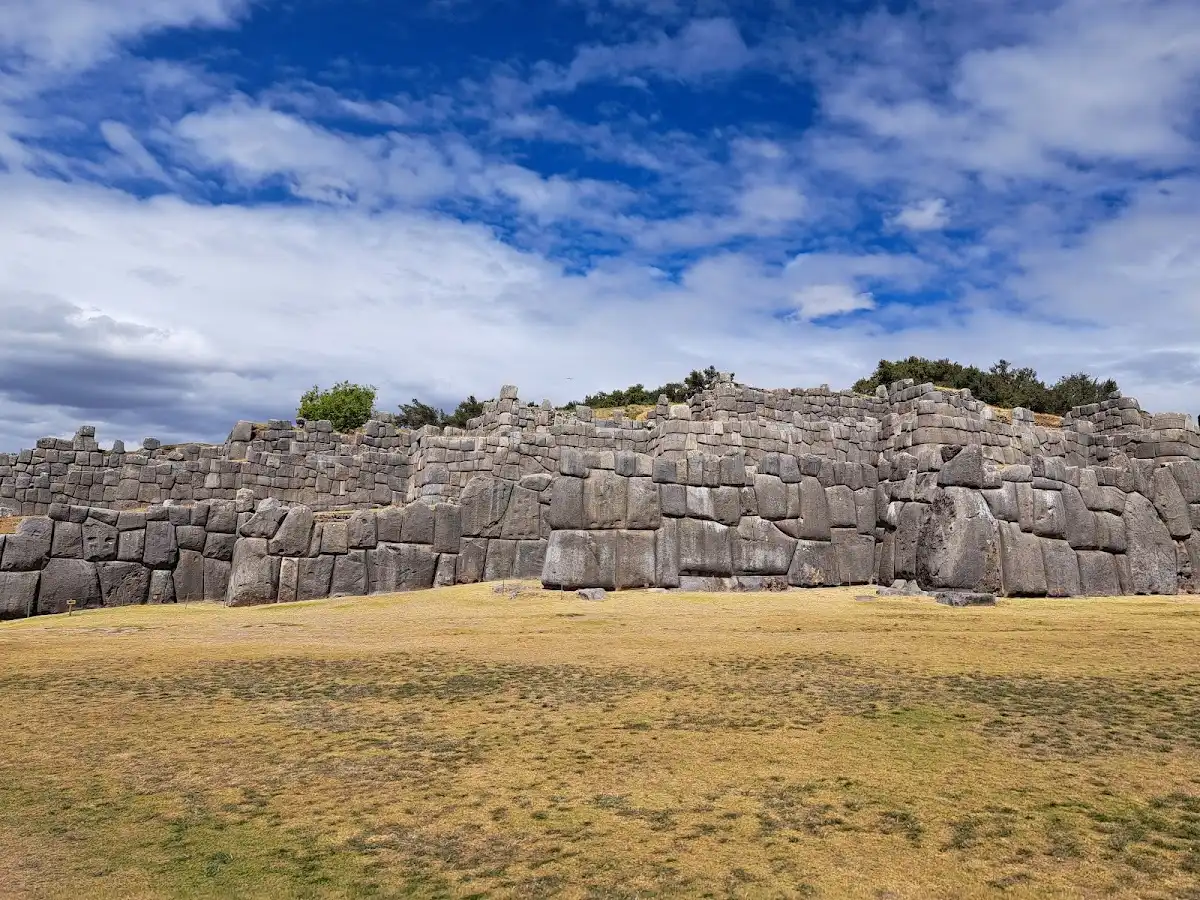
Choosing between the kinds of attractions: Peru offers four broad types: Inca and highland sites, pre-Inca coastal ruins, colonial cities, and nature, including canyons, lakes and the Amazon. Culture-focused travelers should put highland and coastal archaeology first, and the quieter coastal sites reward anyone tired of crowds. Hikers should prioritize trekking routes and canyon …
read more 👉 How many attractions to aim for: Plan on one major attraction every two to three days, which means roughly 5 to 8 in a three-week trip. Peru’s sites are separated by long transfers, altitude changes and early starts, and packing in more leaves you seeing everything from a bus window. Fewer stops also leave room for the unplanned market, village festival or roadside ruin that tends to become the story you tell later.
Choosing between the kinds of attractions: Peru offers four broad types: Inca and highland sites, pre-Inca coastal ruins, colonial cities, and nature, including canyons, lakes and the Amazon. Culture-focused travelers should put highland and coastal archaeology first, and the quieter coastal sites reward anyone tired of crowds. Hikers should prioritize trekking routes and canyon country, while wildlife fans need a jungle lodge or river trip. If time is tight, pick one highlight from each category rather than three from the same one, since the experiences feel more different than they sound.
What it costs: A frugal backpacker spends about US$35 to 55 a day on dorm beds (US$8 to 15), set lunches (S/10 to 18, about US$3 to 5), local transport and one entry fee. A comfortable mid-range budget runs US$70 to 120. Entry fees vary widely, from S/10 to 20 (US$3 to 5) for small sites up to roughly S/70 to 200 (US$19 to 55) for the most famous ones. Many Cusco-area sites sit on a combined ticket costing around S/70 to 130 (US$19 to 35), which saves money only if you will visit several. Guides cost US$20 to 60 per group for a half day at most sites. Multi-day treks run about US$250 to 700 depending on route and operator. Domestic flights add US$50 to 150 each.
Costs and delays that trip travelers up: The biggest budget shock is the headline sites: timed tickets and permits can sell out weeks or months ahead in July and August, and last-minute resellers add large markups. Buy only from official channels or licensed operators. Another is price-dumping on treks. A suspiciously cheap tour often means poor gear, low porter wages or skipped meals, so ask exactly what is included. Bank on delays too: landslides, strikes and fog can hold up buses and flights, so keep a spare day before international departures.
Altitude and health: Altitude sickness catches fit people as often as anyone. Spend your first two days at 3,000 meters or higher doing little, drink plenty of water, go easy on alcohol, and talk to a doctor about preventive medication before you leave. Sun at elevation burns fast even on cold days, so use high-SPF sunscreen and a hat.
Safety and conduct: Petty theft is the main risk, especially on night buses and in crowded stations. Keep valuables in your daypack on your lap, use licensed taxis or ride apps in cities, and avoid walking isolated stretches after dark. Most sites have strict rules: no drones without permits, no touching carvings, and no leaving marked paths, with fines and ejection for breaking them. Ask before photographing people in highland communities, since many expect a small tip of S/1 to 2. Dress modestly in churches, carry small bills, and learn a few words of Spanish, which makes bargaining and directions easier everywhere.
Avoiding wasted money: Skip add-ons you cannot verify, such as unlicensed jungle tours sold on the street. Spend where it counts: a good guide at a site with deep history, an early-morning slot, and a reputable trekking company are worth the extra US$10 to 30 each.
v2.webp)




 Best Backpacking
.jpg) Hi, I’m Johan (Netherlands 🇳🇱), the creator of TakeYourBackpack. Over the past 3 decades, I’ve backpacked through 90+ countries across six continents, gaining extensive experience with independent travel, long-term trips, and overland routes.
Hi, I’m Johan (Netherlands 🇳🇱), the creator of TakeYourBackpack. Over the past 3 decades, I’ve backpacked through 90+ countries across six continents, gaining extensive experience with independent travel, long-term trips, and overland routes.