
The Mummies Room
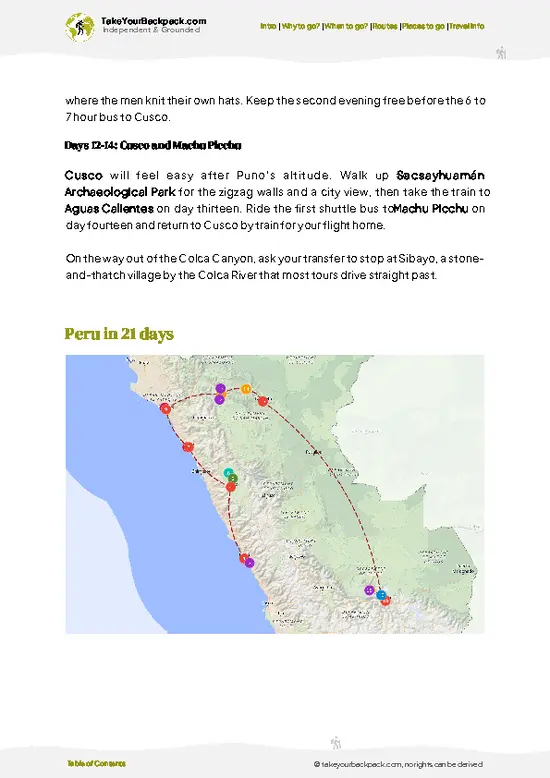
Let’s cut through the Instagram haze: the Museo Inka’s mummies are not some sanitized, glass-box spectacle. These are real, centuries-old Inca and pre-Inca bodies, preserved in the fetal position, staring mortality right in the face. You’ll see hair, skin, and even the original burial textiles. It’s a jolt of reality—no filter, no soft lighting. The room is small, the air is heavy, and the experience is raw. If you want to feel the weight of Andean history, this is where it hits hardest. My personal favorite, because nothing else in Cusco makes the past feel so uncomfortably present.
Qero Collection (Ceremonial Wooden Cups)
Forget the generic pottery you’ll see in every market stall. The Museo Inka’s qeros are masterpieces of Inca woodcarving, painted with intricate, symbolic … read more 👉
Let’s cut through the Instagram haze: the Museo Inka’s mummies are not some sanitized, glass-box spectacle. These are real, centuries-old Inca and pre-Inca bodies, preserved in the fetal position, staring mortality right in the face. You’ll see hair, skin, and even the original burial textiles. It’s a jolt of reality—no filter, no soft lighting. The room is small, the air is heavy, and the experience is raw. If you want to feel the weight of Andean history, this is where it hits hardest. My personal favorite, because nothing else in Cusco makes the past feel so uncomfortably present.
Qero Collection (Ceremonial Wooden Cups)
Forget the generic pottery you’ll see in every market stall. The Museo Inka’s qeros are masterpieces of Inca woodcarving, painted with intricate, symbolic … read more 👉
The Mummies Room
Let’s cut through the Instagram haze: the Museo Inka’s mummies are not some sanitized, glass-box spectacle. These are real, centuries-old Inca and pre-Inca bodies, preserved in the fetal position, staring mortality right in the face. You’ll see hair, skin, and even the original burial textiles. It’s a jolt of reality—no filter, no soft lighting. The room is small, the air is heavy, and the experience is raw. If you want to feel the weight of Andean history, this is where it hits hardest. My personal favorite, because nothing else in Cusco makes the past feel so uncomfortably present.
Qero Collection (Ceremonial Wooden Cups)
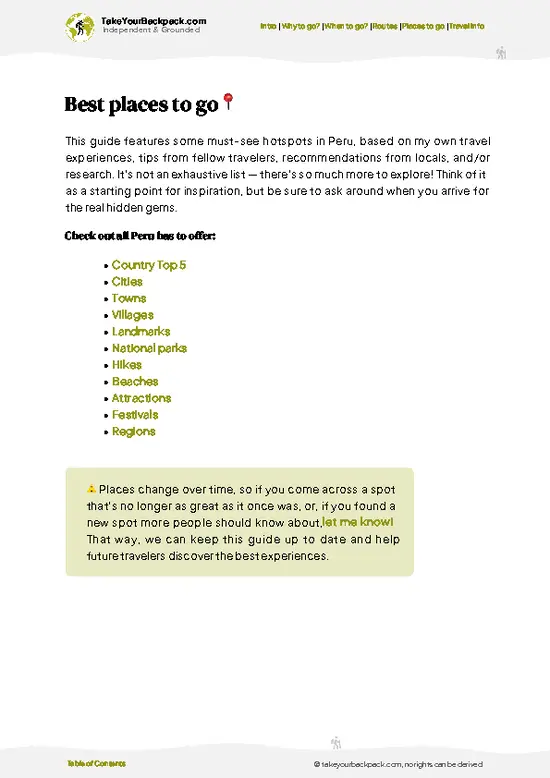
Forget the generic pottery you’ll see in every market stall. The Museo Inka’s qeros are masterpieces of Inca woodcarving, painted with intricate, symbolic designs. These cups were used in rituals—think sacred chicha toasts, not tourist happy hours. The detail is mind-bending: jaguars, serpents, and geometric patterns that tell stories if you know how to read them. The collection is extensive and, crucially, authentic—no replicas, no tourist-bait knockoffs.
Gold and Silver Artifacts
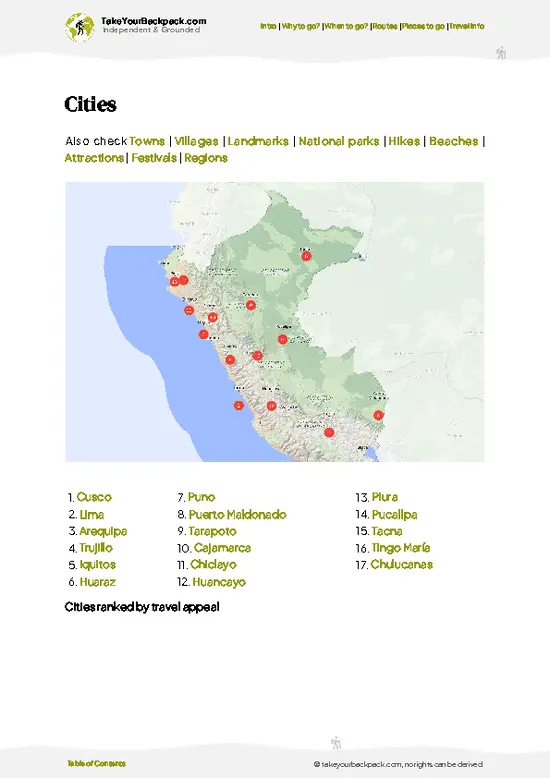
No, you won’t find Machu Picchu’s lost gold here (thanks, conquistadors), but what remains is still dazzling. The Museo Inka’s metalwork collection is a crash course in Inca bling: nose rings the size of espresso saucers, delicate llama figurines, and ceremonial knives (tumis) that look like they could still draw blood. The craftsmanship is wild—these pieces survived looting, time, and the elements. If you want to understand why the Spanish went gold-crazy, this room spells it out in hammered metal.
Textile Gallery
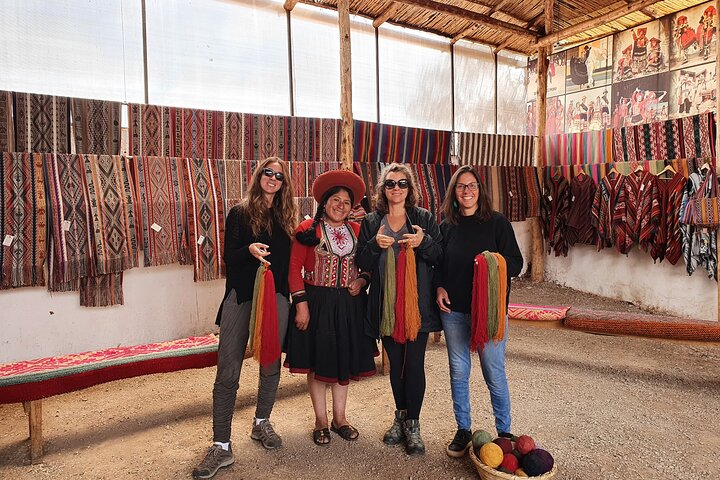
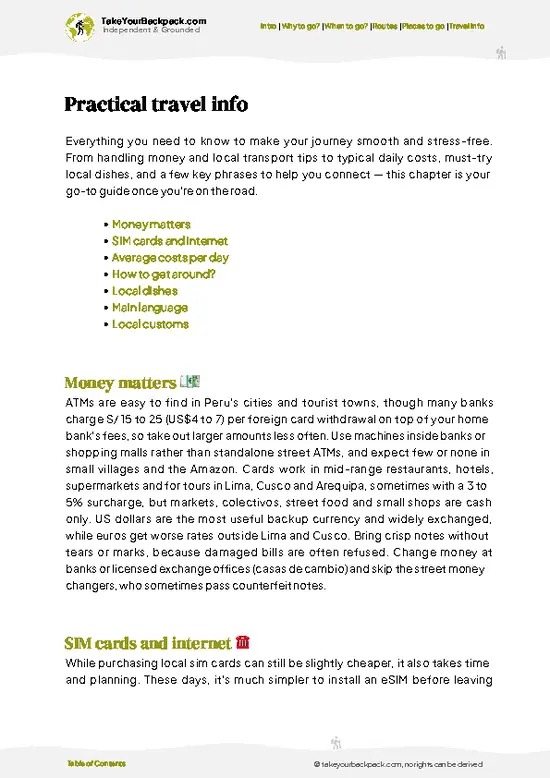
Instagram loves a good alpaca sweater, but the Museo Inka’s textiles are on a different level. We’re talking 500-year-old tunics, belts, and bags, woven with patterns that double as ancient QR codes—each design loaded with meaning. The colors are still shockingly vibrant (yes, really), and the weaving techniques are so advanced that modern experts still scratch their heads. This is the antidote to souvenir-shop kitsch.
Andean Musical Instruments
You’ll see panpipes and drums, sure, but look closer: these aren’t just props for a street band. The Museo Inka’s collection includes bone flutes, conch shell trumpets, and massive ceremonial drums. Some are carved with faces or animals, hinting at their role in rituals that blended music, myth, and power. If you’ve ever wondered what the soundtrack to an Inca ceremony sounded like, this is as close as you’ll get without a time machine.
Colonial Courtyard Architecture
The building itself is a lesson in survival. The Museo Inka is housed in a Spanish colonial mansion built atop Inca foundations—literally, the stones of the old palace are still visible. Walk the courtyard and you’ll see the collision of two worlds: Spanish arches above, Inca stonework below. It’s not just a backdrop; it’s a physical reminder of conquest, adaptation, and endurance. If you’re the type who likes your history with a side of architectural drama, don’t skip this.
Let’s cut through the Instagram haze: the Museo Inka’s mummies are not some sanitized, glass-box spectacle. These are real, centuries-old Inca and pre-Inca bodies, preserved in the fetal position, staring mortality right in the face. You’ll see hair, skin, and even the original burial textiles. It’s a jolt of reality—no filter, no soft lighting. The room is small, the air is heavy, and the experience is raw. If you want to feel the weight of Andean history, this is where it hits hardest. My personal favorite, because nothing else in Cusco makes the past feel so uncomfortably present.
Qero Collection (Ceremonial Wooden Cups)
Forget the generic pottery you’ll see in every market stall. The Museo Inka’s qeros are masterpieces of Inca woodcarving, painted with intricate, symbolic designs. These cups were used in rituals—think sacred chicha toasts, not tourist happy hours. The detail is mind-bending: jaguars, serpents, and geometric patterns that tell stories if you know how to read them. The collection is extensive and, crucially, authentic—no replicas, no tourist-bait knockoffs.
Gold and Silver Artifacts
No, you won’t find Machu Picchu’s lost gold here (thanks, conquistadors), but what remains is still dazzling. The Museo Inka’s metalwork collection is a crash course in Inca bling: nose rings the size of espresso saucers, delicate llama figurines, and ceremonial knives (tumis) that look like they could still draw blood. The craftsmanship is wild—these pieces survived looting, time, and the elements. If you want to understand why the Spanish went gold-crazy, this room spells it out in hammered metal.
Textile Gallery
Instagram loves a good alpaca sweater, but the Museo Inka’s textiles are on a different level. We’re talking 500-year-old tunics, belts, and bags, woven with patterns that double as ancient QR codes—each design loaded with meaning. The colors are still shockingly vibrant (yes, really), and the weaving techniques are so advanced that modern experts still scratch their heads. This is the antidote to souvenir-shop kitsch.
Andean Musical Instruments
You’ll see panpipes and drums, sure, but look closer: these aren’t just props for a street band. The Museo Inka’s collection includes bone flutes, conch shell trumpets, and massive ceremonial drums. Some are carved with faces or animals, hinting at their role in rituals that blended music, myth, and power. If you’ve ever wondered what the soundtrack to an Inca ceremony sounded like, this is as close as you’ll get without a time machine.
Colonial Courtyard Architecture
The building itself is a lesson in survival. The Museo Inka is housed in a Spanish colonial mansion built atop Inca foundations—literally, the stones of the old palace are still visible. Walk the courtyard and you’ll see the collision of two worlds: Spanish arches above, Inca stonework below. It’s not just a backdrop; it’s a physical reminder of conquest, adaptation, and endurance. If you’re the type who likes your history with a side of architectural drama, don’t skip this.
Spotted a mistake or missing something? Contact us.
v2.webp)


Best Backpacking
Hi, I’m Johan (Netherlands 🇳🇱), the creator of TakeYourBackpack. Over the past decade, I’ve backpacked through 80+ countries across six continents, gaining extensive experience with independent travel, long-term trips, and overland routes.