×

Peru🇵🇪 | attractionsMuseo de la Cocacoca leaf history, indigenous uses, interactive displays | things to do and best time to go

Explore Museo InkaExplore Museo Tumbas Reales de Sipán

Backpacking in Museo de la Coca
👀 For curious travelersattraction ranked #17
By Johan Kruseman 🇳🇱 | Updated September 4, 2026

Here’s what nobody tells you: Museo de la Coca is not a shrine to cocaine, but a sharp, unfiltered look at the ancient, everyday leaf that built Andean civilization—and still flavors your mate de coca tea. Tucked into a narrow alley in Cusco’s San Blas district, this museum is a world away from the blockbuster ruins and selfie-mobs of Machu Picchu. The wow-factor here isn’t visual; it’s intellectual whiplash. You’ll get the raw story of coca’s sacred roots, colonial demonization, and its complicated present—no glossy Instagram filters, just dense displays and a few quirky artifacts. It’s cheap, rarely crowded, and you can linger as long as your curiosity (or altitude headache) allows. Don’t expect interactive exhibits or polished English signage; you’ll need to work for your insights. But if you’re the kind of traveler who’d rather decode a culture than just photograph it, Museo de la Coca delivers a punchy, real-world education you won’t find on any postcard.

Discover everything you want to know in the 📖 Peru Travel Guide.


Get your Peru guide
113 ranked highlights, routes & tips, works offline (416 pages)
Loading the map 🌍
CLICK TO FILTER
cities
towns
villages
landmarks
national parks
hikes
beaches
attractions
festivals
regions
SHOW COUNTRY’S BESTSHOW ALL

✨ Why go?
Ranked #17 attraction in Peru
The unique appeal for travelers

The Museo de la Coca in Peru isn’t just another tourist stop plastered across Instagram feeds—it’s a raw, unfiltered dive into a plant that’s woven into the fabric of Andean life for centuries. Sure, you’ll find crowds here, especially during peak travel seasons, and the modest entry fee might feel like a speed bump if you’re pinching pennies. But this museum punches way above its weight in cultural significance. It’s not just about the coca leaf’s controversial reputation; it’s about understanding its deep roots in indigenous traditions, medicine, and daily survival in high-altitude environments.

Backpackers make time for this spot because it’s a milestone—a moment to pause and grasp the complex history behind a plant that’s shaped Peru’s economy, politics, and identity. The exhibits don’t … read more 👉
The Museo de la Coca in Peru isn’t just another tourist stop plastered across Instagram feeds—it’s a raw, unfiltered dive into a plant that’s woven into the fabric of Andean life for centuries. Sure, you’ll find crowds here, especially during peak travel seasons, and the modest entry fee might feel like a speed bump if you’re pinching pennies. But this museum punches way above its weight in cultural significance. It’s not just about the coca leaf’s controversial reputation; it’s about understanding its deep roots in indigenous traditions, medicine, and daily survival in high-altitude environments.

Backpackers make time for this spot because it’s a milestone—a moment to pause and grasp the complex history behind a plant that’s shaped Peru’s economy, politics, and identity. The exhibits don’t sugarcoat the coca leaf’s dual nature: a sacred herb and a global flashpoint. This honest portrayal is rare and refreshing. Plus, the museum’s location on major backpacking routes means it’s a practical, meaningful stop rather than a detour. The effort-to-reward ratio is solid: a couple of hours here enriches your entire Peru experience, grounding the wild landscapes and vibrant cities in a story that’s both ancient and urgently relevant today.
Want to include Museo de la Coca in your Peru route?
Create a personalized Peru itinerary that includes Museo de la Coca and the places that fit your trip — based on your travel style, budget, and available time. Get your route in seconds.

Generate my trip

💡 HighlightsMust-see experiences and standout moments

The Coca Plant: The Real Story
Forget the Instagram myth of “coca = cocaine.” The Museo de la Coca rips the curtain back on the plant’s actual role in Andean life. You’ll see real coca leaves, learn how they’re grown, and—here’s the kicker—discover that for centuries, coca was more medicine and spiritual tool than party drug. The museum doesn’t sugarcoat the controversy, but it also refuses to let Western hysteria define the narrative. If you want to understand Peru, start here.


Ancient Andean Use & Rituals
This isn’t just a plant; it’s a cultural backbone. The museum dives deep into how indigenous communities have used coca for everything from altitude sickness to sacred ceremonies. You’ll see artifacts, old chewing kits, and even ritual paraphernalia. The displays are blunt about the colonial … read more 👉
The Coca Plant: The Real Story
Forget the Instagram myth of “coca = cocaine.” The Museo de la Coca rips the curtain back on the plant’s actual role in Andean life. You’ll see real coca leaves, learn how they’re grown, and—here’s the kicker—discover that for centuries, coca was more medicine and spiritual tool than party drug. The museum doesn’t sugarcoat the controversy, but it also refuses to let Western hysteria define the narrative. If you want to understand Peru, start here.


Ancient Andean Use & Rituals
This isn’t just a plant; it’s a cultural backbone. The museum dives deep into how indigenous communities have used coca for everything from altitude sickness to sacred ceremonies. You’ll see artifacts, old chewing kits, and even ritual paraphernalia. The displays are blunt about the colonial attempts to stamp out coca, and they don’t shy away from the plant’s complicated legacy. If you’ve ever wondered why coca is still chewed on every mountain trail, this section answers it—no Instagram filter required.


The Dark Side: Cocaine’s Emergence
Here’s where the museum earns its “myth-buster” badge. It doesn’t dodge the ugly side of coca’s story. You’ll get a crash course in the transformation from leaf to illicit powder, complete with vintage pharmaceutical ads and government propaganda. The museum lays out the facts: how Western demand twisted a sacred plant into a global commodity, and how that’s shaped Peru’s politics and economy. It’s not pretty, but it’s honest—and that’s rare.


Hands-On Coca Tasting
This is the moment most travelers remember. You can actually taste coca tea and, sometimes, chew the leaves yourself. It’s legal, it’s safe, and it’s nothing like what you’d expect. The flavor is earthy, a little bitter, and oddly energizing. This isn’t a tourist gimmick; it’s a direct connection to Andean daily life. If you’re the type who learns by doing, this is your ticket. (Personal favorite—there’s nothing like realizing the “forbidden” is just a cup of tea.)


Pop Culture & Coca
The museum doesn’t stop at history. There’s a quirky, sometimes hilarious collection of coca-themed pop culture: everything from Coca-Cola’s original formula (yes, it really had coca) to Peruvian candies and beauty products. You’ll leave with a new appreciation for how this plant has been spun, sold, demonized, and—sometimes—celebrated around the world. It’s a reminder that even the most controversial things can have a weird, wonderful afterlife.


Local Activism & Modern Debate
The final punch: the museum gives space to the ongoing fight for coca’s legal and cultural recognition. You’ll see posters, protest art, and interviews with activists. It’s a raw look at how the story isn’t over—and how the people of Peru are still writing the next chapter. If you want a museum that leaves you thinking, not just snapping photos, this is it.
Spotted a mistake or missing something? Contact us.

Things to do around Museo de la Coca

Ratings based on Tripadvisor reviews. When you book through this link, you support our work at no extra cost to you.

🌤️ When to go?Seasonal considerations and timing


  • Weather: The Museo de la Coca is in Cusco, where the dry season from May to September offers clear skies and minimal rain—perfect for exploring without soggy interruptions. The wet season, November through March, brings frequent showers that can dampen your plans and the museum experience.

  • Temperature: Expect chilly mornings and evenings, especially from June to August, with lows around 2°C (36°F) and highs rarely exceeding 18°C (64°F). Shoulder months like April and October are milder, making your visit more comfortable without heavy layers.

  • Daylight Hours: From May to August, daylight is shorter, roughly 10-11 hours, which means less time to wander after the museum closes. In contrast, November to February stretches daylight to about 13 hours, but watch for rain.

  • Crowds: Peak tourist
read more 👉

  • Weather: The Museo de la Coca is in Cusco, where the dry season from May to September offers clear skies and minimal rain—perfect for exploring without soggy interruptions. The wet season, November through March, brings frequent showers that can dampen your plans and the museum experience.

  • Temperature: Expect chilly mornings and evenings, especially from June to August, with lows around 2°C (36°F) and highs rarely exceeding 18°C (64°F). Shoulder months like April and October are milder, making your visit more comfortable without heavy layers.

  • Daylight Hours: From May to August, daylight is shorter, roughly 10-11 hours, which means less time to wander after the museum closes. In contrast, November to February stretches daylight to about 13 hours, but watch for rain.

  • Crowds: Peak tourist season aligns with the dry months, especially June and July, when the museum sees a surge of visitors. If you want fewer people and a quieter vibe, aim for April or September, just before or after the rush.

  • Seasonal Activities: The Inti Raymi festival in June floods Cusco with energy and crowds, overshadowing the museum but offering a cultural spectacle. Visiting outside festival dates lets you focus on the museum’s unique insights without the noise.

  • Price Fluctuations: Entry fees and local prices tend to spike during the dry season and festival times. Traveling in shoulder months like April or September can save you a few soles and avoid inflated costs on food and lodging.


Pro-tip: Visit in late April or early September to dodge the crowds, enjoy decent weather, and keep your budget intact—this is when the Museo de la Coca reveals its real charm without the tourist circus.


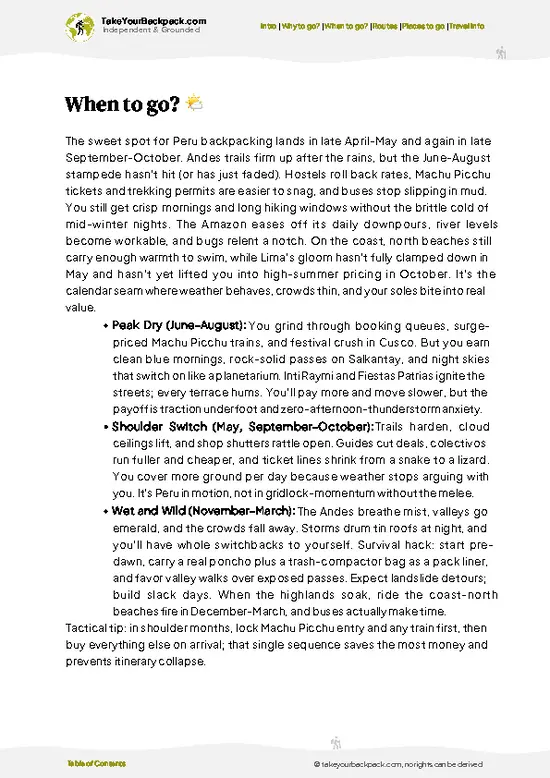
source: climatestotravel.comJANJanuary: fair for travelingFEBFebruary: fair for travelingMARMarch: fair for travelingAPRApril: highly recommended for travelingMAYMay: highly recommended for travelingJUNJune: good for travelingJULJuly: good for travelingAUGAugust: highly recommended for travelingSEPSeptember: highly recommended for travelingOCTOctober: highly recommended for travelingNOVNovember: fair for travelingDECDecember: fair for traveling
when-to-go

✈️ The backpacker research shortcutPeru Travel Guide

An offline-friendly backpacking guide with optimized travel routes, ranked highlights, transport advice, and the best areas to stay.
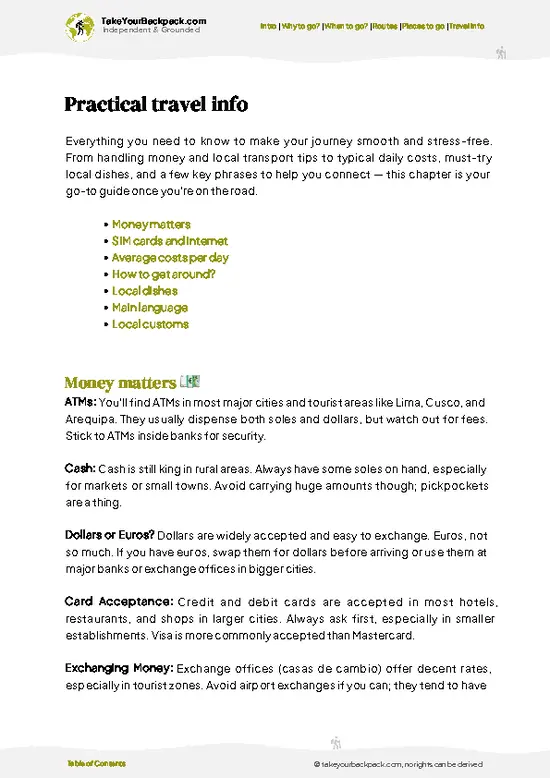
example page 0 from our offline Travel Guide for Peru
example page 1 from our offline Travel Guide for Peru
example page 2 from our offline Travel Guide for Peru
example page 3 from our offline Travel Guide for Peru
example page 4 from our offline Travel Guide for Peru
example page 5 from our offline Travel Guide for Peru
example page 6 from our offline Travel Guide for Peru
example page 7 from our offline Travel Guide for Peru
The digital guide (416 pages) contains:
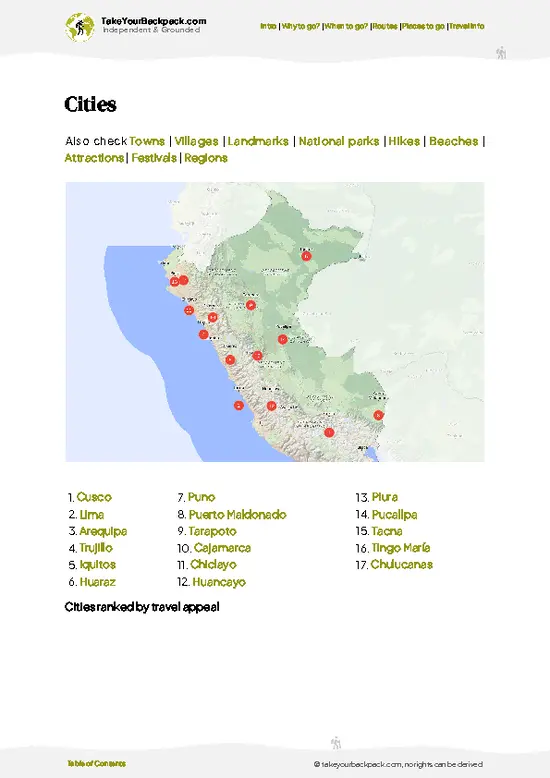
113 highlights, ranked by travel appeal
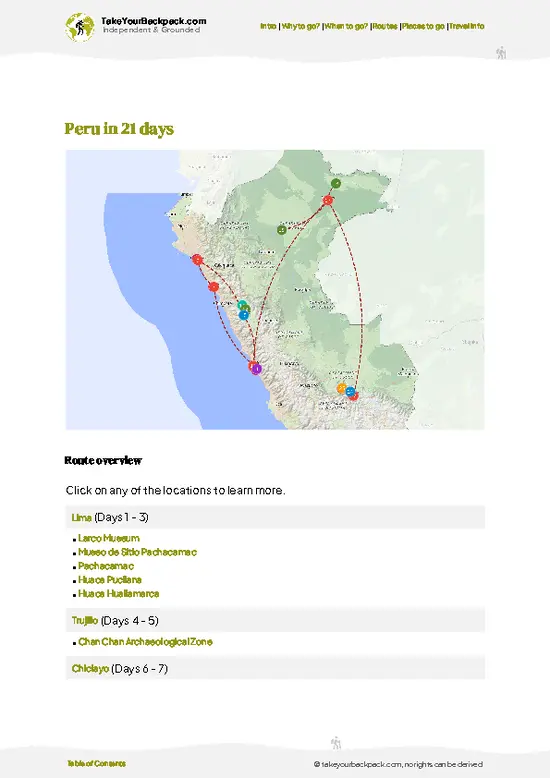
Optimized 7, 14 & 21-day travel routes
Cities, national parks, landmarks, beaches
How to get around
Offline-friendly for travel without Wi-Fi
👉 Click to see all 30+ guide features

📅 Plan smarter in minutes, not weeks
Month by month travel advice
Festivals & national holidays
Budget expectations

🗺️ Go to the right places, skip the overrated ones
Honest pros & cons of destinations
Top hikes, parks & viewpoints
Lesser-known places most travelers miss
Clear “worth it vs skip it” guidance

🛏️ Travel smoothly without rookie mistakes
Best areas to stay
Transport systems explained simply
Common scams & safety advice
SIM cards, money & practical tips

🌍 Understand the country, not just visit it
Culture & traditions
52 Essential phrases & customs
Festivals worth planning around
Traveler-friendly historical context
Insights that make places more meaningful

📱 Built for real travel conditions
Fully downloadable PDF
Works completely offline
Optimized for phone use
Useful in remote areas & buses
Everything in one place
Save weeks of stressful planning
Get instant access to your full guide. 30‑day money-back guarantee.
+ Add another guide for just US$7.80

By proceeding you agree to our terms.
Sent to your inbox immediately after payment • 100% Secure Checkout
Best Backpacking Travel Advisor 2025 tourism awardBest Backpacking
Travel Advisor
2025
What others say about Take Your Backpack Guides:
⭐⭐⭐⭐⭐
Fantastic, amazing amount of information!
⭐⭐⭐⭐⭐
My goodness this is amazing, it's what I've been looking for hats off too you!
⭐⭐⭐⭐⭐
I think this is absolutely BRILLIANT
⭐⭐⭐⭐
Very complete and informative. It's still missing places, but I gotta to commend you
⭐⭐⭐⭐⭐
This is truly amazing, thank you, can't wait to explore it with my kids!
⭐⭐⭐⭐⭐
Awesome resource, thank you!
⭐⭐⭐⭐⭐
This is amazing! Can't wait to explore the ones I haven't seen
⭐⭐⭐⭐
I love this! Well done, great idea.
⭐⭐⭐⭐⭐
Thanks for taking the time to make this gem!
⭐⭐⭐⭐⭐
This might be the best website I've ever seen.
⭐⭐⭐⭐⭐
Congratulations, and thank you so much for your work; it's incredibly valuable.
⭐⭐⭐⭐
In all seriousness I think you did a great job pointing out the important spots
⭐⭐⭐⭐⭐
10/10 very good
⭐⭐⭐⭐⭐
As someone who's only just starting to visit regularly this is awesome, thank you.
⭐⭐⭐⭐
Thank you very much! I'm going to visit my dad, it's going to be very useful!
⭐⭐⭐⭐⭐
This is really cool! We'll be travelling for the first time and this definitely come in handy.
⭐⭐⭐⭐⭐
You are now our minister of culture, congratulations 👨‍💼
⭐⭐⭐⭐⭐
Just wanted to tell you that this is a pearl! Going to follow your recommendations.
⭐⭐⭐⭐⭐
This is so cool. I'll definitely be using the resource for my travels soon.
⭐⭐⭐⭐⭐
This is very impressive! Good work.
⭐⭐⭐⭐⭐
This is an amazing and informative site. Very well done!

🛏️ Where to stay?How to pick the right area

The Museo de la Coca sits in La Paz’s Sopocachi neighborhood, a spot backpackers should zero in on for more than just proximity. This area is a gritty mix of local life and bohemian energy, where you’ll find safe streets peppered with cafes, bars, and street food stalls that actually feel authentic—not touristy. It’s social without being overwhelming, perfect for solo travelers wanting to connect without the forced hostel vibe. Yes, it’s not polished luxury, but that’s the point: you’re here to soak in real Bolivian culture, not a sanitized postcard. Plus, Sopocachi’s central location means you’re … read more 👉
The Museo de la Coca sits in La Paz’s Sopocachi neighborhood, a spot backpackers should zero in on for more than just proximity. This area is a gritty mix of local life and bohemian energy, where you’ll find safe streets peppered with cafes, bars, and street food stalls that actually feel authentic—not touristy. It’s social without being overwhelming, perfect for solo travelers wanting to connect without the forced hostel vibe. Yes, it’s not polished luxury, but that’s the point: you’re here to soak in real Bolivian culture, not a sanitized postcard. Plus, Sopocachi’s central location means you’re a short walk or cheap ride from the museum and other key spots. Skip the flashy tourist zones; this neighborhood is where the city’s pulse beats strongest for budget travelers who want to feel alive.

👛 Costs (as of 4 September 2026)What things cost and how to budget

As of the most recent estimates, the Museo de la Coca in Cusco, Peru, charges an entrance fee of S/10 (approximately USD 2.50). ([freemuseumfinder.com](https://freemuseumfinder.com/museums/museo-de-la-coca?utm_source=openai)) No additional fees are specified for tours or activities within the museum. The museum operates daily from 9:00 AM to 7:30 PM. ([freemuseumfinder.com](https://freemuseumfinder.com/museums/museo-de-la-coca?utm_source=openai))

source: chocomuseo.com
⚠️ Prices can change and everyone travels differently, so take this as a rough guide. Hope it helps you plan your adventure!

FAQFrequently asked questions about Museo de la Coca

1 to 2 hours is sufficient to visit Museo de la Coca. This allows enough time to explore the exhibits on coca leaf history, cultural significance, and its uses. The museum is compact but informative, so a short visit covers the main points.
Yes, Museo de la Coca is worth the entrance fee, which is typically around 10-15 Peruvian soles. It offers unique insights into the cultural and historical importance of the coca leaf in Peru, not commonly found in other museums. The educational value and local context justify the cost.
Museo de la Coca is located in La Paz, Bolivia, not Peru. To get there, take a taxi or local bus to the city center where the museum is situated. It is easily accessible from major points in La Paz, about 20 minutes from the main bus terminal.
⚠️ Things can change over time, so always validate details locally before you go.

Other Peruvian attractions near Museo de la Coca

Explore more nearby:


💡 Not sure where to go next?
Create a personalized itinerary for Peru including Museo de la Coca and the places that fit your trip.

Generate my itinerary

👉 Discover all attractions

Or checkout all Peru has to offer (think cities, towns, villages, national parks, hikes, beaches, festivals)
Country photo of Peru

We 💚 feedbackKey takeaways before you go

The Museo de la Coca isn’t a flashy tourist trap—it’s a deep dive into a plant that’s shaped Andean life for centuries, beyond the usual headlines. If you want to understand Peru’s culture and history on a level most miss, this is your spot. But heads up: it’s small, and the exhibits can feel a bit dry if you’re not already curious. Come ready to learn, not just snap photos.

✈️ When did I visit Peru?
Peru I visited during my half year trip through South and Central America back in 2003

✍️ Help improve this page!
The information on this page is based on my own backpacking experience in Peru, supplemented with up-to-date research and feedback from other travelers. Travel details can change, so if you notice anything outdated or incomplete, feel free to let me know.


🙋‍♂️ Give feedback

👋 Meet the founderWho’s Behind Take Your Backpack?

Johan, backpacker and founder of TakeYourBackpackHi, I’m Johan (Netherlands 🇳🇱), the creator of TakeYourBackpack. Over the past decade, I’ve backpacked through 80+ countries across six continents, gaining extensive experience with independent travel, long-term trips, and overland routes.

This site is built on a combination of firsthand travel experience and carefully curated insights from other backpackers. Many guides are based on places I’ve personally visited, while others bring together tips, observations, and practical advice shared by trusted travelers I’ve met along the way.

The goal is to provide realistic, experience-driven guidance — not generic itineraries — so you can explore destinations with better context, clearer expectations, and more confidence.

Get full Peru guide •
Instant download • 113 highlights • Full Offline guide