×

Peru🇵🇪 | festivalsQoyllur Rit’iSinakara pilgrimage, ukuku dancers, glacier ice, 4,700 meters | things to do and best time to go

Explore Inti RaymiExplore Semana Santa de Ayacucho

Backpacking in Qoyllur Rit’i
🌟 Highlightfestival ranked #6
By Johan Kruseman 🇳🇱 | Updated October 20, 2026

Qoyllur Rit'i suits fit, flexible backpackers who like pilgrimages with real altitude and no ticket booth. It frustrates anyone who needs a fixed schedule, a hot shower or a private bed. The festival happens in the Sinakara Valley in Peru, in the Cusco region east of Cusco city, below the Colquepunku glacier. On my way up I shared a pickup truck bed with a dance troupe, and a drummer taught me a rhythm until we reached the trailhead. Costs and delays catch people out. Book a reputable operator or a night bus early, because departures sell out and roadblocks stall late arrivals. Bring cash in soles, since there are no ATMs. Carry your own tent, because camping spots vanish fast. Unlike the Inti Raymi crowds in Cusco, this festival has no seats or stages, just mountains and dancers.

Discover everything you want to know in the 📖 Peru Travel Guide.


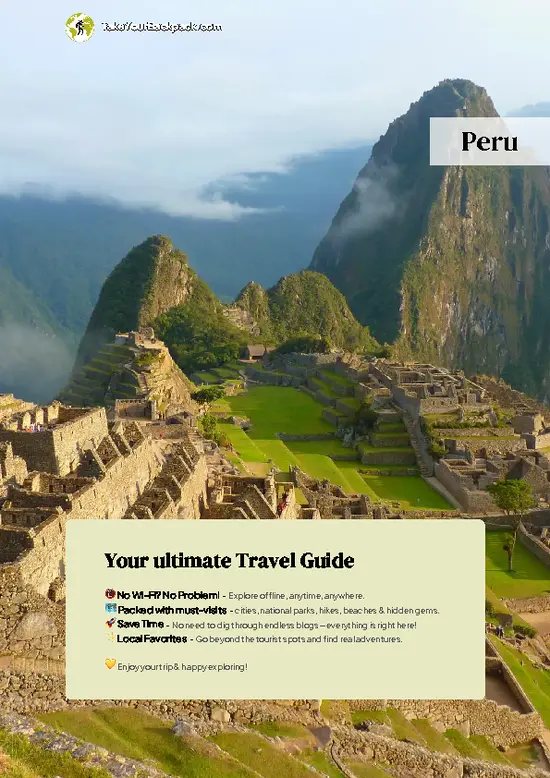
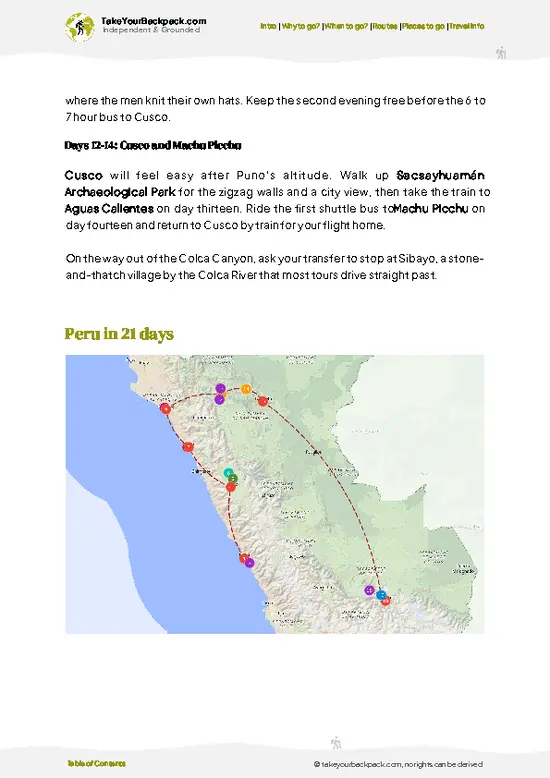
example page 0 from our offline Travel Guide for Peru
example page 1 from our offline Travel Guide for Peru
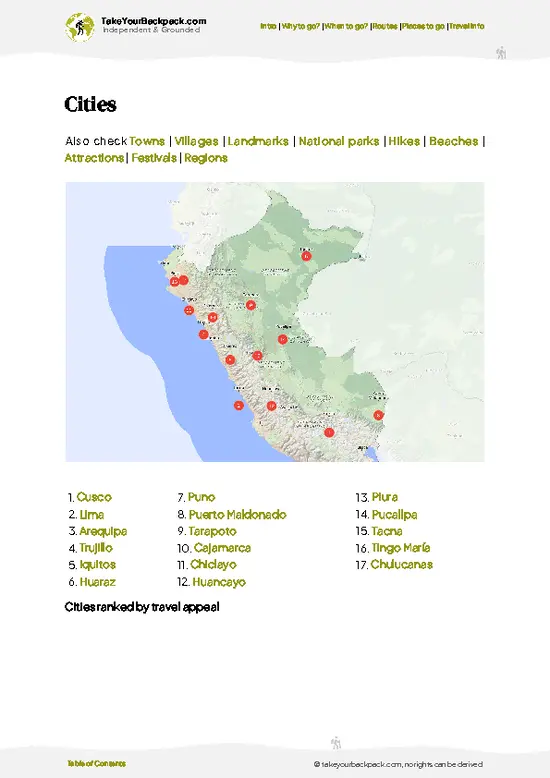
example page 2 from our offline Travel Guide for Peru
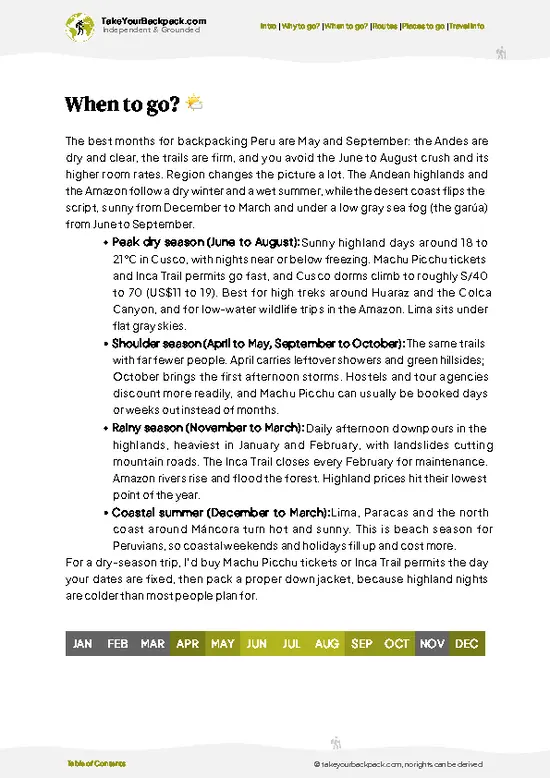
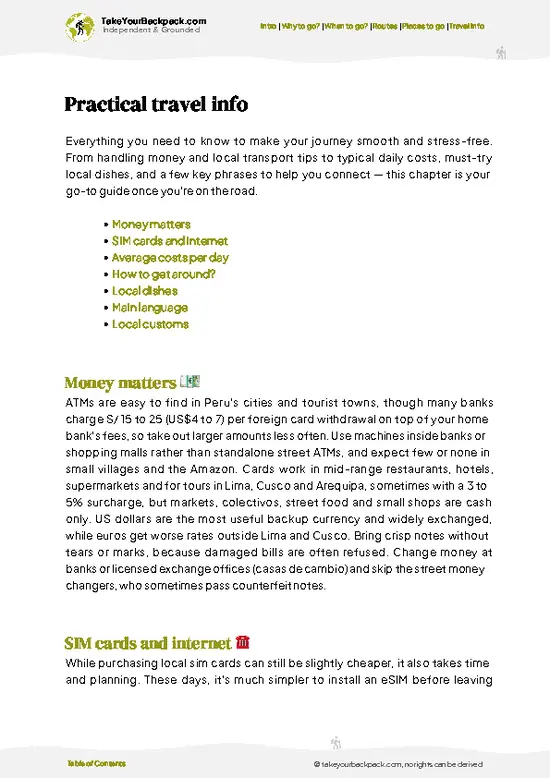
example page 3 from our offline Travel Guide for Peru
example page 4 from our offline Travel Guide for Peru
example page 5 from our offline Travel Guide for Peru
example page 6 from our offline Travel Guide for Peru
example page 7 from our offline Travel Guide for Peru
Loading the map 🌍
CLICK TO FILTER
cities
towns
villages
landmarks
national parks
hikes
beaches
attractions
festivals
regions
SHOW COUNTRY’S BESTSHOW ALL

✨ Why go?
Ranked #6 festival in Peru
What sets this place apart

Qoyllur Rit'i pulls backpackers off the Gringo Trail and into something nobody staged for them. Tens of thousands of Quechua pilgrims walk to the Sanctuary of the Lord of Qoyllur Rit'i, and you camp among them, trading coca leaves, hot soup and plastic cups of sweet tea with strangers from villages you will never find on a map. That temporary city of tents, drums and brass bands is the draw.

The cultural payoff is real. Dance troupes in elaborate costumes perform for days, and the ukukus, the bear-like figures in woven masks, climb the glacier at night carrying candles. You watch it as a respectful guest, not a customer.

It also fits neatly into a Cusco itinerary. The festival falls near the Corpus Christi period, so many travelers plan the Sacred Valley, Machu Picchu and Ausangate around … read more 👉
Qoyllur Rit'i pulls backpackers off the Gringo Trail and into something nobody staged for them. Tens of thousands of Quechua pilgrims walk to the Sanctuary of the Lord of Qoyllur Rit'i, and you camp among them, trading coca leaves, hot soup and plastic cups of sweet tea with strangers from villages you will never find on a map. That temporary city of tents, drums and brass bands is the draw.

The cultural payoff is real. Dance troupes in elaborate costumes perform for days, and the ukukus, the bear-like figures in woven masks, climb the glacier at night carrying candles. You watch it as a respectful guest, not a customer.

It also fits neatly into a Cusco itinerary. The festival falls near the Corpus Christi period, so many travelers plan the Sacred Valley, Machu Picchu and Ausangate around it. Costs stay low because food, camping and transport are local and basic.

💡 HighlightsMust-see experiences and standout moments

  1. The pilgrimage to the Sinakara Valley sanctuary. The festival centers on the Lord of Qoyllur Rit'i, a small rock image of Christ at the foot of the Colquepunku glacier, at roughly 4,700 meters. Pilgrims walk in from the trailhead near Mahuayani, a trek of about 10 kilometers that takes 3 to 5 hours, and the climb is part of the ritual.
  2. The ukuku dancers. Men in fringed woolen masks and costumes play bear-like figures who police the crowds, crack whips and keep order. Their high-pitched voices and constant movement make them the signature characters of the festival.
  3. The nation dances (naciones). Groups from different Andean regions, including Paucartambo, Quispicanchi and Canchis provinces, arrive with their own bands, costumes and choreography. Brass and drums echo off the valley walls day and
… read more 👉
  1. The pilgrimage to the Sinakara Valley sanctuary. The festival centers on the Lord of Qoyllur Rit'i, a small rock image of Christ at the foot of the Colquepunku glacier, at roughly 4,700 meters. Pilgrims walk in from the trailhead near Mahuayani, a trek of about 10 kilometers that takes 3 to 5 hours, and the climb is part of the ritual.
  2. The ukuku dancers. Men in fringed woolen masks and costumes play bear-like figures who police the crowds, crack whips and keep order. Their high-pitched voices and constant movement make them the signature characters of the festival.
  3. The nation dances (naciones). Groups from different Andean regions, including Paucartambo, Quispicanchi and Canchis provinces, arrive with their own bands, costumes and choreography. Brass and drums echo off the valley walls day and night, and you can wander between circles of dancers with no ticket.
  4. The glacier ice-carrying ritual. On the final night, ukukus climb up toward the glacier and cut blocks of ice, which they carry down on their backs. The ice is believed to hold healing power, and melted water is taken home by pilgrims. The Qullqipunku glacier has been shrinking, so the practice has been adapted over the years.
  5. The Mass and sunrise procession. At dawn, crowds gather before the sanctuary chapel for Mass and then follow the image in procession. It mixes Catholic devotion with the Andean reverence for the apus, the mountain spirits, and the whole valley falls quiet in a way that the dancing days never do.
Do not miss the miniature market of toy houses, trucks and cash, where pilgrims buy symbols of the things they hope to own and set them up on the rocks as a form of prayer.
Spotted a mistake or missing something? Contact us.

Things to do near Qoyllur Rit’i

Ratings based on Tripadvisor reviews. When you book through this link, you support our work at no extra cost to you.

🌤️ When to go?When is the celebration of Qoyllur Rit’i?

Qoyllur Rit'i is held in late May or early June, usually over about a week, with the date tied to the Catholic feast of Corpus Christi (the Monday before the main day is the pilgrim peak) at the Sinakara Valley, beneath the Qullqipunku glacier, near Ocongate in Cusco region.
  • Best day: The main pilgrimage climbs to the glacier on the last night, with dancers at the sanctuary on the day before. Midweek days are calmer at the sanctuary.
  • Weather: Days reach 10 to 15°C (50 to 59°F) at roughly 4,700 m, while nights drop to well below freezing, around -10°C (14°F). Bring a down jacket, thermal layers, a sleeping bag, sunscreen and a rain shell.
  • Booking: Reserve Cusco beds and tour spots about a month ahead. Prices for transport and rooms often rise 20 to 50 percent.
  • Crowds: Buses and vans from Cusco
… read more 👉
Qoyllur Rit'i is held in late May or early June, usually over about a week, with the date tied to the Catholic feast of Corpus Christi (the Monday before the main day is the pilgrim peak) at the Sinakara Valley, beneath the Qullqipunku glacier, near Ocongate in Cusco region.
  • Best day: The main pilgrimage climbs to the glacier on the last night, with dancers at the sanctuary on the day before. Midweek days are calmer at the sanctuary.
  • Weather: Days reach 10 to 15°C (50 to 59°F) at roughly 4,700 m, while nights drop to well below freezing, around -10°C (14°F). Bring a down jacket, thermal layers, a sleeping bag, sunscreen and a rain shell.
  • Booking: Reserve Cusco beds and tour spots about a month ahead. Prices for transport and rooms often rise 20 to 50 percent.
  • Crowds: Buses and vans from Cusco fill early, so leave before dawn and expect slow traffic on the Ocongate road on return.
Acclimatize in Cusco (3,400 m) for at least three days before heading up.


source: climatestotravel.comJANJanuary: not recommended for travelingFEBFebruary: not recommended for travelingMARMarch: not recommended for travelingAPRApril: not recommended for travelingMAYMay: excellent for travelingJUNJune: not recommended for travelingJULJuly: not recommended for travelingAUGAugust: not recommended for travelingSEPSeptember: not recommended for travelingOCTOctober: not recommended for travelingNOVNovember: not recommended for travelingDECDecember: not recommended for traveling

✈️ The backpacker research shortcutPeru Travel Guide

An offline-friendly backpacking guide with optimized travel routes, ranked highlights, transport advice, and the best areas to stay.
example page 0 from our offline Travel Guide for Peru
example page 1 from our offline Travel Guide for Peru
example page 2 from our offline Travel Guide for Peru
example page 3 from our offline Travel Guide for Peru
example page 4 from our offline Travel Guide for Peru
example page 5 from our offline Travel Guide for Peru
example page 6 from our offline Travel Guide for Peru
example page 7 from our offline Travel Guide for Peru
The digital guide (310 pages) contains:
✅ 102 highlights, ranked by travel appeal
✅ Optimized 7, 14 & 21-day travel routes
✅ Cities, national parks, landmarks, beaches
✅ How to get around
✅ Offline-friendly for travel without Wi-Fi
👉 Click to see all 30+ guide features

📅 Plan smarter in minutes, not weeks
✅ Month by month travel advice
✅ Festivals & national holidays
✅ Budget expectations

🗺️ Go to the right places, skip the overrated ones
✅ Honest pros & cons of destinations
✅ Top hikes, parks & viewpoints
✅ Lesser-known places most travelers miss
✅ Clear “worth it vs skip it” guidance

🛏️ Travel smoothly without rookie mistakes
✅ Best areas to stay
✅ Transport systems explained simply
✅ Common scams & safety advice
✅ SIM cards, money & practical tips

🌍 Understand the country, not just visit it
✅ Culture & traditions
✅ 52 Essential phrases & customs
✅ Festivals worth planning around
✅ Traveler-friendly historical context
✅ Insights that make places more meaningful

📱 Built for real travel conditions
✅ Fully downloadable PDF
✅ Works completely offline
✅ Optimized for phone use
✅ Useful in remote areas & buses
✅ Everything in one place
Stop searching, start planning
Get instant access to your full guide. 30‑day money-back guarantee.
+ Add another guide for just

By proceeding you agree to our terms.
Sent to your inbox immediately after payment • 100% Secure Checkout
Best Backpacking Travel Advisor 2025 tourism awardBest Backpacking
Travel Advisor
2025
What others say about Take Your Backpack Guides:
⭐⭐⭐⭐⭐
Fantastic, amazing amount of information!
⭐⭐⭐⭐⭐
My goodness this is amazing, it's what I've been looking for hats off too you!
⭐⭐⭐⭐⭐
I think this is absolutely BRILLIANT
⭐⭐⭐⭐
Very complete and informative. It's still missing places, but I gotta to commend you
⭐⭐⭐⭐⭐
This is truly amazing, thank you, can't wait to explore it with my kids!
⭐⭐⭐⭐⭐
Awesome resource, thank you!
⭐⭐⭐⭐⭐
This is amazing! Can't wait to explore the ones I haven't seen
⭐⭐⭐⭐
I love this! Well done, great idea.
⭐⭐⭐⭐⭐
Thanks for taking the time to make this gem!
⭐⭐⭐⭐⭐
This might be the best website I've ever seen.
⭐⭐⭐⭐⭐
Congratulations, and thank you so much for your work; it's incredibly valuable.
⭐⭐⭐⭐
In all seriousness I think you did a great job pointing out the important spots
⭐⭐⭐⭐⭐
10/10 very good
⭐⭐⭐⭐⭐
As someone who's only just starting to visit regularly this is awesome, thank you.
⭐⭐⭐⭐
Thank you very much! I'm going to visit my dad, it's going to be very useful!
⭐⭐⭐⭐⭐
This is really cool! We'll be travelling for the first time and this definitely come in handy.
⭐⭐⭐⭐⭐
You are now our minister of culture, congratulations 👨‍💼
⭐⭐⭐⭐⭐
Just wanted to tell you that this is a pearl! Going to follow your recommendations.
⭐⭐⭐⭐⭐
This is so cool. I'll definitely be using the resource for my travels soon.
⭐⭐⭐⭐⭐
This is very impressive! Good work.
⭐⭐⭐⭐⭐
This is an amazing and informative site. Very well done!

🛏️ Where to stay?Best areas and accommodation options

Cusco is the base for nearly every backpacker heading to Qoyllur Rit'i, and the San Blas and San Pedro market areas are the most practical corners of it. San Blas is walkable, full of hostels with shared kitchens and common rooms, and easy for meeting people to split a van or tour with. The streets around the Plaza de Armas are livelier and louder, with more late-night bars, so light sleepers should look a few blocks away. Near San Pedro station you get cheaper dorms and quick access to the transport terminals and the market, and it feels safe by day but take taxis after dark. Staying in Cusco … read more 👉
Cusco is the base for nearly every backpacker heading to Qoyllur Rit'i, and the San Blas and San Pedro market areas are the most practical corners of it. San Blas is walkable, full of hostels with shared kitchens and common rooms, and easy for meeting people to split a van or tour with. The streets around the Plaza de Armas are livelier and louder, with more late-night bars, so light sleepers should look a few blocks away. Near San Pedro station you get cheaper dorms and quick access to the transport terminals and the market, and it feels safe by day but take taxis after dark. Staying in Cusco also lets you adjust to the altitude before the climb at 3,400 m, then leave for the valley with a group. Closer in, Ocongate is a small town with a few basic guesthouses, handy for an early start but very simple and booked solid during the festival. Most pilgrims camp or sleep in rough shelters at the sanctuary. It is bitterly cold, so a proper sleeping bag matters. Solo travelers do best joining a group from a Cusco hostel, since night walking on the glacier trail is safer in numbers.

👛 Costs (as of 20 October 2026)Typical daily expenses

A realistic budget for Qoyllur Rit'i is about US$58 to 110 per day, with a Total Daily Budget of US$92 counting high season accommodation.
CategoryBudget RangeLocal Reality
Festival ticketsUS$0Entry to the sanctuary and the pilgrimage is free, though a guided group may charge a fee.
AccommodationUS$10 to 25Cusco dorms cost about US$10 to 15 in low season and US$15 to 25 around the festival. Camping at the sanctuary is free or very cheap.
Local transportUS$20 to 40Shared vans or buses from Cusco to Ocongate and the trailhead cost around US$5 to 10 each way, and a trip through a tour operator costs more.
Food & drinksUS$8 to 15Trail stalls charge US$1 to 5 for soup, plates and hot drinks, paid in soles.
Miscellaneous expensesUS$20 to 30Sleeping bag rental, warm gear, coca leaves, candles and tips
… read more 👉
A realistic budget for Qoyllur Rit'i is about US$58 to 110 per day, with a Total Daily Budget of US$92 counting high season accommodation.
CategoryBudget RangeLocal Reality
Festival ticketsUS$0Entry to the sanctuary and the pilgrimage is free, though a guided group may charge a fee.
AccommodationUS$10 to 25Cusco dorms cost about US$10 to 15 in low season and US$15 to 25 around the festival. Camping at the sanctuary is free or very cheap.
Local transportUS$20 to 40Shared vans or buses from Cusco to Ocongate and the trailhead cost around US$5 to 10 each way, and a trip through a tour operator costs more.
Food & drinksUS$8 to 15Trail stalls charge US$1 to 5 for soup, plates and hot drinks, paid in soles.
Miscellaneous expensesUS$20 to 30Sleeping bag rental, warm gear, coca leaves, candles and tips for guides or porters.
Total Daily BudgetUS$58 to 110About US$92 with high season lodging and a typical mix of costs.


source: peru.travel
⚠️ Prices can change and everyone travels differently, so take this as a rough guide. Hope it helps you plan your adventure!

🍲 FoodEating & Drinking in Qoyllur Rit’i

Food at Qoyllur Rit'i is simple, hot and designed to fight the cold. Along the trail and around the sanctuary, women run stalls of caldo de gallina, soups, chicharrón, rice with fried egg and stewed meat, plus bags of coca leaves and candy. Hot drinks are the real stars: api, a thick purple corn drink, and hot chocolate or mate de coca in steaming cups pass between cold hands all night. Pilgrims also share coca and offer it to others, and accepting a few leaves is a polite gesture.
Try the api with a fried pastry at dawn after the vigil. Solid and filling, it costs about US$1 to 2, while a soup or plate of rice and meat runs around US$3 to 5.
Bring cash in small soles, since there are no card machines and stall owners struggle to break large notes. Expect lines at busy stalls near the sanctuary, … read more 👉
Food at Qoyllur Rit'i is simple, hot and designed to fight the cold. Along the trail and around the sanctuary, women run stalls of caldo de gallina, soups, chicharrón, rice with fried egg and stewed meat, plus bags of coca leaves and candy. Hot drinks are the real stars: api, a thick purple corn drink, and hot chocolate or mate de coca in steaming cups pass between cold hands all night. Pilgrims also share coca and offer it to others, and accepting a few leaves is a polite gesture.
Try the api with a fried pastry at dawn after the vigil. Solid and filling, it costs about US$1 to 2, while a soup or plate of rice and meat runs around US$3 to 5.
Bring cash in small soles, since there are no card machines and stall owners struggle to break large notes. Expect lines at busy stalls near the sanctuary, and bring your own water, snacks and a thermos. Prices climb the higher you go, and alcohol is sold but is best avoided at this altitude.

FAQTraveler FAQ

Qoyllur Rit'i takes place in late May or early June, usually over about a week, tied to the feast of Corpus Christi. The main pilgrimage reaches the Sinakara Valley near Ocongate, around 4,700 m, and the final night is the busiest. Most travelers leave Cusco two days before, a drive of about three to four hours.
Attending Qoyllur Rit'i costs about US$58 to 110 per day, since entry is free. Cusco dorms run about US$15 to 25 during the festival, transport to the trailhead about US$5 to 10 each way, and trail meals US$1 to 5. Guided tours with gear and transport cost more, often US$80 to 200 in total.
No tickets are needed for Qoyllur Rit'i because the pilgrimage and sanctuary are free to enter. What you should book ahead are your Cusco bed and your transport or tour, ideally three to four weeks before the dates. Bring small soles in cash, as there are no card machines at the sanctuary.
⚠️ Things can change over time, so always validate details locally before you go.

Other Peruvian festivals near Qoyllur Rit’i

Explore more nearby:

  • Inti Raymi—Quechua ceremony, Sacsayhuamán esplanade, Qorikancha sunrise, June 24| 79 km away
  • Corpus Christi de Cusco—Fifteen saints, silver litters, chiriuchu platter, Cathedral octave| 80 km away
  • Festival de la Chicha—fermented corn drink, rural gatherings, traditional brewing| 80 km away

💡 Not sure where to go next?
Create a personalized itinerary for Peru including Qoyllur Rit’i and the places that fit your trip.

Generate my itinerary

👉 Discover all festivals

Or checkout all Peru has to offer (think cities, towns, villages, national parks, hikes, beaches, festivals)
Country photo of Peru

We 💚 feedbackSumming up the experience

Travelers often treat Qoyllur Rit'i like a spectacle to photograph, then rush up and back in one exhausting day. Slow down. I would stay a full night, bring a warm sleeping bag, ask before taking portraits, and join the quiet moments around the church as well as the dancing.

✈️ When did I visit Peru?
Peru I visited during my half year trip through South and Central America back in 2003

✍️ Help improve this page!
The information on this page is based on my own backpacking experience in Peru, supplemented with up-to-date research and feedback from other travelers. Travel details can change, so if you notice anything outdated or incomplete, feel free to let me know.


🙋‍♂️ Give feedback

👋 Meet the founderWho’s Behind Take Your Backpack?

Johan, backpacker and founder of TakeYourBackpackHi, I’m Johan (Netherlands 🇳🇱), the creator of TakeYourBackpack. Over the past 3 decades, I’ve backpacked through 90+ countries across six continents, gaining extensive experience with independent travel, long-term trips, and overland routes.

This site is built on a combination of firsthand travel experience and carefully curated insights from other backpackers. Many guides are based on places I’ve personally visited, while others bring together tips, observations, and practical advice shared by trusted travelers I’ve met along the way.

The goal is to provide realistic, experience-driven guidance — not generic itineraries — so you can explore destinations with better context, clearer expectations, and more confidence.