×

Peru🇵🇪 | festivalsSemana Santaprocessions, floral carpets, religious icons | things to do and best time to go

Explore Qoyllur RitiExplore Mistura

Backpacking in Semana Santa
🏆 Top pickfestival ranked #4
By Johan Kruseman 🇳🇱 | Updated June 12, 2026

Years ago, Semana Santa in Peru felt raw and local: candle wax on cobblestones, brass bands slightly off-key, grandmothers leading processions while backpackers watched from the shadows. Today, it’s bigger, louder, and far more on the traveler radar, especially in cities like Ayacucho in the central highlands and Cusco in the southern Andes. This is a Catholic Holy Week festival, heavy on solemn processions, marching bands, choirs, incense, and long nights in the plaza. You’ll share streets with Peruvian families, pilgrims, and a growing wave of curious backpackers chasing “authentic culture” between treks. The vibe swings from meditative to full-on street-party once the sun drops. It usually runs the full week before Easter, with the most intense action from Thursday to Sunday. It’s worth it if you like ritual, crowds, and late nights; skip it if you hate noise and tight spaces.

Discover everything you want to know in the 📖 Peru Travel Guide.


Get your Peru guide
118 ranked highlights, routes & tips, works offline (442 pages)
Loading the map 🌍
CLICK TO FILTER
cities
towns
villages
landmarks
national parks
hikes
beaches
attractions
festivals
regions
SHOW COUNTRY’S BESTSHOW ALL

✨ Why go?
Ranked #4 festival in Peru
Reasons people choose to celebrate the here

Backpackers flock to Semana Santa in Peru for a reason: it’s a cultural explosion that transforms towns into vibrant hubs of social energy. This isn’t just a festival; it’s a temporary community where locals and travelers unite, sharing in the rich tapestry of tradition and celebration. The processions are a sensory feast—think colorful costumes, haunting music, and the smell of street food wafting through the air.

Planning your route around this festival isn’t just about witnessing the spectacle; it’s about immersing yourself in a unique experience that’s often more affordable than similar events worldwide. You’ll find that the cost of living during Semana Santa remains reasonable, allowing you to stretch your budget while diving deep into local culture.

Plus, it fits seamlessly into … read more 👉
Backpackers flock to Semana Santa in Peru for a reason: it’s a cultural explosion that transforms towns into vibrant hubs of social energy. This isn’t just a festival; it’s a temporary community where locals and travelers unite, sharing in the rich tapestry of tradition and celebration. The processions are a sensory feast—think colorful costumes, haunting music, and the smell of street food wafting through the air.

Planning your route around this festival isn’t just about witnessing the spectacle; it’s about immersing yourself in a unique experience that’s often more affordable than similar events worldwide. You’ll find that the cost of living during Semana Santa remains reasonable, allowing you to stretch your budget while diving deep into local culture.

Plus, it fits seamlessly into longer travel plans. You can explore Cusco, then head to Ayacucho for the festival, creating a journey that’s as rewarding as the destination itself. Embrace the chaos, and let the festival fuel your adventure!
Want to include Semana Santa in your Peru route?
Create a personalized Peru itinerary that includes Semana Santa and the places that fit your trip — based on your travel style, budget, and available time. Get your route in seconds.

Generate my trip

💡 HighlightsPlaces and moments you shouldn't skip

  1. Spectacular town processions — Slow, solemn processions through narrow streets are the spine of Semana Santa; communities shoulder heavy wooden andas (platforms) carrying statues of Christ and the Virgin while neighbors follow with candles. At night the whole town feels lit from within — very simple, very powerful. (Personal favorite: those candlelit walks — you can feel the history and devotion in a way photos don’t capture.)
  2. Live Passion plays (Via Crucis) — Many towns stage outdoor reenactments of Jesus’s last days with local actors, theatrical makeup and improvised sets in plazas or on hillsides. They’re raw and immediate — less polished theatre, more community drama — and the emotional charge can be intense.
  3. Regional music and brass bands — Expect a mix of church hymns, marching brass
read more 👉
  1. Spectacular town processions — Slow, solemn processions through narrow streets are the spine of Semana Santa; communities shoulder heavy wooden andas (platforms) carrying statues of Christ and the Virgin while neighbors follow with candles. At night the whole town feels lit from within — very simple, very powerful. (Personal favorite: those candlelit walks — you can feel the history and devotion in a way photos don’t capture.)
  2. Live Passion plays (Via Crucis) — Many towns stage outdoor reenactments of Jesus’s last days with local actors, theatrical makeup and improvised sets in plazas or on hillsides. They’re raw and immediate — less polished theatre, more community drama — and the emotional charge can be intense.
  3. Regional music and brass bands — Expect a mix of church hymns, marching brass bands and Andean instruments; the combinations vary by region and the result is hauntingly beautiful. Music isn’t just background here — it drives the pace of processions and turns public streets into a collective soundtrack.
  4. Syncretic dances and folkloric characters — Catholic ritual blends with pre-Hispanic customs: masked dancers, devils, ancestral steps and floral offerings show how faith was adapted locally. Colorful costumes and surprising choreography make the celebrations feel like both a liturgy and a living folk festival.
  5. Seasonal markets, communal meals and street food — Holy Week brings special foods and communal tables: fish-forward dishes, local sweets and breads, plus temporary stalls selling religious trinkets and candles. Eating with locals in a plaza after a procession gives you the festival’s human side — noisy, messy and honestly delicious.
Spotted a mistake or missing something? Contact us.

Things to do near Semana Santa

Ratings based on Tripadvisor reviews. When you book through this link, you support our work at no extra cost to you.

🌤️ When to go?When is the celebration of Semana Santa?


  • Weather: Semana Santa falls in early to mid-April, right at the tail end of Peru’s rainy season. Expect intermittent showers, especially in the highlands, but nothing that should drown your plans. The rain cools the air and freshens the landscape, but pack a reliable rain jacket and quick-dry gear.

  • Temperature: Days hover around 18-22°C (64-72°F) in cities like Cusco, but nights can dip to 5-8°C (41-46°F). Layering is your best friend here—mornings and evenings demand warmth, while midday can feel pleasantly mild.

  • Daylight Hours: You get roughly 11-12 hours of daylight, enough to squeeze in long processions and hikes without rushing. The sun rises around 6 AM and sets near 6 PM, giving you a solid window to explore and soak in the festivities.

  • Crowds: Semana Santa draws local and
read more 👉

  • Weather: Semana Santa falls in early to mid-April, right at the tail end of Peru’s rainy season. Expect intermittent showers, especially in the highlands, but nothing that should drown your plans. The rain cools the air and freshens the landscape, but pack a reliable rain jacket and quick-dry gear.

  • Temperature: Days hover around 18-22°C (64-72°F) in cities like Cusco, but nights can dip to 5-8°C (41-46°F). Layering is your best friend here—mornings and evenings demand warmth, while midday can feel pleasantly mild.

  • Daylight Hours: You get roughly 11-12 hours of daylight, enough to squeeze in long processions and hikes without rushing. The sun rises around 6 AM and sets near 6 PM, giving you a solid window to explore and soak in the festivities.

  • Crowds: Semana Santa draws local and regional visitors more than international tourists, so expect lively but manageable crowds. This means authentic cultural immersion without the tourist crush of peak seasons.

  • Seasonal Activities: Beyond the religious ceremonies, the surrounding landscapes are lush and vibrant from recent rains—perfect for trekking and exploring ruins with fewer tourists around.

  • Price Fluctuations: Accommodation and transport prices spike moderately during Semana Santa, but not to the levels of July or August. Booking early locks in better rates and avoids last-minute price gouging.


Pro-tip: Arrive a day early to acclimate and snag prime spots for the main processions—this buffer saves you from scrambling and lets you savor the festival’s pulse without stress.


source: climatestotravel.comJANJanuary: not recommended for travelingFEBFebruary: not recommended for travelingMARMarch: highly recommended for travelingAPRApril: highly recommended for travelingMAYMay: not recommended for travelingJUNJune: not recommended for travelingJULJuly: not recommended for travelingAUGAugust: not recommended for travelingSEPSeptember: not recommended for travelingOCTOctober: not recommended for travelingNOVNovember: not recommended for travelingDECDecember: not recommended for traveling

✈️ The backpacker research shortcutPeru Travel Guide

An offline-friendly backpacking guide with optimized travel routes, ranked highlights, transport advice, and the best areas to stay.
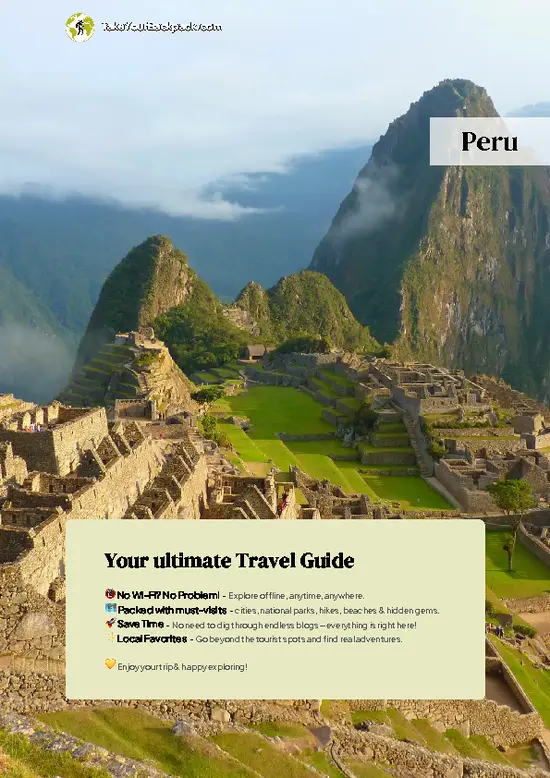
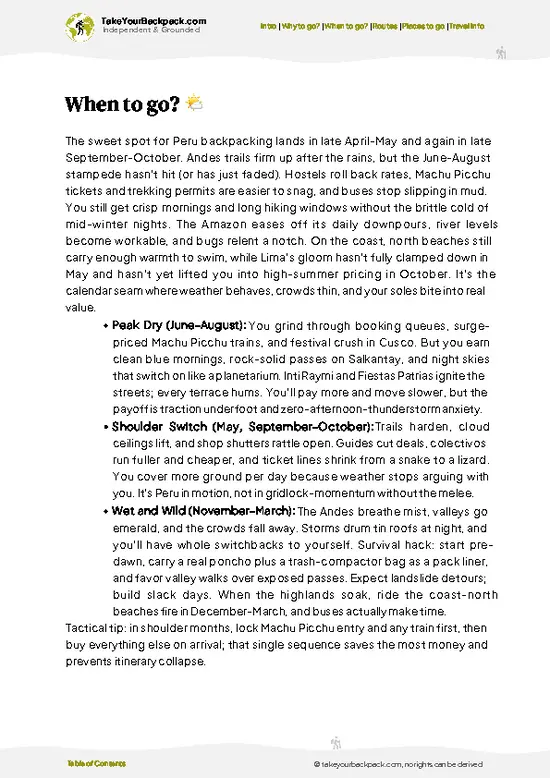
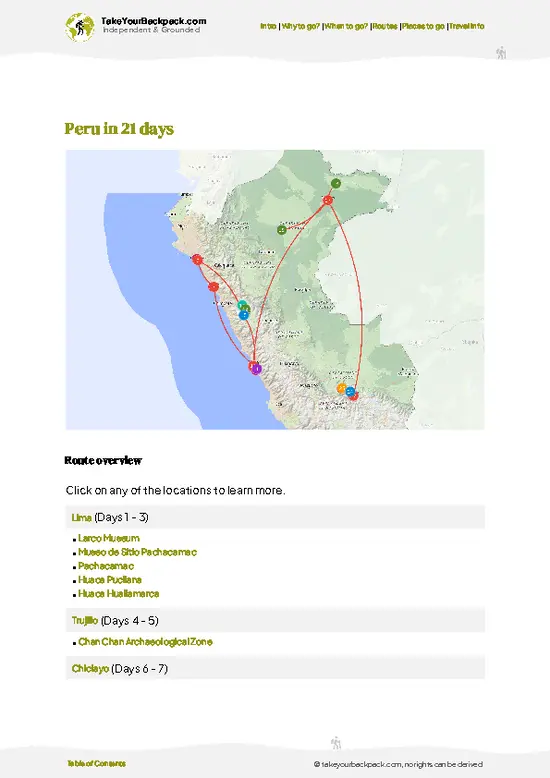
example page 0 from our offline Travel Guide for Peru
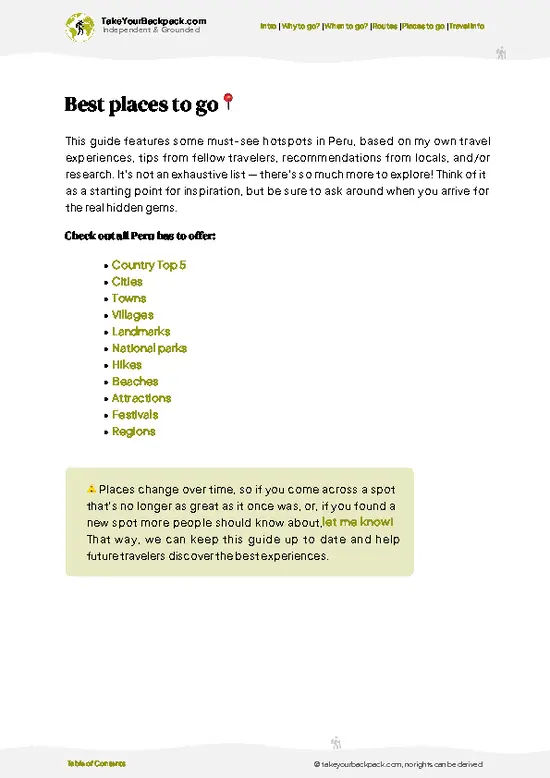
example page 1 from our offline Travel Guide for Peru
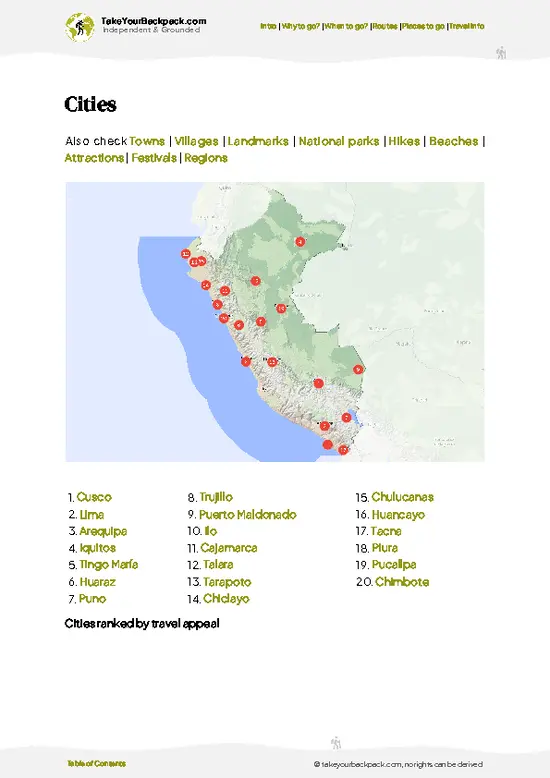
example page 2 from our offline Travel Guide for Peru
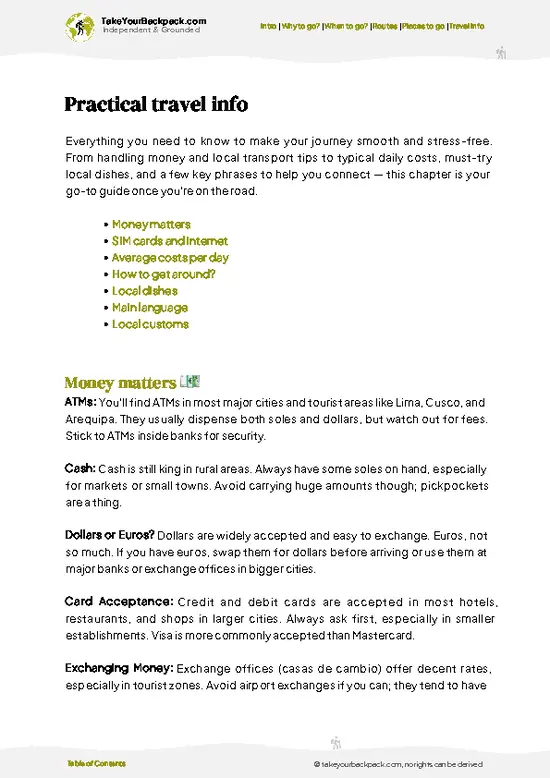
example page 3 from our offline Travel Guide for Peru
example page 4 from our offline Travel Guide for Peru
example page 5 from our offline Travel Guide for Peru
example page 6 from our offline Travel Guide for Peru
example page 7 from our offline Travel Guide for Peru
The digital guide (442 pages) contains:
118 highlights, ranked by travel appeal
Optimized 7, 14 & 21-day travel routes
Cities, national parks, landmarks, beaches
How to get around
Offline-friendly for travel without Wi-Fi
👉 Click to see all 30+ guide features

📅 Plan smarter in minutes, not weeks
Month by month travel advice
Festivals & national holidays
Budget expectations

🗺️ Go to the right places, skip the overrated ones
Honest pros & cons of destinations
Top hikes, parks & viewpoints
Lesser-known places most travelers miss
Clear “worth it vs skip it” guidance

🛏️ Travel smoothly without rookie mistakes
Best areas to stay
Transport systems explained simply
Common scams & safety advice
SIM cards, money & practical tips

🌍 Understand the country, not just visit it
Culture & traditions
52 Essential phrases & customs
Festivals worth planning around
Traveler-friendly historical context
Insights that make places more meaningful

📱 Built for real travel conditions
Fully downloadable PDF
Works completely offline
Optimized for phone use
Useful in remote areas & buses
Everything in one place
Save weeks of stressful planning
Get instant access to your full guide. 30‑day money-back guarantee.


By proceeding you agree to our terms.
Sent to your inbox immediately after payment • 100% Secure Checkout
Best Backpacking Travel Advisor 2025 tourism awardBest Backpacking
Travel Advisor
2025
What others say about Take Your Backpack Guides:
⭐⭐⭐⭐⭐
Fantastic, amazing amount of information!
⭐⭐⭐⭐⭐
My goodness this is amazing, it's what I've been looking for hats off too you!
⭐⭐⭐⭐⭐
I think this is absolutely BRILLIANT
⭐⭐⭐⭐
Very complete and informative. It's still missing places, but I gotta to commend you
⭐⭐⭐⭐⭐
This is truly amazing, thank you, can't wait to explore it with my kids!
⭐⭐⭐⭐⭐
Awesome resource, thank you!
⭐⭐⭐⭐⭐
This is amazing! Can't wait to explore the ones I haven't seen
⭐⭐⭐⭐
I love this! Well done, great idea.
⭐⭐⭐⭐⭐
Thanks for taking the time to make this gem!
⭐⭐⭐⭐⭐
This might be the best website I've ever seen.
⭐⭐⭐⭐⭐
Congratulations, and thank you so much for your work; it's incredibly valuable.
⭐⭐⭐⭐
In all seriousness I think you did a great job pointing out the important spots
⭐⭐⭐⭐⭐
10/10 very good
⭐⭐⭐⭐⭐
As someone who's only just starting to visit regularly this is awesome, thank you.
⭐⭐⭐⭐
Thank you very much! I'm going to visit my dad, it's going to be very useful!
⭐⭐⭐⭐⭐
This is really cool! We'll be travelling for the first time and this definitely come in handy.
⭐⭐⭐⭐⭐
You are now our minister of culture, congratulations 👨‍💼
⭐⭐⭐⭐⭐
Just wanted to tell you that this is a pearl! Going to follow your recommendations.
⭐⭐⭐⭐⭐
This is so cool. I'll definitely be using the resource for my travels soon.
⭐⭐⭐⭐⭐
This is very impressive! Good work.
⭐⭐⭐⭐⭐
This is an amazing and informative site. Very well done!

🛏️ Where to stay?Best areas to stay in Peru

When you’re diving into the vibrant chaos of Semana Santa in Peru, your choice of where to stay can make or break your experience. Head straight for Cusco. This city is the heartbeat of the festival, pulsating with energy and tradition. The historic center is packed with budget-friendly hostels and guesthouses, perfect for meeting fellow travelers. You’ll find a mix of locals and backpackers, all buzzing about the processions and rituals.

Don’t overlook Ollantaytambo. It’s a bit quieter but offers a unique charm. The town’s cobblestone streets and ancient ruins create a picturesque backdrop. … read more 👉
When you’re diving into the vibrant chaos of Semana Santa in Peru, your choice of where to stay can make or break your experience. Head straight for Cusco. This city is the heartbeat of the festival, pulsating with energy and tradition. The historic center is packed with budget-friendly hostels and guesthouses, perfect for meeting fellow travelers. You’ll find a mix of locals and backpackers, all buzzing about the processions and rituals.

Don’t overlook Ollantaytambo. It’s a bit quieter but offers a unique charm. The town’s cobblestone streets and ancient ruins create a picturesque backdrop. Plus, it’s a great launchpad for exploring the Sacred Valley. You’ll find cozy, affordable accommodations here, often with communal spaces that encourage socializing.

If you’re feeling adventurous, consider Pisac. This smaller town is known for its artisan market and stunning views. It’s a bit off the beaten path, but that means fewer crowds and a more intimate experience. The hostels here are welcoming, often hosting events that connect travelers.

Stay smart, stay social, and let the spirit of Semana Santa fuel your journey.

👛 Costs (as of 4 May 2025)Typical daily expenses

The Semana Santa festival in Peru is a vibrant celebration, but navigating its costs can be tricky. Here’s a breakdown to keep your budget in check while maximizing your experience.
  • Festival Tickets: Most events during Semana Santa are free, but some special processions or performances may charge a small fee. Expect to pay around $5 to $15 USD for premium seating or guided experiences. Keep an eye out for local announcements to catch any ticketed events that might pop up.
  • Accommodation: Prices can spike during the festival. Budget hostels range from $10 to $25 USD per night, while mid-range hotels can cost between $40 and $100 USD. Book early to avoid inflated last-minute prices. If you’re feeling adventurous, consider camping or staying with locals for a more authentic experience.
  • Local Transport:
read more 👉
The Semana Santa festival in Peru is a vibrant celebration, but navigating its costs can be tricky. Here’s a breakdown to keep your budget in check while maximizing your experience.
  • Festival Tickets: Most events during Semana Santa are free, but some special processions or performances may charge a small fee. Expect to pay around $5 to $15 USD for premium seating or guided experiences. Keep an eye out for local announcements to catch any ticketed events that might pop up.
  • Accommodation: Prices can spike during the festival. Budget hostels range from $10 to $25 USD per night, while mid-range hotels can cost between $40 and $100 USD. Book early to avoid inflated last-minute prices. If you’re feeling adventurous, consider camping or staying with locals for a more authentic experience.
  • Local Transport: Getting around is generally affordable. Public buses and shared taxis (colectivos) cost about $1 to $3 USD per ride. If you’re in a larger city like Cusco, budget around $10 to $20 USD for a day of exploring, including transport to various events. Walking is also a great way to soak in the atmosphere.
  • Food & Drinks: Street food is your best friend here. You can grab a hearty meal for $3 to $7 USD. Restaurants vary widely; expect to pay $10 to $25 USD for a sit-down meal. Don’t forget to try local specialties like “pachamanca” or “cuy.” Budget around $20 to $30 USD per day for food and drinks if you want to indulge a bit.
  • Miscellaneous Expenses: This includes souvenirs, tips, and any spontaneous activities. Set aside about $20 to $50 USD for these extras. Local crafts and artisan goods can be tempting, so keep your budget flexible for those unique finds.

Planning ahead will save you from unexpected costs and allow you to focus on the vibrant energy of the festival. Enjoy the journey!


source: peru.travel
⚠️ Prices can change and everyone travels differently, so take this as a rough guide. Hope it helps you plan your adventure!

🍲 FoodLocal Cuisine & Drinks

At Semana Santa in Peru, food and drink transform into a vibrant celebration of culture and community. You’ll find stalls brimming with local specialties like pachamanca, a traditional dish of marinated meats and vegetables cooked underground. The aroma alone pulls you in, promising a hearty meal that’s as much about the experience as the flavor.

Don’t miss out on cuzqueña, a local beer that pairs perfectly with the festive atmosphere. For something sweeter, try chicha morada, a refreshing drink made from purple corn, spices, and fruit. It’s a burst of flavor that cools you down amidst the bustling crowds.

Be prepared for some quirks. Sharing is common; locals often invite you to taste their food, so don’t hesitate to reciprocate. Lines can be long, especially for the most popular stalls, … read more 👉
At Semana Santa in Peru, food and drink transform into a vibrant celebration of culture and community. You’ll find stalls brimming with local specialties like pachamanca, a traditional dish of marinated meats and vegetables cooked underground. The aroma alone pulls you in, promising a hearty meal that’s as much about the experience as the flavor.

Don’t miss out on cuzqueña, a local beer that pairs perfectly with the festive atmosphere. For something sweeter, try chicha morada, a refreshing drink made from purple corn, spices, and fruit. It’s a burst of flavor that cools you down amidst the bustling crowds.

Be prepared for some quirks. Sharing is common; locals often invite you to taste their food, so don’t hesitate to reciprocate. Lines can be long, especially for the most popular stalls, but that’s part of the fun. Bring cash; many vendors don’t accept cards, and you’ll want to grab that last serving of alfajores before they run out.

Serving sizes can vary wildly, so keep your eyes peeled for generous portions. Dive in, savor every bite, and let the festival’s spirit fuel your adventure!

Other Peruvian festivals near Semana Santa

Explore more nearby:

  • Corpus Christi—saint statues, Cusco plaza, ornate processions| 75 km away
  • Inti Raymi—Inca rituals, Sacsayhuamán, ceremonial dress| 75 km away
  • Qoyllur Riti—mountain pilgrimage, glacier rituals, sacred dances| 327 km away

💡 Not sure where to go next?
Create a personalized itinerary for Peru including Semana Santa and the places that fit your trip.

Generate my itinerary

👉 Discover all festivals

Or checkout all Peru has to offer (think cities, towns, villages, national parks, hikes, beaches, festivals)
Country photo of Peru

We 💚 feedbackFinal thoughts on celebrating the Semana Santa

Semana Santa in Peru is a whirlwind of color and culture, where the streets pulse with passion and tradition. You’ll feel the energy as locals pour their hearts into the processions. But brace yourself: the crowds can be overwhelming, and prices skyrocket. If you’re not careful, you might blow your budget on overpriced souvenirs. Stay sharp, and you’ll preserve your energy and cash for the real treasures—those spontaneous moments that make it all worthwhile.

✈️ When did I visit Peru?
Peru I visited during my half year trip through South and Central America back in 2003

✍️ Help improve this page!
The information on this page is based on my own backpacking experience in Peru, supplemented with up-to-date research and feedback from other travelers. Travel details can change, so if you notice anything outdated or incomplete, feel free to let me know.


🙋‍♂️ Give feedback

👋 Meet the founderWho’s Behind Take Your Backpack?

Johan, backpacker and founder of TakeYourBackpackHi, I’m Johan (Netherlands 🇳🇱), the creator of TakeYourBackpack. Over the past decade, I’ve backpacked through 80+ countries across six continents, gaining extensive experience with independent travel, long-term trips, and overland routes.

This site is built on a combination of firsthand travel experience and carefully curated insights from other backpackers. Many guides are based on places I’ve personally visited, while others bring together tips, observations, and practical advice shared by trusted travelers I’ve met along the way.

The goal is to provide realistic, experience-driven guidance — not generic itineraries — so you can explore destinations with better context, clearer expectations, and more confidence.

Get full Peru guide •
Instant download • 118 highlights • Full Offline guide