×

Philippines🇵🇭 | attractionsAyala Museumpre-colonial gold, diorama history, Filipino textiles | things to do and best time to go

Explore National Museum of Natural HistoryExplore Cultural Center of the Philippines

Backpacking in Ayala Museum
🏆 Top pickattraction ranked #5
By Johan Kruseman 🇳🇱 | Updated May 27, 2026

Here’s what nobody tells you: the Ayala Museum is one of the few places in Manila where you can actually touch (yes, touch) pre-colonial gold—if you time your visit with their hands-on workshops. Forget the sterile, glass-box vibe you expect from a city museum. Smack in the heart of Makati’s business jungle, Ayala Museum is a rare pocket of calm and context in a country obsessed with malls and karaoke. Backpackers usually skip it, thinking it’s just for school trips or bored expats, but that’s a rookie mistake. The cost is higher than most Manila attractions, and yes, you’ll dodge selfie sticks and field trips, but the payoff is real: gold that predates Magellan, dioramas that actually make Philippine history stick, and air conditioning that feels like a miracle after EDSA traffic. It’s not adrenaline, but it’s a brain-jolt you’ll remember.

Discover everything you want to know in the 📖 Philippines Travel Guide.
Loading the map 🌍
CLICK TO FILTER
cities
towns
landmarks
national parks
hikes
beaches
attractions
festivals
regions
SHOW COUNTRY’S BESTSHOW ALL

✨ Why go?
Ranked #5 attraction in Philippines
What makes it a must-see attraction

The Ayala Museum in the Philippines isn’t just another stop on the tourist checklist—it’s a cultural powerhouse that demands your attention. Sure, it’s not a jungle trek or a beach party, but this place packs a punch with its deep dive into Filipino identity. Forget the glossy Instagram shots; the real magic is in the artifacts and exhibits that trace the country’s complex history, from pre-colonial times to the modern era. It’s a milestone for backpackers who want to move beyond surface-level sightseeing and actually understand the soul of the Philippines. The museum’s curated collections of indigenous crafts, historical dioramas, and contemporary art offer a rare chance to connect with the country’s layered past and vibrant present. Yes, it can get busy, especially on weekends, and the entrance … read more 👉
The Ayala Museum in the Philippines isn’t just another stop on the tourist checklist—it’s a cultural powerhouse that demands your attention. Sure, it’s not a jungle trek or a beach party, but this place packs a punch with its deep dive into Filipino identity. Forget the glossy Instagram shots; the real magic is in the artifacts and exhibits that trace the country’s complex history, from pre-colonial times to the modern era. It’s a milestone for backpackers who want to move beyond surface-level sightseeing and actually understand the soul of the Philippines. The museum’s curated collections of indigenous crafts, historical dioramas, and contemporary art offer a rare chance to connect with the country’s layered past and vibrant present. Yes, it can get busy, especially on weekends, and the entrance fee isn’t dirt cheap, but the effort-to-reward ratio is off the charts. If you’re serious about this route, skipping Ayala Museum is like passing on the prologue of a gripping novel—you’ll miss the context that makes everything else click.
Want to include Ayala Museum in your Philippines route?
Create a personalized Philippines itinerary that includes Ayala Museum and the places that fit your trip — based on your travel style, budget, and available time. Get your route in seconds.

Generate my trip

💡 HighlightsTop highlights of Ayala Museum

The Gold of Ancestors Exhibit
Forget the filtered Instagram shots of shiny artifacts—this is the real deal. Hundreds of pre-colonial gold pieces, some so intricate you’ll wonder how ancient hands pulled it off without modern tools. These aren’t just museum pieces; they’re evidence of a sophisticated culture that existed long before the Spanish showed up. You’ll see masks, sashes, and regalia that look like they belong in a fantasy epic, except they’re Filipino, and they’re real. If you want to understand the Philippines beyond the clichés, start here.


Diorama Experience of Philippine History
This isn’t your average “walk past some dusty models” situation. The diorama hall is a 60-scene, room-sized comic strip of Philippine history, from the first settlers to People Power. Each scene is a … read more 👉
The Gold of Ancestors Exhibit
Forget the filtered Instagram shots of shiny artifacts—this is the real deal. Hundreds of pre-colonial gold pieces, some so intricate you’ll wonder how ancient hands pulled it off without modern tools. These aren’t just museum pieces; they’re evidence of a sophisticated culture that existed long before the Spanish showed up. You’ll see masks, sashes, and regalia that look like they belong in a fantasy epic, except they’re Filipino, and they’re real. If you want to understand the Philippines beyond the clichés, start here.


Diorama Experience of Philippine History
This isn’t your average “walk past some dusty models” situation. The diorama hall is a 60-scene, room-sized comic strip of Philippine history, from the first settlers to People Power. Each scene is a freeze-frame, packed with drama and detail—tiny faces, real emotion, and the kind of storytelling that makes you stop and actually care. It’s the fastest way to get a crash course in the country’s past without slogging through a textbook. My personal favorite: the People Power diorama, which captures the chaos and hope of the 1986 revolution in a way that hits harder than any documentary.


Ayala Museum’s Contemporary Art Collection
Skip the “Instagram wall” mentality and actually look. The contemporary galleries rotate, but you’ll usually find bold, sometimes confrontational works by Filipino artists who aren’t afraid to poke at politics, identity, or colonial hangovers. It’s not just pretty pictures—it’s a pulse check on what matters to Manila’s creative scene right now. If you want to see what the country is thinking, not just what it’s selling, this is the room.


Filipinas Heritage Library
This isn’t just a quiet corner for bookworms. The library is a living archive of rare manuscripts, maps, and photographs—some of which you won’t find digitized anywhere. If you’re a history nerd or just want to see what Manila looked like before the malls, this is your jackpot. Staff are surprisingly approachable, and you can actually handle some materials with gloves. It’s the antidote to shallow sightseeing.


Interactive Digital Exhibits
Ayala Museum doesn’t just stick to glass cases. Their digital installations let you swipe, tap, and zoom through history—perfect if you’re traveling with kids or just have the attention span of a goldfish. It’s not a gimmick; it’s a genuinely clever way to make centuries-old stories feel urgent and alive.
Spotted a mistake or missing something? Contact us.

Things to do around Ayala Museum

Ratings based on Tripadvisor reviews. When you book through this link, you support our work at no extra cost to you.

🌤️ When to go?Best time to visit Ayala Museum


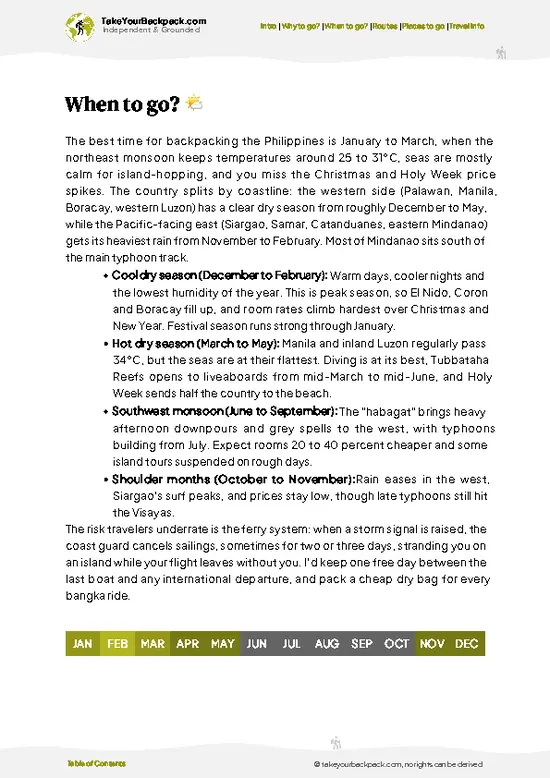
  • Topic: Weather – The Philippines is tropical, so expect heat and humidity year-round. From March to May, temperatures hit 30-35°C (86-95°F), making museum visits sweaty but manageable indoors. June to November brings the rainy season, with heavy downpours that can disrupt outdoor plans but won’t affect your time inside the Ayala Museum.

  • Topic: Temperature – Manila’s average temperature hovers around 27-32°C (81-90°F) most of the year. The coolest months are December to February, dropping to 24-28°C (75-82°F), which is more comfortable for walking around before or after your museum visit.

  • Topic: Daylight Hours – Daylight stays fairly consistent, about 11-12 hours daily year-round. The museum opens around 9 AM and closes by 6 PM, so plan to arrive early to avoid the afternoon crowd and
read more 👉

  • Topic: Weather – The Philippines is tropical, so expect heat and humidity year-round. From March to May, temperatures hit 30-35°C (86-95°F), making museum visits sweaty but manageable indoors. June to November brings the rainy season, with heavy downpours that can disrupt outdoor plans but won’t affect your time inside the Ayala Museum.

  • Topic: Temperature – Manila’s average temperature hovers around 27-32°C (81-90°F) most of the year. The coolest months are December to February, dropping to 24-28°C (75-82°F), which is more comfortable for walking around before or after your museum visit.

  • Topic: Daylight Hours – Daylight stays fairly consistent, about 11-12 hours daily year-round. The museum opens around 9 AM and closes by 6 PM, so plan to arrive early to avoid the afternoon crowd and maximize your visit.

  • Topic: Crowds – Peak tourist season is December to April, especially around holidays. Expect more local school groups and tourists then, which can make the museum feel cramped. Visiting on weekdays outside holidays cuts down on the crowd significantly.

  • Topic: Seasonal Activities – The museum hosts special exhibits and cultural events mostly from January to March, aligning with the dry season and local festivals. These can add real depth to your visit but also draw larger crowds.

  • Topic: Price Fluctuations – Entrance fees are generally stable, but special exhibits sometimes carry extra charges. Avoid peak holiday periods if you want to dodge premium pricing or sold-out tickets.


Pro-tip: Hit the Ayala Museum on a weekday morning between January and March—cooler weather, fewer crowds, and a shot at catching unique exhibits without sweating through your shirt.


source: climatestotravel.comJANJanuary: highly recommended for travelingFEBFebruary: highly recommended for travelingMARMarch: highly recommended for travelingAPRApril: good for travelingMAYMay: good for travelingJUNJune: fair for travelingJULJuly: fair for travelingAUGAugust: fair for travelingSEPSeptember: fair for travelingOCTOctober: fair for travelingNOVNovember: good for travelingDECDecember: good for traveling
when-to-go

✈️ The backpacker research shortcutPhilippines Travel Guide

An offline-friendly backpacking guide with optimized travel routes, ranked highlights, transport advice, and the best areas to stay.
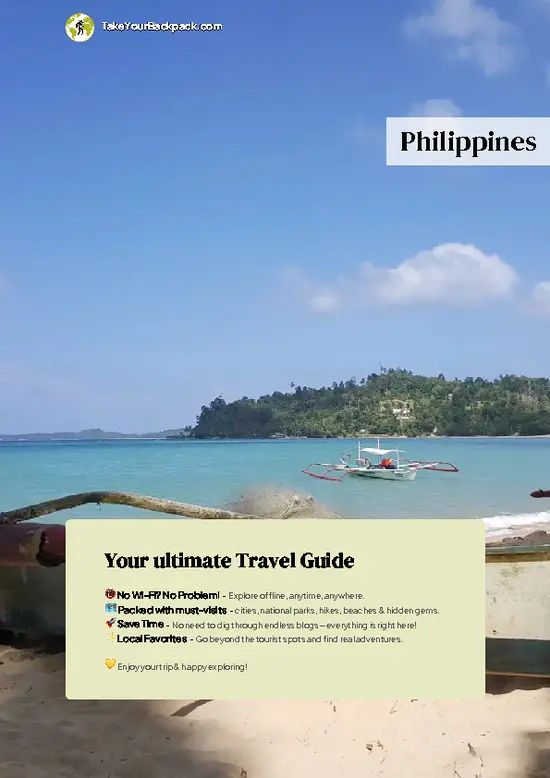
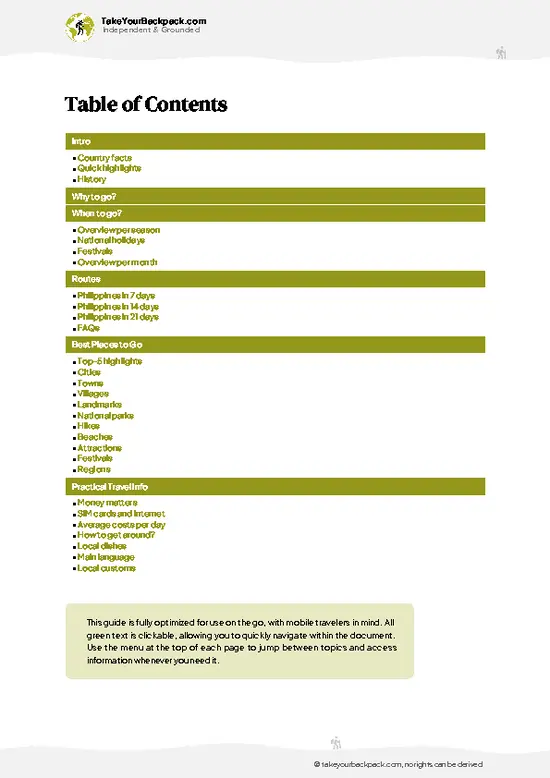
example page 0 from our offline Travel Guide for Philippinesexample page 1 from our offline Travel Guide for Philippinesexample page 2 from our offline Travel Guide for Philippinesexample page 3 from our offline Travel Guide for Philippinesexample page 4 from our offline Travel Guide for Philippinesexample page 5 from our offline Travel Guide for Philippinesexample page 6 from our offline Travel Guide for Philippinesexample page 7 from our offline Travel Guide for Philippines
The digital guide (505 pages) contains:
144 highlights, ranked by travel appeal
Optimized 7, 14 & 21-day travel routes
Cities, national parks, landmarks, beaches
How to get around
Offline-friendly for travel without Wi-Fi
👉 Click to see all 30+ guide features

📅 Plan smarter in minutes, not weeks
Month by month travel advice
Festivals & national holidays
Budget expectations

🗺️ Go to the right places, skip the overrated ones
Honest pros & cons of destinations
Top hikes, parks & viewpoints
Lesser-known places most travelers miss
Clear “worth it vs skip it” guidance

🛏️ Travel smoothly without rookie mistakes
Best areas to stay
Transport systems explained simply
Common scams & safety advice
SIM cards, money & practical tips

🌍 Understand the country, not just visit it
Culture & traditions
52 Essential phrases & customs
Festivals worth planning around
Traveler-friendly historical context
Insights that make places more meaningful

📱 Built for real travel conditions
Fully downloadable PDF
Works completely offline
Optimized for phone use
Useful in remote areas & buses
Everything in one place
Save weeks of stressful planning
Get instant access to your full guide. 30‑day money-back guarantee.


By proceeding you agree to our terms.
Sent to your inbox immediately after payment • 100% Secure Checkout
Best Backpacking Travel Advisor 2025 tourism awardBest Backpacking
Travel Advisor
2025
What others say about Take Your Backpack Guides:
⭐⭐⭐⭐⭐
Fantastic, amazing amount of information!
⭐⭐⭐⭐⭐
My goodness this is amazing, it's what I've been looking for hats off too you!
⭐⭐⭐⭐⭐
I think this is absolutely BRILLIANT
⭐⭐⭐⭐
Very complete and informative. It's still missing places, but I gotta to commend you
⭐⭐⭐⭐⭐
This is truly amazing, thank you, can't wait to explore it with my kids!
⭐⭐⭐⭐⭐
Awesome resource, thank you!
⭐⭐⭐⭐⭐
This is amazing! Can't wait to explore the ones I haven't seen
⭐⭐⭐⭐
I love this! Well done, great idea.
⭐⭐⭐⭐⭐
Thanks for taking the time to make this gem!
⭐⭐⭐⭐⭐
This might be the best website I've ever seen.
⭐⭐⭐⭐⭐
Congratulations, and thank you so much for your work; it's incredibly valuable.
⭐⭐⭐⭐
In all seriousness I think you did a great job pointing out the important spots
⭐⭐⭐⭐⭐
10/10 very good
⭐⭐⭐⭐⭐
As someone who's only just starting to visit regularly this is awesome, thank you.
⭐⭐⭐⭐
Thank you very much! I'm going to visit my dad, it's going to be very useful!
⭐⭐⭐⭐⭐
This is really cool! We'll be travelling for the first time and this definitely come in handy.
⭐⭐⭐⭐⭐
You are now our minister of culture, congratulations 👨‍💼
⭐⭐⭐⭐⭐
Just wanted to tell you that this is a pearl! Going to follow your recommendations.
⭐⭐⭐⭐⭐
This is so cool. I'll definitely be using the resource for my travels soon.
⭐⭐⭐⭐⭐
This is very impressive! Good work.
⭐⭐⭐⭐⭐
This is an amazing and informative site. Very well done!

🛏️ Where to stay?Where staying makes the most sense

If you’re aiming to soak up the Ayala Museum’s rich dive into Filipino culture without selling your soul to sky-high Manila prices, your best bets are the neighborhoods around Makati’s central business district. This area isn’t just about suits and skyscrapers—it’s where backpackers find a surprisingly lively mix of safety, social spots, and budget-friendly digs.

Forget the glossy tourist brochures that make it look like a sterile corporate zone. The streets around Ayala Museum pulse with local life—street food vendors, quirky cafes, and bars where you can swap stories with fellow travelers … read more 👉
If you’re aiming to soak up the Ayala Museum’s rich dive into Filipino culture without selling your soul to sky-high Manila prices, your best bets are the neighborhoods around Makati’s central business district. This area isn’t just about suits and skyscrapers—it’s where backpackers find a surprisingly lively mix of safety, social spots, and budget-friendly digs.

Forget the glossy tourist brochures that make it look like a sterile corporate zone. The streets around Ayala Museum pulse with local life—street food vendors, quirky cafes, and bars where you can swap stories with fellow travelers or locals who actually know the city’s pulse. It’s walkable, well-lit, and patrolled enough to feel secure even if you’re flying solo.

You’ll want to avoid the ultra-posh parts of Makati that inflate prices without adding much character. Instead, focus on the fringes where young professionals and creatives hang out—these pockets offer hostels and guesthouses that are affordable, clean, and social. You get the best of both worlds: easy access to the museum and a genuine slice of Manila’s urban vibe, minus the tourist trap markup.

👛 Costs (as of 13 October 2025)Typical daily expenses

As of October 2025, Ayala Museum offers a tiered pricing system: full access to all exhibitions is priced at PHP 500 (approximately €6.50) for regular adults and PHP 350 (approximately €4.50) for discounted groups, including students, senior citizens, and persons with disabilities. Individual floor access is also available, with rates varying from PHP 250 (approximately €3.25) to PHP 350 (approximately €4.50) depending on the floor and visitor category. Additional costs may apply for guided tours and audio guides.

source: ayalamuseum.org
⚠️ Prices can change and everyone travels differently, so take this as a rough guide. Hope it helps you plan your adventure!

Other Filipino attractions near Ayala Museum

Explore more nearby:


💡 Not sure where to go next?
Create a personalized itinerary for Philippines including Ayala Museum and the places that fit your trip.

Generate my itinerary

👉 Discover all attractions

Or checkout all Philippines has to offer (think cities, towns, villages, national parks, hikes, beaches, festivals)
Country photo of Philippines

We 💚 feedbackIs it worth it?

The Ayala Museum isn’t your typical tourist stop swamped with selfie sticks—it’s a deep dive into Filipino identity that hits hard if you care about history beyond the surface. But heads up: it’s not a quick pop-in. The exhibits demand time and focus, which can feel like a slog if you’re just ticking boxes. Still, if you want to understand the Philippines beyond postcards, this place delivers in spades.

✈️ When did I visit Philippines?
Philippines being one of my favorites, due to the people and their mentality. I visited it first in 2010 and came back in January 2016 as part of my 1.5 year world trip.

✍️ Help improve this page!
The information on this page is based on my own backpacking experience in Philippines, supplemented with up-to-date research and feedback from other travelers. Travel details can change, so if you notice anything outdated or incomplete, feel free to let me know.


🙋‍♂️ Give feedback

👋 Meet the founderWho’s Behind Take Your Backpack?

Johan, backpacker and founder of TakeYourBackpackHi, I’m Johan (Netherlands 🇳🇱), the creator of TakeYourBackpack. Over the past decade, I’ve backpacked through 80+ countries across six continents, gaining extensive experience with independent travel, long-term trips, and overland routes.

This site is built on a combination of firsthand travel experience and carefully curated insights from other backpackers. Many guides are based on places I’ve personally visited, while others bring together tips, observations, and practical advice shared by trusted travelers I’ve met along the way.

The goal is to provide realistic, experience-driven guidance — not generic itineraries — so you can explore destinations with better context, clearer expectations, and more confidence.

Get full country guide •
Instant download • 144 highlights • Full Offline guide